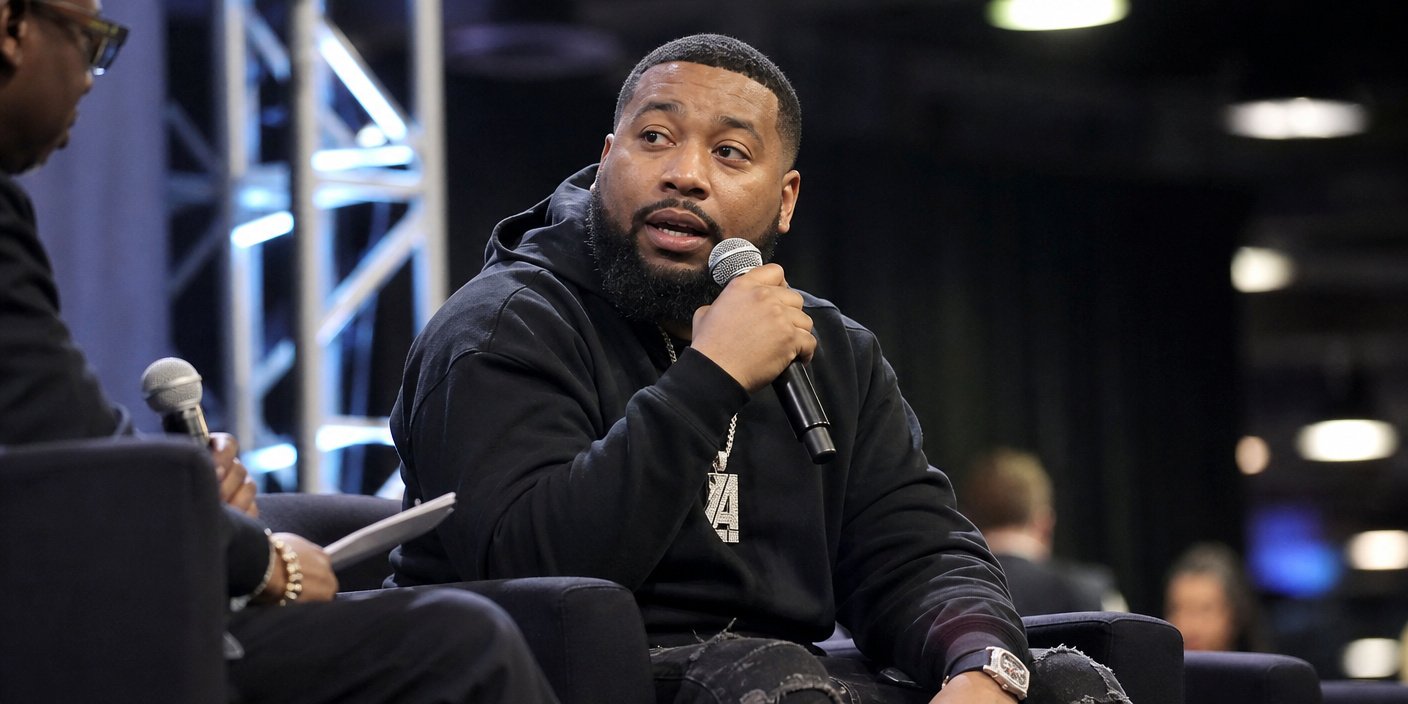
The atmosphere at ComplexCon in Los Angeles reached a fever pitch this weekend, but it wasn’t just the streetwear drops or the exclusive sneaker releases that dominated the discourse. During a high-profile industry panel, cultural commentator and media personality DJ Akademiks issued a bold, headline-grabbing decree: Drake’s ninth studio album, ‘Iceman’, is not merely a hit, but the singular best album of 2026. This assertion, delivered with the conviction of a career-long observer of the OVO mogul, has sent shockwaves through music journalism and social media, forcing a re-evaluation of the 2026 sonic landscape.
Key Highlights
- DJ Akademiks declared ‘Iceman’ the definitive album of 2026 during a live panel at ComplexCon in Los Angeles.
- The argument centers on the album’s dual success, citing unprecedented streaming metrics and deep cultural saturation as key indicators.
- Akademiks countered critics by emphasizing Drake’s ability to maintain a ‘chameleonic’ sonic evolution while delivering mass-market appeal.
- The debate highlights the ongoing industry tension between streaming-era algorithm dominance and artistic longevity.
The Anatomy of the 2026 Throne: Why ‘Iceman’ Stands Alone
To understand why DJ Akademiks is staking his critical reputation on ‘Iceman’, one must first look at the state of the 2026 music industry. The year has been defined by fragmentation—a post-genre landscape where viral moments often supersede full-length project cohesion. Akademiks argued that ‘Iceman’ serves as the outlier in this ecosystem, a rare project that manages to be both a commercially unstoppable juggernaut and a cohesive artistic statement.
The Data-Driven Argument
Akademiks didn’t just rely on ‘vibes’ to make his case; he leaned heavily into the hard data that has characterized the Drake rollout strategy for over a decade. He pointed to the specific performance of ‘Iceman’ across all major DSPs (Digital Service Providers), noting that the album’s retention rates—the percentage of listeners who finish the album from track one to the finale—are statistically higher than any other rap project released in the first three quarters of 2026. In an era of ‘playlist-first’ listening, where artists optimize for singles rather than album flow, Akademiks highlighted ‘Iceman’ as a throwback to a time when the album format still mattered, albeit one adapted for the TikTok-dominated attention span.
Sonic Evolution and Cultural Resonance
Beyond the spreadsheets, the deeper argument presented at ComplexCon revolved around ‘Iceman’ as a cultural mirror. Akademiks posited that the album represents Drake at his most reflective, shedding the hyper-aggressive posture of previous years for a cold, calculated, and ‘icy’ delivery that fits the current global mood. He noted that while other artists have struggled to capture the post-pandemic zeitgeist, Drake managed to tap into a specific form of existential luxury—what Akademiks termed ‘the soundtrack to the 2026 recession-core aesthetic.’ This synthesis of sound and societal mood, Akademiks argued, makes the project not just a collection of songs, but a time capsule of the year itself.
The ‘Drake Fatigue’ Counter-Narrative
Inevitably, the panel turned to the elephant in the room: the ‘Drake Fatigue’ that critics have touted since 2024. Akademiks faced this head-on, dismissing the narrative as an echo chamber phenomenon. He argued that the perceived exhaustion with the OVO sound is limited to music blog circles, while the actual consumer base—the millions of daily streamers—has only become more ravenous. According to Akademiks, ‘Iceman’ proves that the so-called saturation of Drake’s catalog has only served to sharpen his brand, making it more resilient, not less. By the time he reached his closing statement, Akademiks challenged any detractor to name a project that has fundamentally altered the musical vernacular of 2026 as effectively as ‘Iceman’ has.
The Future of Music Punditry
This moment at ComplexCon serves as a fascinating case study in modern music criticism. It highlights the growing divide between traditional music criticism, which often favors indie experimentation, and the new guard of digital pundits like Akademiks, who prioritize scale, impact, and cultural relevance. Whether or not one agrees with the assessment, the debate itself underscores the undeniable reality that ‘Iceman’ remains the gravitational center around which all other 2026 conversations must orbit. As the year draws to a close, the metric of success is no longer just the ‘best’ music in a vacuum, but the music that best defines the year, and on that front, Akademiks is convinced the case is already closed.
FAQ: People Also Ask
Q: What specific data did DJ Akademiks cite to support his claim?
A: Akademiks focused on the album’s high streaming retention rates and its unprecedented penetration into both mainstream charts and social media algorithm trends, arguing it achieved a ‘saturation point’ unmatched by any other release this year.
Q: Was there any pushback from the audience at ComplexCon regarding his stance?
A: Yes, the panel featured significant debate from fellow music journalists, who argued that ‘Iceman’ lacks the raw, experimental risk-taking found in smaller, independent albums released in 2026.
Q: Does ‘Iceman’ represent a change in Drake’s musical style?
A: Yes, Akademiks characterized the album as a shift toward a ‘cold, calculated, and luxury-focused’ sound, contrasting it with the more aggressive or trap-heavy sounds of his previous 2020s work.
Q: What is the significance of the title ‘Iceman’?
A: While open to interpretation, Akademiks linked the title to the album’s detached, cool-headed production style and Drake’s perceived emotional stoicism, which he argues resonates with the current 2026 social climate.