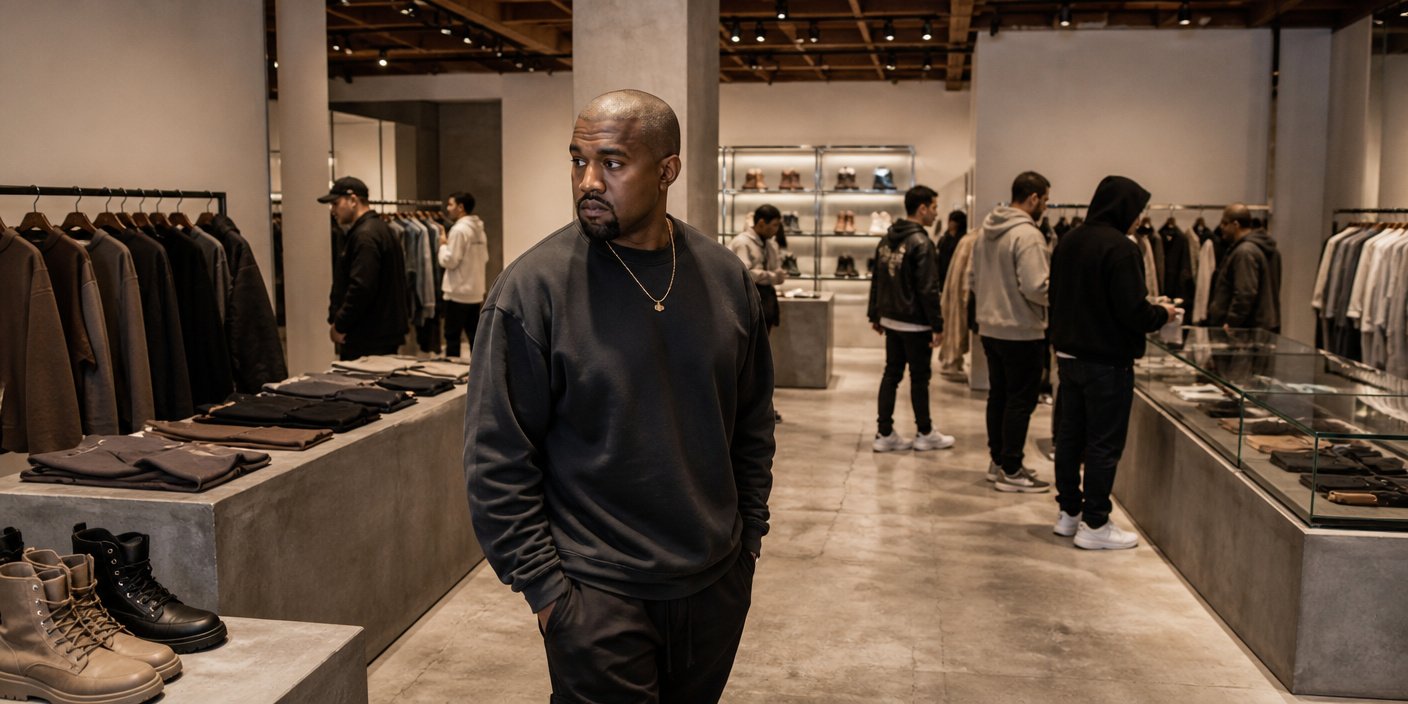
In a strategic move that blends high-end retail with the electrifying anticipation of a stadium tour, Jay-Z has unveiled an exclusive pop-up experience on Romaine Street in Los Angeles. The initiative serves as a physical prelude to his highly anticipated concert engagements at the state-of-the-art SoFi Stadium, turning a standard tour stop into an immersive cultural moment. As fans flock to the West Hollywood vicinity, the pop-up stands not merely as a merchandise stand, but as a testament to the mogul’s enduring influence on global streetwear and performance art.
Key Highlights
- Exclusive Access: The Romaine Street pop-up offers rare, anniversary-themed merchandise unavailable at traditional venues or online platforms.
- Strategic Timing: The opening meticulously aligns with the buildup to Jay-Z’s SoFi Stadium shows, capitalizing on peak fan engagement and regional excitement.
- Cultural Curation: The event echoes the success of previous “The Book of HOV” exhibits, positioning the apparel as wearable history rather than typical concert souvenirs.
- Economic Impact: The activation underscores the growing trend of leveraging “tour-adjacent” retail to maximize revenue and brand visibility in major metropolitan markets.
The Anatomy of an Icon: Romaine Street and Beyond
The choice of Romaine Street for this activation is far from incidental. Located within the bustling geography of Los Angeles, this pop-up serves as a localized hub for the massive influx of fans arriving in the city for the SoFi Stadium spectacles. By establishing a physical presence outside of the venue, Jay-Z—through his Roc Nation conglomerate—has successfully shifted the concert experience from a single-night event to a multi-day cultural takeover.
The Aesthetic of Exclusivity
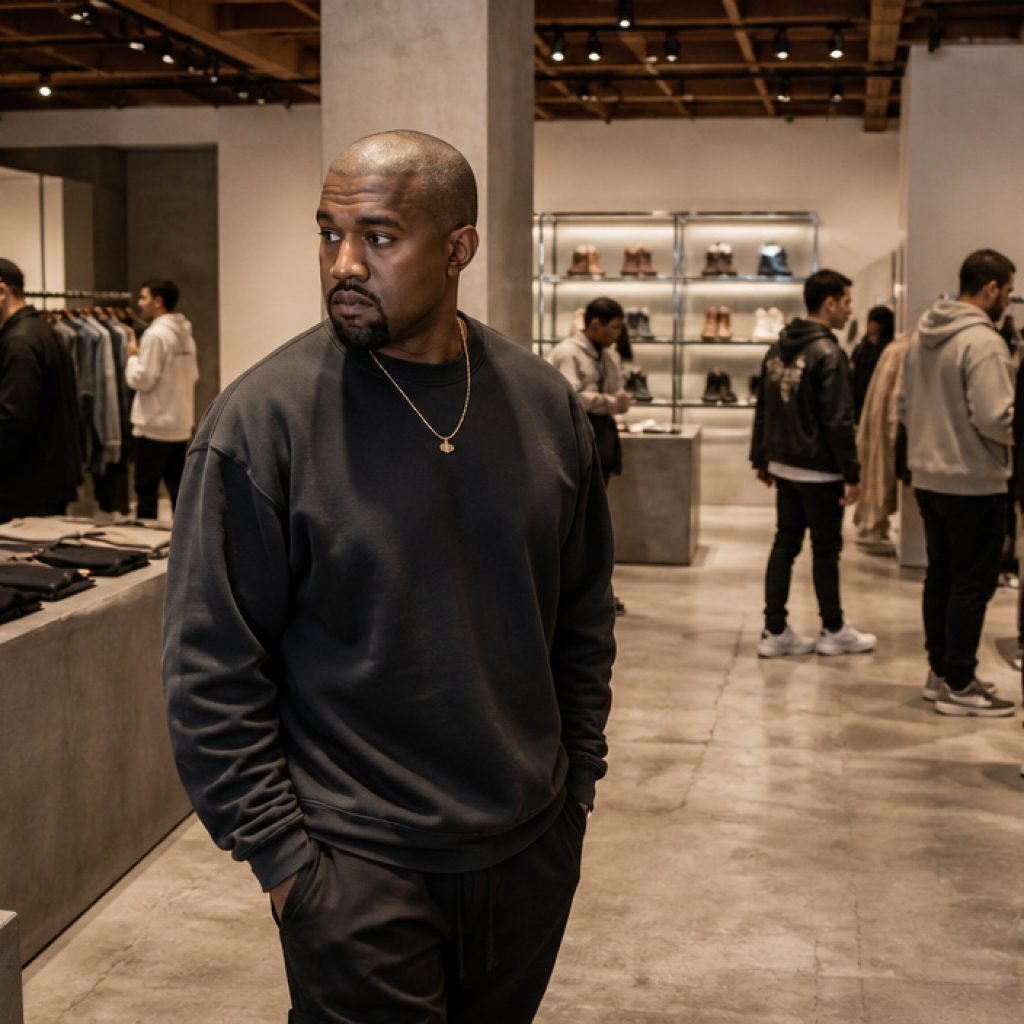
Inside the pop-up, the curation mirrors the sophisticated, minimalist aesthetic that has defined Jay-Z’s career trajectory over the last two decades. The merchandise collection is not merely “tour gear” but an exercise in high-end apparel design. Reports from the site indicate that the drop features limited-edition anniversary graphics that pay homage to key milestones in his discography.
This approach taps into the growing consumer demand for “drop culture,” where the value of the item is tied to its scarcity and the narrative surrounding it. By keeping the inventory restricted to this specific Los Angeles location, the organizers have turned a simple shopping trip into a collectible event, forcing fans to engage with the city and the brand in a deeper, more tactile way. It is a masterclass in modern luxury marketing, where the commodity itself is the invitation to the inner circle.
The SoFi Stadium Factor
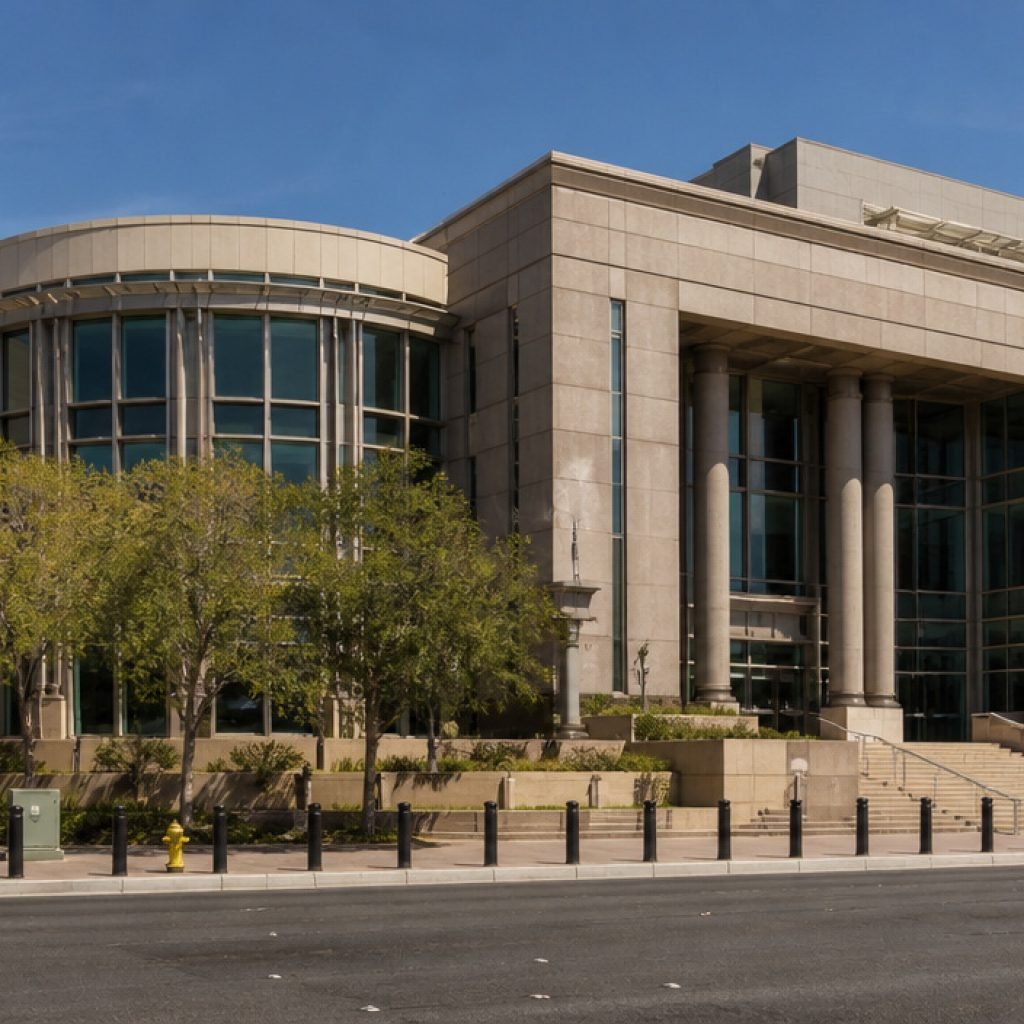
SoFi Stadium, already an architectural marvel in the NFL landscape, has quickly become the gold standard for live music in Southern California. Jay-Z’s decision to pair his Los Angeles dates with this pop-up is a strategic economic maneuver. Major stadium tours are significant financial engines for local economies, and by creating an off-site attraction, the management team is effectively stretching the economic footprint of the concert into the surrounding neighborhoods.
Fans are not just arriving hours before the show to park; they are arriving days early to secure their place in line for the pop-up. This extends the “fan dwell time,” increasing spending in local businesses, hotels, and restaurants. This ripple effect is a hallmark of Jay-Z’s business acumen: ensuring that his presence is felt across the city, not just within the confines of the stadium walls.
Secondary Angles: The Evolution of Music Merchandising
To understand the broader implications of this Romaine Street activation, one must look at the shifting landscape of music commerce. Three critical angles emerge:
1. The ‘Eventification’ of Retail: Modern fans no longer settle for a generic tour shirt. They demand an experience. This pop-up treats the merchandise as a central pillar of the tour experience, transforming the act of buying a shirt into a memory-making event.
2. The Luxury-Streetwear Convergence: Jay-Z has long been a bridge between the boardrooms of luxury fashion and the streets of Brooklyn. This pop-up reinforces that legacy, ensuring that the clothing sold is indistinguishable from high-end streetwear brands that command triple the price point.
3. Data-Driven Tour Engagement: By analyzing foot traffic and localized sales at the pop-up, Roc Nation can gain invaluable insights into regional fan demographics, which informs future tour stops and marketing strategies for upcoming endeavors.
FAQ: People Also Ask
Is the merchandise at the Romaine Street pop-up available online?
No, the items at the Los Angeles pop-up are exclusive to the physical location to maintain scarcity and the “event” nature of the release.
How does this connect to ‘The Book of HOV’ exhibitions?
While distinct, the aesthetic and curation style of the Romaine Street pop-up mirrors the high-level attention to detail and historical archiving seen in ‘The Book of HOV’ exhibits, which have previously been held in New York.
Why choose Romaine Street?
Romaine Street provides a specific, “under-the-radar” vibe that fits the exclusive, curated nature of the event, distinguishing it from a standard arena concourse merchandise stand.
Does this pop-up indicate an official tour?
While it is tied to the SoFi Stadium shows, it reflects the artist’s ongoing engagement strategy rather than a traditional, multi-city tour model. It emphasizes “event” performance over “circuit” performance.