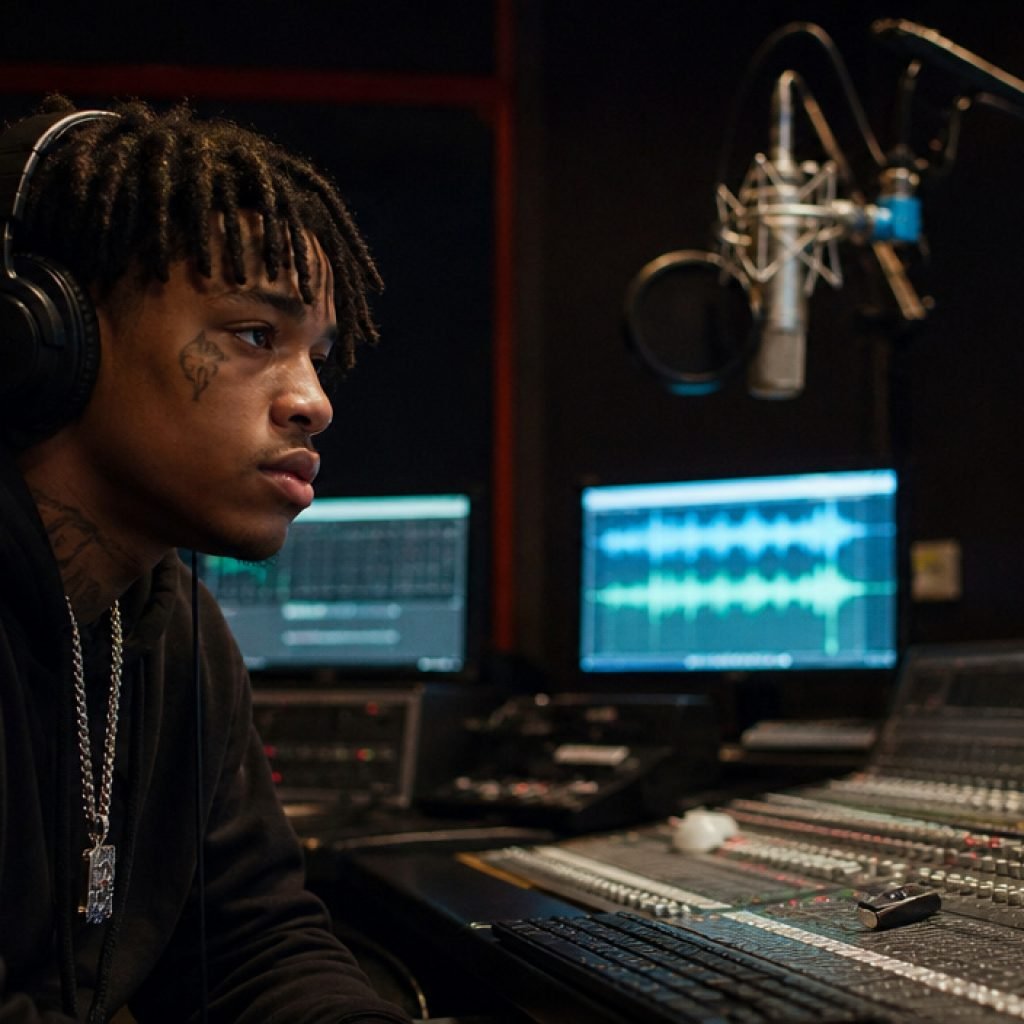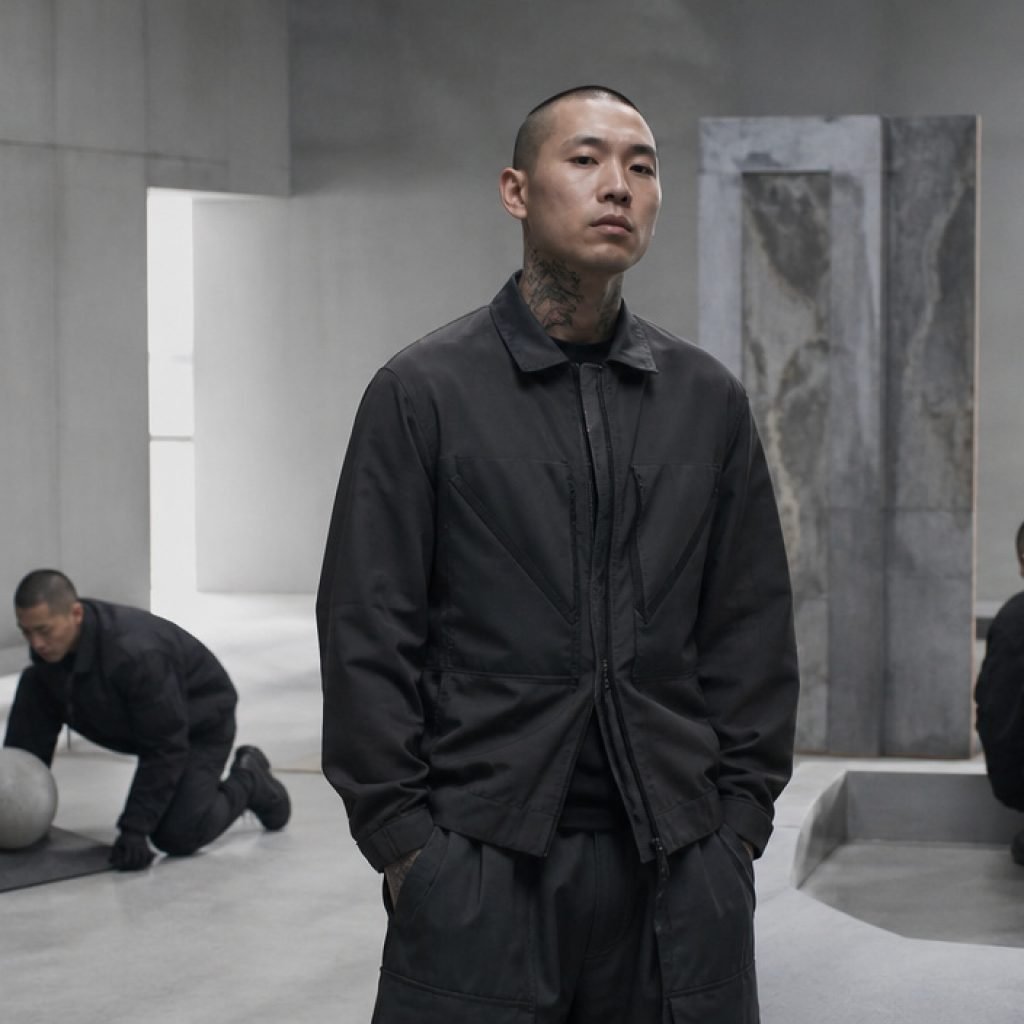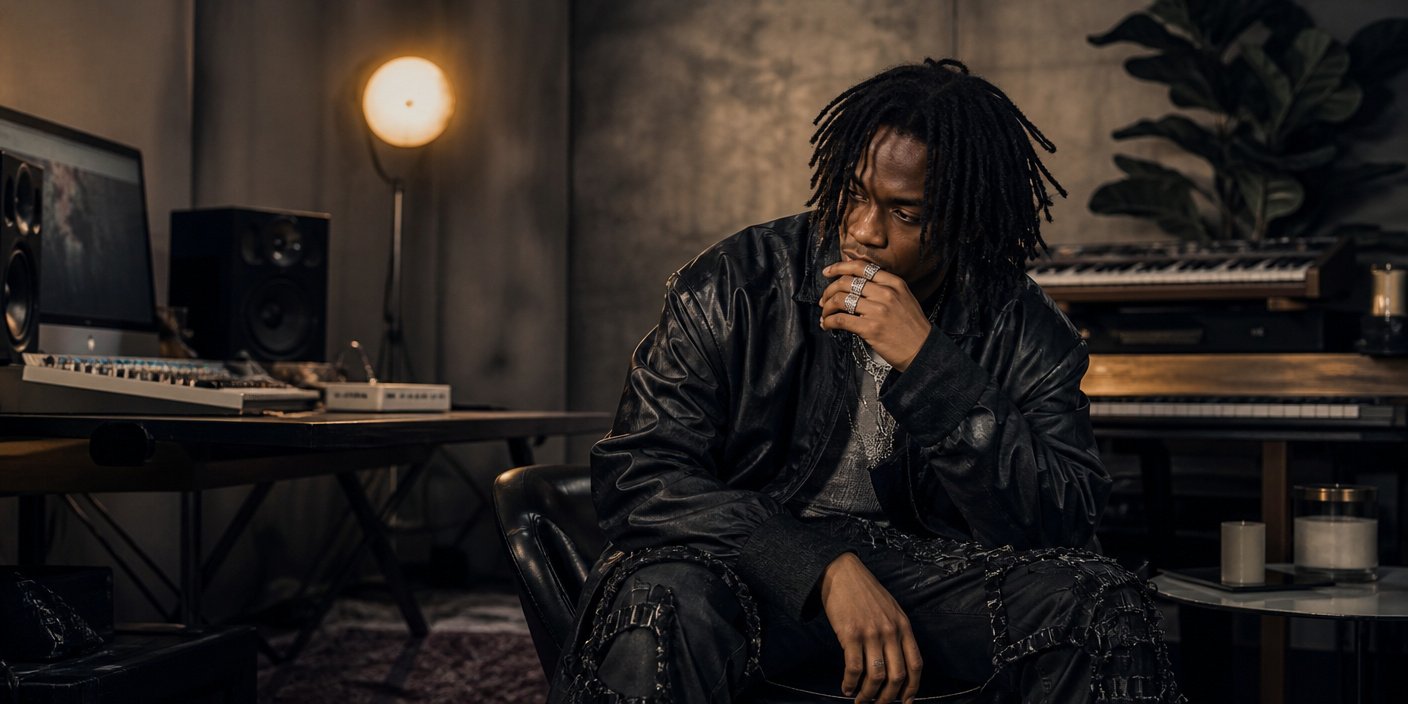
The rapid ascent of the single “Wick Mode” serves as a definitive marker in the career of HARLEM, an emerging force in the alternative hip-hop scene. By seamlessly blending high-concept visual storytelling with raw, introspective lyricism, the artist has managed to cut through the digital noise, securing his position as one of the most compelling independent voices in the current music industry. This track is not merely a song; it is a manifestation of a broader multidisciplinary vision that challenges the traditional boundaries of what it means to be a hip-hop artist in the streaming era.
The ‘Wick Mode’ Phenomenon
At the core of HARLEM’s recent breakthrough is the sheer velocity at which “Wick Mode” has connected with listeners. While streaming numbers are often treated as mere metrics of popularity, in the case of this single, they represent a deeper engagement with the artist’s specific brand of sonic vulnerability. The track has officially surpassed all of HARLEM’s previous releases in total streams, a feat that points to a growing sophistication in his fanbase and an increased mastery of distribution channels.
From a technical standpoint, “Wick Mode” diverges from the aggressive, fast-paced rhythms that dominate commercial playlists. Instead, it leans into the “alternative” classification through atmospheric production choices—using space, silence, and layered, textural elements to create an immersive listening experience. This approach aligns with a broader industry trend where listeners are increasingly seeking “mood-based” music that serves as a backdrop to their own introspective moments, rather than just high-energy club anthems.
A Multidisciplinary Creative Philosophy
HARLEM’s approach to his artistry is rarely singular. For him, the audio component is only one piece of a complex creative puzzle that includes high-fashion sensibilities and sophisticated visual storytelling. This “multidisciplinary approach” is not a marketing gimmick; it is a fundamental pillar of his brand identity.
In an era where the visual presentation of an artist is as critical as the sound they produce, HARLEM has successfully integrated his fashion aesthetic into his musical identity. Whether through editorial-style social media presence or the meticulous visual direction of his music videos, he treats every touchpoint as an extension of the song. This synergy allows him to exist comfortably in the spaces between high-fashion couture and grassroots hip-hop, attracting a diverse audience that might not typically overlap. This “cross-pollination” of styles is key to his trajectory, allowing him to be featured in contexts that extend beyond traditional music blogs, reaching into lifestyle, art, and streetwear publications.
The Power of Introspective Lyricism
Beyond the visuals and the beats, the lyrical content of “Wick Mode” stands out for its unabashed vulnerability. Modern alternative hip-hop has seen a significant shift toward mental health awareness and personal struggle, and HARLEM occupies this space with authenticity. His verses are less about the braggadocio often associated with the genre and more about the interior life of the artist. By tackling themes of personal growth, the pressure of expectations, and the creative process itself, he builds a rapport with his audience that feels personal and direct.
This introspective nature is a strategic choice. In a market saturated with generic lyrical content, listeners are gravitating toward artists who act as mirrors for their own experiences. HARLEM’s ability to articulate the “internal chaos” of the creative spirit resonates deeply, turning casual listeners into loyal followers. This is the primary reason for the sustained success of his latest project: it feels honest.
Mapping the Future of Independent Hip-Hop
The success of “Wick Mode” also invites a broader discussion about the state of independent hip-hop in the modern streaming ecosystem. HARLEM represents a new breed of artist who leverages “Alternative Hip-Hop” not as a sub-genre, but as a methodology. By maintaining creative control over his output, he is able to avoid the dilution of his brand that often occurs with major-label interference.
Looking ahead, the questions surrounding HARLEM’s career are focused on sustainability. Can he continue to maintain this “creative vision” as he scales to larger audiences? The pressure to conform to commercial expectations is the greatest threat to his current trajectory. However, if his current success is any indicator, his audience values the specific, idiosyncratic elements that make his work unique. If he continues to prioritize the marriage of fashion, visual art, and deeply human lyricism, he is poised to become a defining figure in the next wave of independent alternative hip-hop. The “Wick Mode” record is likely just the starting point of a more extensive, multi-year creative rollout that will define the narrative of his career for years to come.