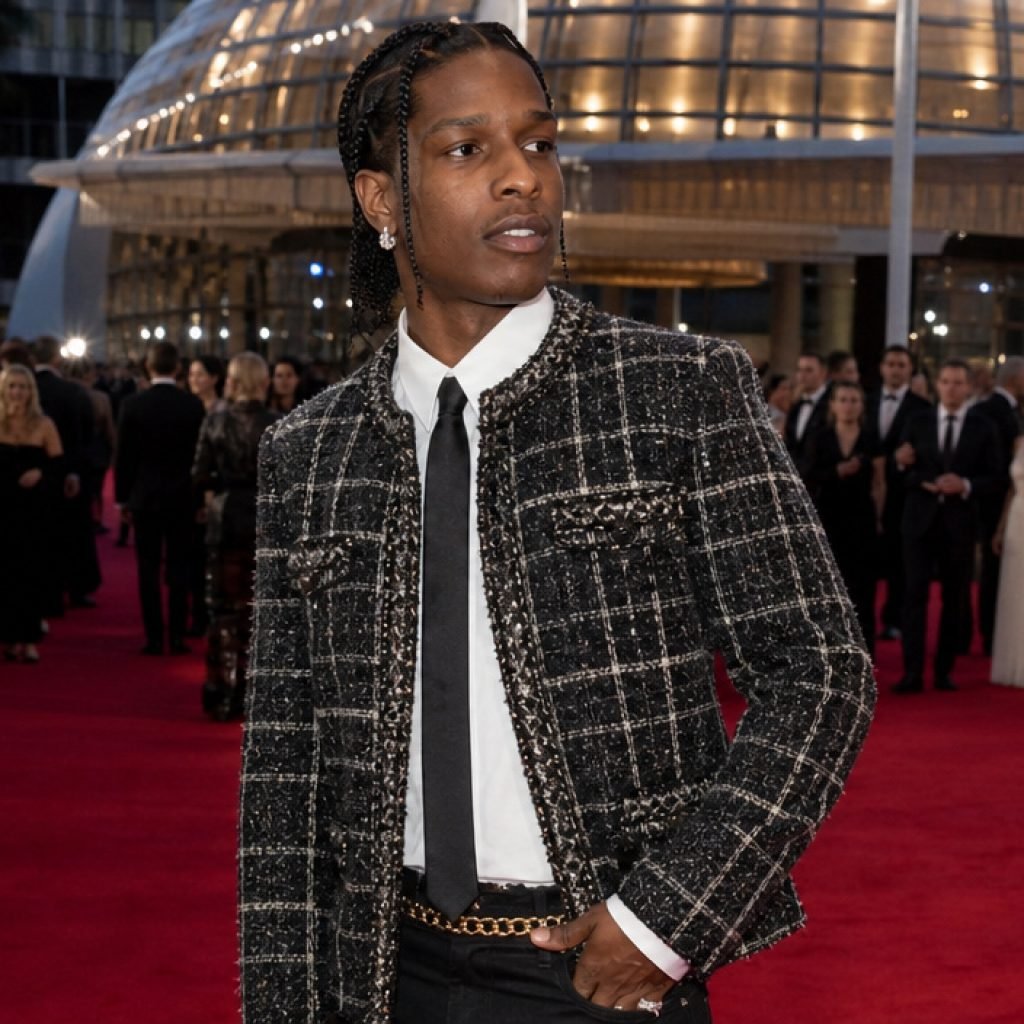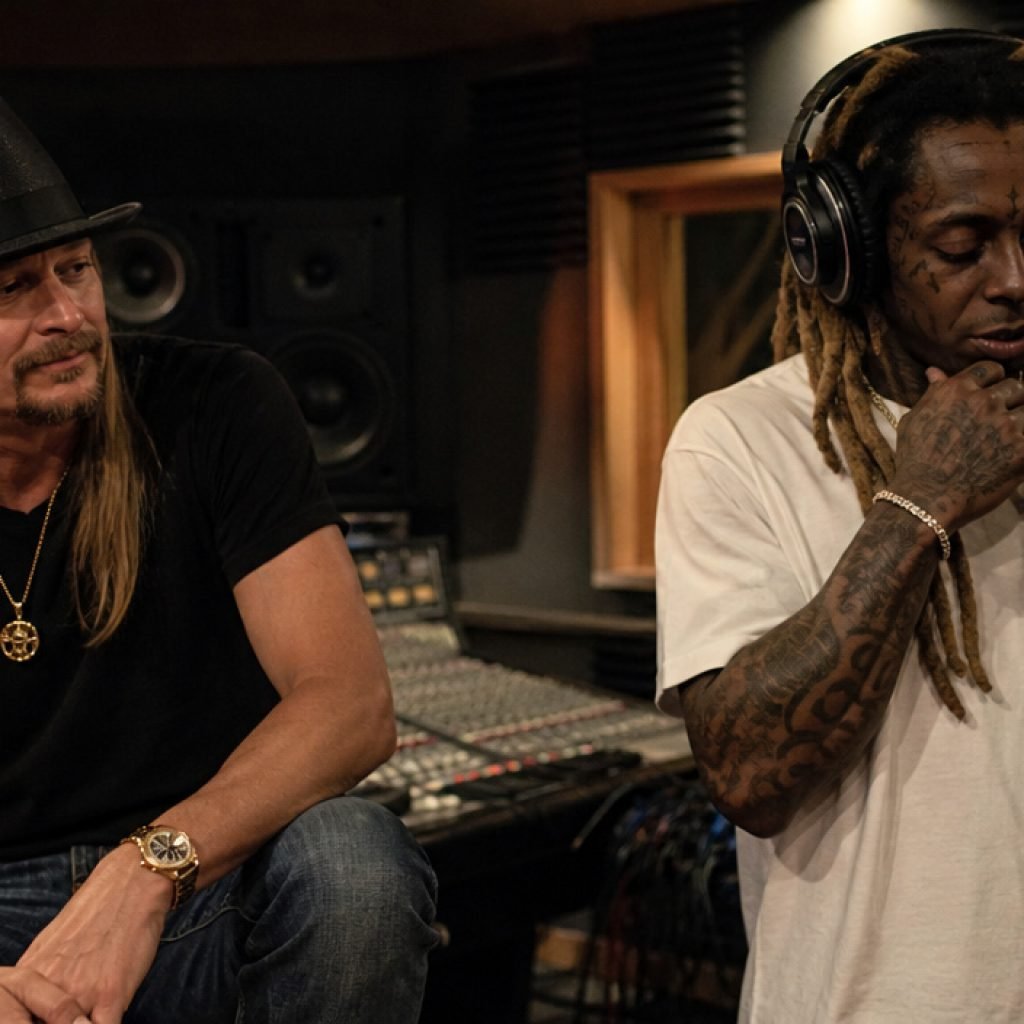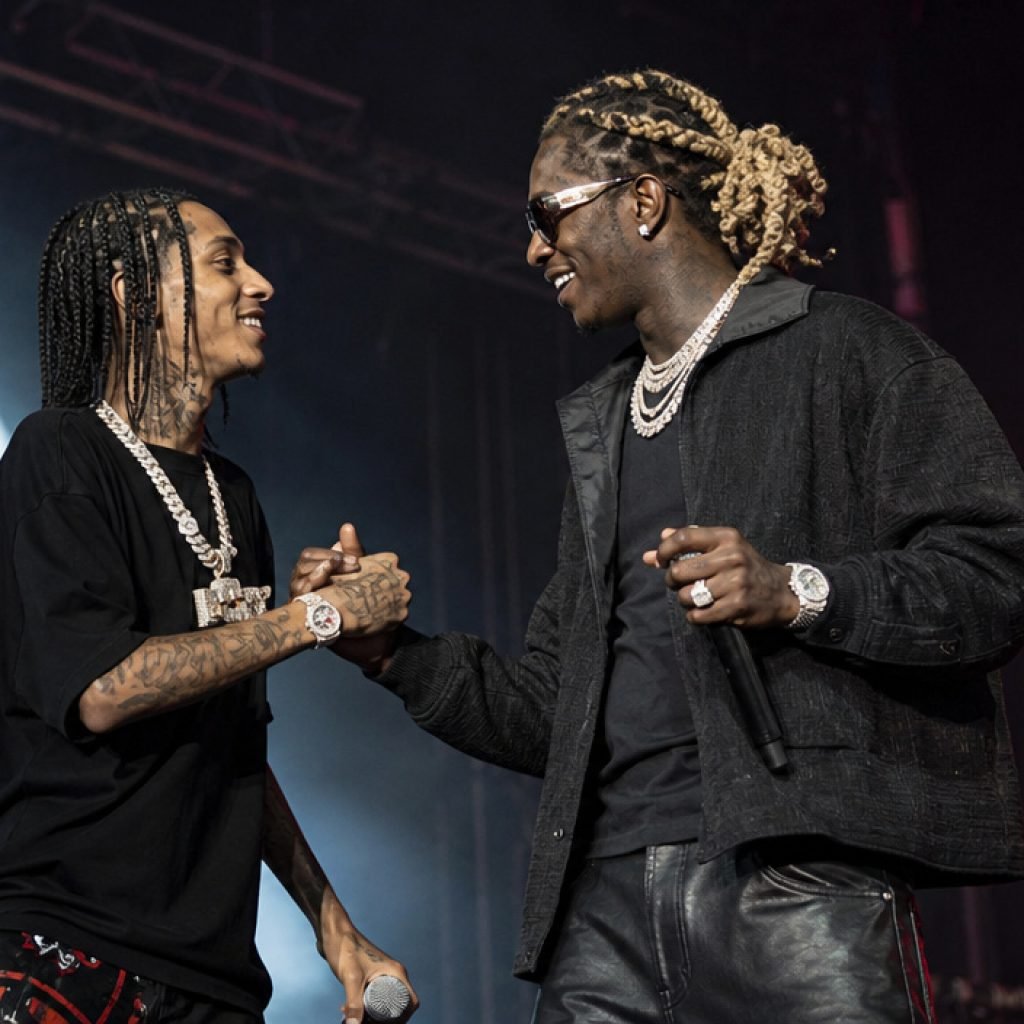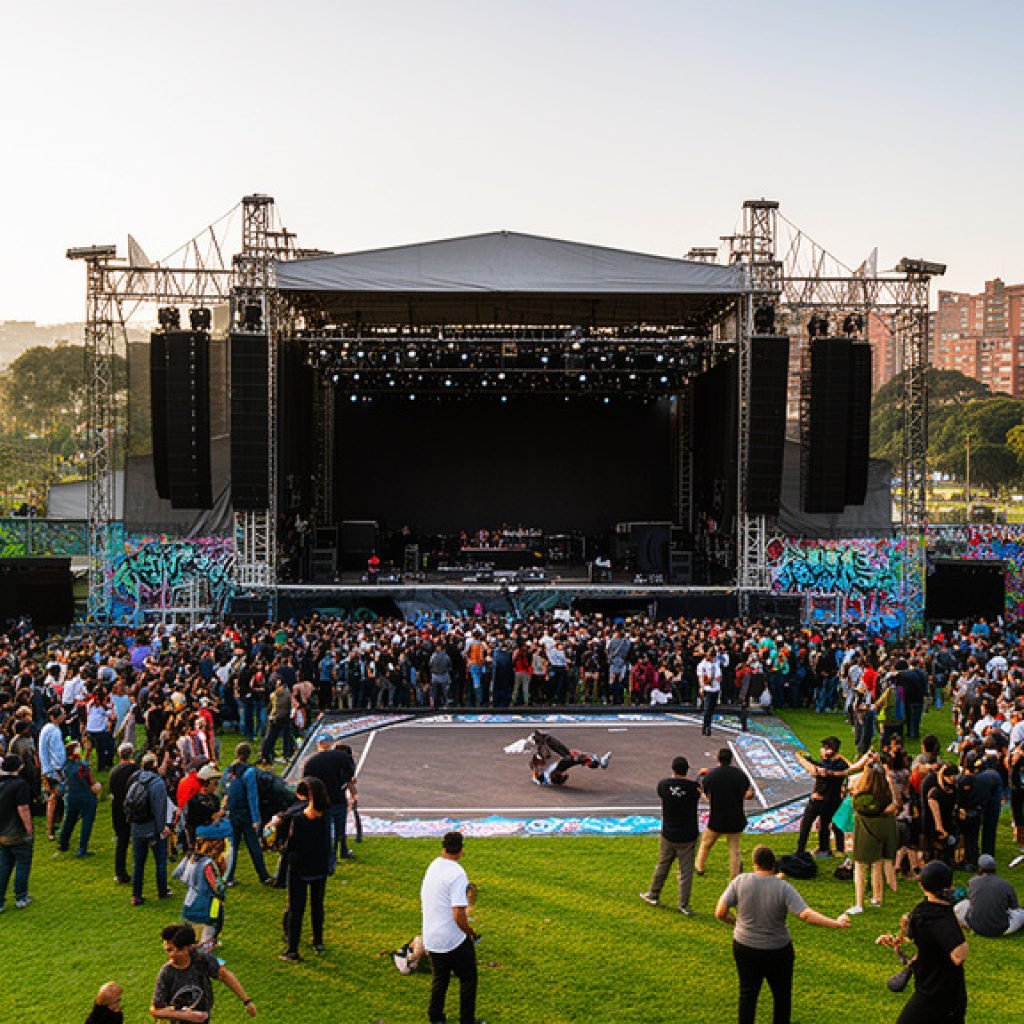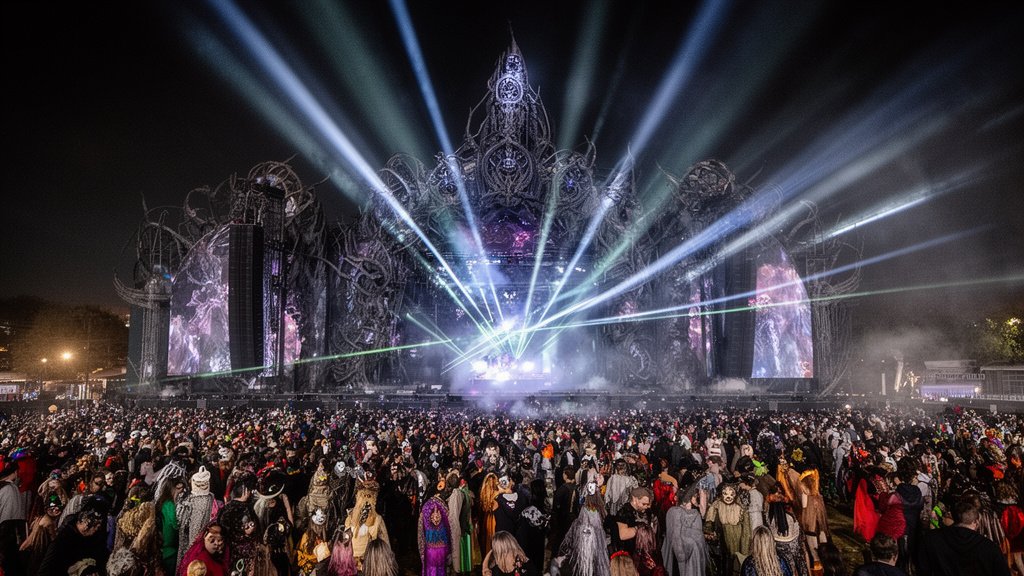
As the calendar turns toward October, the city of Austin, Texas, is bracing for a massive influx of sound and spectacle. Freaky Deaky 2026 has officially locked in its dates for October 30-31, promising a high-voltage Halloween weekend that bridges the gap between the gritty energy of modern hip-hop and the immersive soundscapes of the electronic music world. This festival, a cornerstone in the seasonal touring circuit, returns to Austin with a promise to redefine the Halloween live-music experience through enhanced production values and a diverse, cross-genre lineup designed to capture the city’s eclectic music-loving demographic.
Key Highlights
- Festival Dates: The event is scheduled to run from October 30 to October 31, 2026, perfectly timed for the Halloween holiday weekend.
- Genre Fusion: The festival core features a deliberate mix of mainstream hip-hop and high-energy electronic dance music (EDM), catering to a broad musical appetite.
- Location Context: Austin, Texas, serves as the host city, leveraging its status as a global hub for live music and festival tourism.
- Production Focus: Organizers are prioritizing immersive stage design and Halloween-themed aesthetics to create a unique seasonal atmosphere.
The Pulse of Austin: A Music City Halloween
Austin has long solidified its reputation as the “Live Music Capital of the World,” but the inclusion of specialized seasonal festivals like Freaky Deaky 2026 represents a maturing of the city’s event economy. By anchoring a major festival on the Halloween weekend, the organizers are not only catering to local residents but are also intentionally tapping into the regional tourism market. The economic ripple effects of such an event—spanning hospitality, local transport, and the gig economy—are expected to be substantial.
The Intersection of Hip-Hop and Electronic Music
One of the most compelling aspects of the 2026 iteration is the strategic focus on genre fluidity. Historically, festivals often siloed their artists into rigid categories, but the modern consumer landscape demands a more dynamic approach. The fusion of hip-hop and electronic dance music (EDM) is a trend that has accelerated significantly over the last half-decade. Both genres share a common language: heavy bass, rhythmic complexity, and an emphasis on collective movement.
Industry analysts note that this hybrid model is increasingly profitable. By booking acts that appeal to fans of both rap and techno, festivals can expand their ticket-buying demographic. At Freaky Deaky 2026, attendees can expect to see rap artists who utilize heavy electronic production alongside DJs who integrate vocal-heavy samples and hip-hop cadences into their sets. This blurring of lines isn’t just a marketing tactic; it is an evolution of how fans consume live music. It creates a cohesive, high-energy environment where the transitions between sets are smoother and the audience engagement remains consistently high.
Economic and Infrastructure Impact
Hosting a festival of this magnitude requires a complex infrastructure. The logistics involved in a two-day event on a holiday weekend are immense, requiring coordination with local authorities, emergency services, and transportation networks. The economic impact on Austin’s downtown and surrounding areas is traditionally high. Hotels in the immediate vicinity of the venue typically report near-maximum occupancy rates, while local restaurants and bars see a surge in foot traffic.
However, this economic boon comes with responsibilities. The city and organizers must balance the noise ordinances and public safety measures with the desire to host a loud, late-night event. According to local urban planning experts, the success of Freaky Deaky 2026 will likely be measured not just by ticket sales, but by the efficiency of the festival’s waste management, security protocols, and traffic dispersal strategies. For Austin, maintaining its status as a premier festival destination requires proving that it can host large-scale, high-intensity events without disrupting the daily lives of its residents.
Designing the Immersive Experience
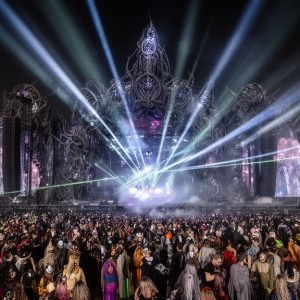
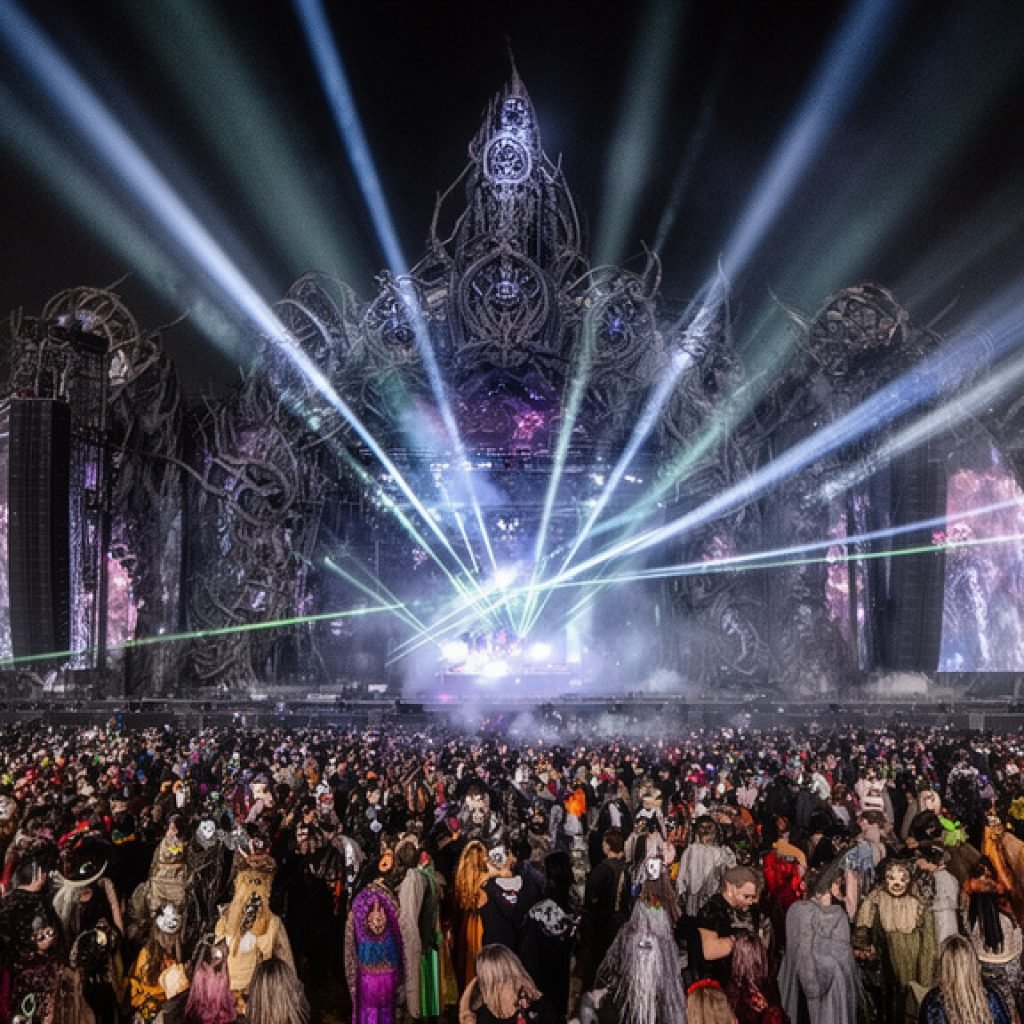
What differentiates Freaky Deaky from a standard concert is the commitment to a thematic narrative. The Halloween aesthetic is not merely a backdrop; it is integrated into the production design. From the lighting rigs that simulate eerie, atmospheric environments to the stage architecture that incorporates structural nods to the occult and the macabre, the festival aims to transport attendees into a different reality.
This trend toward “immersive festivals” is the current standard for high-end production. It is no longer enough to have a high-quality sound system. To compete in the crowded festival market, events must offer a multisensory experience. This includes interactive art installations, high-definition visual mapping, and a curated atmosphere that encourages attendees to participate in the Halloween tradition through costume and performance. For the 2026 event, organizers are rumored to be upgrading their visual assets, focusing on laser technology and holographic projection to deepen the “freaky” aspect of the experience.
The Future of Festival Tourism
Looking toward the future, the success of this event in Austin might serve as a bellwether for the rest of the industry. As the post-pandemic festival boom levels off, the market is becoming more discerning. Events that offer a unique identity—such as a specific holiday tie-in, a cross-genre lineup, or a highly curated location experience—are the ones that retain customer loyalty. Freaky Deaky, by cementing its place in the Austin calendar, is moving beyond being a “touring festival” and becoming a “destination event.”
This shift is crucial. It changes the nature of the audience from local drop-ins to dedicated “festival pilgrims” who travel specifically for the occasion. This shift dictates that the marketing and production must be top-tier, as these travelers are investing significant capital in travel, accommodation, and tickets. The 2026 edition of Freaky Deaky is set to test whether this model of destination-specific, thematic music festivals is sustainable in a market that is increasingly sensitive to inflation and economic uncertainty.
FAQ: People Also Ask
What are the official dates for Freaky Deaky 2026?
Freaky Deaky 2026 is scheduled to take place on October 30-31, 2026, coinciding with the Halloween weekend.
What genres of music can I expect at the festival?
The festival is specifically curated to feature a fusion of hip-hop and electronic music, offering a mix of rap artists and various sub-genres of electronic dance music.
Where is the festival located?
The festival is hosted in Austin, Texas. Fans are encouraged to check the official festival website for specific venue details and location updates as the event approaches.
Is the festival strictly 18+ or all ages?
While specific age restrictions are subject to final venue permits, most large-scale festivals of this nature are typically 18+ or 21+ for entry. Always check the official event policy before purchasing tickets.
How does the Halloween theme impact the festival experience?
The theme is central to the event, with organizers emphasizing immersive stage design, themed production elements, and audience participation through costumes, creating a unique, seasonal atmosphere distinct from standard music concerts.