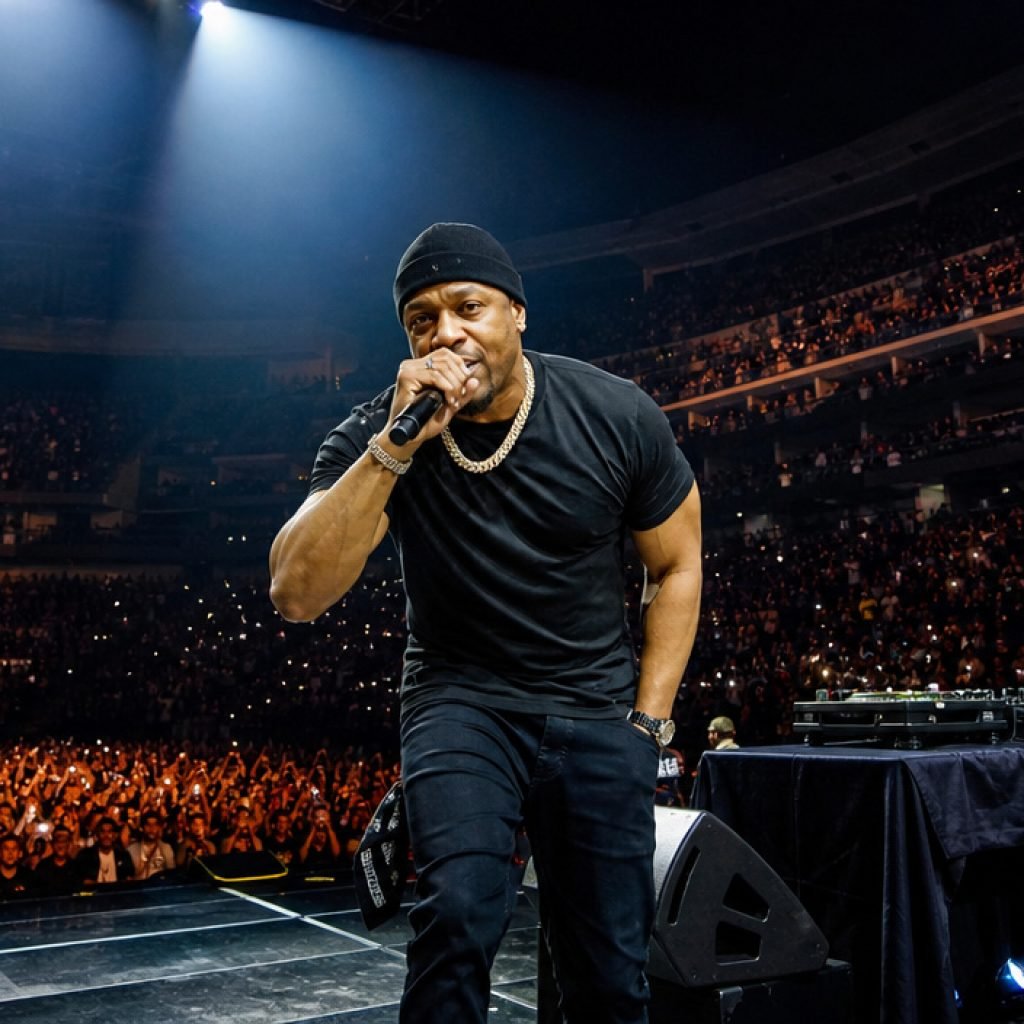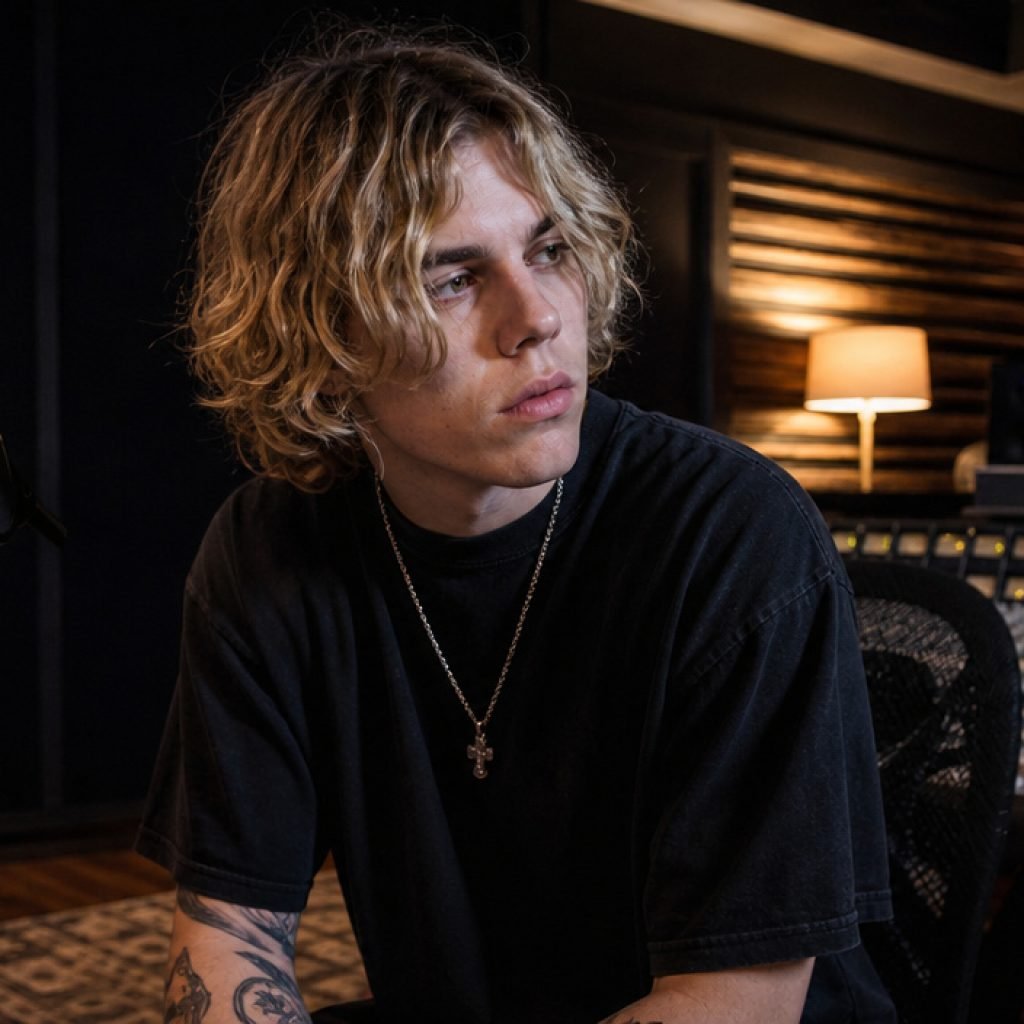
The legal saga surrounding Torrence Hatch Jr., professionally known as Boosie Badazz, has reached a definitive conclusion in Harris County, Texas. A local grand jury has officially declined to indict the Baton Rouge-born rapper, effectively clearing him of all charges stemming from an arrest at the Dome Nightclub in Houston. This decision brings a formal end to the legal uncertainty that has shadowed the artist since the incident in June 2023, representing a major hurdle cleared for the influential hip-hop figure.
The Grand Jury Decision and Legal Implications
The resolution comes after prosecutors presented evidence to a grand jury regarding the events of June 2023, where Boosie Badazz was accused of unlawful carry of a weapon—specifically a charge of a felon in possession of a firearm. In the Texas legal system, a grand jury serves as a filter, determining whether there is sufficient probable cause to proceed with a formal criminal trial. By returning a ‘no bill’—the colloquial term for a grand jury’s refusal to indict—the panel has signaled that the prosecution failed to meet the necessary evidentiary threshold to move forward.
For an artist of Boosie’s stature, legal entanglements often carry significant career ramifications. This dismissal serves as a crucial exoneration, alleviating the immediate threat of incarceration related to this specific Texas case. While the rapper has faced complex federal and state legal scrutiny across different jurisdictions over the past few years, this particular victory in Harris County allows for a refocusing on his musical endeavors and business ventures without the impending pressure of a felony trial in the Lone Star State.
Breakdown of the Dome Nightclub Incident
The events in question occurred in the summer of 2023, when Houston law enforcement units encountered the rapper at the Dome Nightclub. The interaction escalated, resulting in the rapper’s arrest and subsequent booking on charges related to possessing a firearm despite his prior felony record. At the time of the arrest, the incident drew significant media attention, largely due to Boosie’s massive social media presence and his outspoken nature regarding law enforcement and the justice system.
Throughout the investigation, Boosie’s legal team emphasized his rights and challenged the circumstances surrounding the police encounter. The case highlights the frequent friction between high-profile public figures and law enforcement, particularly in major metropolitan areas where scrutiny of celebrity activity is heightened. The successful challenge of the indictment suggests that the defense was able to effectively dismantle the state’s narrative during the pre-trial proceedings.
Secondary Angles: Examining the Legal Landscape for Artists
To understand the gravity of this situation, one must look beyond the immediate headline and analyze the broader context of the rap industry’s interaction with the American legal system.
1. The ‘Celebrity Target’ Phenomenon
Boosie has frequently spoken out on the concept of being a ‘target’ for law enforcement. This case provides a tangible example of the tension between legitimate police work and what critics argue is systemic over-policing of hip-hop artists. Whether or not one subscribes to the idea of targeted harassment, it is undeniable that artists are often subject to a higher standard of scrutiny in public spaces. The dismissal of these charges will likely reinforce the rapper’s narrative regarding his perceived unfair treatment by the system.
2. Texas Firearm Legislation and Convicted Felons
This case also sheds light on the stringent nature of Texas law regarding firearm possession. Texas is known for its permissive gun laws for the general public, but for individuals with prior felony convictions, the ‘felon in possession’ statutes are notoriously strict and aggressively prosecuted. The fact that the grand jury declined to indict indicates a rare, successful pushback against this rigid enforcement, highlighting the nuances of legal representation in high-stakes criminal defense.
3. Brand Resilience in the Face of Litigation
Finally, the economic and branding aspect of this resolution cannot be ignored. Boosie Badazz has successfully turned his legal challenges into a core component of his brand identity. By consistently documenting his court appearances, legal fees, and personal frustrations via social media, he has maintained a highly engaged audience. This victory serves as a ‘win’ that his fanbase can rally behind, further solidifying his image as someone who can navigate and survive the machinery of the legal system.
Future Outlook: What This Means for Boosie Badazz
With the Houston charges officially behind him, the focus now shifts to how Boosie will leverage this momentum. Historically, the rapper has utilized legal resolutions as a catalyst for creative output. As he moves forward, industry analysts will be watching to see if he engages in more large-scale touring, potential collaborations, or even a transition into independent film or media projects, which he has previously teased. The removal of this legal weight provides the necessary breathing room for him to execute these strategic career moves.
Ultimately, this case is a reminder of the volatile intersection of celebrity and law enforcement. While the Dome Nightclub incident has been resolved in his favor, it remains a defining chapter in his ongoing navigation of public life and private legal battles. For now, Boosie Badazz remains free and clear, looking toward the next phase of his career.