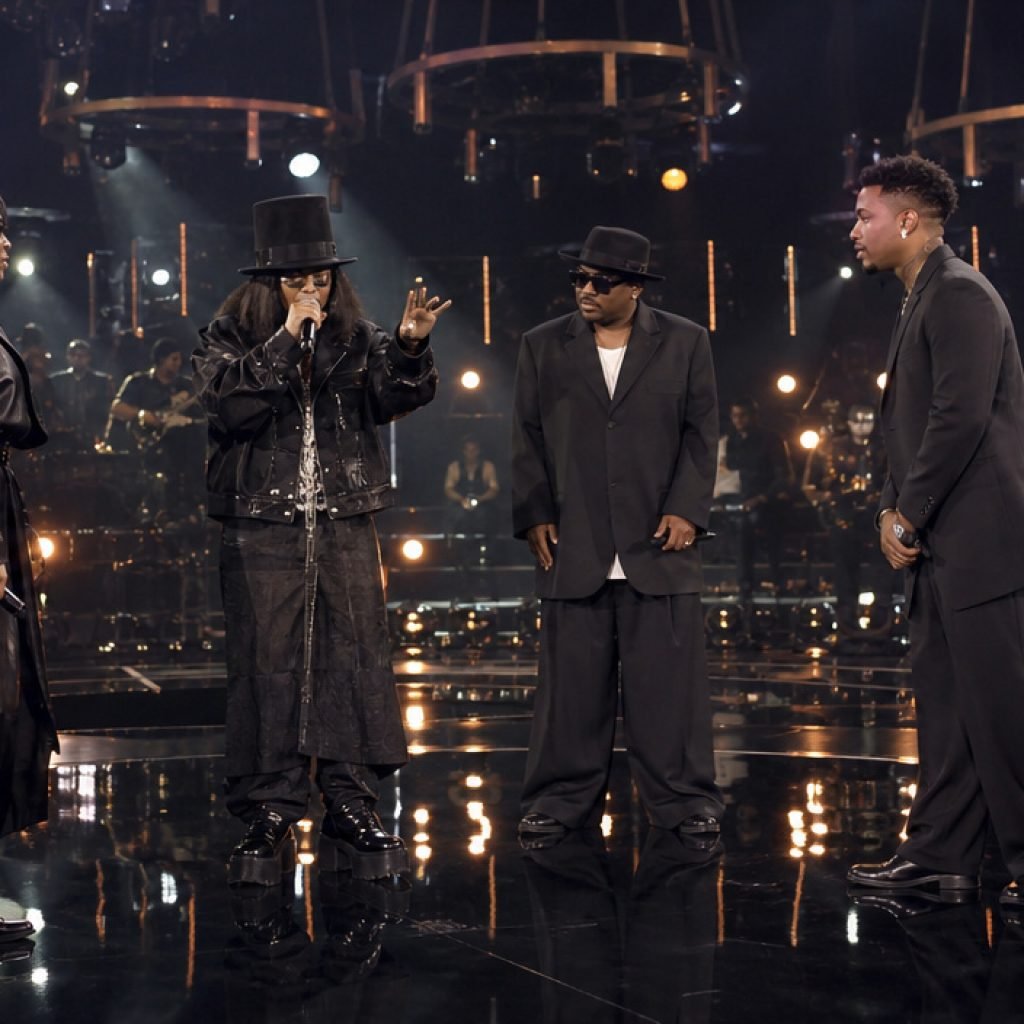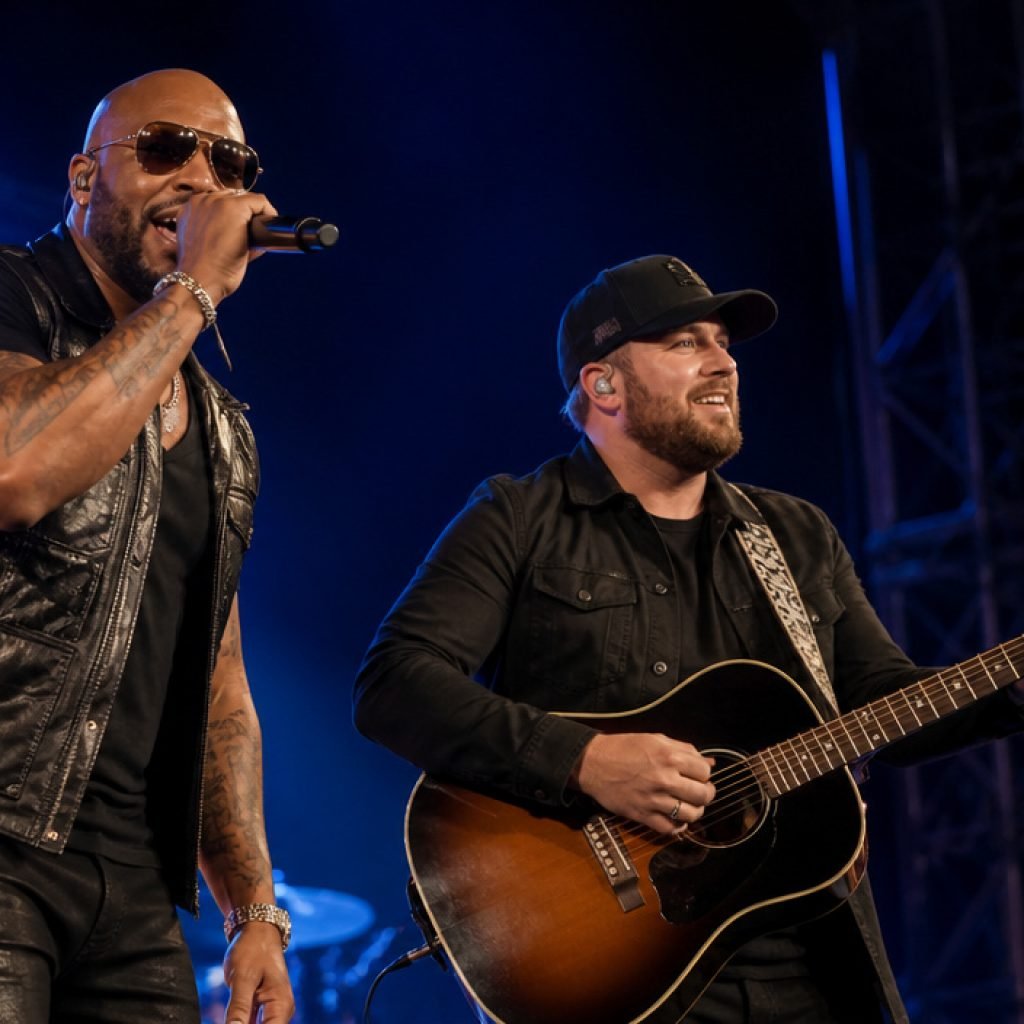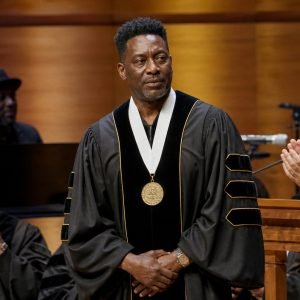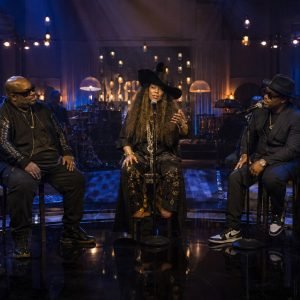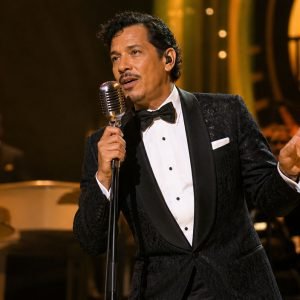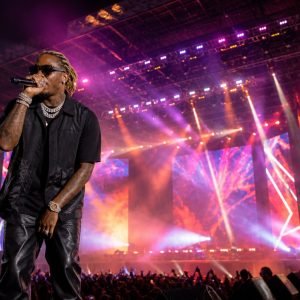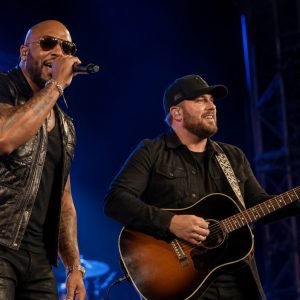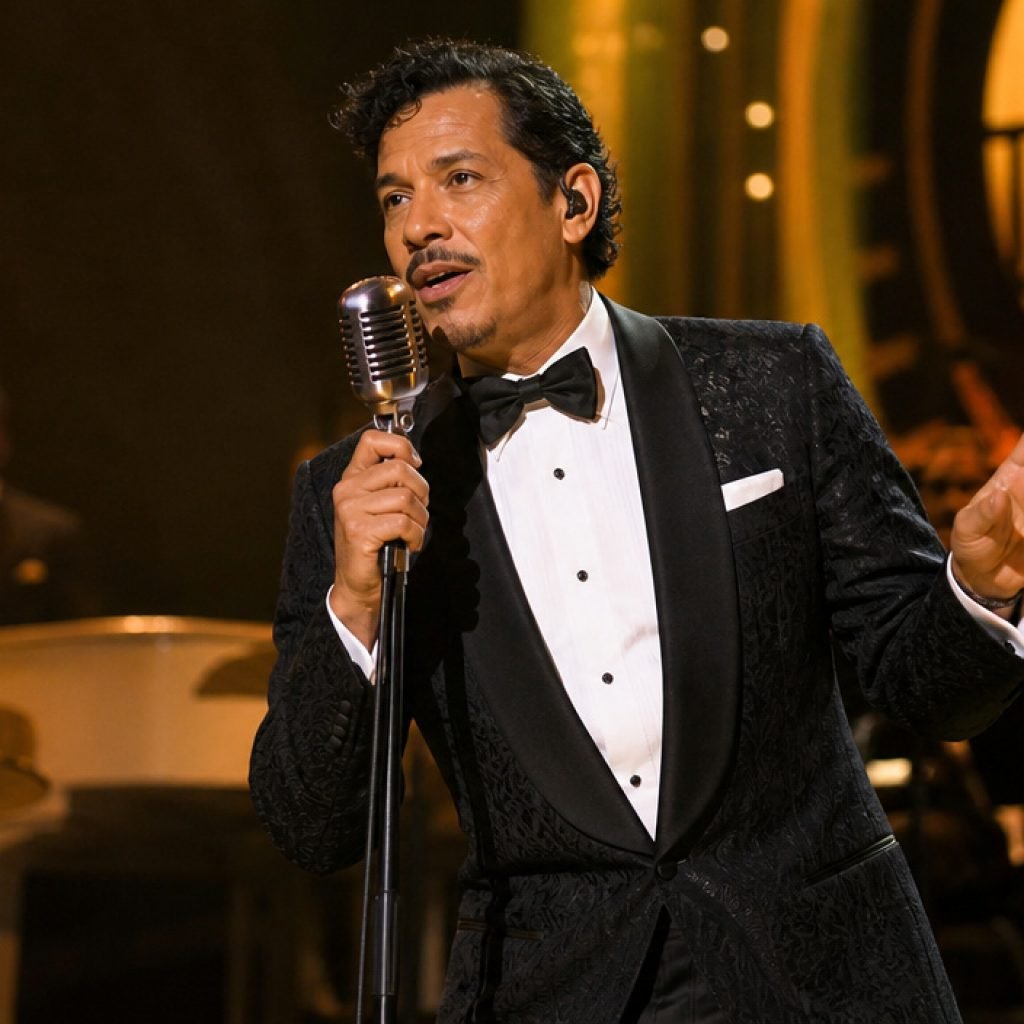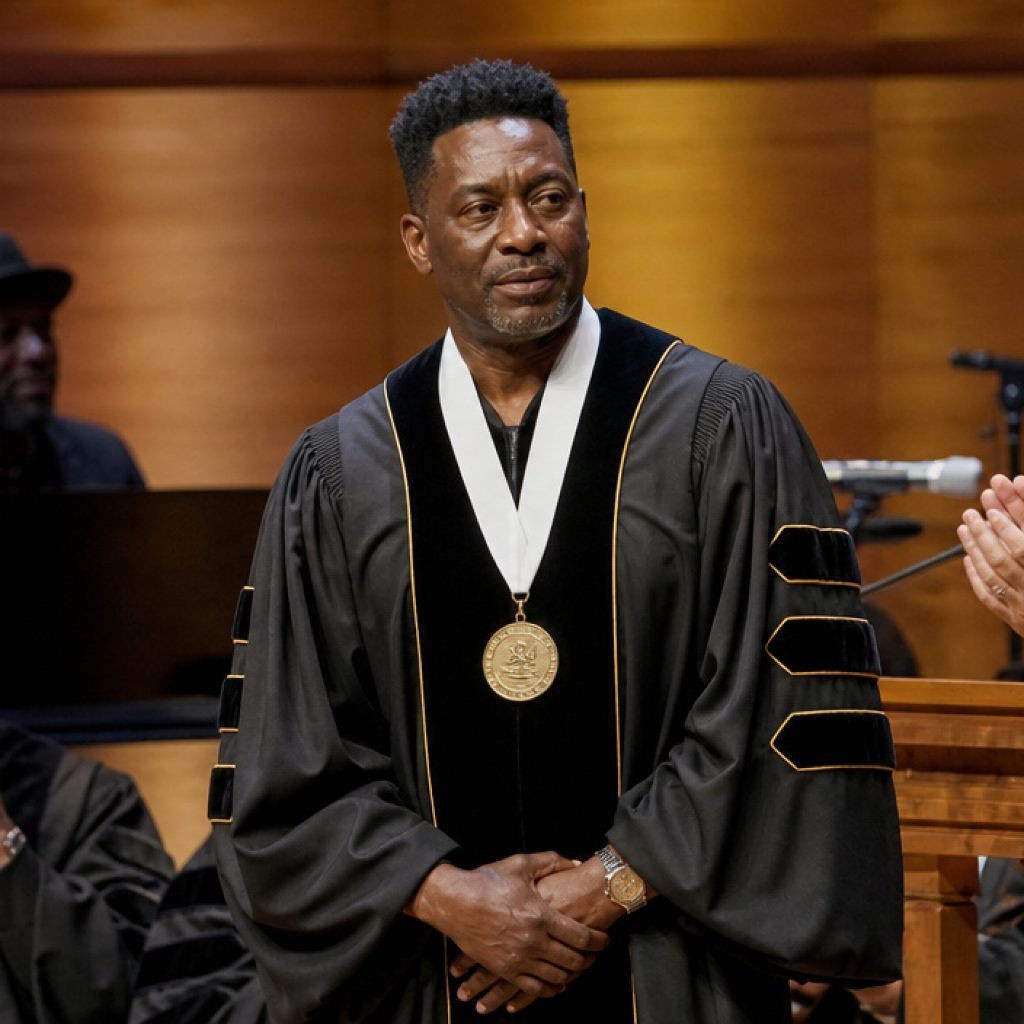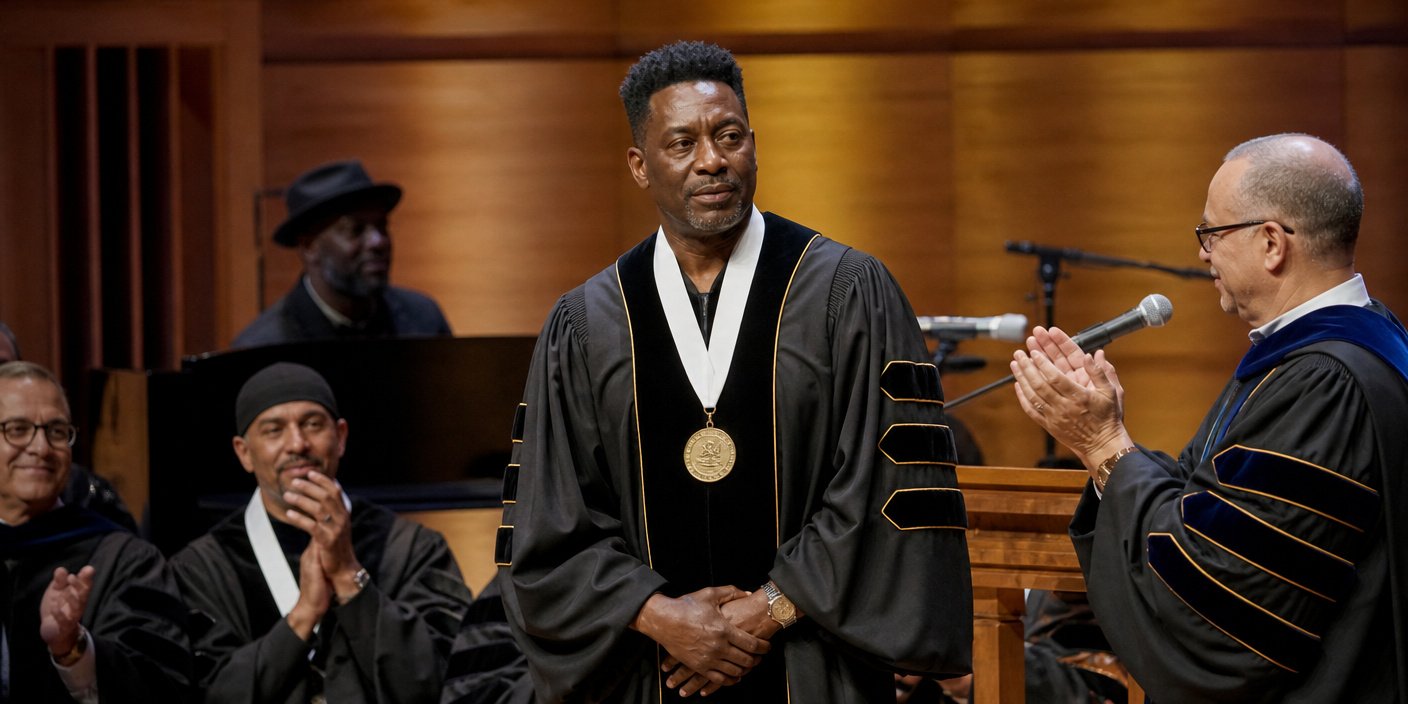
Hip-hop pioneer Big Daddy Kane was honored as the latest inductee into the Berklee College of Music’s Hip-Hop Hall of Fame on November 19, recognizing his 40-year legacy and contributions to the culture during a celebratory ceremony. The induction solidifies Kane’s status not just as a commercially successful rapper, but as an architect of the genre’s technical evolution—a figure whose influence spans from the golden era of the late 1980s to the contemporary musical landscape.
Key Highlights
- Date of Induction: November 19, marking a historic moment for the Berklee Hip-Hop Hall of Fame.
- Legacy Honored: The ceremony recognized Big Daddy Kane’s 40-year career, covering his rise from the Juice Crew to his status as a legendary lyricist.
- Academic Validation: The event underscores the shift in higher education, with institutions like Berklee placing hip-hop on the same pedagogical pedestal as jazz and classical music.
The Architect of Flow: Kane’s Lasting Impact on Lyricism
The induction of Big Daddy Kane into the Berklee College of Music’s Hip-Hop Hall of Fame serves as a profound acknowledgement of the evolution of the genre’s technical craft. For over four decades, Kane, born Antonio Hardy, has stood as a primary example of the ‘golden era’ virtuoso. His entry into this specific Hall of Fame is not merely an accolade for record sales or cultural fame, but a formal recognition by music theorists and practitioners of his unique contributions to the rhythmic and structural foundations of rap.
The Evolution of a Lyricist: Four Decades of Mastery
When Big Daddy Kane burst onto the scene in the late 1980s, primarily through his association with Marley Marl and the legendary Juice Crew, he fundamentally altered the expectation of what a rapper could do. Prior to his emergence, rhyme patterns were often simpler, favoring AABB structures. Kane introduced a complex, multi-syllabic flow that seemed to defy the breath control limitations of the era. By the time he released his debut album, Long Live the Kane (1988), he had already established a blueprint for the ‘lyrical miracle’ style that would later influence artists ranging from Jay-Z to Eminem. The Berklee recognition highlights his ability to adapt; he did not remain a static figure of the 80s but continued to perform with precision, proving that his technical capabilities were timeless.
The Institutionalization of Hip-Hop Culture
Berklee College of Music, widely regarded as one of the world’s foremost music conservatories, has made significant strides in treating hip-hop as a rigorous academic subject. By inducting Kane, the college is signaling to the music industry that hip-hop is a complex art form with its own sophisticated history, composition techniques, and cultural lineage. This is a crucial secondary angle: the transition of hip-hop from a counter-cultural phenomenon to an institutionally preserved academic discipline. Students at Berklee now analyze the rhythmic cadences of the Juice Crew and the production techniques of the era with the same intensity as they would analyze Miles Davis or Bach. This ceremony bridges the gap between the streets of Brooklyn and the halls of academia, validating the ‘storytelling’ aspect of rap as high art.
Technical Precision: Why Kane Remains the Blueprint
To understand why Berklee would choose Kane, one must look closely at the ‘Kane flow.’ It was defined by speed, but more importantly, by the ‘internal rhyme.’ Kane rarely left a line hanging at the end; he wove rhymes throughout the middle of his bars, creating a cascading effect of sound. During the ceremony, the focus remained on his contribution to the ‘musicality’ of rap. Kane famously brought a stage presence—often involving sophisticated dance routines and a ‘smooth’ image—that combined R&B sensibilities with hard-hitting lyricism. This duality allowed him to capture audiences that might have otherwise found hip-hop inaccessible at the time, essentially expanding the genre’s demographic reach. His career represents a ‘professionalization’ of hip-hop performance that continues to influence how modern stadium-filling artists approach their craft.
FAQ: People Also Ask
What is the Berklee Hip-Hop Hall of Fame?
The Berklee Hip-Hop Hall of Fame is a prestigious recognition established by the Berklee College of Music to honor artists who have significantly contributed to the development and evolution of hip-hop culture. It aims to document and celebrate the genre’s history within a formal academic and musical context.
Why was Big Daddy Kane chosen for this honor?
Kane was selected for his 40-year legacy, which includes revolutionizing lyrical delivery, popularizing complex multi-syllabic rhyming, and his foundational role in the Juice Crew. His work is considered a benchmark for technical skill in hip-hop performance.
Does this induction change the perception of hip-hop in music schools?
Yes, it reinforces the legitimacy of hip-hop as a formal area of study. By inducting iconic figures into their Hall of Fame, Berklee signals that hip-hop belongs in music conservatories, providing students with a historical framework for the genre that is as vital as jazz or classical training.