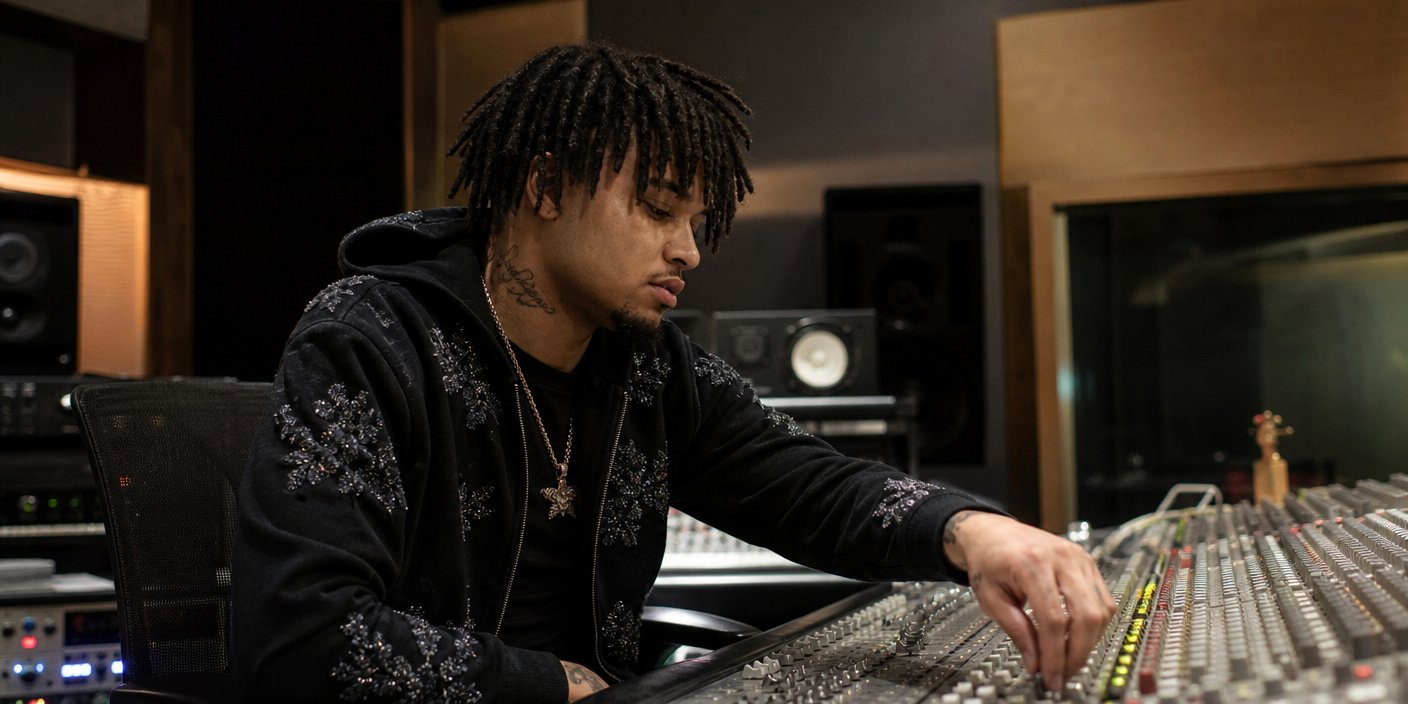
Pluggnb pioneer Summrs has officially dropped his highly anticipated studio album, ‘BADMAN,’ marking a defining moment in his career. The 17-track project, released on November 20, 2026, culminates a multi-month teaser campaign that has kept the underground hip-hop community on high alert since October. This release follows a strategic rollout that utilized snippet-driven marketing, a hallmark of the modern digital-first music industry.
Key Highlights
- Project Scope: ‘BADMAN’ is a 17-track studio album, showcasing a significant volume of new material.
- Release Timeline: The album officially launched on November 20, 2026, following a teaser phase that began in early October.
- Visual Accompaniment: The launch is supported by an accompanying music video, enhancing the album’s thematic rollout.
- Artistic Evolution: The project emphasizes the evolution of the Pluggnb genre, blending atmospheric production with signature vocal styles.
The Anatomy of the ‘BADMAN’ Rollout
A Calculated Digital Campaign
In the era of short-form content dominance, Summrs has mastered the art of the “slow burn” release. Since the initial teasers surfaced in October 2026, the artist has leveraged social media algorithms to build anticipation for ‘BADMAN.’ By dropping snippets across various platforms, he created a feedback loop where fan reactions directly influenced the final sequence of the album. This method is not merely marketing; it is a collaborative process where the listener base feels invested in the project before the first official single even drops. The 17-track length is strategically chosen to maximize replayability and streaming density, a common trend among successful independent artists seeking to dominate listener playlists.
The Pluggnb Sonic Landscape
Summrs remains one of the most recognizable faces of the Pluggnb genre—a sub-genre characterized by its hypnotic, synth-heavy production and R&B-influenced vocal deliveries. With ‘BADMAN,’ listeners are hearing a matured iteration of this sound. The production values have seen a marked increase in clarity and spatial design, moving away from the lo-fi aesthetic that defined the genre’s origins. Each track serves as a distinct chapter, maintaining a cohesive sonic identity while allowing for enough variation to keep 17 tracks from feeling monotonous. The interplay between the deep 808 bass lines and the ethereal, dream-like melodic loops creates a soundscape that is both energetic and introspective.
Visual Integration and Storytelling
The decision to accompany the album drop with a high-budget music video indicates a shift toward a more holistic approach to music consumption. The video, released in tandem with the album, serves as the visual anchor for the project. By aligning the aesthetic of the video with the themes of ‘BADMAN,’ Summrs is effectively curating a “world” for his listeners. This visual component is crucial in the current music ecosystem, where YouTube views and social media clips are just as important as Spotify streams for validating an artist’s cultural relevance. The cinematography reflects the darker, more aggressive tones of the album, contrasting with the melodic sweetness of the vocal delivery.
Analyzing the 17-Track Streaming Strategy
The choice to release a 17-track project is not accidental in the current streaming economy. Longer albums are frequently favored by platform algorithms, as they provide more opportunities for listener retention. By structuring ‘BADMAN’ with this length, Summrs maximizes the potential for “long-tail” streaming, where fans can listen to the album on repeat, thereby boosting his placement on algorithmic playlists. This is a savvy business move that balances artistic expression with the hard realities of music economics in 2026.
Historical Context and Underground Growth
To understand the significance of ‘BADMAN,’ one must look at the trajectory of the underground scene over the past five years. Summrs has transitioned from a SoundCloud curiosity to a defining voice that has influenced a generation of creators. His ability to maintain autonomy while scaling his reach is a model for independent musicians. This album serves as a ledger of his growth—both as a lyricist and as a project curator. The transition from the “Pluggnb pioneer” title to a more established, professional studio artist is evident in the polished mix and the deliberate sequencing of the album tracks.
Looking Toward 2027 and Beyond
With ‘BADMAN’ now in the wild, the focus shifts to how this project will define the artist’s upcoming tour dates and festival appearances. The 17 tracks provide a substantial catalog for live sets, allowing for dynamic transitions that cater to both day-one fans and newer listeners. As we look toward 2027, the success of this album will likely determine the artist’s leverage in future label negotiations and brand partnerships. The data points from the first week of streams will be critical, but the cultural impact is already solidified. The ‘BADMAN’ era has begun, and it signals a refinement of the Pluggnb sound that will likely influence copycats and contemporaries for the next 18 months.
FAQ: People Also Ask
Is ‘BADMAN’ available on all streaming platforms?
Yes, ‘BADMAN’ was released on November 20, 2026, and is available for streaming on all major digital service providers, including Spotify, Apple Music, and SoundCloud.
What genre does ‘BADMAN’ fall into?
The album primarily explores the Pluggnb genre, a hybrid sound known for combining Plugg production—characterized by minimalist trap drums and melodic synths—with R&B vocal melodies.
Did Summrs release any singles before the album?
Yes, the album was preceded by a series of single rollouts and social media teasers that began in early October 2026, building the necessary momentum for the full 17-track release.
Is there a music video for the project?
Yes, the release of ‘BADMAN’ is accompanied by a new music video that serves as the primary visual component for the album’s rollout.
Why does the album have 17 tracks?
The 17-track structure is a strategic choice designed to maximize listener retention and optimize performance on algorithmic streaming platforms, which is standard practice in the modern music industry.