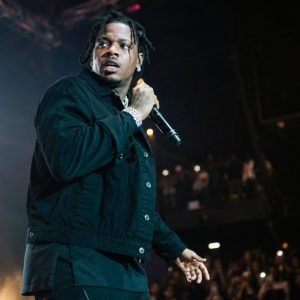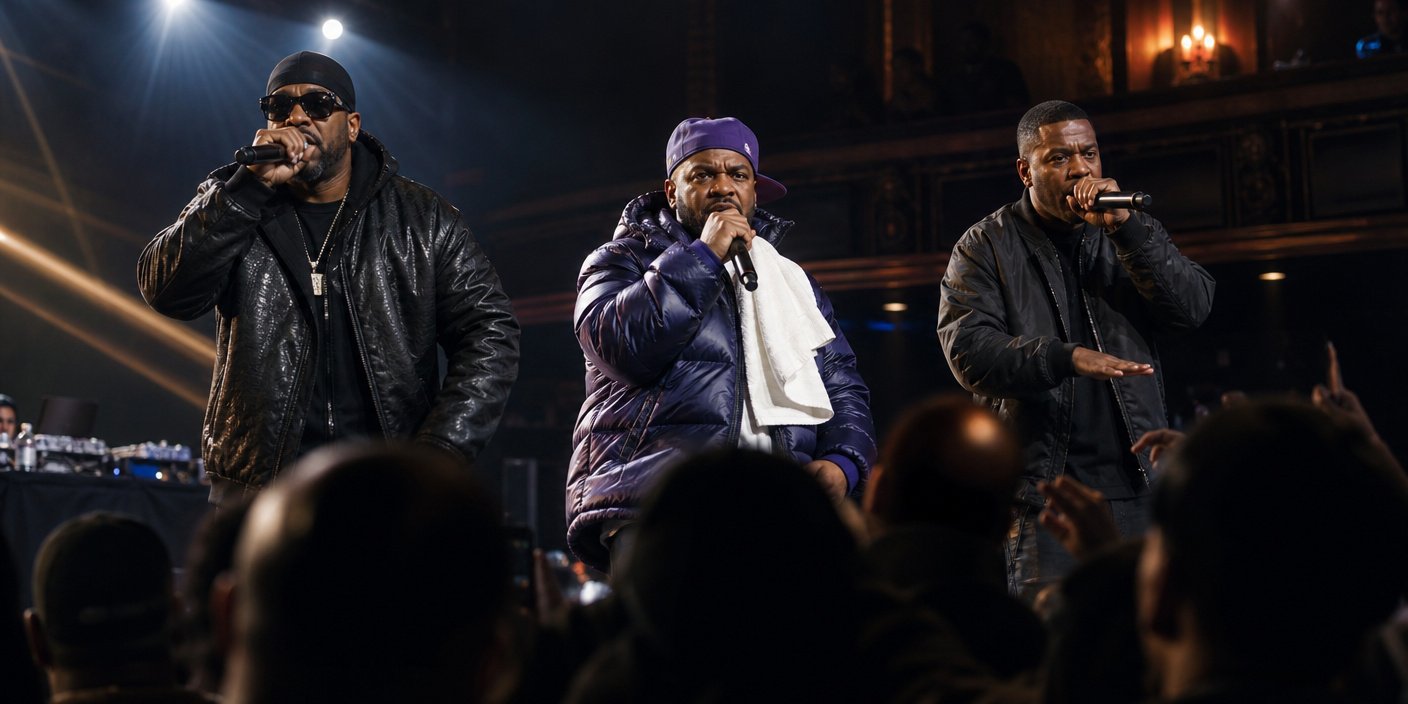
Ghostface Killah, Raekwon, and GZA have officially expanded their Los Angeles footprint, scheduling a second consecutive night at The Novo due to overwhelming ticket demand. The addition of this new date underscores the massive market viability of these Wu-Tang Clan legends, proving that the “legacy act” label is a misnomer for artists who continue to command significant cultural and commercial sway decades into their careers. Following the rapid depletion of inventory for the initial date, promoters have acted quickly to accommodate the surge in interest, solidifying this Los Angeles run as a marquee event in the city’s hip-hop calendar.
The Mechanics of the Expansion
The decision to add a second show at The Novo is rarely a spur-of-the-moment choice; it is a data-driven reaction to ticket velocity. In the modern concert economy, venue capacities are calculated with precision. When the initial allocation of tickets for the Wu-Tang triad sold out at a rate that exceeded the venue’s secondary market projections, the logical step for promoters was to capitalize on the momentum rather than leave potential revenue—and fans—on the table. This expansion is a testament to the “sticky” nature of the Wu-Tang brand. While younger artists often rely on viral digital moments, Ghostface, Raekwon, and GZA rely on a deep, multi-generational fan base that treats these performances as essential cultural pilgrimage sites.
The Novo: A Strategic Venue Choice
Choosing The Novo for this expansion is significant. Located in the heart of the L.A. Live district, the venue offers a specific type of intimacy that is often lost in stadium-sized tours. By opting for a mid-sized, high-production venue rather than a larger arena, the artists ensure a more visceral connection with the audience. This venue choice plays into the “Wu-Tang aesthetic”—gritty, focused, and lyrical-forward. The acoustics at The Novo allow for the intricate lyricism that defines the discographies of GZA (the “Genius”), Raekwon (the “Chef”), and Ghostface Killah (the “Wallabee Champ”) to land with the necessary clarity. It is not just about the volume of the crowd, but the quality of the engagement.
The Synergy of the Trio
Why this specific combination? While the full Wu-Tang Clan reunion is a rare and monumental spectacle, the trio format allows for a more focused musical narrative. Ghostface, Raekwon, and GZA represent three distinct pillars of the collective’s sound: Ghostface’s emotive, stream-of-consciousness storytelling; Raekwon’s cinematic, mob-boss narratives; and GZA’s scientific, chess-master precision. Seeing these three on stage together offers fans a curated experience that leans heavily into their most iconic solo and collaborative works, moving beyond the standard greatest-hits medley that often characterizes larger group tours.
Secondary Angle 1: The Economic Resilience of 90s Hip-Hop
There is a prevailing narrative in the music industry that 90s-era acts have limited commercial reach outside of festival circuits. This second show contradicts that assumption entirely. The economic resilience of Wu-Tang members demonstrates that “Boom Bap” hip-hop possesses a dedicated, high-spending demographic. These fans, who grew up during the golden era of New York hip-hop, are now in their prime earning years. They are no longer buying singles; they are purchasing VIP packages, merchandise, and premium concert experiences. This second show is not just a scheduling update; it is an economic indicator of the purchasing power of the Gen X and older Millennial hip-hop audience.
Secondary Angle 2: Nostalgia vs. Cultural Continuity
Critics often struggle to categorize tours by legacy artists, frequently defaulting to the term “nostalgia act.” However, the addition of a second date suggests something more profound: cultural continuity. The music of Ghostface, Raekwon, and GZA has not only survived the streaming era but has been absorbed into the DNA of modern rap. Their influence is audible in the phrasing, production choices, and lyrical complexity of current chart-toppers. The audience at The Novo will likely be a mix of those who bought Liquid Swords or Only Built 4 Cuban Linx on release day and younger fans who discovered these albums through digital deep-dives. This crossover demographic is exactly what makes such tours successful.
Secondary Angle 3: The ‘Legacy Trio’ Blueprint
We are likely to see more of this specific touring model—small, elite groupings of legends—in the future. As touring costs rise (logistics, fuel, labor), the logistical burden of moving a nine-member collective (or larger) can be prohibitive. By touring as a triad, these artists can maintain higher profit margins while delivering an experience that feels more exclusive and intimate. It is a highly efficient business model that serves both the artist’s bottom line and the fan’s desire for a tighter, more cohesive show. If this Los Angeles run proves as successful as the ticket demand suggests, we can expect this “power-trio” touring format to become a blueprint for other iconic hip-hop groups looking to tour without the administrative weight of a full-scale reunion.