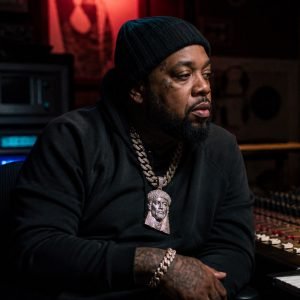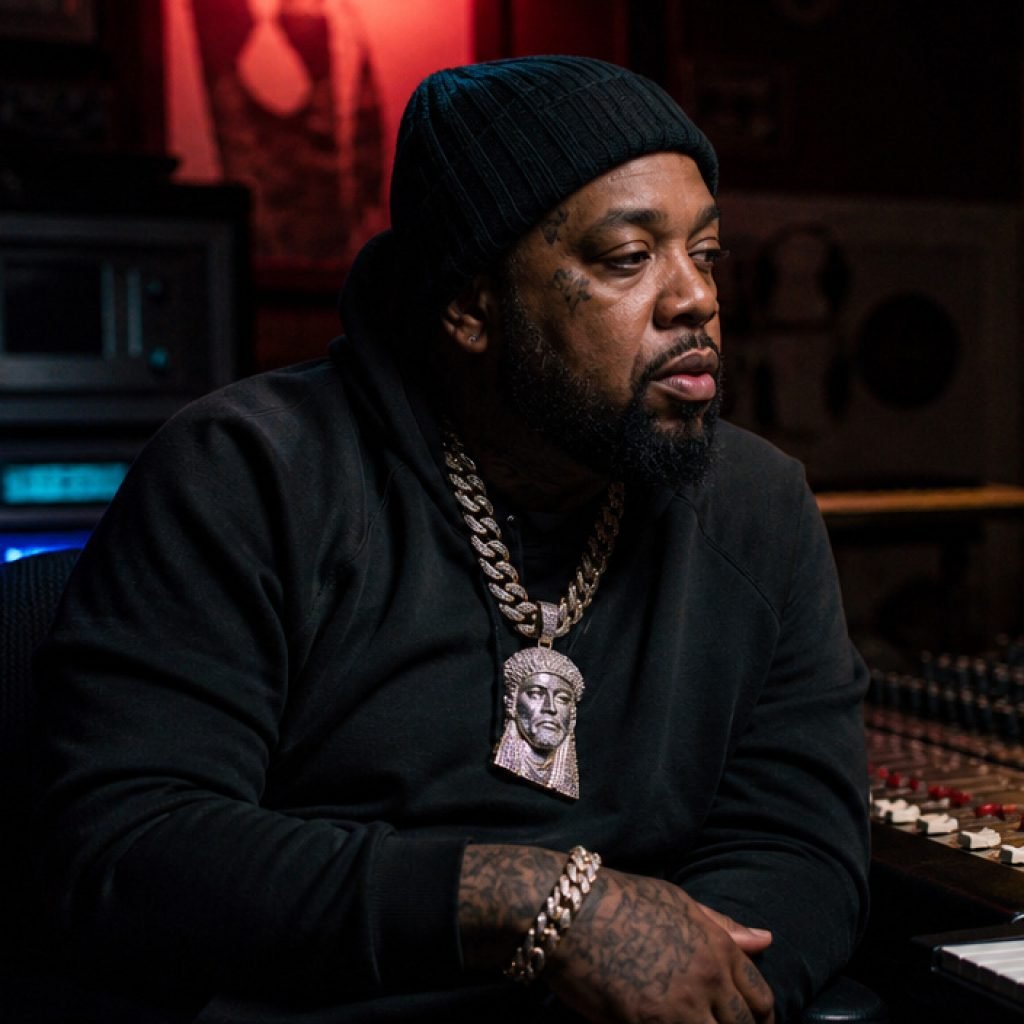
In a display of defiance against both physical trauma and the industry’s skepticism, rap superstar Offset has broken his silence regarding a shooting incident that left him hospitalized earlier this month. The 34-year-old artist, known for his work with the groundbreaking trio Migos, has rejected any calls for pity, choosing instead to focus on his rapid return to the stage and the unyielding nature of his career. In a candid conversation on the Creators Inc. Podcast, recorded just six days after the ordeal, Offset (born Kiari Cephus) made it clear that while the bullet he took to the hip was a terrifying reality, it would not become the defining chapter of his career. “I don’t want nobody feel sorry for me,” the rapper asserted, framing his recovery through the lens of a relentless work ethic that defines his approach to both life and music.
Key Highlights
- The Incident: Offset was shot in the hip outside the Seminole Hard Rock Hotel & Casino in Hollywood, Florida, on April 6, 2026, stemming from a violent altercation.
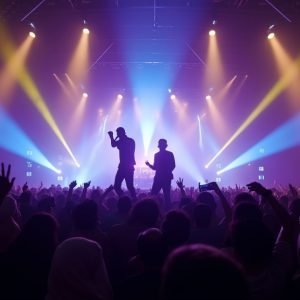
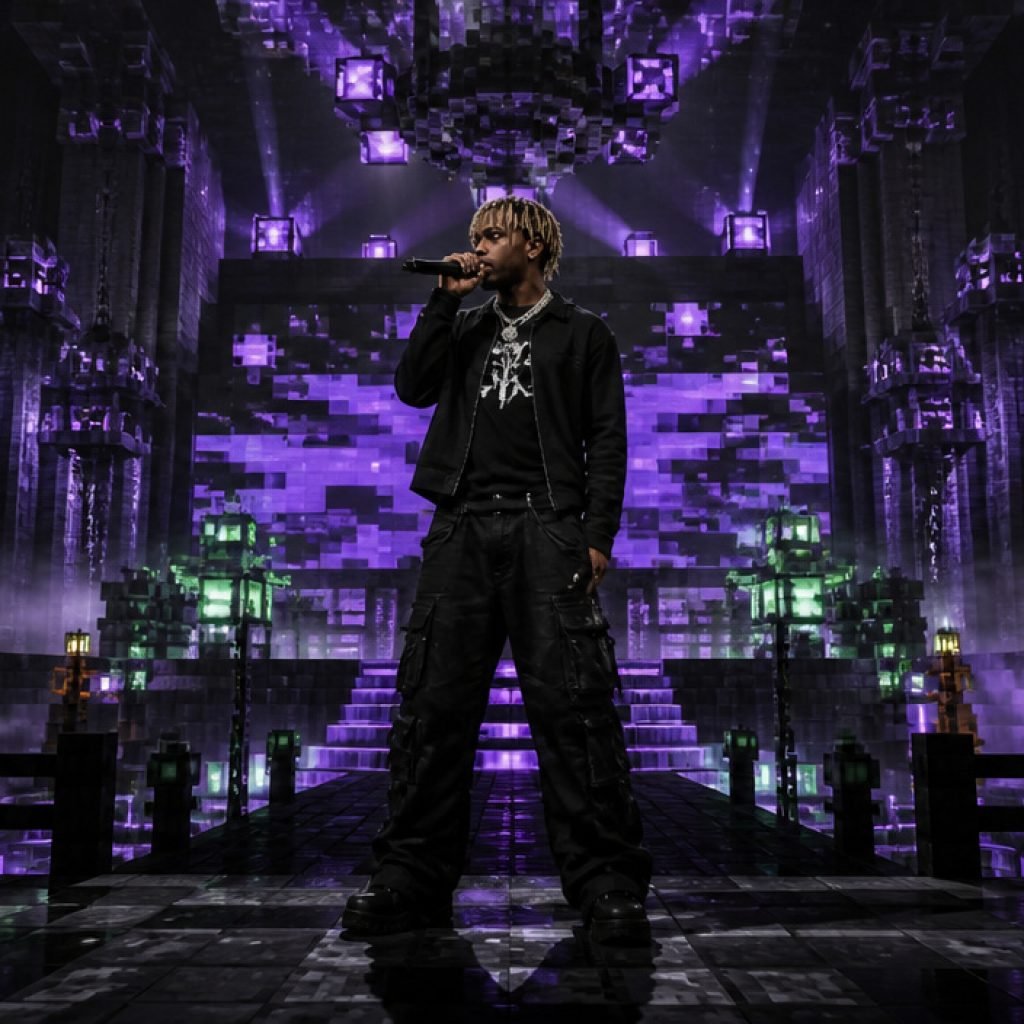
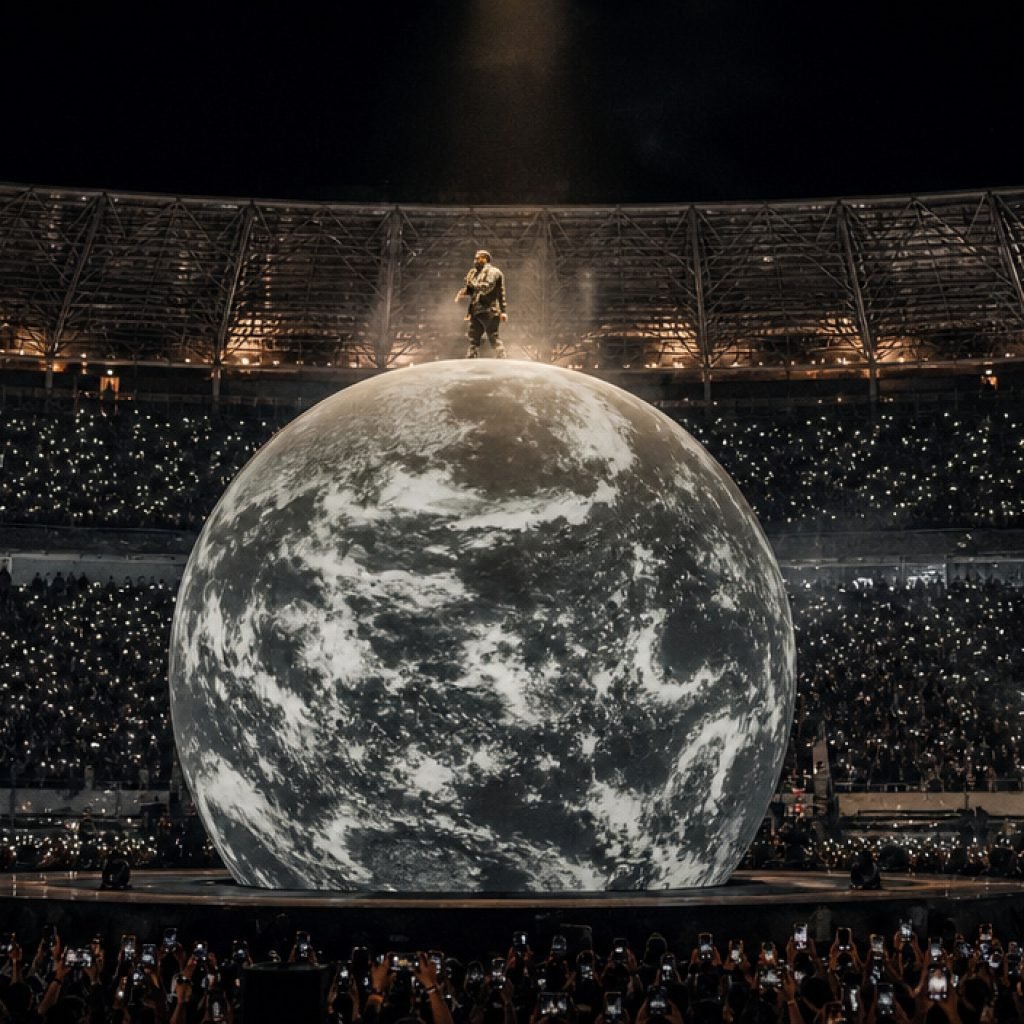
- Rapid Comeback: Despite the injury, the rapper returned to the stage just days later for Rowfest in Arkansas, famously performing while seated in a wheelchair before standing to engage the crowd.
- Defiant Mindset: In his first detailed interview post-shooting, he explicitly stated, “Don’t feel sorry for me,” citing his gratitude for being able to move and his commitment to the “grind.”
- Industry Resilience: The incident has sparked a wider conversation about the pressures on modern entertainers to maintain rigorous touring schedules even after suffering traumatic, life-threatening injuries.
The Relentless Hustle: Behind Offset’s Rapid Return
The narrative of the modern entertainer is often one of superhuman endurance, but the events of early April 2026 pushed this concept to its absolute limit. When news broke that Offset had been involved in a shooting incident at the Seminole Hard Rock Hotel & Casino, the immediate public response was a mix of shock and concern. For many, the expectation was a period of silence, recuperation, and a long hiatus. Instead, the music world witnessed a startling, almost immediate reappearance. Offset’s choice to hit the stage at Rowfest in Arkansas, mere days after being discharged from Memorial Regional Hospital, became a polarizing moment. While some heralded it as the ultimate display of professional dedication, others questioned the safety and psychological implications of returning to high-intensity environments while the physical wound—a bullet to the hip—was still fresh.
The Philosophy of the Hustle
In his interview with host Andy Bachman on the Creators Inc. Podcast, Offset peeled back the layers of that decision. He described himself as the “Energizer Bunny,” a figure who, despite the physical agony of a gunshot wound, felt compelled to continue forward movement. This is not merely about money or contractual obligations; it is a manifestation of the “grind” culture that has dominated hip-hop for decades. To Offset, stopping the momentum is more dangerous than continuing in pain. He explicitly rejected the narrative of victimhood, stating, “People get shot every day. You got to keep pushing.” This statement provides a window into the psyche of a global performer who views his career not as a job that can be paused, but as an essential, life-sustaining force. His ability to perform, to connect with a crowd, and to maintain his signature stage presence while hooked up to a vitamin I.V. drip—as noted during his podcast recording—demonstrates a level of commitment that borders on existential. It suggests that for Offset, the stage is a sanctuary where the trauma of the outside world is momentarily suspended.
The Industry Standard: Is ‘The Show Must Go On’ Sustainable?
Offset’s return raises a critical question regarding the sustainability of the modern music industry’s “show must go on” philosophy. In the era of streaming and social media, an artist’s visibility is directly tied to their relevance. A two-week hiatus might once have been considered a standard recovery time; today, it is often viewed as an eternity in the digital attention economy. However, by pushing himself to perform in a wheelchair, Offset has inadvertently become the face of a growing debate. Is the industry demanding too much of its stars? Are we, as fans and consumers, complicit in the pressure that forces artists to risk long-term health for short-term engagement? The spectacle of a performer rising from a wheelchair to deliver a hit song like “Bad and Boujee” is undeniably captivating, but it also highlights a harsh reality: the infrastructure of live entertainment rarely accommodates human vulnerability. When a rapper of Offset’s caliber faces a life-altering incident, the professional machine is designed to keep spinning, often leaving the individual to process the trauma in the glare of the spotlight rather than in the quiet of recovery.
Hip-Hop’s Vulnerability and the Culture of Safety
The incident at the Florida casino is not an isolated event; it sits within a broader, more troubling context of violence affecting the hip-hop community. The recurring nature of these incidents—often occurring at public venues or during disputes—has long plagued the genre, creating a volatile environment where even the most successful artists are not immune. By addressing the shooting with such raw honesty, Offset is not just talking about his own recovery; he is speaking to the systemic reality that many artists face. He notes that authorities are investigating the altercation, which saw fellow rapper Lil Tjay briefly detained. This adds a layer of professional and social friction to the physical trauma. Yet, Offset’s refusal to dwell on the “why” or the “who” of the shooter, and his laser focus on his own resilience, is a tactical choice. It allows him to retain agency in a situation where he was, by definition, a victim. By reclaiming the narrative, he moves from a person who was shot to a person who survived and continued to work.
The Future of Performance: Resilience and Recovery
As we look forward, the legacy of this specific incident will likely not be the shooting itself, but the way Offset handled it. He has set a precedent for how to navigate crisis in the public eye. His “blessed to still be able to move” mentality is a refrain that resonates far beyond the music industry. It touches on universal themes of adversity and the human capacity to adapt. As he prepares to continue his work in Los Angeles on new material, the industry will be watching closely. Will the physical injury impact his performance style in the long term? Or will this become a defining moment of strength that elevates his brand? The answer likely lies in his own words: the show never stops. For Offset, recovery is not a destination but a continuous process, one that happens simultaneously with the grind. His journey provides a roadmap for resilience, illustrating that for those whose lives are defined by constant movement, true healing often looks exactly like keeping the pace.
FAQ: People Also Ask
1. What exactly happened to Offset in Florida?
Offset was involved in a shooting incident outside the Seminole Hard Rock Hotel & Casino in Hollywood, Florida, on April 6, 2026. The incident, which occurred following a fight, resulted in him sustaining a gunshot wound to the hip. Authorities have since launched an investigation into the altercation.
2. Did Offset face any legal trouble due to the incident?
No. While there was a reported altercation at the scene, Offset was the victim of the shooting. Fellow rapper Lil Tjay was briefly detained at the scene and charged with disorderly conduct, but no direct charges related to the shooting itself have been linked to him at this time.
3. How did the public react to his quick return to the stage?
Public reaction has been mixed. While many fans and peers have praised his resilience and dedication to his performance schedule, others have expressed concern regarding the pressure on artists to prioritize work over physical recovery, especially given the severity of a gunshot wound.
4. Where did Offset first perform after being shot?
Offset made his return to the stage at the University of Arkansas’s Rowfest on April 11, 2026, less than a week after being hospitalized. He famously utilized a wheelchair for parts of the performance before standing to engage the crowd.