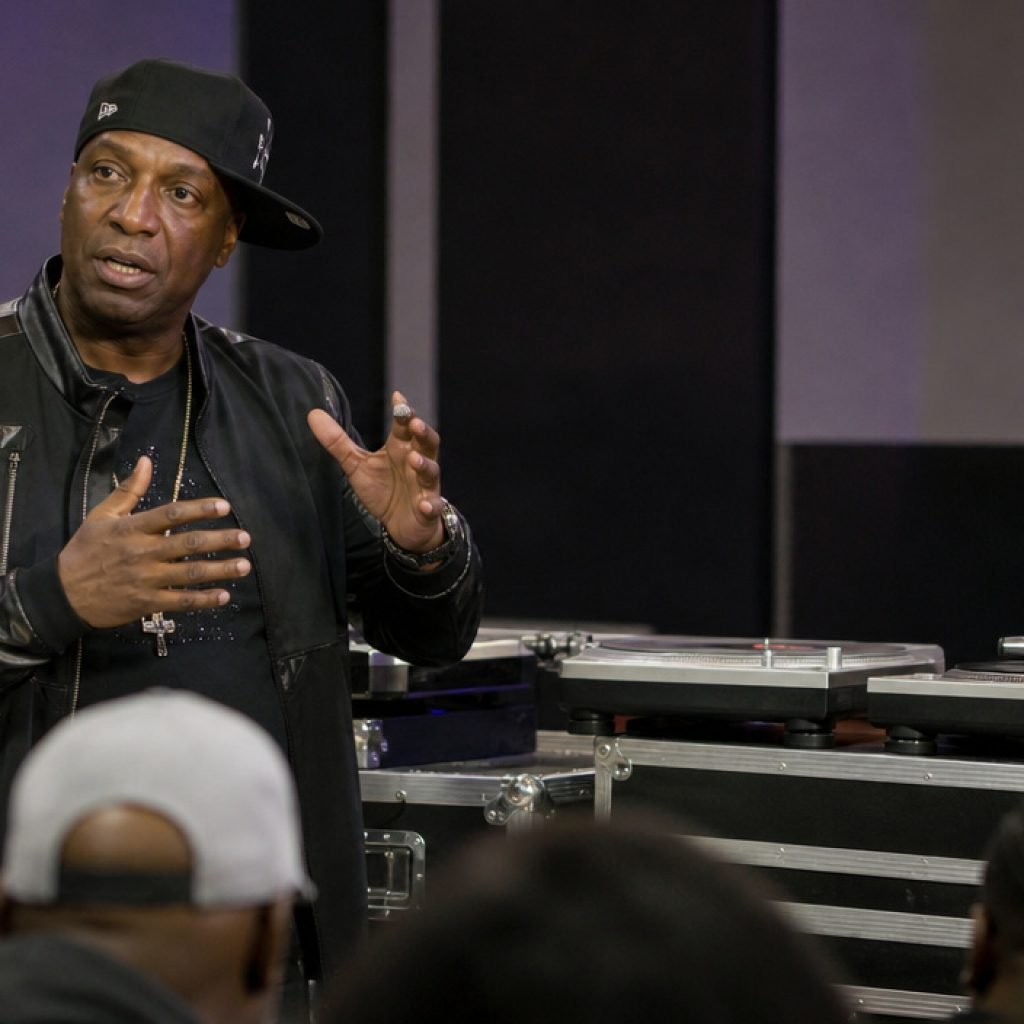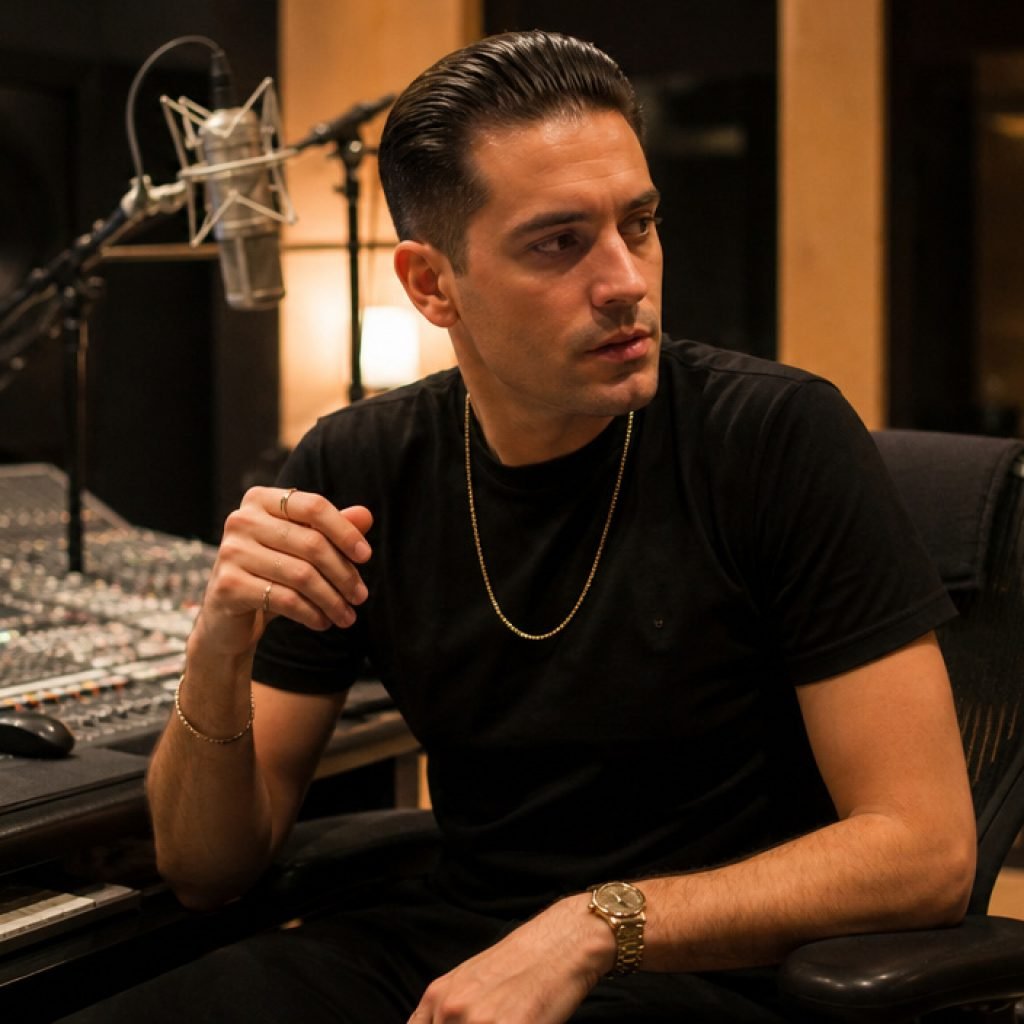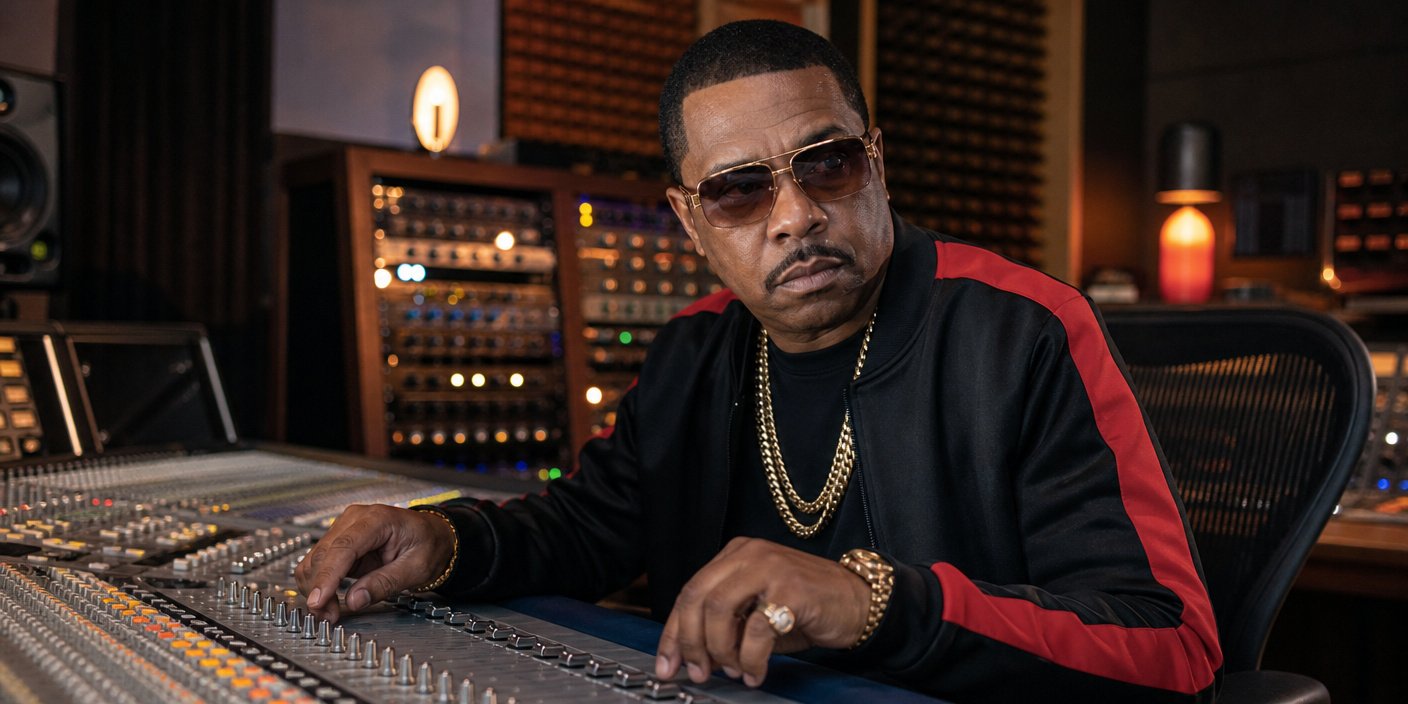
Veteran artist DJ Dutchmaster is reshaping the late-summer musical landscape with the formal announcement of his latest project, ‘The Rebirth of Hip-Hop,’ an ambitious undertaking supported by a high-frequency, 12-release rollout strategy spanning August and September. This calculated maneuver marks a significant shift in how established industry figures are utilizing algorithmic distribution to capture maximum market share, moving away from traditional single-drop cycles in favor of sustained, aggressive saturation.
Key Highlights
- Project Title: ‘The Rebirth of Hip-Hop’ represents a career-defining effort for the veteran artist.
- Aggressive Rollout: A high-intensity, 12-release schedule planned throughout August and September.
- Star-Studded Features: Confirmed high-profile collaborations with rap mogul Rick Ross and international hitmaker Sean Kingston.
- Strategic Timing: Capitalizing on the late-summer surge to maximize streaming momentum and playlist placement.
The Strategic Blitz: Analyzing the 12-Release Takeover
In an era where attention spans are measured in seconds, DJ Dutchmaster’s decision to commit to a 12-release rollout is a masterclass in modern digital marketing. By avoiding a singular “big bang” release, Dutchmaster is effectively engaging in a “content waterfall” strategy. This approach not only provides the streaming algorithms—specifically those of Spotify, Apple Music, and Amazon Music—with continuous fresh data points but also keeps the artist’s name in rotation for the duration of the critical eight-week window between August and September.
The Anatomy of the ‘Rebirth’
The title, ‘The Rebirth of Hip-Hop,’ suggests a return to the foundational elements of the genre while simultaneously embracing modern production aesthetics. For a veteran artist like Dutchmaster, the challenge is always balancing nostalgia with innovation. The album appears to be positioning itself as a bridge between the classic era and the contemporary trap/melodic-rap landscape. By integrating heavy-hitters like Rick Ross, who brings a distinct “luxury rap” aesthetic, and Sean Kingston, known for his ability to fuse reggae-fusion with chart-topping pop-rap, Dutchmaster is clearly signaling that this project intends to appeal to diverse demographics.
The Economics of Streaming Saturation
The economic implication of 12 releases in 60 days cannot be overstated. In the modern streaming economy, consistency is the primary driver of growth. Each release acts as a micro-campaign. If the average listener consumes content in short bursts, delivering a steady stream of content keeps the artist’s profile active. This is a deliberate counter-strategy to the “album-drop-and-fade” phenomenon. By spacing out the tracks, Dutchmaster creates an environment where he is not just releasing a project, but building a continuous narrative. This strategy also provides 12 distinct opportunities to pitch tracks to curated playlists, which is the lifeblood of modern music discovery.
Collaborations as Market Anchors
The inclusion of Rick Ross and Sean Kingston serves a specific dual purpose: credibility and reach. Rick Ross brings the weight of an industry heavyweight, lending immediate prestige to the project. His brand of opulent, bar-heavy rap ensures the album maintains its “hip-hop” core. Conversely, Sean Kingston provides the melodic, crossover appeal necessary for radio play and viral potential. This balancing act—combining the raw, gritty lyricism of a Ross feature with the melodic accessibility of a Kingston track—shows a sophisticated understanding of how to craft a “for the culture” album that also functions commercially.
The Evolution of the DJ-Artist
Historically, the “DJ-led” album (think DJ Khaled, DJ Drama, or DJ Premier) has been a cornerstone of hip-hop history. DJ Dutchmaster’s ‘Rebirth’ project fits into this lineage. The role of the DJ in these projects is that of the curator and conductor. They do not just provide the beats; they set the vision, the tone, and the guest list. This project is a testament to the enduring power of the curator-led album, where the DJ’s personal brand acts as the glue holding disparate artists and sounds together into a cohesive whole.
Predicting the Future of Rollout Models
As the industry watches Dutchmaster’s progress, other artists are likely to take note. The traditional album cycle is dying. The future is serialized content. We can expect more artists to adopt this 12-release strategy, prioritizing consistent engagement over massive opening-week numbers. If Dutchmaster’s campaign proves successful—measured by sustained streaming growth and social sentiment—it will likely set a new blueprint for veteran artists looking to remain relevant in a crowded, competitive market.
FAQ: People Also Ask
Q: What is the primary marketing strategy for ‘The Rebirth of Hip-Hop’?
A: The project utilizes an aggressive “waterfall” release model, featuring 12 total releases scheduled across the months of August and September to maximize streaming algorithm exposure and sustained audience engagement.
Q: Who are the confirmed high-profile guests on the album?
A: The album will feature collaborations with industry heavyweights Rick Ross and Sean Kingston.
Q: Why is a 12-release rollout considered a “takeover” strategy?
A: By spreading 12 releases over two months, the artist ensures that their brand remains active and present in the digital space, as opposed to a single-day album launch which often sees a sharp drop in visibility after the first week.
Q: How does DJ Dutchmaster differentiate this project from his previous work?
A: The title ‘The Rebirth of Hip-Hop’ suggests a return to the genre’s foundational sonic roots combined with modern production techniques, aiming to appeal to both long-time fans and a younger, contemporary audience.