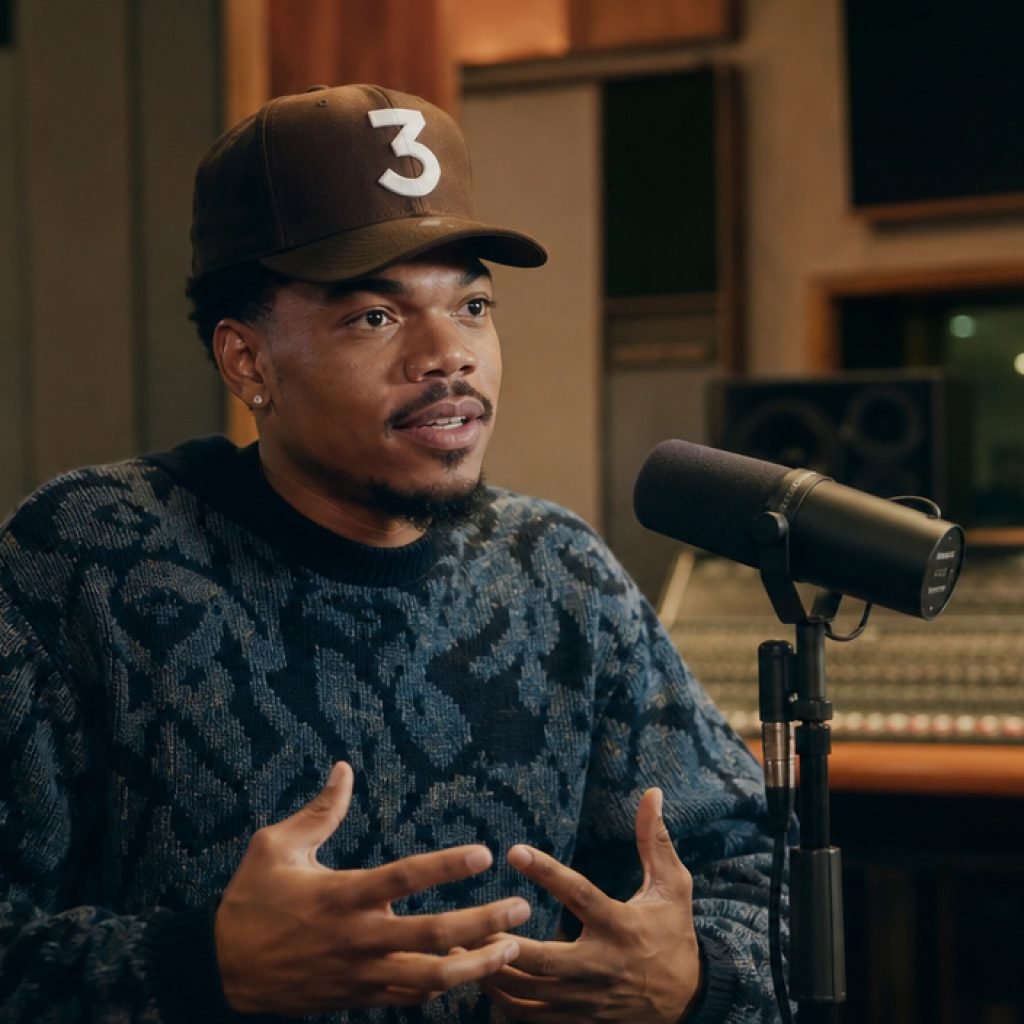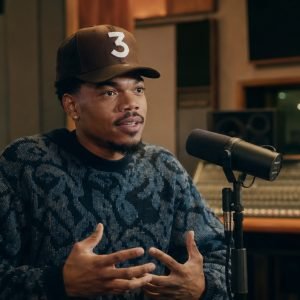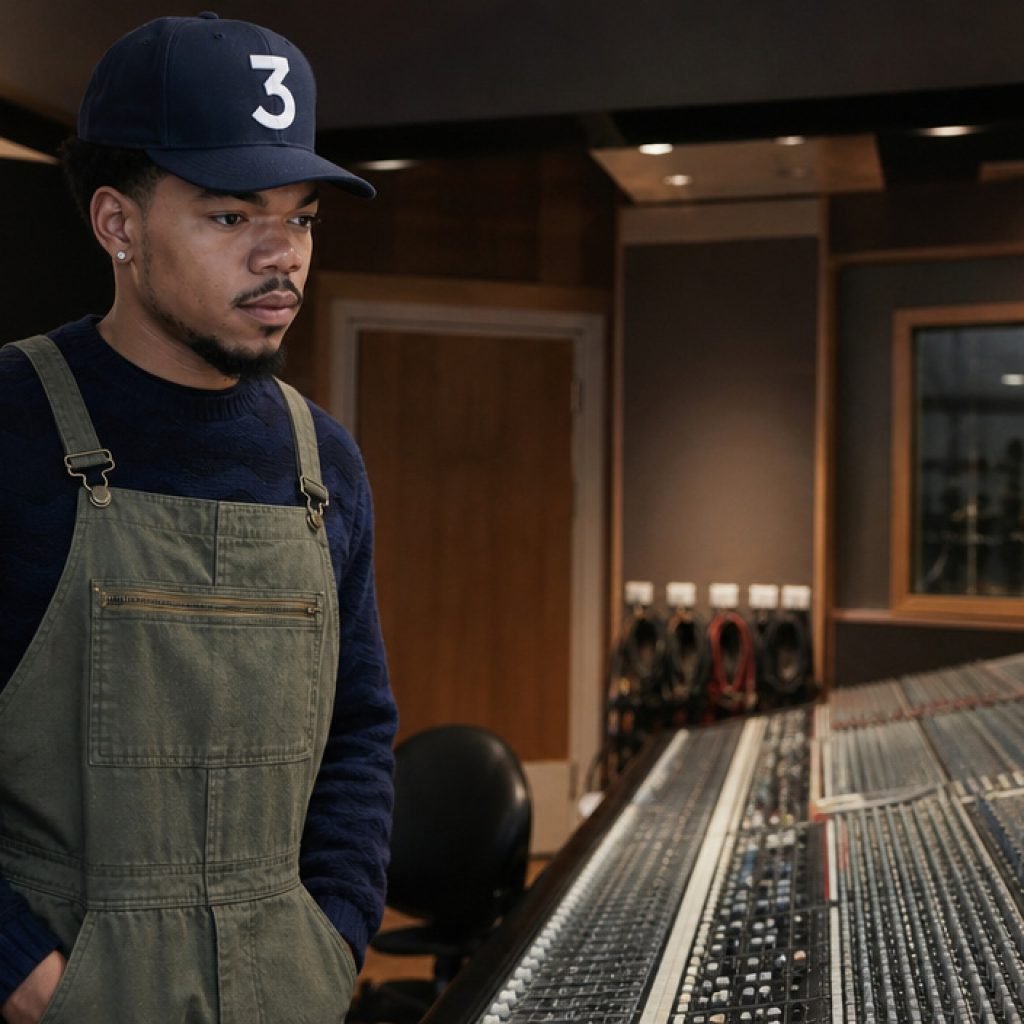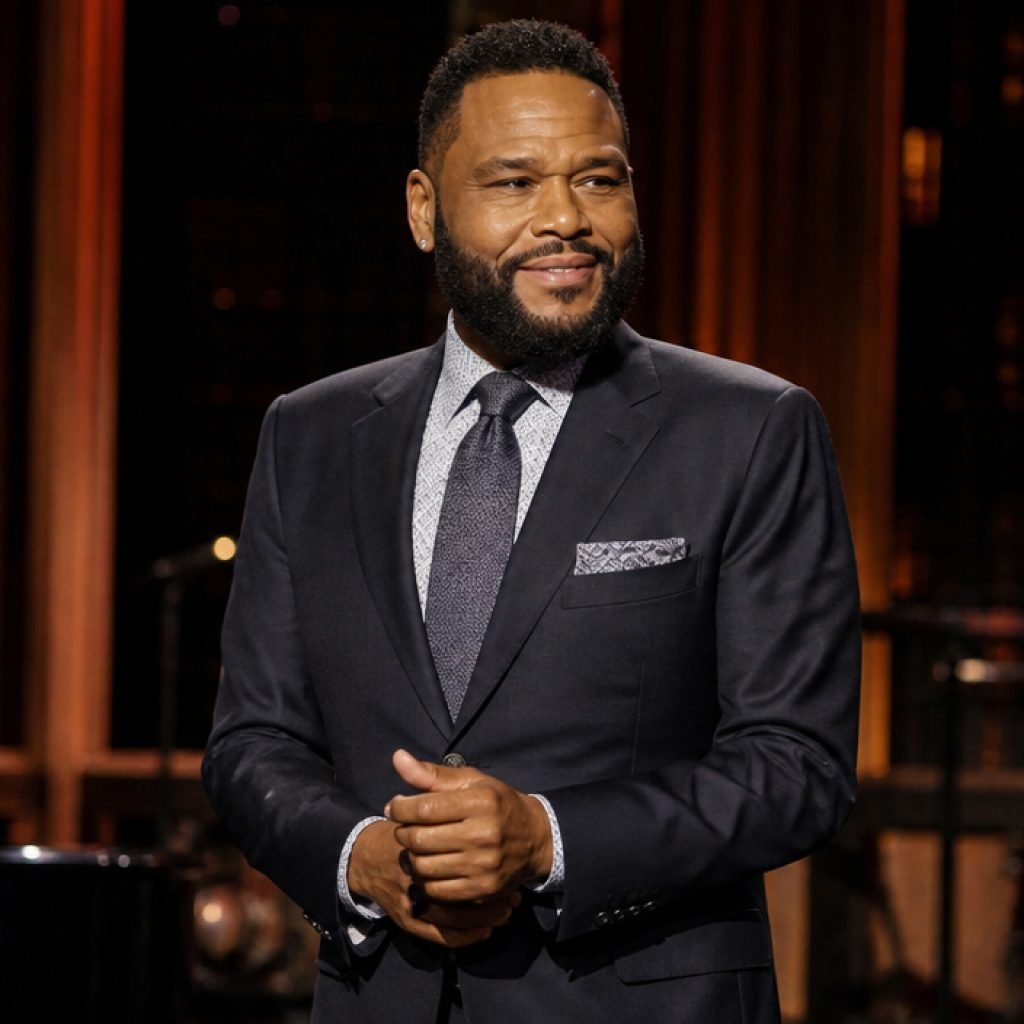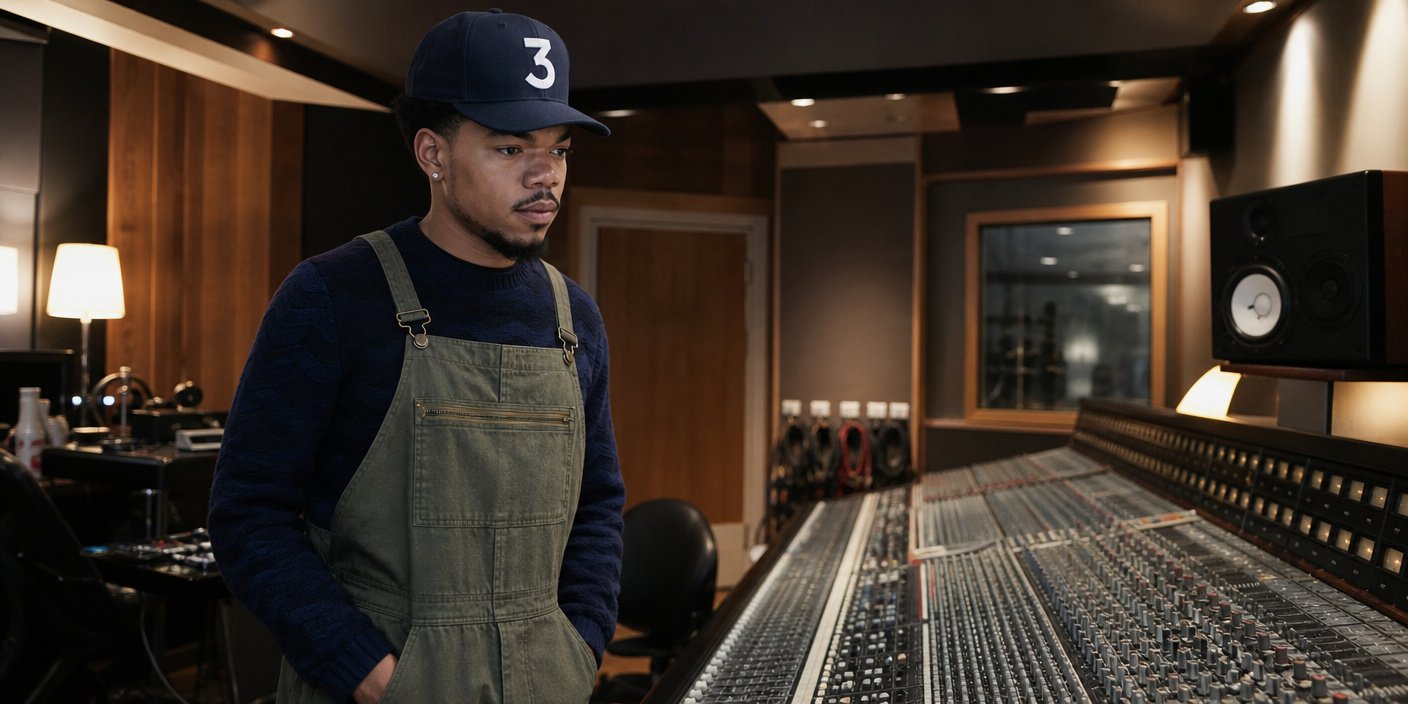
Chancelor Johnathan Bennett, the Grammy-winning musician globally recognized as Chance The Rapper, has signaled a potential seismic shift in his professional identity. In recent reflections on his evolving artistic trajectory, the Chicago-born artist revealed he is considering shortening his stage name to simply ‘The Rapper.’ The move, while seemingly drastic, is being framed not as a rejection of his roots, but as a deliberate evolution toward artistic abstraction and a desire to detach his music from the rigid constraints of his personal identity. As fans and industry insiders speculate on the permanence and impact of such a rebrand, the conversation highlights the complex intersection between personal history, marketability, and the maturation of an artist in the modern digital age.
Key Highlights
- Name Change Consideration: Chance The Rapper is actively weighing the decision to drop ‘Chance’ and perform exclusively as ‘The Rapper.’
- Artistic Abstraction: The impetus for the change is rooted in a philosophical desire to separate his personal identity, Chancelor Bennett, from the persona of the musician.
- Industry Precedent: This move invites comparison to other major artists who have undergone significant naming shifts, though none as generically descriptive as ‘The Rapper.’
- Branding Hurdles: Industry experts warn that moving to such a broad, common noun as a stage name could present significant Search Engine Optimization (SEO) and trademark challenges.
The Evolution of an Identity: Beyond the Stage Name
The potential transition from ‘Chance The Rapper’ to simply ‘The Rapper’ is more than a mere marketing maneuver; it represents a profound psychological shift in how Chancelor Bennett views his relationship with his craft. For over a decade, the ‘Chance’ moniker has been synonymous with the mixtape-to-mainstream pipeline, defining the early 2010s sound of SoundCloud rap, gospel-infused hip-hop, and independent success. By shedding the first half of his name, Bennett is attempting to pivot toward a state of artistic anonymity—or, paradoxically, a state of hyper-definition. He aims to let the music stand as the primary identifier, rather than the personality behind the mic.
The Philosophy of Minimalism
At the core of this discussion is the artist’s desire for what he terms ‘abstraction.’ In the contemporary music landscape, where celebrities are often more visible than their art, Bennett’s proposition is an attempt to retreat from the cult of personality. This strategy mirrors the minimalist movements seen in fashion and visual arts, where the creator removes ego to foreground the creation. However, in the hyper-competitive world of streaming, where ‘discoverability’ is the lifeblood of an artist’s career, becoming ‘The Rapper’ presents a gargantuan branding paradox. If a new listener searches for ‘The Rapper’ on Spotify or Apple Music, the algorithm is likely to be inundated with millions of results rather than his specific catalog.
Historical Context: The Mononym and the Descriptor
Music history is littered with name changes, but few have been as bold as this. Prince famously changed his name to an unpronounceable symbol to break away from contractual constraints with Warner Bros. Snoop Dogg transitioned to Snoop Lion (and back) to signal a shift into reggae. These changes were often about liberation or genre-fluidity. Bennett’s proposed change is different; it feels more like an ‘anti-brand.’ By identifying as ‘The Rapper,’ he is claiming a role rather than a name, essentially attempting to corner the market on the very definition of the profession. Whether this is an act of supreme confidence or a radical artistic experiment remains to be seen.
The Legal and Economic Implications
From a business perspective, the transition is fraught with complexity. Organizations and stakeholders in Bennett’s business empire—ranging from his management team to his touring partners—must weigh the ‘Brand Equity’ of the name ‘Chance The Rapper’ against the artistic gains of the new moniker. Trademarks are specific, and ‘The Rapper’ is an incredibly difficult term to protect. Legal experts suggest that securing intellectual property rights for such a generic noun would be an uphill battle, potentially exposing his brand to ‘brand dilution’ where competitors or unrelated acts could capitalize on the confusion. The financial risks of abandoning a globally recognized trademark are immense, necessitating a careful, phased roll-out if the decision is finalized.
The Fan Base Reaction
The reception among his core Chicago fan base and his global listenership has been mixed, ranging from confusion to intrigue. On social media platforms, the discourse has already begun, with many long-time supporters debating whether the ‘Chance’ of 2013 is truly compatible with ‘The Rapper’ of 2024. For an artist who built his career on intimacy and accessibility, the potential walling-off of his identity could change the nature of his fan interaction. However, Bennett has always been an artist who prioritizes his own creative whims over market expectations—a trait that made him an icon of independent music in the first place.
FAQ: People Also Ask
Why does Chance want to change his name?
He is seeking artistic abstraction, aiming to separate his personal identity (Chancelor Bennett) from his professional output, and to allow his music to stand on its own without the baggage of his past stage name.
Is ‘The Rapper’ a viable stage name for SEO?
From an SEO perspective, ‘The Rapper’ is extremely poor. It is a highly competitive, generic term that would make it difficult for new fans to find his specific music on streaming platforms without significant digital investment.
Has any other artist successfully rebranded this drastically?
Yes, artists like Prince (the symbol) and various rappers who have changed monikers have found success, but most shifts are towards unique, identifiable names rather than broad descriptors, making this a unique case in modern music history.
Will this affect his previous discography?
Legally, his back catalog will always be associated with the name ‘Chance The Rapper’ on streaming platforms, but he could choose to release future projects under the new moniker, creating a bifurcated brand identity.