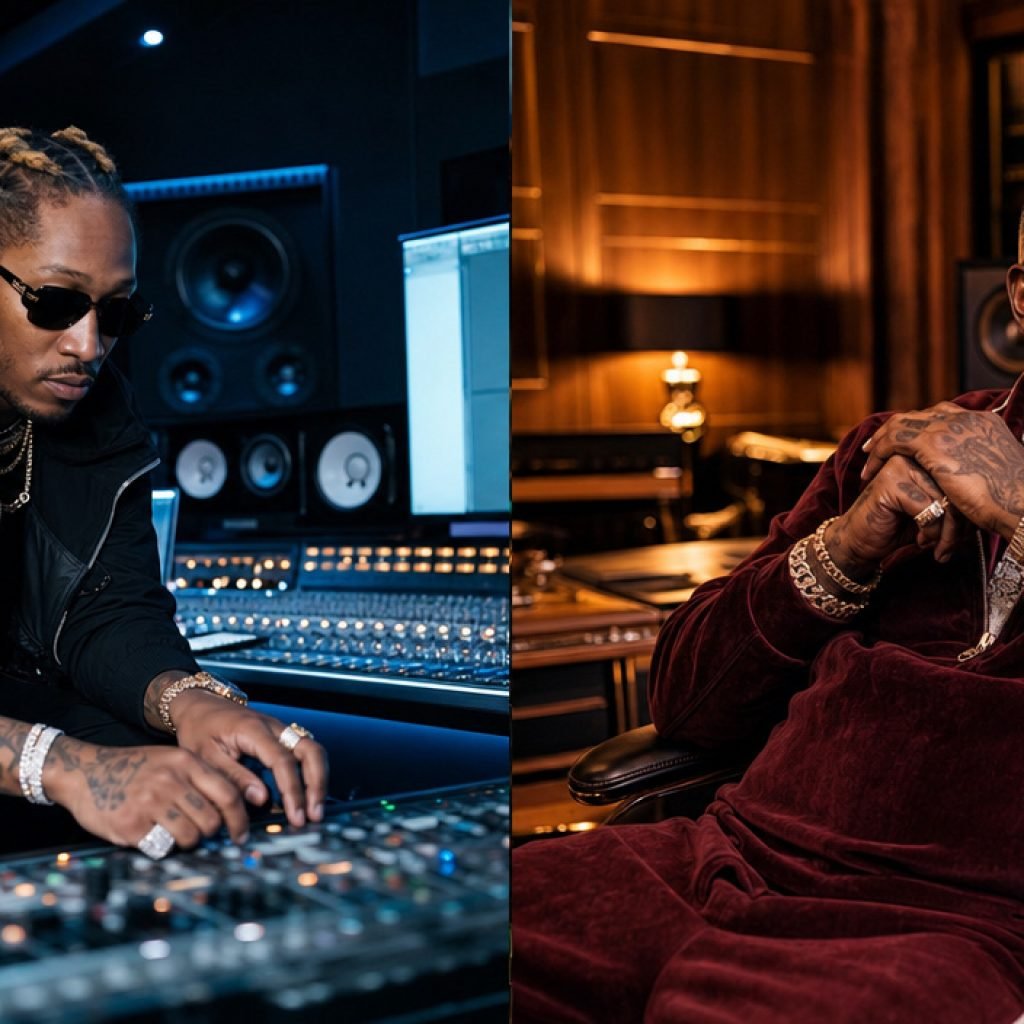
The landscape of contemporary hip-hop underwent a seismic shift this week, marked by the coronation of one of the genre’s most prolific hitmakers and the long-awaited return of a titan of luxury rap. As of July 20, 2026, the charts reflect a dual-narrative of dominance: Future has officially claimed his 12th No. 1 album with the release of ‘The Real Me’, while Rick Ross has shattered a five-year silence with his highly anticipated studio effort, ‘Set In Stone’. This convergence of legacy acts reclaiming the top-tier of the streaming and sales charts highlights a growing trend in the mid-2020s, where veteran status, combined with refined brand identity, remains the most formidable currency in music.
Key Highlights
- Future’s Milestone: With ‘The Real Me’, Future secures his 12th No. 1 album, further cementing his place in the historical pantheon of rap artists.
- The Bawse Returns: Rick Ross marks his first full-length studio album in five years with ‘Set In Stone’, signaling a return to the opulent, orchestral production that defined his mid-2010s peak.
- Market Dynamics: The simultaneous success of these records highlights the enduring power of hip-hop’s elder statesmen in a 2026 music market increasingly crowded by viral streaming trends.
- Industry Impact: Both releases have triggered significant shifts in streaming velocity, dominating digital platforms and shifting conversation toward high-production value, artist-led projects.
The 2026 Hip-Hop Power Shift
The current state of the music industry often prioritizes the rapid-fire viral hit, yet this week serves as a stark reminder that sustained artistry remains the bedrock of commercial viability. The industry’s gaze is currently fixed on two figures who have defined the trajectory of the genre for over a decade: Future and Rick Ross. Their respective projects have not only topped charts but have redefined the expectations for a ‘legacy’ release in the modern era.
Future and the Architecture of Consistency
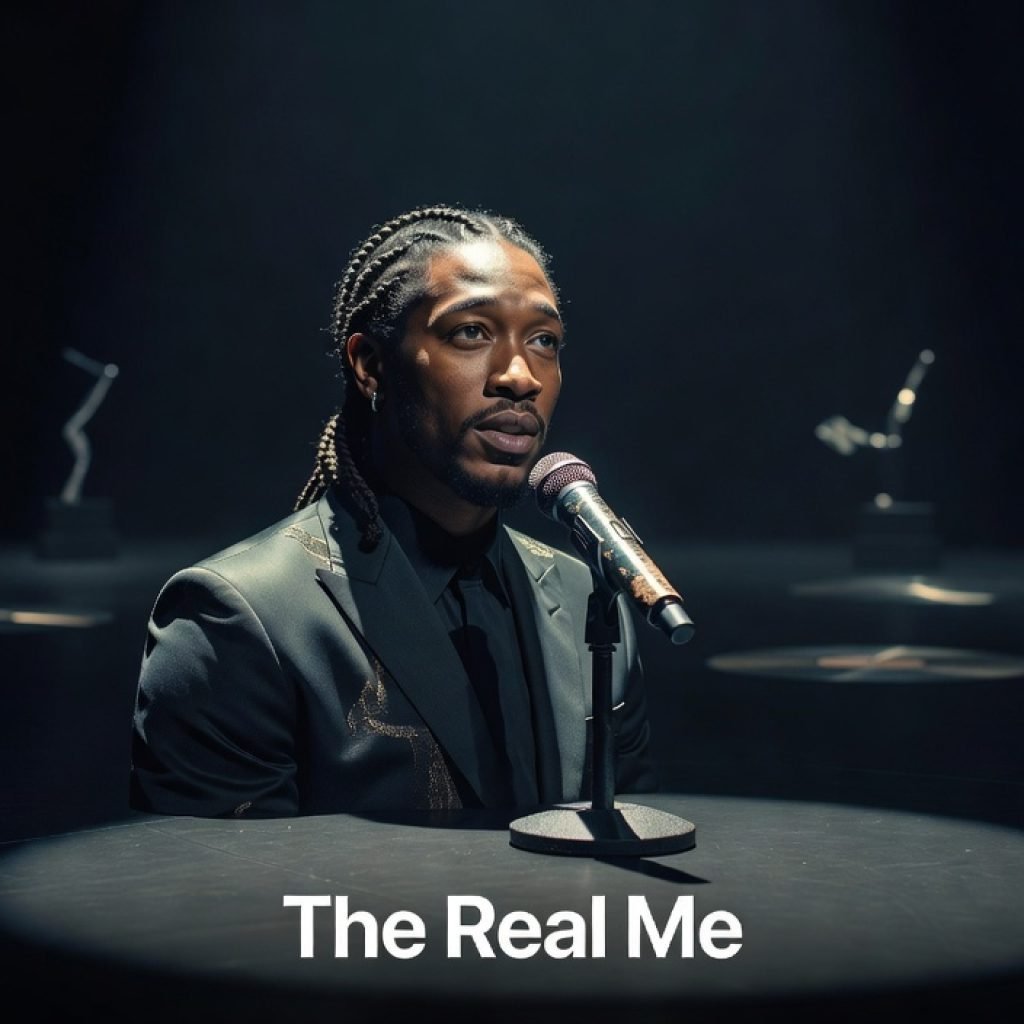
Future’s path to a 12th No. 1 album with ‘The Real Me’ is a study in relentless evolution. Since his emergence in the early 2010s, Future has utilized a singular methodology: high-volume output coupled with a singular, unmistakable sonic aesthetic. ‘The Real Me’ arrives at a pivotal moment, arriving at a time when the trap genre has faced scrutiny regarding fatigue. By leaning into introspective lyricism and experimental production textures, Future has managed to bypass the ‘diminishing returns’ phase that typically plagues prolific artists.
Industry analysts note that ‘The Real Me’ demonstrates a mastery of the streaming economy. By balancing aggressive, high-tempo club tracks with deep-cut, moody ballads, Future has secured broad appeal across both the casual listener demographic and the hardcore fan base. Achieving a 12th No. 1 album places him in rarified air, competing with the all-time greats in terms of sheer charting volume. His ability to modernize his sound without losing the core ‘Future’ identity is a case study in brand management that many emerging artists struggle to replicate.
The ‘Set In Stone’ Renaissance
Contrasting the high-velocity output of Future is the strategic, measured return of Rick Ross. ‘Set In Stone’ is the Miami mogul’s first studio album in five years, and the anticipation surrounding its release was palpable. Over the last half-decade, the hip-hop landscape shifted toward minimalist, percussive-heavy soundscapes, leaving a void for the maximalist, soulful ‘luxury rap’ that Ross pioneered.
‘Set In Stone’ does not attempt to chase the current trends of 2026; instead, it doubles down on the aesthetics that made Ross a household name—rich, sample-heavy production, narratives of high-stakes entrepreneurship, and a sense of gravity that feels absent from much of today’s chart-topping rap. The album’s success suggests a cyclical nature in audience taste. Just as listeners are becoming saturated by the homogenization of hyper-pop and short-form-video-driven hip-hop, the ‘prestige rap’ offering from Ross feels like a palate cleanser. It is a testament to the fact that when an artist builds a brand as distinct as the ‘Boss’ persona, the audience will wait—and they will listen.
Economic and Cultural Implications
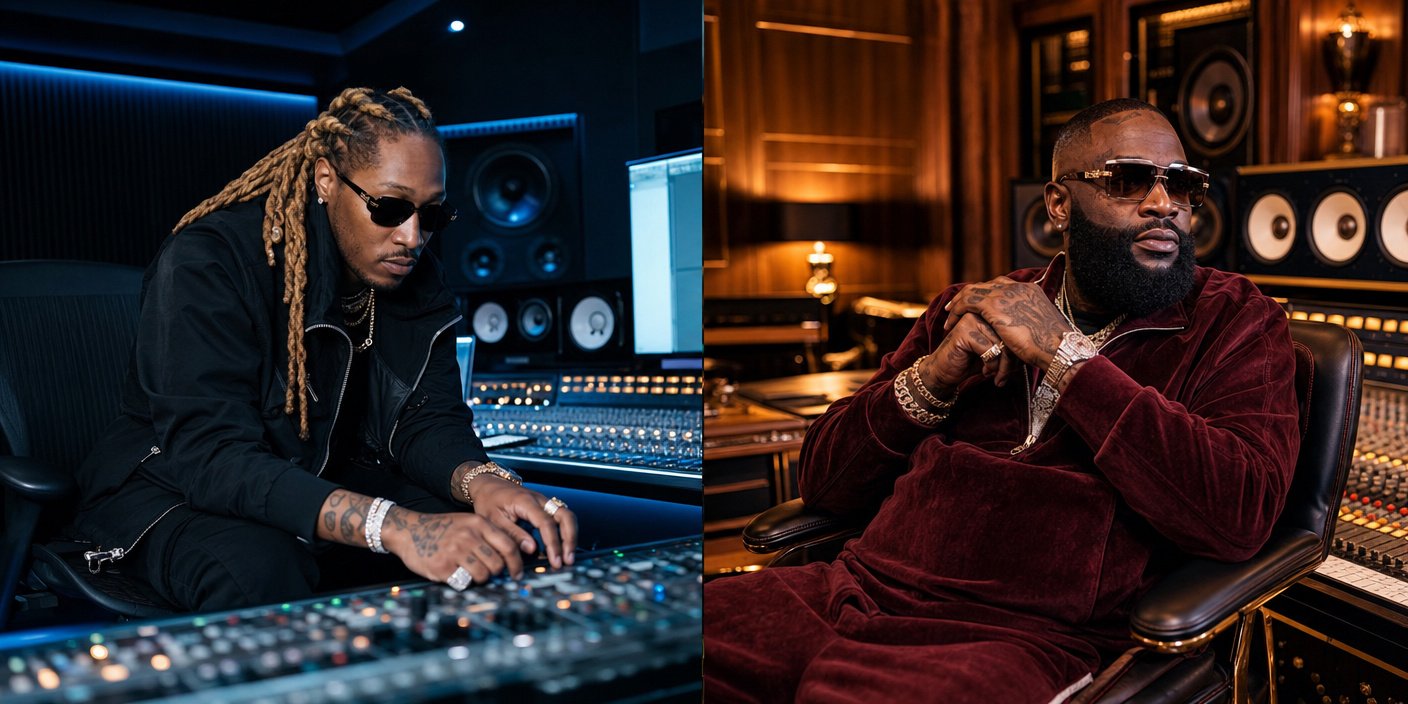
The release cycle for July 2026 has provided a vital litmus test for the music industry. The economic success of ‘The Real Me’ and ‘Set In Stone’ underscores the massive influence of hip-hop on the broader entertainment economy. We are seeing a divergence in strategies: the ‘prolific creator’ (Future) versus the ‘event-based creator’ (Ross). Both strategies have proven successful in this quarter, providing a roadmap for labels and independent artists alike.
Furthermore, the dominance of these two artists highlights a maturing demographic in hip-hop. The core audience that came of age during the 2010s is now the primary demographic with disposable income for digital merchandise, concert tickets, and premium streaming subscriptions. This demographic is loyal to the artists who shaped their formative years. Consequently, labels are investing heavily in these veterans, recognizing that their catalogs and new releases offer a safer return on investment than the high-risk, high-volatility model of betting on viral success alone. The ‘Hip-Hop News Roundup’ for this week is not merely a report on album sales; it is a signal that the giants of the previous decade are not just surviving, but actively dictating the terms of the market in 2026.
FAQ: People Also Ask
How many number one albums does Future have now?
With the release of ‘The Real Me’ in July 2026, Future has officially achieved his 12th No. 1 album on the Billboard 200, cementing his legacy as one of the most commercially successful artists in the history of hip-hop.
Why did it take Rick Ross five years to release ‘Set In Stone’?
Rick Ross has been active in various business ventures and feature appearances during his hiatus, but ‘Set In Stone’ marks his first full-length studio album in five years. The delay was primarily a strategic choice to focus on his entrepreneurial empire and wait for the right creative climate to return to his signature luxury-rap sound.
Does ‘The Real Me’ represent a change in Future’s sound?
‘The Real Me’ blends Future’s classic, high-energy trap roots with more nuanced, experimental production. It represents a maturation of his sound, moving slightly away from the formulaic structure of his earlier hits toward a more thematic and introspective project.
What do these releases signal for the future of hip-hop?
The success of both albums in July 2026 suggests that the hip-hop market is increasingly valuing ‘prestige’ and ‘legacy’ releases. As the genre matures, artists who have cultivated a distinct, long-term brand identity are finding greater commercial success than those who rely strictly on short-term viral trends.