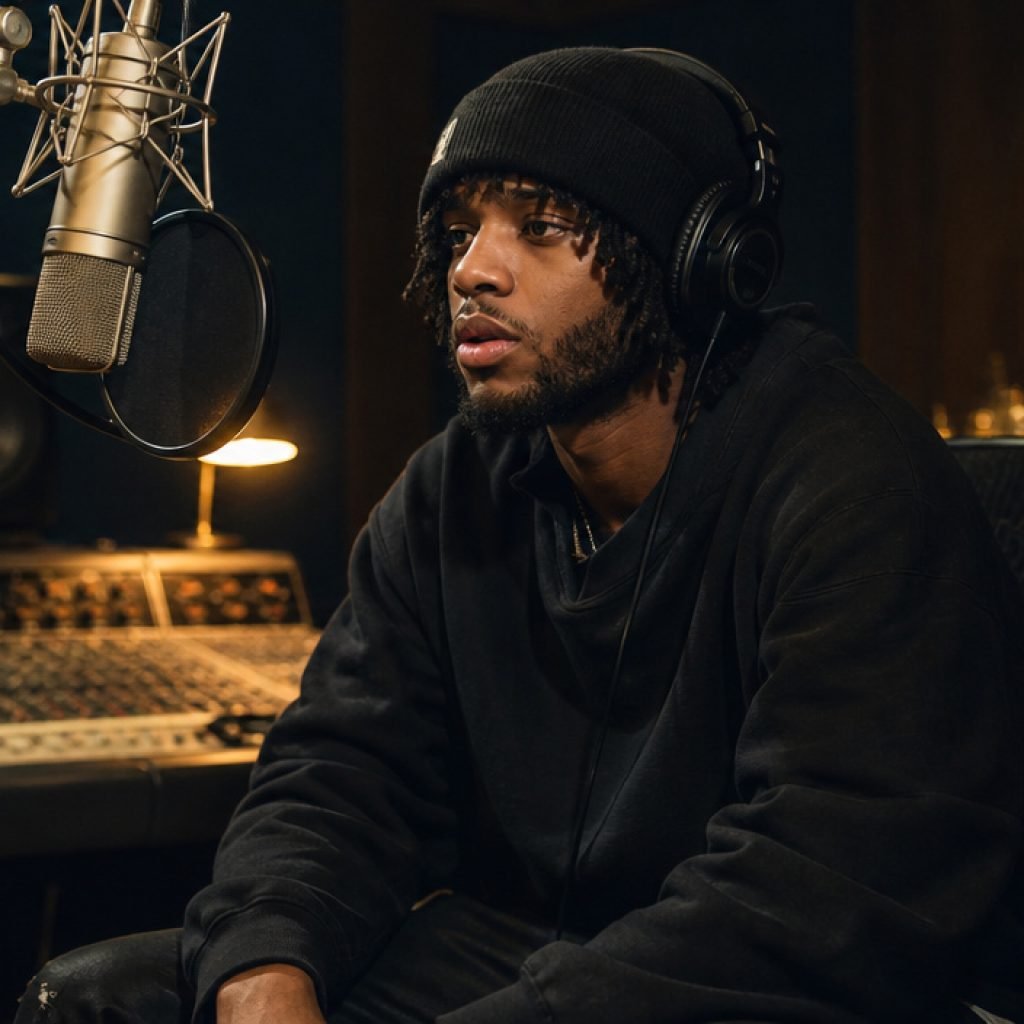
The music industry operates on a strict clock, and today, July 31, 2026, marks one of the most significant release Fridays of the summer. As the streaming era continues to dictate the cadence of cultural relevance, three distinct artists are vying for the top spot: Cardi B, the global icon who continues to set the standard for commercial hip-hop; Ken Carson, the torchbearer of the aggressive, distorted, and highly influential ‘Opium’ sound; and Shaboozey, who is effectively rewriting the rules on how country and rap aesthetics intersect. This release cycle is not merely a collection of songs; it is a tactical positioning of catalogs aimed at dominating algorithms, playlist placements, and the cultural conversation as we head into the final stretch of the year.
The Strategic Battle for July 31
The Resurgence of Cardi B
For Cardi B, every drop is an event that carries the weight of a franchise. Following an extended period of strategic silence and feature-focused activity, her presence on this release slate signals a recalibration of her sonic direction. The industry is watching closely to see if she leans back into the trap sensibilities that made her a household name or if she explores the experimental pop-rap fusion that currently dominates radio play. When an artist of Cardi B’s caliber enters the ecosystem, the ripple effect is immediate—impacting everything from social media engagement rates to the specific release strategies of rival labels attempting to avoid the ‘Cardi effect’ on streaming charts.
The Opium Aesthetic and Ken Carson
Contrasting the mainstream polish of traditional rap is Ken Carson, whose latest project represents the continued institutionalization of the underground ‘rage’ sound. Carson has spent the last 24 months refining a specific, high-BPM, synth-heavy aesthetic that has effectively captured the Gen-Z demographic. His involvement in the July 31 drop isn’t just about the music; it’s about the cultural ecosystem of the Opium label. The anticipation surrounding his release highlights a pivot point in hip-hop where raw, distorted production is no longer a niche commodity but a mainstream driver of hype. Analysts note that Carson’s ability to cultivate a dedicated, almost cult-like fanbase allows him to generate massive first-week numbers without relying on traditional radio play, a blueprint that continues to disrupt how record labels value artist development.
Shaboozey and the Genre-Blurring Phenomenon
Perhaps the most fascinating narrative arc on this release Friday is the continued rise of Shaboozey. By successfully blending the storytelling and melodic structure of country music with the percussion and cadence of modern trap, Shaboozey has tapped into a ‘blue ocean’ strategy that few others have navigated with such precision. This July 31 release is a critical test: can he sustain the momentum of previous viral hits, or will he demonstrate the depth required for long-term career viability? His ability to bridge the gap between Nashville sensibilities and Atlanta production styles is arguably the most commercially significant development in hip-hop over the last two years.
Strategic Economic & Cultural Implications
The ‘Friday Release’ Ecosystem
Why do these artists congregate on a single day? The music business has standardized the Friday release date to maximize the tracking week for Billboard chart positions. By releasing today, July 31, 2026, these artists ensure they have the full seven-day window to accumulate streams, physical sales, and digital downloads before the next reporting period begins. This coordinated pressure creates a ‘winner-take-all’ environment that forces listeners to choose their lane, effectively concentrating the collective attention of the rap audience into a 24-hour frenzy.
Platform Algorithm Dominance
Spotify and Apple Music algorithms are the ultimate gatekeepers. On a day like today, the battle for ‘New Music Friday’ playlist real estate is cutthroat. A lead spot on a major playlist can result in millions of additional streams within the first 48 hours. The collaborative synergy—or sometimes, the strategic lack thereof—between these artists and their respective DSP partners determines who will control the ‘Discover Weekly’ and ‘RapCaviar’ algorithms for the next month. This is data-driven art; labels are using real-time listener behavior to adjust their marketing spend in anticipation of today’s drop.
The Future of the ‘Album’ Concept
With attention spans shrinking, we are observing a fascinating shift in the composition of these releases. The 20-track album is becoming an artifact of the past. Today’s drops highlight a trend toward ‘EP-ification’ or highly focused, tight album structures. Even superstars like Cardi B and genre-benders like Shaboozey are trimming the fat, prioritizing high-impact, TikTok-ready segments over the sprawling, bloated tracklists that defined the early streaming era. This shift directly impacts the cost of production and the speed at which artists can turn over projects, fundamentally altering the economics of the modern recording contract.
FAQ: People Also Ask
Q: Why are so many hip-hop artists releasing music on the same day?
A: The industry standardizes release dates on Fridays to maximize the seven-day tracking window for Billboard charts. By dropping on the same day, artists and labels optimize for cumulative streaming numbers, which determine chart positioning and industry prestige.
Q: What impact does the ‘Opium’ sound have on mainstream rap?
A: The Opium sound, characterized by heavy distortion, aggressive synthesizers, and rapid pacing, has moved from the underground to the forefront of rap. It has influenced the production choices of major artists who are increasingly looking to replicate the high-energy, ‘mosh-pit’ ready dynamics that artists like Ken Carson popularized.
Q: How does the country-rap crossover affect hip-hop’s growth?
A: Artists like Shaboozey are effectively expanding the total addressable market for hip-hop. By blending country and rap, they are capturing audiences in rural and suburban demographics that were historically less engaged with traditional trap or boom-bap, thereby increasing the genre’s overall commercial reach and chart longevity.