For thirty years, Stones Throw Records has operated with a simple, defiant philosophy: put out music that matters, regardless of whether the mainstream is paying attention. Founded in 1996 by Chris Manak, better known as Peanut Butter Wolf, the label emerged from the ashes of tragedy—the death of his creative partner, Charizma—to become the undisputed bedrock of independent hip-hop. As the label prepares to celebrate its third decade with a curated three-day festival in Highland Park, Los Angeles, scheduled for October 16-18, it stands as a testament to the power of artistic autonomy in a rapidly consolidating industry.
Key Highlights
- 30 Years of Independence: Stones Throw celebrates its three-decade legacy of curating genre-defying hip-hop and electronic music.
- Highland Park Festival: The anniversary will be commemorated with a three-day, multi-venue festival in Highland Park, L.A., running from October 16 to October 18.
- The ‘Favorite Rapper’s’ Blueprint: The label is renowned for launching career-defining projects from icons like Madlib and J Dilla, effectively creating the ‘favorite rapper’s favorite label’ moniker.
- Streaming Resilience: The label has successfully navigated the shift from physical vinyl culture to the digital streaming era without compromising its core aesthetic.
The Blueprint: Thirty Years of Independent Resistance
When Peanut Butter Wolf established Stones Throw in 1996, the musical landscape looked drastically different. The industry was governed by major-label dominance, where commercial viability often eclipsed artistic experimentation. Stones Throw operated in the margins, championing a lo-fi, soul-drenched, and sample-heavy aesthetic that would eventually become the industry standard for ‘authentic’ hip-hop production.
The Architecture of a Legacy
The label’s history is inextricably linked to the evolution of the West Coast underground. By providing a home to singular visionaries like Madlib and the late J Dilla, Stones Throw didn’t just release music; it curated a culture. Projects like Madvillainy (2004) and Donuts (2006) are not merely albums; they are cultural touchstones that have been studied, sampled, and revered by generations of producers. This was not a calculated business move, but rather the result of a curator’s intuition. Wolf sought out the music that moved him, creating a gravitational pull that drew in listeners who were tired of the homogenization of commercial radio.
Navigating the Streaming Tidal Wave
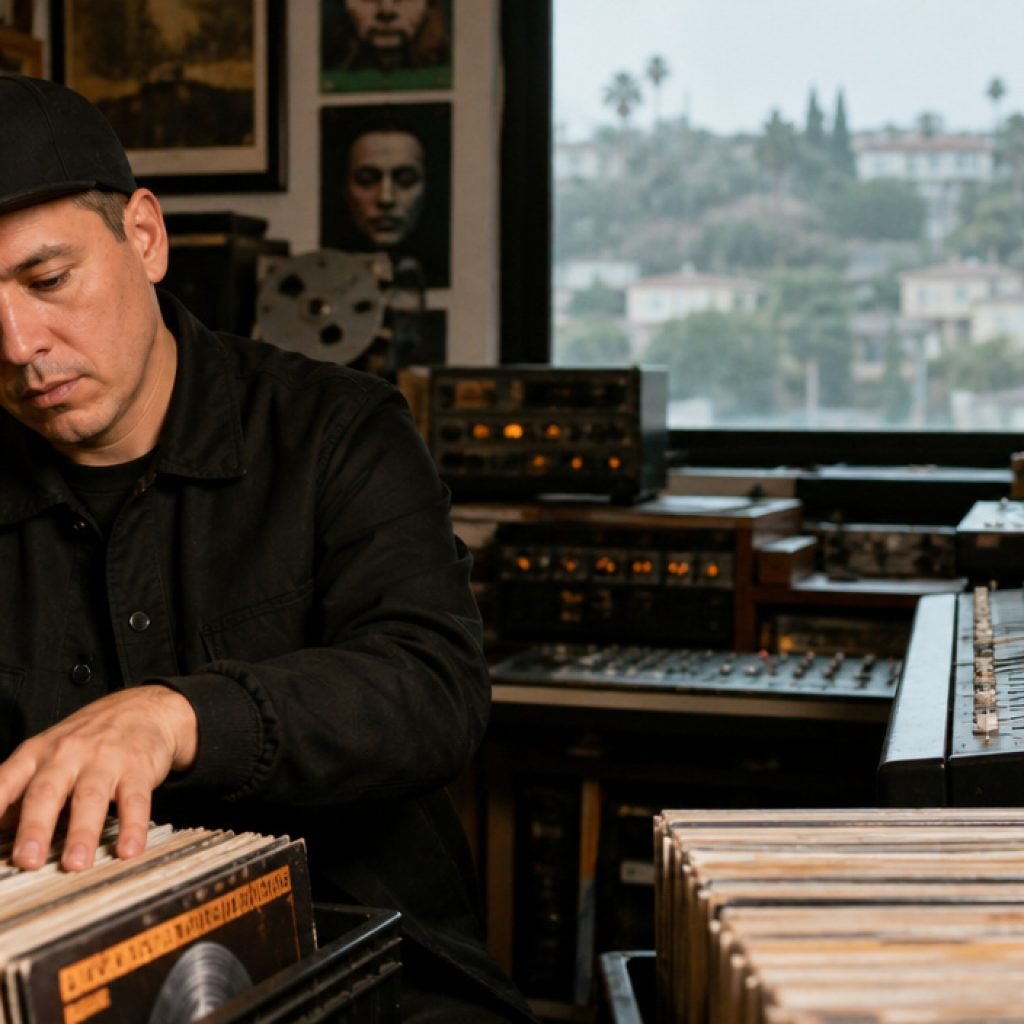
Survival in the music business is historically difficult, but surviving thirty years as an independent imprint is a feat of endurance. The transition from the mid-90s boom-bap era to the current streaming paradigm could have easily eroded the label’s relevance. Instead, Stones Throw leaned into the physicality of its brand. By prioritizing high-quality vinyl reissues and deep-catalog preservation, the label maintained a strong physical footprint while embracing digital distribution.
This agility is what separates Stones Throw from its peers. They managed to monetize the ‘crate-digging’ ethos, turning the act of discovering hidden musical gems into a sustainable business model. While other independent labels crumbled under the weight of declining physical sales, Stones Throw utilized its loyal fanbase to build a robust D2C (direct-to-consumer) ecosystem, ensuring that their artists—and the label itself—could continue to operate independently.
The Highland Park Homecoming
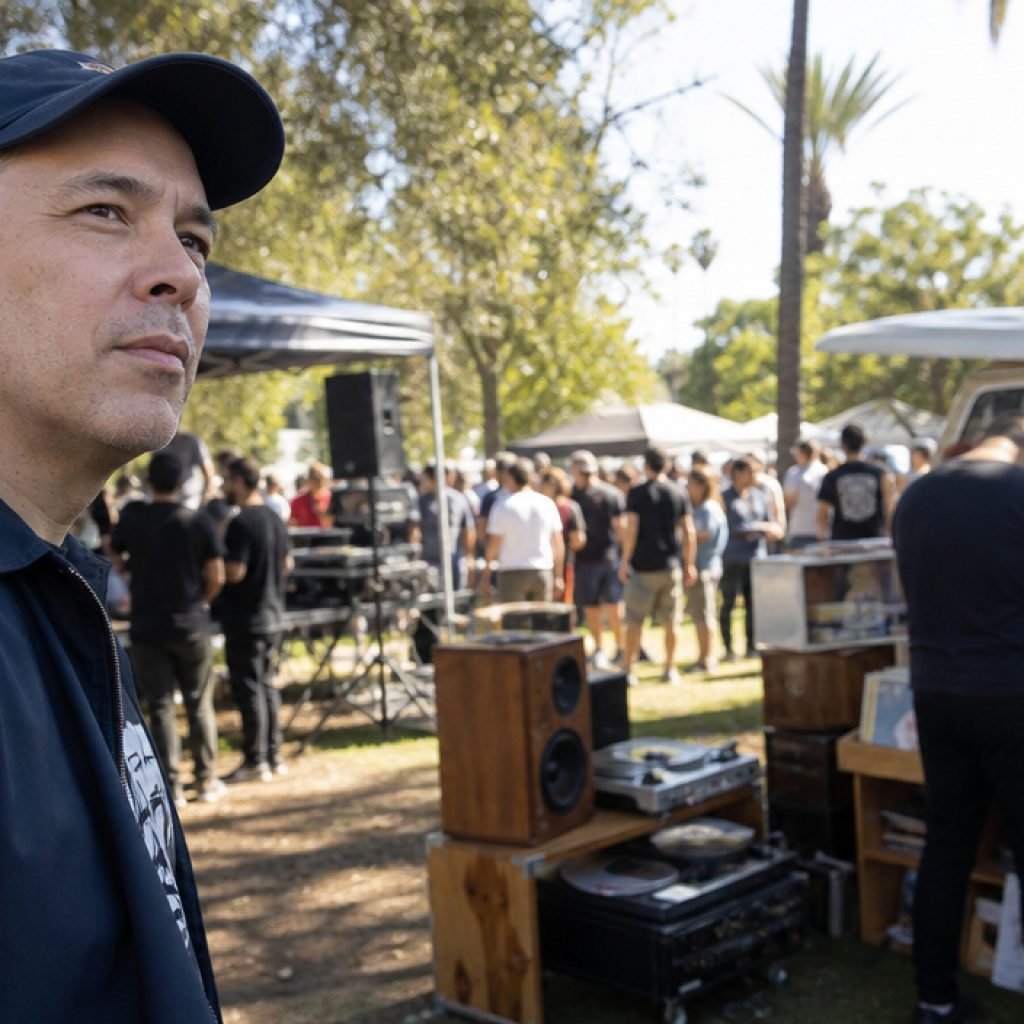
The choice of Highland Park for the 30th-anniversary celebration is poetic. Long considered a creative hub for artists and musicians, Highland Park reflects the label’s ethos of local grounding despite global influence. The three-day event (October 16-18) serves as both a retrospective of the label’s vast discography and a forward-looking statement of intent. It is an opportunity for the community that supported Stones Throw through three decades of fluctuating musical trends to congregate, celebrating the intersection of culture, art, and the specific L.A. grit that Peanut Butter Wolf has championed since the mid-90s.
As the festival approaches, the focus remains on the music. In an era where the shelf life of a viral hit is measured in weeks, Stones Throw has curated a catalog that demands to be listened to for lifetimes. Whether it is the intricate, dust-covered samples of Madlib or the experimental electronic fusions that the label has introduced in recent years, the consistency remains unchanged. The 30th-anniversary festival is more than just a party; it is a declaration that the ‘favorite rapper’s favorite label’ has no intention of slowing down.
FAQ: People Also Ask
Q: What is the significance of the Stones Throw 30th anniversary?
A: It marks three decades of independent operation in an industry known for high turnover. It celebrates the label’s pivotal role in elevating underground hip-hop to global critical acclaim.
Q: Who founded Stones Throw Records?
A: The label was founded in 1996 by Peanut Butter Wolf (Chris Manak).
Q: What specific event is happening in Highland Park?
A: Stones Throw is hosting a three-day festival from October 16-18 in Highland Park, L.A., to celebrate their 30th anniversary.
Q: Why is the label often called the ‘favorite rapper’s favorite label’?
A: The moniker reflects the high esteem in which the label is held by artists and producers. Its consistent track record of releasing critically acclaimed, highly influential work by artists like Madlib and J Dilla makes it a gold standard for authenticity in hip-hop.