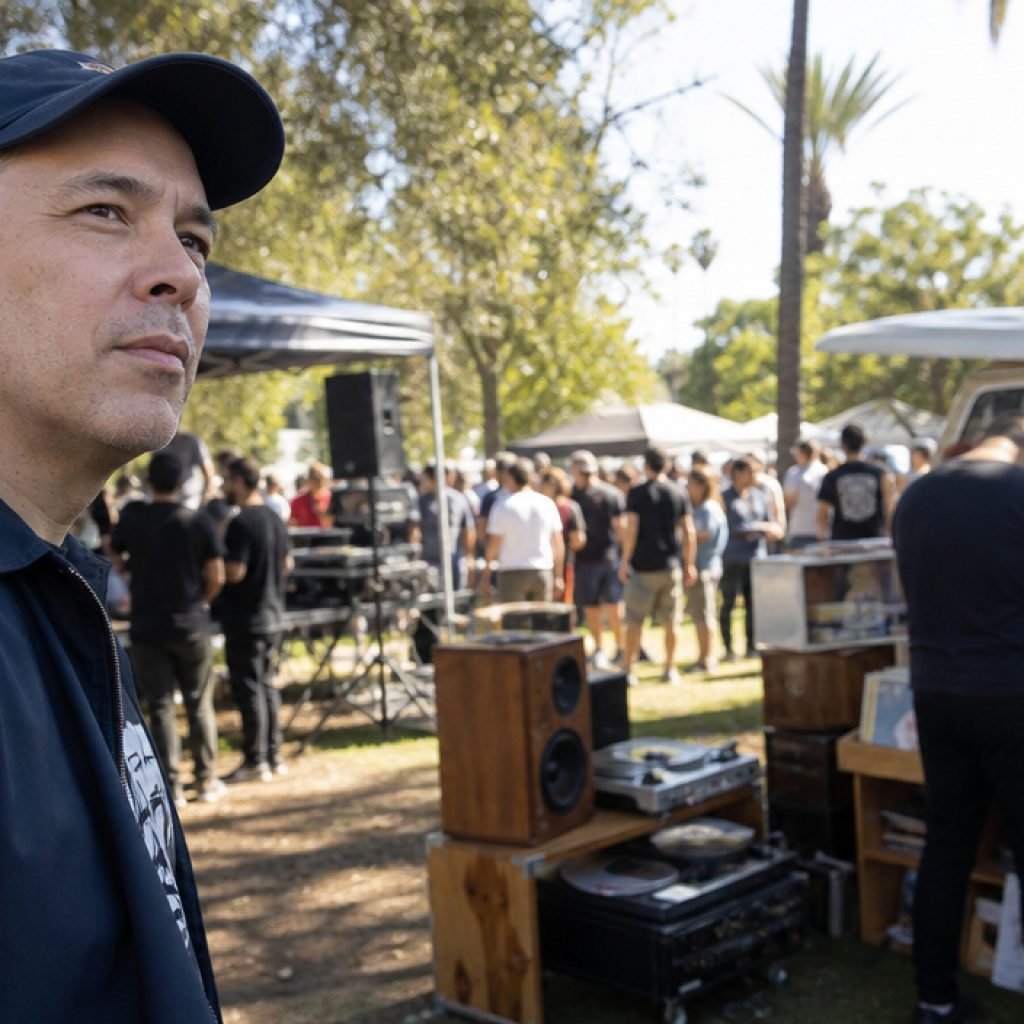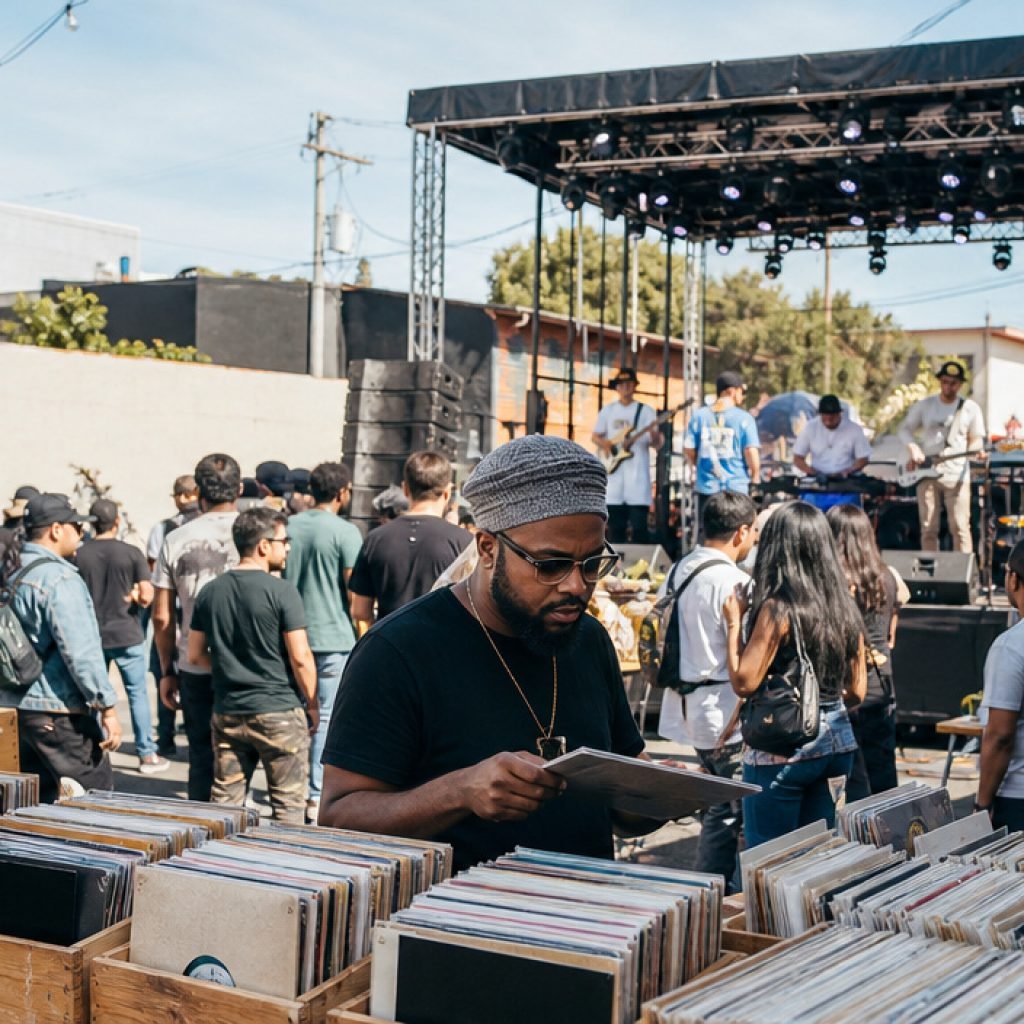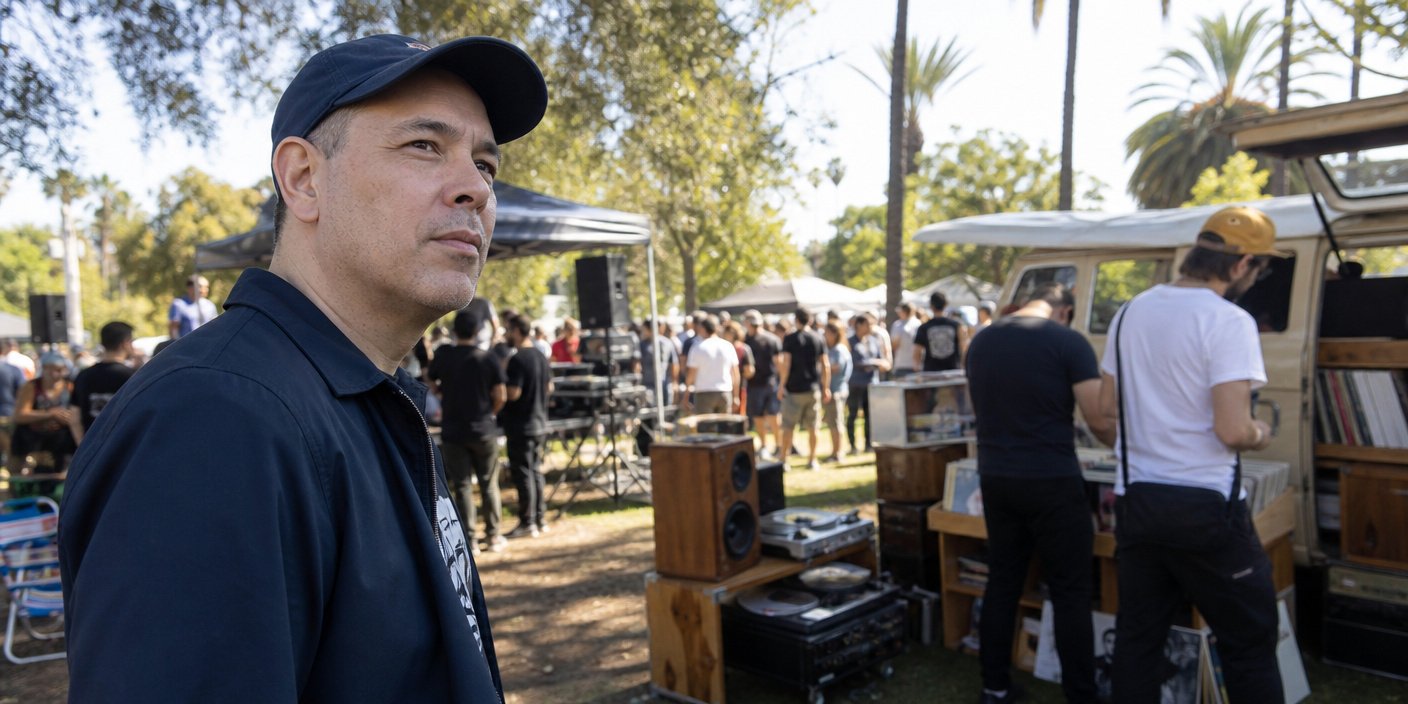
Stones Throw Records, the seminal independent label that cemented itself as hip-hop’s most revered tastemaker, is officially celebrating its 30th anniversary with an exclusive, three-day festival in Highland Park, Los Angeles, taking place from October 16-18, 2026. Founded by DJ and producer Peanut Butter Wolf, the label has evolved from a D.I.Y. operation run out of a bedroom into a globally recognized cultural institution that has consistently challenged the boundaries of hip-hop, funk, soul, and experimental music.
Key Highlights
- The 30th Anniversary Festival: A multi-day experiential event held in Highland Park, Los Angeles, from October 16-18, 2026.
- Legacy of Sound: Founded in 1996 by Peanut Butter Wolf, the label gained notoriety for its uncompromising creative freedom and the discovery of legendary artists like J Dilla and Madlib.
- Enduring Independence: Stones Throw is widely considered the “favorite rapper’s favorite label,” serving as a blueprint for artist-owned independent record labels in the digital age.
- Cultural Anchor: The Highland Park festival underscores the label’s deep ties to its Los Angeles roots, acting as both a homecoming and a look toward the future of the underground movement.
Three Decades of Uncompromising Sonic Architecture
The story of Stones Throw Records is not merely a chronicle of record sales or chart positions; it is a case study in the longevity of the artist-first model. When Peanut Butter Wolf (born Chris Manak) founded the label in 1996, the landscape of independent hip-hop was fractured, largely reliant on major label distribution deals that often stifled creative intent. Stones Throw emerged as the antithesis of this corporate structure.
By focusing on the “producer as auteur,” the label shifted the narrative. Instead of prioritizing the traditional rapper-focused model, the label elevated the role of the beatmaker, the sample-flipper, and the sound architect. This philosophy gave us seminal, history-altering albums like Madlib and MF DOOM’s Madvillainy (2004) and J Dilla’s Donuts (2006). These projects were not just albums; they were structural shifts in the genre, proving that high-art conceptualism could thrive outside the mainstream machinery.
The Highland Park Connection and the L.A. Sound
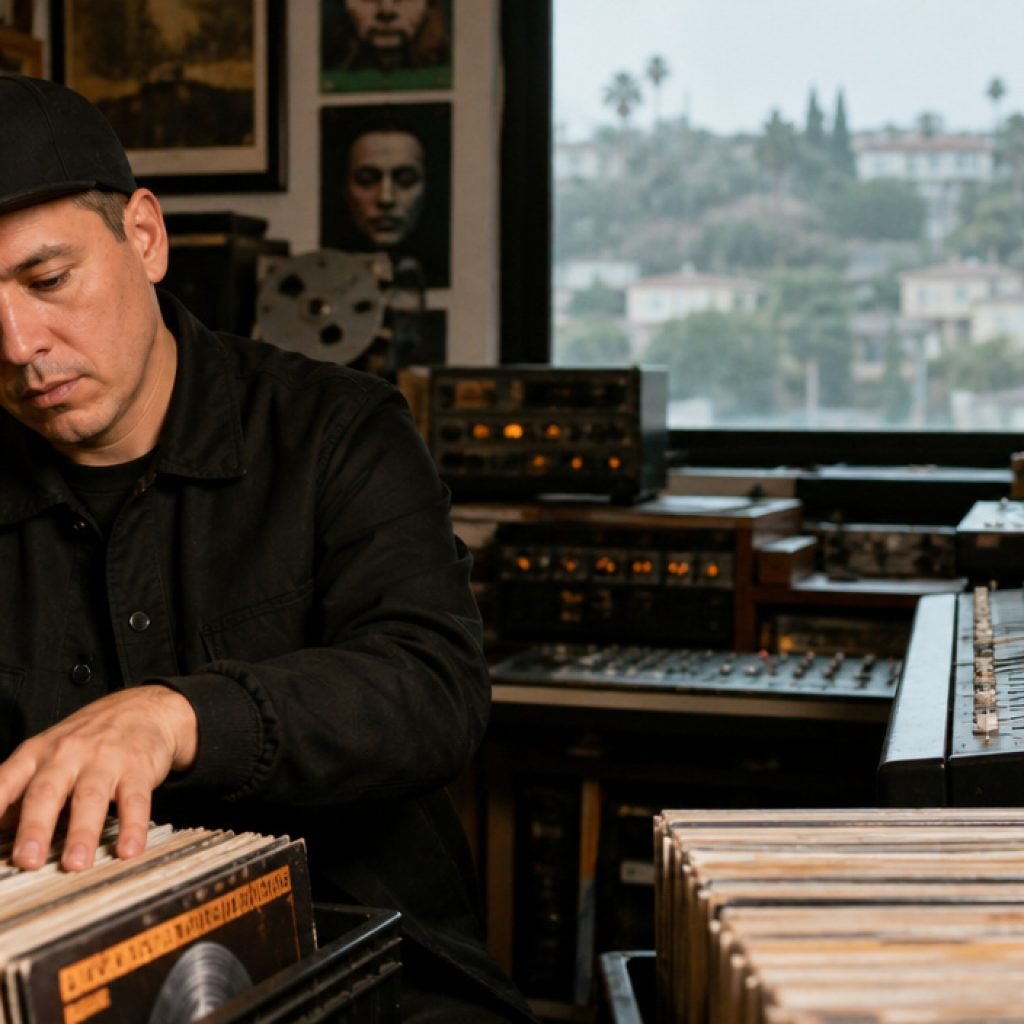
Stones Throw’s physical presence in Highland Park is not incidental; it is central to its identity. For decades, the label has served as a gravitational center for the Los Angeles underground beat scene. While other labels retreated from physical space to mitigate costs, Stones Throw doubled down on the concept of the “label as a community.” The Highland Park headquarters has functioned as an incubator, a record store, and a meeting ground for generations of musicians.
This geography is vital to the “L.A. Sound”—a blend of dusty, crate-digging aesthetics and futuristic, synth-heavy production that has influenced everything from modern R&B to experimental electronic music. The upcoming 2026 festival is expected to highlight this symbiosis, bringing together artists who cut their teeth in the Highland Park ecosystem alongside new, global acts that have been nurtured by the label’s expansive, genre-fluid vision.
Preservation, Vinyl, and the Digital Pivot
One of the most remarkable aspects of the Stones Throw narrative is its unwavering commitment to physical media. In an era where digital streaming has commoditized music into fleeting “content,” Stones Throw maintained a robust, highly curated vinyl program. By treating records as artifacts—investing in cover art, liner notes, and high-fidelity mastering—they built a loyal, multi-generational consumer base that values the tangible experience of music consumption.
This commitment to vinyl was not a nostalgic affectation but a strategic business model. It created a “collector culture” around the label, ensuring that even in years where industry-wide physical sales plummeted, Stones Throw fans remained active participants in the physical market. As we approach the 2026 anniversary, the label is actively integrating this heritage with digital innovation, using its 30-year archive to educate newer fans on the lineage of sample-based music.
The Business of “Cool”: Economics and Cultural Capital
From an economic standpoint, Stones Throw represents a triumph of niche sustainability. By avoiding the boom-and-bust cycles associated with mainstream pop, the label has cultivated a massive amount of “cultural capital.” This capital manifests in the form of collaborations, sync licensing, and its ability to consistently draw talent that could easily sign with larger conglomerates.
Industry analysts often point to Stones Throw as the “gold standard” for independent survival. By keeping overhead low and keeping the brand identity focused, they have successfully pivoted into fashion collaborations, documentary filmmaking, and now, large-scale event production. The 2026 Highland Park festival serves as the ultimate test of this model: scaling the intimacy of the underground experience into a high-production live event without losing the “D.I.Y.” soul that defined the brand in 1996.
Looking Toward 2026 and Beyond
As October 16, 2026, approaches, the industry’s eyes are turned to Highland Park. The festival is not just a celebration of the past; it is a positioning statement for the next decade. The label has continued to evolve beyond its boom-bap roots, embracing artists like Mild High Club and Mayer Hawthorne, proving that “Stones Throw” is a brand of quality, not a sub-genre of hip-hop.
Whether it is the re-release of out-of-print classics or the development of new, experimental rosters, the label continues to fight for its place in an increasingly algorithm-driven market. For the underground scene, Stones Throw remains the standard-bearer. Their ability to remain relevant while refusing to compromise their aesthetic is the defining achievement of their thirty-year run. The 2026 festival will be more than just a celebration; it will be a testament to a label that, despite the shifting sands of the music industry, has never strayed from its initial mission: to find the best music, preserve it, and share it with the world on its own terms.
FAQ: People Also Ask
Q: What is the significance of the 2026 Stones Throw festival?
A: The festival marks the label’s 30th anniversary. It is a milestone event that celebrates the label’s history, its impact on independent hip-hop, and its ongoing role as a cornerstone of the Highland Park music scene.
Q: Who founded Stones Throw Records and when?
A: The label was founded in 1996 by Chris Manak, professionally known as Peanut Butter Wolf. It was created to release the music he and his collaborators were making in the burgeoning independent hip-hop scene.
Q: Why is Stones Throw called “your favorite rapper’s favorite label”?
A: The label earned this moniker due to its immense influence on artists and producers. Its discography, which includes seminal albums by J Dilla and Madlib, is widely cited by industry professionals and musicians as the pinnacle of creative integrity and production quality in underground hip-hop.
Q: Will the 2026 festival focus only on hip-hop?
A: While rooted in hip-hop, Stones Throw has long expanded into soul, funk, indie, and experimental music. The festival is expected to reflect this eclectic curation, highlighting the genre-defying artists that have been a part of the label’s evolution over the last three decades.