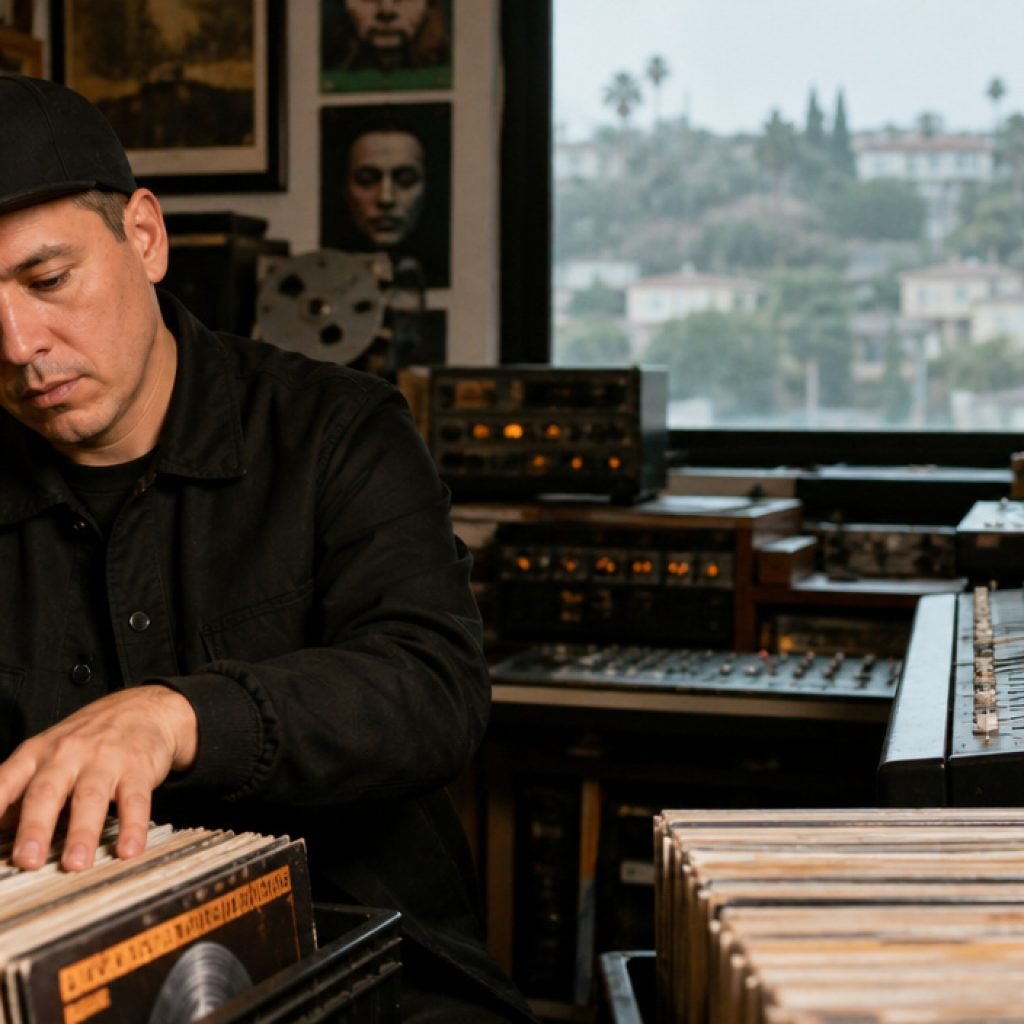
At 60 years old, Todd Anthony Shaw—globally recognized as the hip-hop titan Too $hort—is far from putting the microphone down. In a recent confirmation that has electrified the rap community, the Oakland icon revealed that he is currently working on a brand-new studio album produced entirely by the legendary Crunk pioneer, Lil Jon. This collaboration marks a significant intersection of West Coast “pimp-rap” heritage and the explosive, high-energy Southern production style that defined the 2000s, signaling a new, mature chapter for one of the genre’s most enduring figures.
Key Highlights
- The Milestone: Too $hort has reached his 60th birthday, positioning him as one of the few pioneers from the 1980s era still actively recording and touring.
- The Lil Jon Connection: The upcoming album will be a collaborative project fully produced by Atlanta-based producer and rapper Lil Jon, blending their distinct stylistic histories.
- A New Era: Too $hort is openly embracing his role as a “senior citizen” of hip-hop, focusing on legacy and the evolution of the genre rather than chasing fleeting trends.
- Historical Foundation: The project serves as a bridge between the independent “hustle” model that Too $hort pioneered in the 80s and the commercial dominance of the Dirty South.
The Evolution of a Bay Area Icon
To understand the magnitude of this announcement, one must look back at the architectural role Too $hort played in the development of American hip-hop. Emerging from Oakland, California, in the early 1980s, Shaw was not merely a rapper; he was an entrepreneur. He is famously credited with pioneering the direct-to-consumer distribution model, selling cassettes out of the trunk of his car long before the digital age made independent distribution a standard business practice. By the time he signed with Jive Records, he had already built a regional empire that allowed him to maintain creative control in a way few other artists could.
At 60, his narrative has shifted from the “dangerous” youth of the Oakland streets to the measured perspective of an industry elder. This transition is rare in a genre that historically prioritizes youth culture above almost everything else. While many of his contemporaries have stepped away from the studio, Too $hort has remained consistent, consistently finding ways to remain relevant by leaning into his core identity. His “senior citizen” era is not defined by slow-paced nostalgia but by a strategic refinement of his craft.
The Lil Jon Synergy: A Strategic Reunion
The decision to hand the production reins entirely to Lil Jon is a calculated masterstroke. Lil Jon, the architect of Crunk, rose to national prominence years after Too $hort had already cemented his legacy, yet they share a deep mutual respect. Their previous collaborations, most notably on tracks like “Sway,” proved that their contrasting styles—Too $hort’s steady, rhythmic, conversational delivery and Lil Jon’s high-octane, aggressive soundscapes—create a unique sonic friction that works exceptionally well.
By tasking Lil Jon with the full production duties, Too $hort is effectively outsourcing the sonic direction of the project to a master of the craft, allowing himself to focus entirely on the lyrical content. This is a common move for legacy artists looking to revitalize their sound without losing their identity. For Lil Jon, producing a full album for an OG like Too $hort is a prestige project, an opportunity to showcase versatility beyond the club anthems that made him a household name.
Hip-Hop’s ‘Senior Citizen’ Reality Check
The broader industry context here is the maturation of hip-hop as a whole. We are witnessing the first generation of rappers to reach their 60s and 70s, and this creates new economic and cultural paradigms. Too $hort’s willingness to discuss this “senior” status reflects a growing trend where hip-hop artists are no longer expected to “retire” at 30 or 40. Instead, they are becoming legacy acts with loyal fanbases that span generations.
This album represents more than just new music; it is a test case for how “legacy” acts can successfully navigate modern platforms while maintaining the rugged, independent ethos that built their careers. It challenges the assumption that hip-hop is a young person’s game by proving that, at 60, the “pimp-rap” pioneer still has a relevant voice and a distinct place in the market.
Sustaining the Independent Hustle
One cannot discuss Too $hort without discussing the business of hip-hop. Throughout his 40-plus-year career, he has navigated the pitfalls of the major label system, the rise and fall of physical media, and the emergence of the streaming economy. His longevity is a direct result of his adaptability. By keeping his overhead low and his touring schedule high, he has maintained a level of independence that protects him from the volatility of the industry.
This new project, while produced by Lil Jon, is expected to continue this trend of high-efficiency, high-output production. It reinforces the lesson that Too $hort has taught for four decades: control your rights, control your sound, and never stop working. Whether this album breaks streaming records or simply satisfies his massive, dedicated fanbase, it serves as a testament to his career longevity and professional discipline. As the hip-hop industry continues to grapple with its own aging process, artists like Too $hort are providing the blueprint for what the “senior years” of a rap career can look like: consistent, profitable, and uncompromisingly authentic.
FAQ: People Also Ask
Does Too $hort plan to retire after this album?
No. In recent interviews, Too $hort has emphasized that he has no plans to stop his hip-hop voyage, viewing his career as a lifelong commitment rather than a temporary phase.
Why did Too $hort choose Lil Jon for this project?
While not explicitly stated in minute detail, the collaboration is built on years of professional mutual respect and their prior successful history of working together, which blends the West Coast and Southern hip-hop sensibilities.
Is this Too $hort’s final album?
There has been no indication that this is a final project. On the contrary, the artist appears energized by the collaborative process with Lil Jon, suggesting this may be a revitalizing moment in his catalog.
How does this album differ from his 1980s work?
While maintaining his signature flow and thematic consistency, the production will be firmly rooted in Lil Jon’s high-energy, modern sound, providing a stark contrast to the minimalist, drum-machine-heavy production of his early Oakland-based tapes.