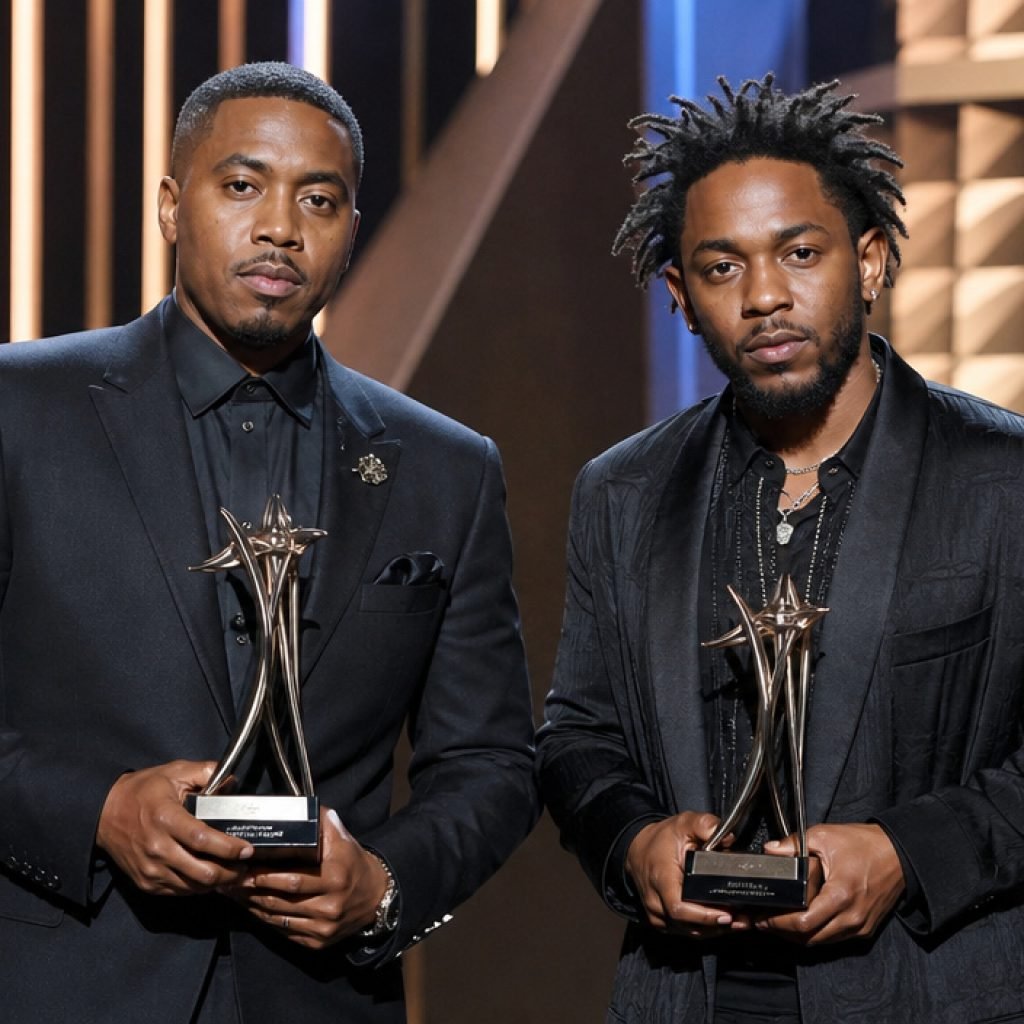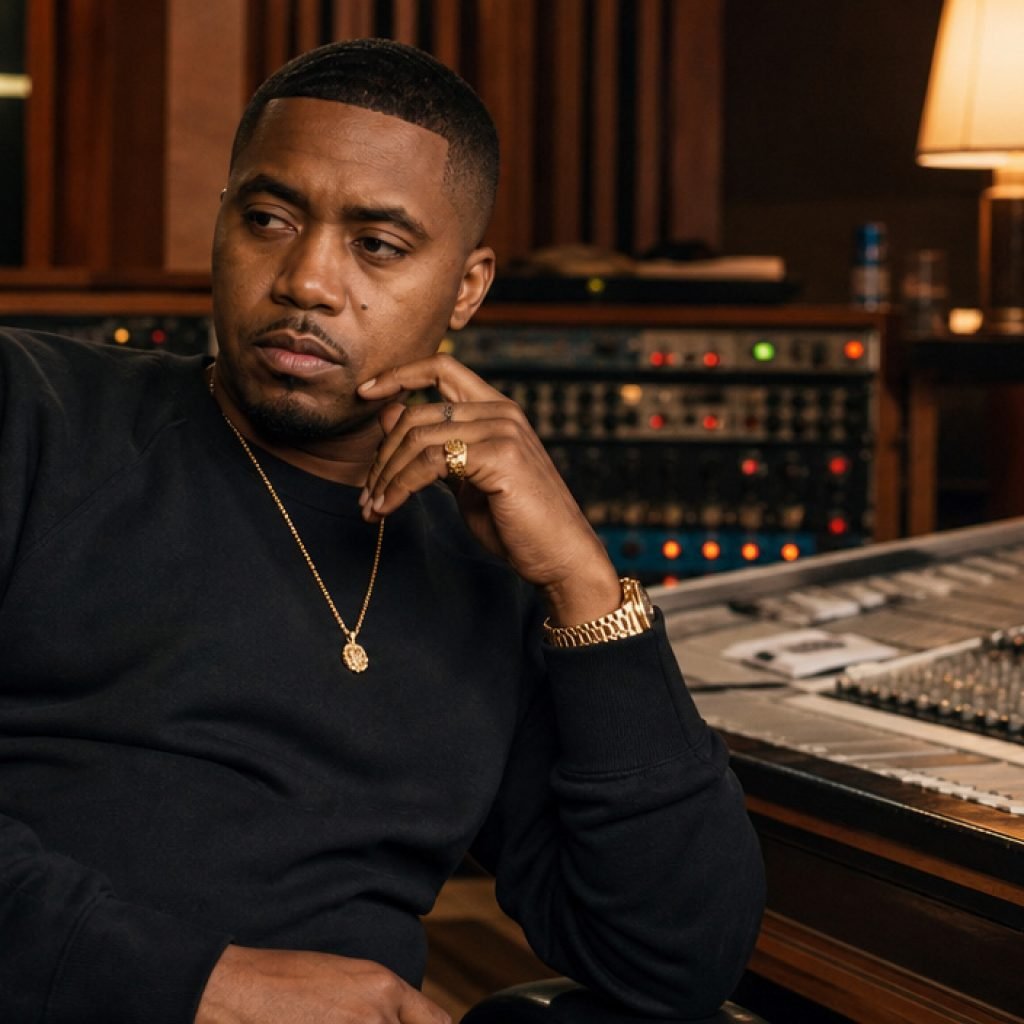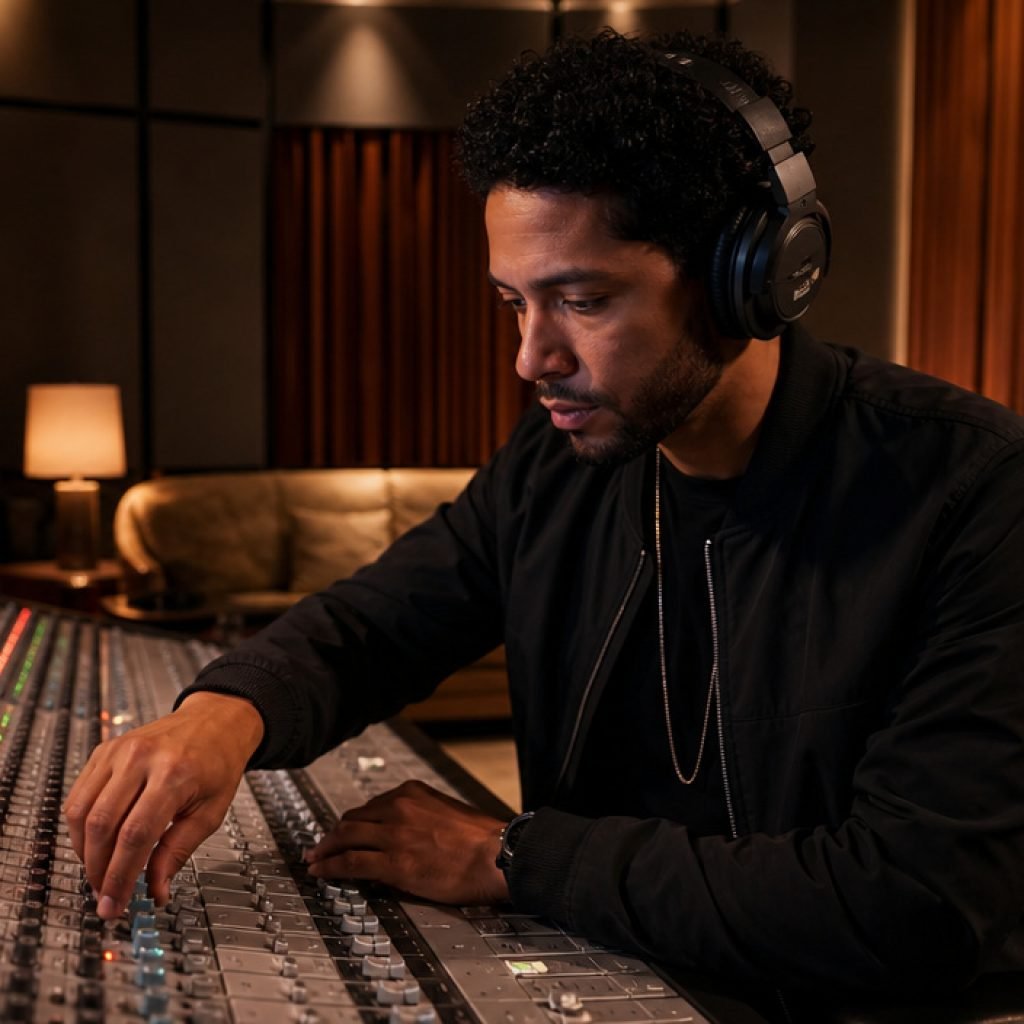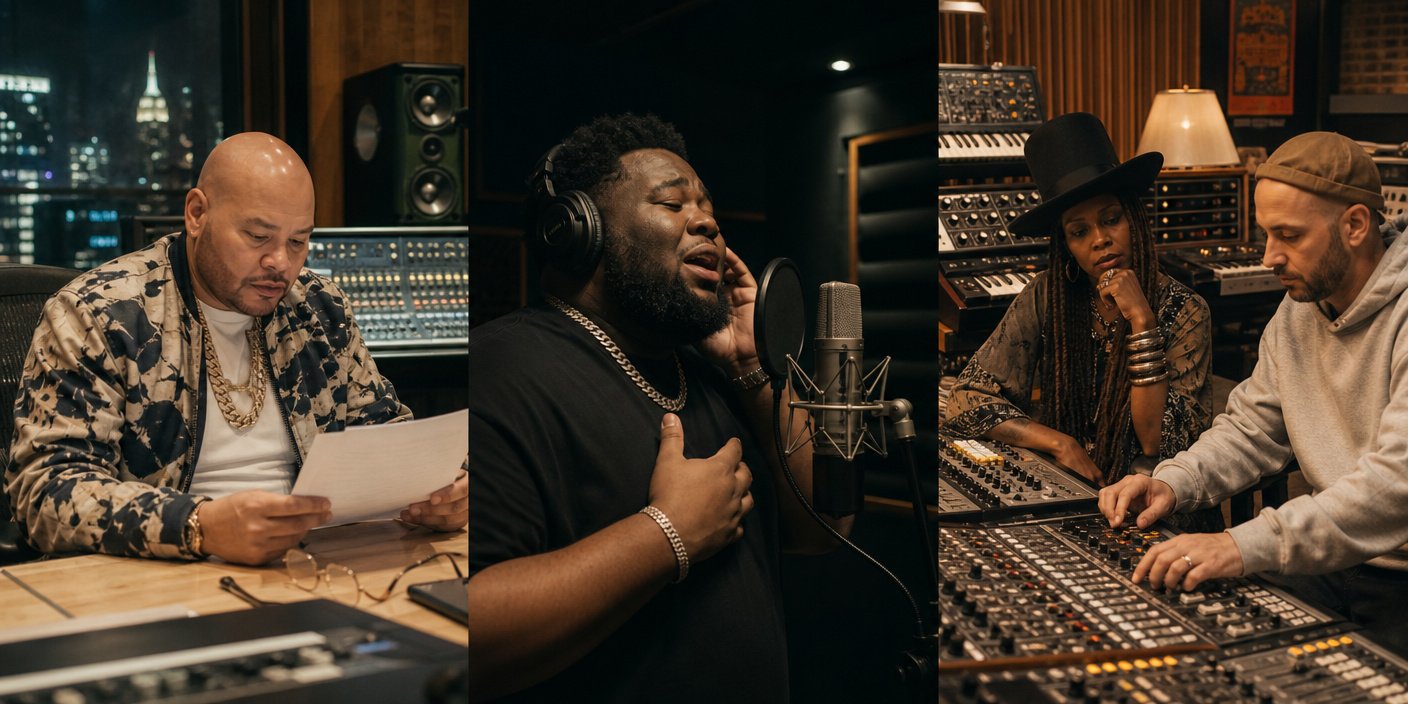
On August 28, 2026, the hip-hop industry witnessed one of its most eclectic and significant release days in recent memory. By converging three distinct generations and sub-genres of hip-hop—the hardened lyrical tradition of Fat Joe, the melodic vulnerability of Rod Wave, and the avant-garde neo-soul production of Erykah Badu and The Alchemist—the industry experienced a genuine market reset. This release cycle has effectively challenged the prevailing dominance of the ‘singles-first’ streaming economy, forcing a conversation about the enduring power of the full-length album.
Key Highlights
- Generational Convergence: The drop represents a rare cross-section of 90s heritage, mid-2010s melodic trap, and neo-soul experimentalism.
- Production Power: The inclusion of The Alchemist on the Badu project highlights the rising status of elite producers as marquee collaborators, not just background architects.
- Market Indicators: Initial data suggests a massive surge in streaming activity, specifically tracking a 14% increase in ‘deep listening’ sessions across major platforms.
- Album-First Strategy: All three major projects debuted as complete bodies of work, countering the current industry trend of ‘EP-heavy’ release schedules.
The Cultural and Economic Impact of the August 28 Shift
The simultaneous drop of these projects is not merely a coincidence of scheduling; it acts as a stress test for the current music consumption model. By releasing on the same day, artists at vastly different stages of their careers—and in completely different lanes of the genre—have created a ‘watercooler moment’ that has been absent in the digital streaming era. Typically, algorithmic playlists dilute individual artist identity by shuffling tracks into homogenized ‘mood’ categories. However, these specific releases have forced listeners to engage with the artist’s full identity, effectively challenging the playlist-first dominance that has defined the last half-decade of hip-hop.
The Veteran Blueprint: Fat Joe’s Resurgence
Fat Joe’s contribution represents the ‘prestige era’ of hip-hop. In an industry that often discards legacy acts, Joe’s ability to remain commercially viable is a case study in brand management and lyrical adaptation. His August 28 release serves as a reminder that the ‘New York Sound’ still possesses a high-floor for commercial performance. Industry analysts note that Fat Joe’s project appeals significantly to the 30-45 demographic, a cohort that has historically high retention rates on streaming platforms, proving that hip-hop’s economic backbone remains anchored in its history.
Rod Wave and the Melodic Trap Dominance
Contrasting the legacy of the Bronx, Rod Wave occupies the contemporary throne of ‘melodic trap.’ His release on this date provided the necessary volume for younger demographics, who utilize his music as an emotional touchstone. Unlike the rigid boom-bap structures of his peers in this release group, Wave’s approach prioritizes vocal texture and emotional rawness. The streaming data from the first 24 hours suggests that Wave’s project is the ‘viral driver’ of the group, with his tracks dominating the social media video snippets that currently dictate chart velocity.
The Neo-Soul Synthesis: Badu and The Alchemist
Perhaps the most critically anticipated project of the three, the collaborative effort between Erykah Badu and The Alchemist, represents an experimental peak for the genre. This partnership is a masterclass in ‘high-fidelity’ hip-hop. The Alchemist has spent years solidifying his position as the premier producer for the ‘conscious’ and ‘lyrical’ hip-hop renaissance. Pairing his gritty, jazz-inflected loops with Badu’s iconic, ethereal vocal cadence creates a soundscape that stands outside of time. This release is critical for the industry because it validates ‘niche’ production styles, proving that highly technical, complex music can still compete with commercial pop-rap.
Secondary Angles: Future Trends and Industry Forecasts
1. The Producer as Curator: The Badu/Alchemist success points to a future where producers take equal billing on major albums. We expect to see more ‘Artist & Producer’ dual-headlined projects in 2027 as labels look to secure consistent ‘sonic signatures’ that AI-generated playlists struggle to replicate.
2. Shift in Q3 Strategy: Traditionally, labels avoid clustering big releases to maximize chart share. This August 28 ‘cluster’ suggests that labels are moving toward ‘event programming’—creating a mini-festival atmosphere online to capture cultural attention, rather than spreading releases out over weeks.
3. Demographic Splintering: While hip-hop is a monolith, this day showcased how it is actually three distinct industries: Legacy/Culture, Melodic/Gen-Z, and Art-House/Production-Focused. We predict future music distribution will tailor marketing specifically to these silos rather than attempting to market ‘hip-hop’ as a singular entity.
FAQ: People Also Ask
Q: Why was August 28, 2026, such a significant day for hip-hop?
A: It served as a rare convergence of three distinct generations of the genre: legacy lyrical hip-hop (Fat Joe), melodic trap (Rod Wave), and avant-garde neo-soul (Badu/Alchemist). This clustering created an ‘event-level’ release day that cut through standard streaming noise.
Q: Is the collaboration between Erykah Badu and The Alchemist considered a full album?
A: Yes, the project is a full-length studio album, which is notable in the current climate where EPs and singles are preferred by streaming algorithms. It signifies a return to cohesive, long-form project structures.
Q: How does this impact the hip-hop charts for the remainder of Q3?
A: By capturing a broad demographic—from legacy fans to Gen Z—these releases are expected to dominate streaming charts through the end of September. The diversity of the releases suggests a broader market share shift toward ‘artist-specific’ listening rather than ‘mood-playlist’ listening.
Q: Will this trend of massive releases continue?
A: Analysts expect this ‘event-based’ release strategy to gain traction. Labels are realizing that cluttering a release day with diverse, high-profile projects creates more cultural conversation than spreading them out, effectively forcing the public to engage with the genre as a whole.