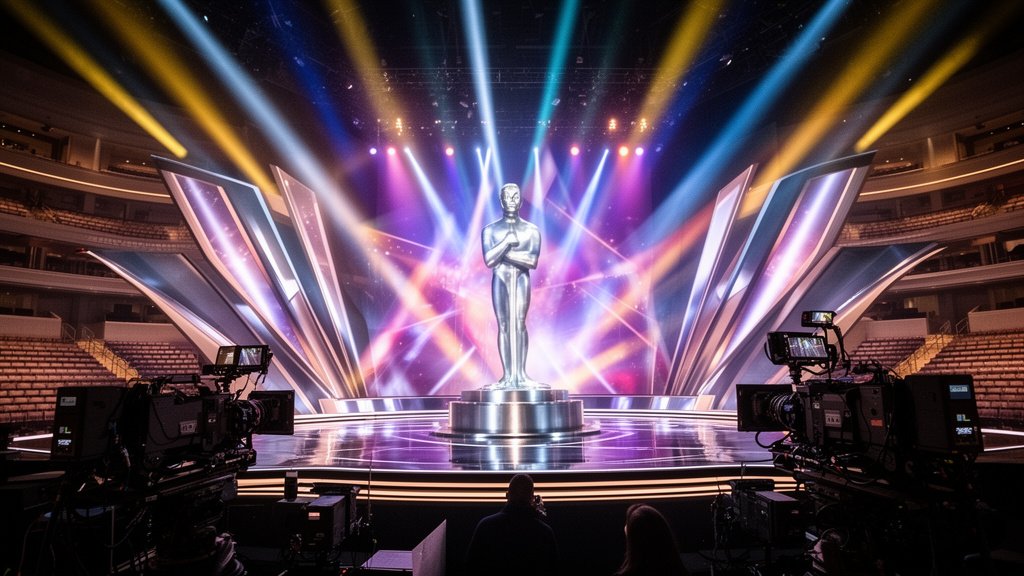
The Soul Train Awards are set to reclaim their place in the cultural zeitgeist. After a three-year hiatus that left a significant void in music awards programming, BET has officially confirmed that the legendary franchise will return on November 27, 2026. This year’s ceremony promises a revitalized approach to honoring the best in soul, R&B, and hip-hop, bringing a high-profile production to Chicago. In a major development for the brand, the event will be simulcast on CBS, marking the first time in the network’s history that it will broadcast this storied celebration, signaling a broader push to reach legacy and digital audiences alike through cross-platform distribution.
Key Highlights
- Return from Hiatus: The Soul Train Awards resume operations following a three-year break, revitalizing one of music’s most historic award platforms.
- Strategic Broadcast Partnership: The event will be simulcast on both BET and CBS on November 27, 2026, marking a landmark debut for CBS as a broadcast partner.
- Chicago Host City: The awards ceremony will be held in Chicago, chosen as the epicenter for this year’s production to honor the city’s rich musical legacy.
- Brand Synergy: Spotify and Toyota are confirmed as the primary presenters, underscoring a modern business model that leans heavily on streaming-era integration and major brand partnerships.
The Resurgence of a Cultural Institution
The decision to bring back the Soul Train Awards is not merely a scheduling choice; it represents a tactical maneuver by Paramount-owned BET to re-establish the brand’s dominance in the music industry. The three-year hiatus prompted industry experts to question the future of legacy award shows in a fractured media landscape. However, the return of Soul Train suggests that the cultural cachet associated with the ‘Soul Train’ name—originally created by the legendary Don Cornelius—remains a powerful commodity.
By securing a simulcast with CBS, BET is effectively bridge-building between its core cable audience and the broader reach of terrestrial broadcast television. This dual-network approach is increasingly common for marquee live events, serving to amplify audience numbers while creating an ‘event’ status that is harder to achieve on niche platforms alone. For viewers, this means a high-gloss, premium production level that aligns with the expectations of modern awards shows like the Grammys or the Billboard Music Awards.
The Strategic Value of the Chicago Location
Moving the ceremony to Chicago is a calculated homage to the genre’s roots while also serving a practical production purpose. Chicago has historically been a nexus for soul, blues, and gospel music, providing an authentic backdrop that aligns with the Soul Train identity. Beyond the cultural optics, the location offers a massive, centralized hub for artists traveling from the East and West Coasts. The city’s infrastructure for large-scale live productions has seen significant investment in recent years, making it an ideal choice for a show that emphasizes spectacle, dance, and live performance. The choice of Chicago reflects a conscious effort to move away from the saturated Los Angeles and New York markets, providing a fresh venue that can serve as a long-term home for the franchise.
Corporate Synergy in the Streaming Age
The involvement of Spotify and Toyota as presenters highlights the evolving funding models for televised award shows. In an era where traditional advertising spend on linear TV is fluctuating, integrating major consumer brands directly into the ‘presenter’ or ‘partner’ role is essential for maintaining production value. Spotify’s participation is particularly telling; as the primary distributor of music globally, their sponsorship data can help tailor the performer lineups and award categories to reflect current listening habits, potentially bridging the gap between legacy soul fans and younger streaming demographics.
Toyota’s presence, meanwhile, suggests a focus on the ‘lifestyle’ demographic—automotive advertising remains one of the largest drivers of live event revenue. By aligning with these two entities, the Soul Train Awards is positioning itself as a modern, multi-platform media asset rather than a dusty relic of the past. The success of this 2026 return will likely set the blueprint for how heritage media brands leverage corporate partnerships to survive the transition into the streaming-first economy.
Future Outlook and Cultural Impact
Looking forward, the November 27, 2026, date is a strategic placement, likely timed to coincide with the post-Thanksgiving holiday window, a period when family viewership and television engagement are historically high. This allows the show to capture a multi-generational audience. If the production values meet the hype, the return of Soul Train could signal a renaissance for black music-focused awards programming. The industry is currently watching closely to see if the CBS integration will translate into a significant bump in viewership numbers, which could influence future programming decisions across the entire BET portfolio. The pressure is on the production team to honor the past while delivering the technological innovation that modern audiences demand.
FAQ: People Also Ask
Q: Why was there a three-year hiatus for the Soul Train Awards?
A: The hiatus was part of a strategic pause in the brand’s production schedule to evaluate the evolving landscape of televised awards shows and to realign the event’s distribution strategy, culminating in the new partnership with CBS.
Q: How can I watch the 2026 Soul Train Awards?
A: The event will be simulcast on both BET and CBS, providing widespread access across both cable and broadcast television channels.
Q: Why is the event being held in Chicago this year?
A: Chicago was selected for its historic ties to soul music and to provide a fresh, authentic backdrop that distances the show from the traditional Los Angeles-based award show circuit.
Q: Will Spotify and Toyota be involved in future events?
A: While specific multi-year contracts have not been disclosed, their roles as primary presenters for the 2026 ceremony signal a deep, collaborative partnership intended to anchor the event’s production quality for this return cycle.