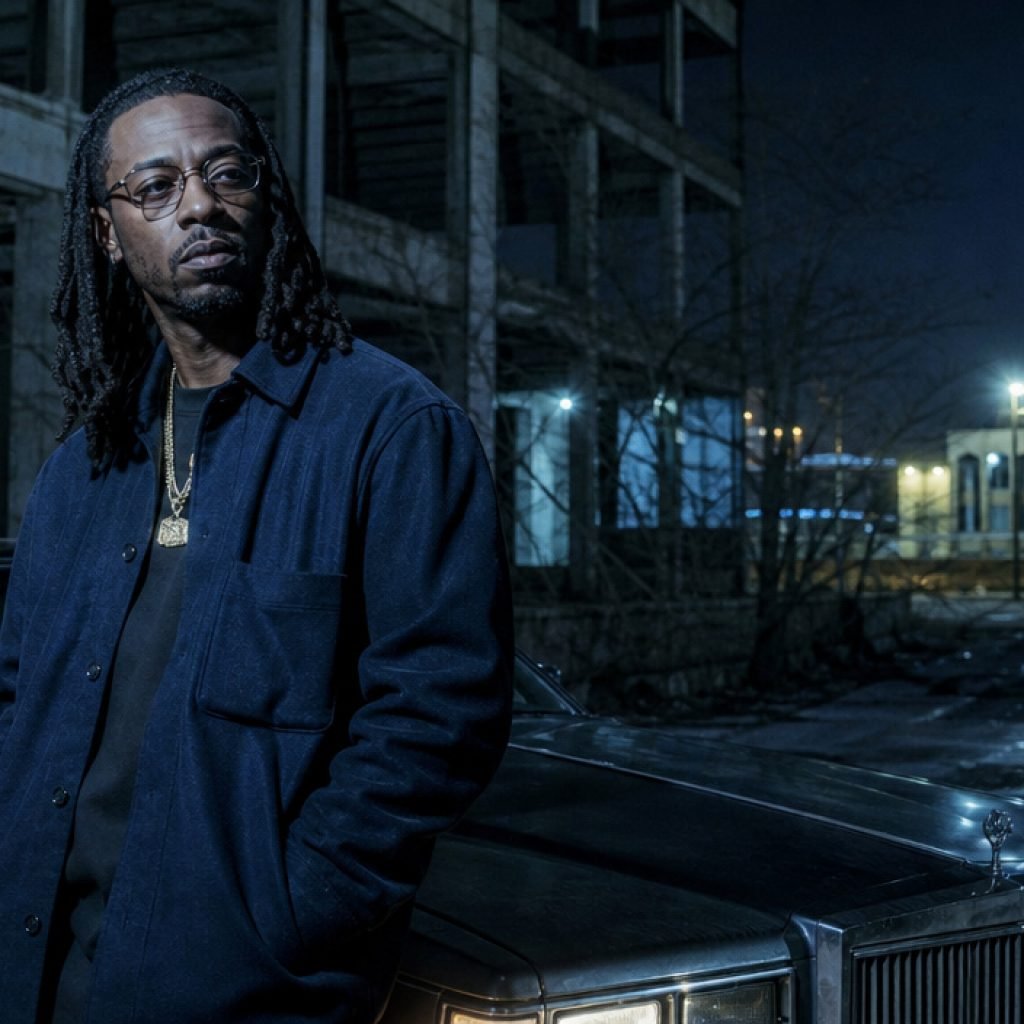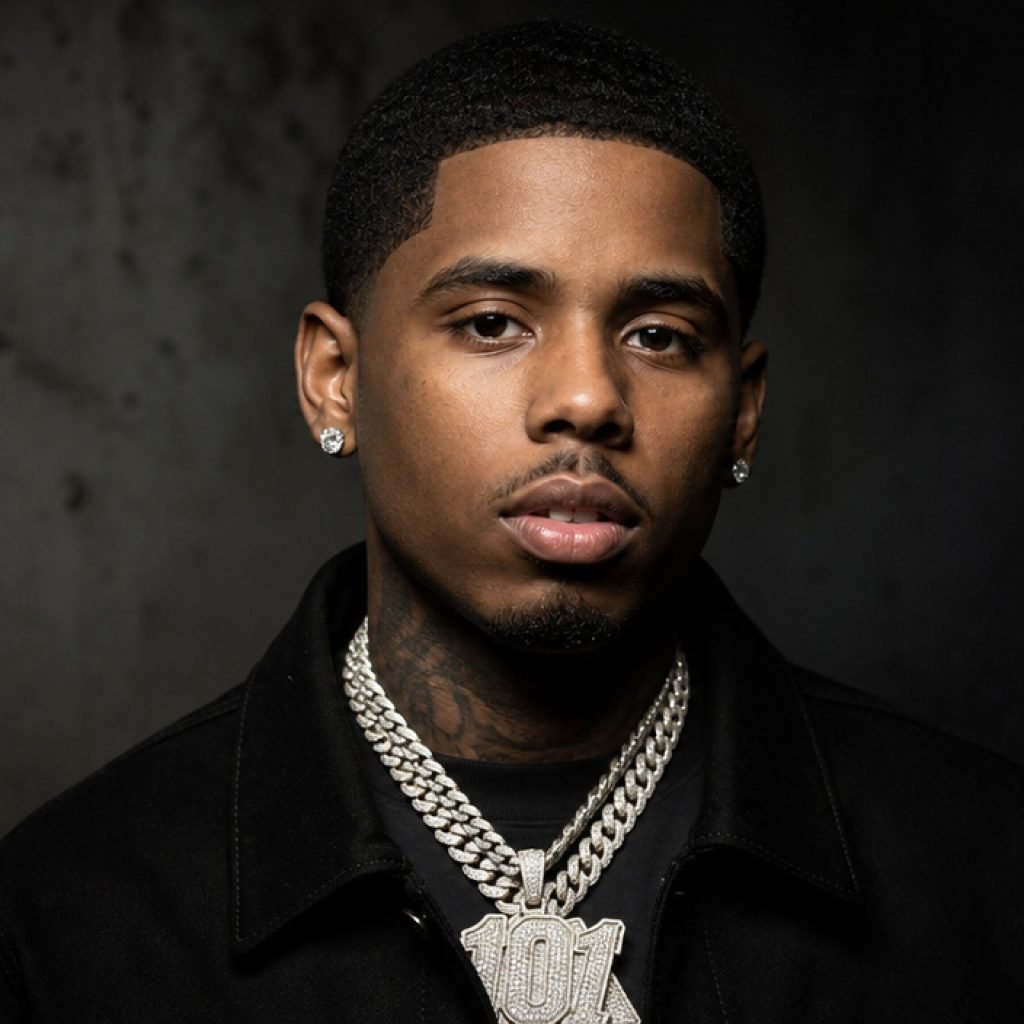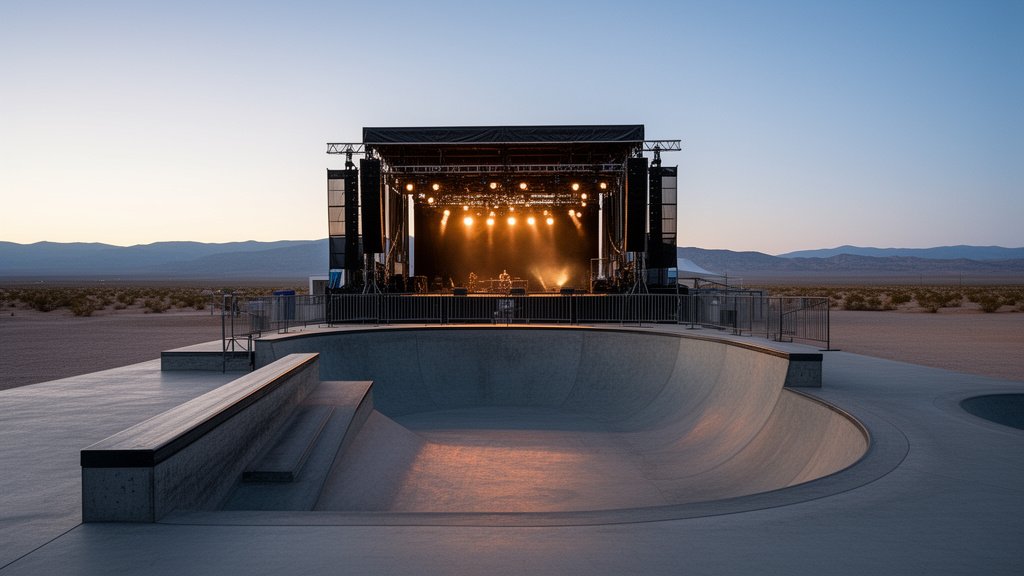
LAS VEGAS — The wait is finally over for fans of the desert’s most eclectic cultural gathering. The Extreme Thing Sports & Music Festival has officially announced its return to Las Vegas for 2027, promising a resurgence of the unique, high-octane blend of competitive action sports and diverse musical programming that once defined the local cultural calendar. With early bird tickets becoming available for purchase starting today, September 4, 2026, organizers are signaling a massive, revitalized comeback for the brand.
Key Highlights
- Return Confirmed: The Extreme Thing Sports & Music Festival will officially return to Las Vegas in 2027.
- Early Bird Access: Tickets for the event go on sale to the general public starting today, September 4, 2026.
- Signature Format: The 2027 festival will double down on its historical identity, blending hip-hop, punk, and metal alongside action sports.
- Cultural Impact: The event aims to reconnect with its legacy of fostering local culture in Las Vegas, serving as a hub for both established acts and local talent.
The Resurrection of a Las Vegas Cultural Staple
For nearly two decades, the name “Extreme Thing” was synonymous with the unique soul of Las Vegas culture—a place where the grit of punk rock, the technicality of metal, and the rhythmic urgency of hip-hop intersected with the adrenaline of skate and BMX culture. The announcement that the festival is returning in 2027 is not merely a scheduling update; it is the reactivation of a dormant cultural ecosystem. As Las Vegas continues to pivot toward becoming a global sports and entertainment capital, the return of this specific festival bridges the gap between the city’s historic underground scene and its modern status as a premiere event destination.
The Anatomy of a Genre-Bending Festival
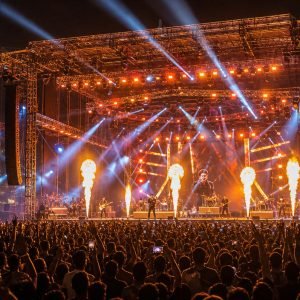
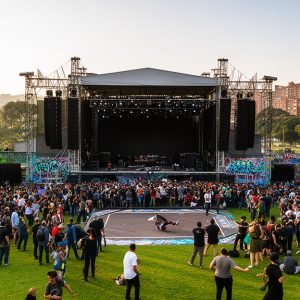
What historically set Extreme Thing apart from the homogenized festival circuit was its refusal to stick to a single lane. In an industry increasingly dominated by genre-specific festivals, Extreme Thing thrived on contradiction. It was common to see a mosh pit for a hardcore band followed by a high-energy hip-hop set, all within the perimeter of a professional-grade skate park. This synthesis wasn’t just a gimmick; it was a reflection of the city’s own diverse demographic and the evolution of taste among younger generations who consume music in non-linear, playlist-curated ways.
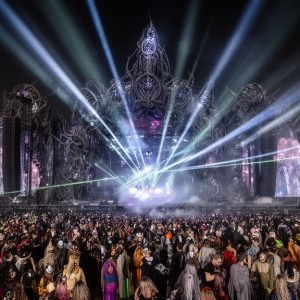
By re-entering the market in 2027, the organizers are betting on the enduring popularity of this “all-inclusive” sonic experience. Modern music festivals have largely trended toward singular vibes—coastal electronic music festivals or stadium-sized pop events—but there remains a persistent, underserved appetite for the raw, DIY energy that this festival pioneered. Analysts suggest that by maintaining its “hip-hop, punk, and metal” core, the festival will effectively position itself as a counter-cultural alternative to the hyper-commercialized events that currently dominate the Las Vegas Strip.
Economic Drivers and the ‘Youth Tourism’ Sector
Beyond the mosh pits and the half-pipes, the return of Extreme Thing carries significant economic weight. While Las Vegas has historically relied on high-end residencies, gaming, and luxury dining, the return of a mid-to-large-scale festival of this nature taps into a different, crucial demographic: regional travelers and the “youth tourism” market. The financial feasibility of bringing back a legacy festival in 2027 is bolstered by the city’s improved infrastructure and the post-pandemic resilience of live event spending.
Industry insiders note that the decision to release early bird tickets on September 4, 2026, is a calculated move to capture the “planning audience.” By securing capital and commitment months in advance, organizers can insulate themselves against the rising costs of production, logistics, and insurance that have recently caused mid-tier festivals across the country to shutter. This is a mature business model for a festival that has historically been viewed as a reckless, fun-first enterprise. The synergy between private promoters and city stakeholders is expected to be more robust this time around, ensuring that the 2027 iteration meets the stringent safety and logistical standards required for modern, large-scale events in the Mojave Desert.
Building the 2027 Lineup: A Balancing Act
One of the most frequent questions regarding the 2027 return is how the festival will navigate the changing landscape of musical relevance. The challenge for any legacy brand is to honor its history without becoming a “nostalgia act.” The original iteration of the festival was known for breaking new local talent alongside established headliners. To succeed in 2027, the booking strategy will likely need to lean heavily on this “discovery” component.
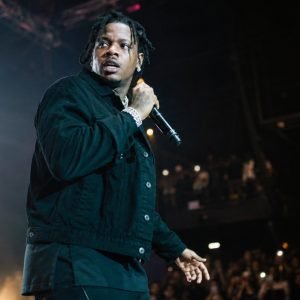
Integrating the next generation of hip-hop artists, who often draw heavily from punk ethics and DIY production, with established metal titans creates a compelling value proposition for ticket buyers. Furthermore, the action sports component must be updated. While skateboarding and BMX remain the heart of the event, the potential inclusion of modern action sports—such as high-skill scooter competitions or even tech-integrated sports—could help attract a broader, younger audience that wasn’t present during the festival’s early 2000s heyday.
Logistics and the Legacy of Location
Historically, the festival’s location was critical to its identity. Whether it was the expansive fields of Desert Breeze Park or similar open-air venues, the spatial freedom allowed the music and the sports to coexist without acoustic or logistical interference. Finding a venue in 2027 that replicates that feeling of “sprawling freedom” while adhering to modern security requirements will be the organizers’ greatest challenge. The integration of 2027 tech—such as RFID entry, real-time crowd management, and augmented reality (AR) engagement for attendees—will likely transform the physical footprint of the event.
However, the goal remains the same: to create a “city within a city.” The logistical planning required to manage tens of thousands of attendees, a complex multi-stage musical setup, and a full-scale action sports competition area is immense. Yet, the advance lead time—giving organizers nearly a full year between the ticket launch and the event date—indicates a measured, deliberate approach to the revival.
FAQ: People Also Ask
1. Can I buy tickets for the Extreme Thing 2027 festival today?
Yes. Early bird tickets officially go on sale today, September 4, 2026. Given the high anticipation for the festival’s return, it is recommended to purchase as early as possible to secure pricing.
2. What genres will be featured at the 2027 event?
Staying true to its historical roots, the festival will feature a diverse lineup focusing on hip-hop, punk, and metal. The organizers aim to bridge these genres, mirroring the event’s past format.
3. Where will the 2027 Extreme Thing Festival take place?
Specific venue details are expected to be unveiled in subsequent announcements. The event organizers are currently coordinating with city officials to ensure the venue can accommodate both the high-energy music stages and the action sports infrastructure.
4. Is this event suitable for all ages?
Historically, the festival has been known for its all-ages, community-focused environment, allowing younger fans to experience live music and action sports. Check the official event ticketing portal for specific age restrictions or VIP requirements for the 2027 return.