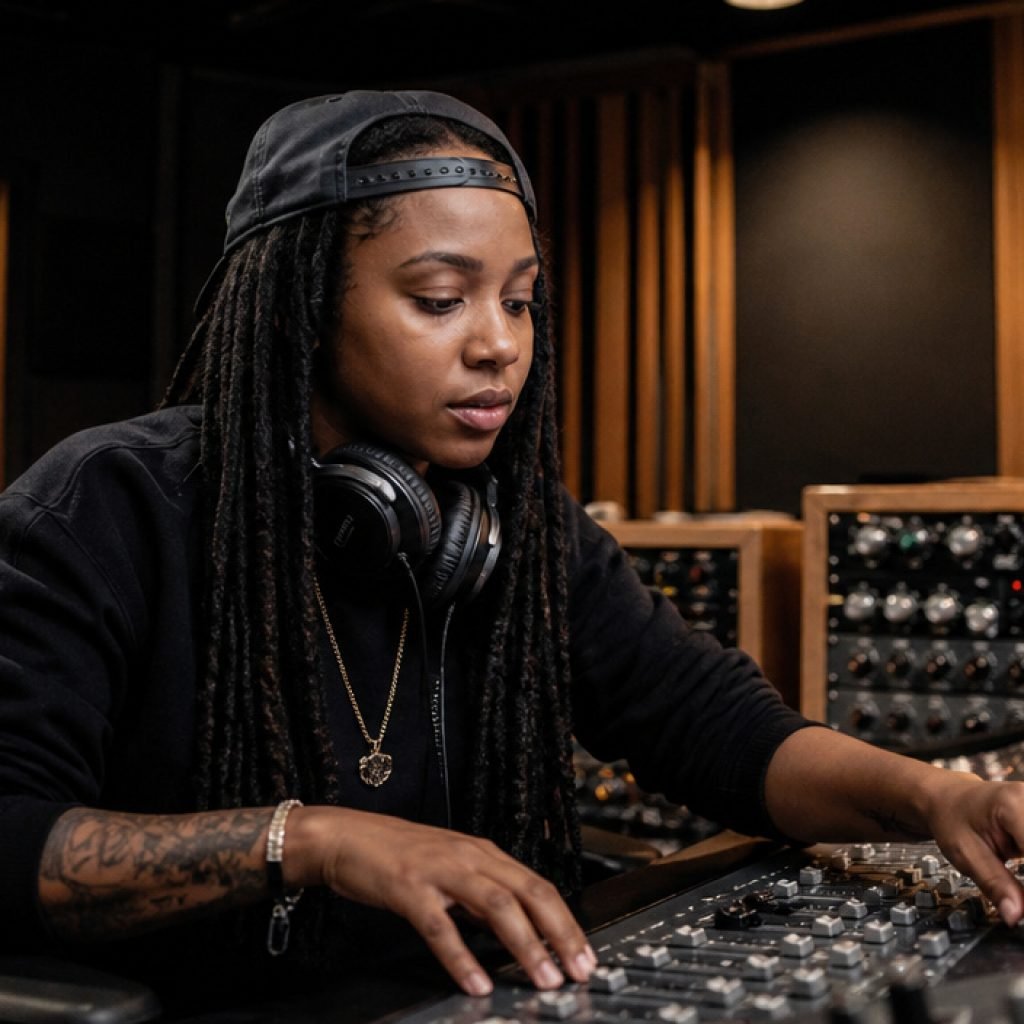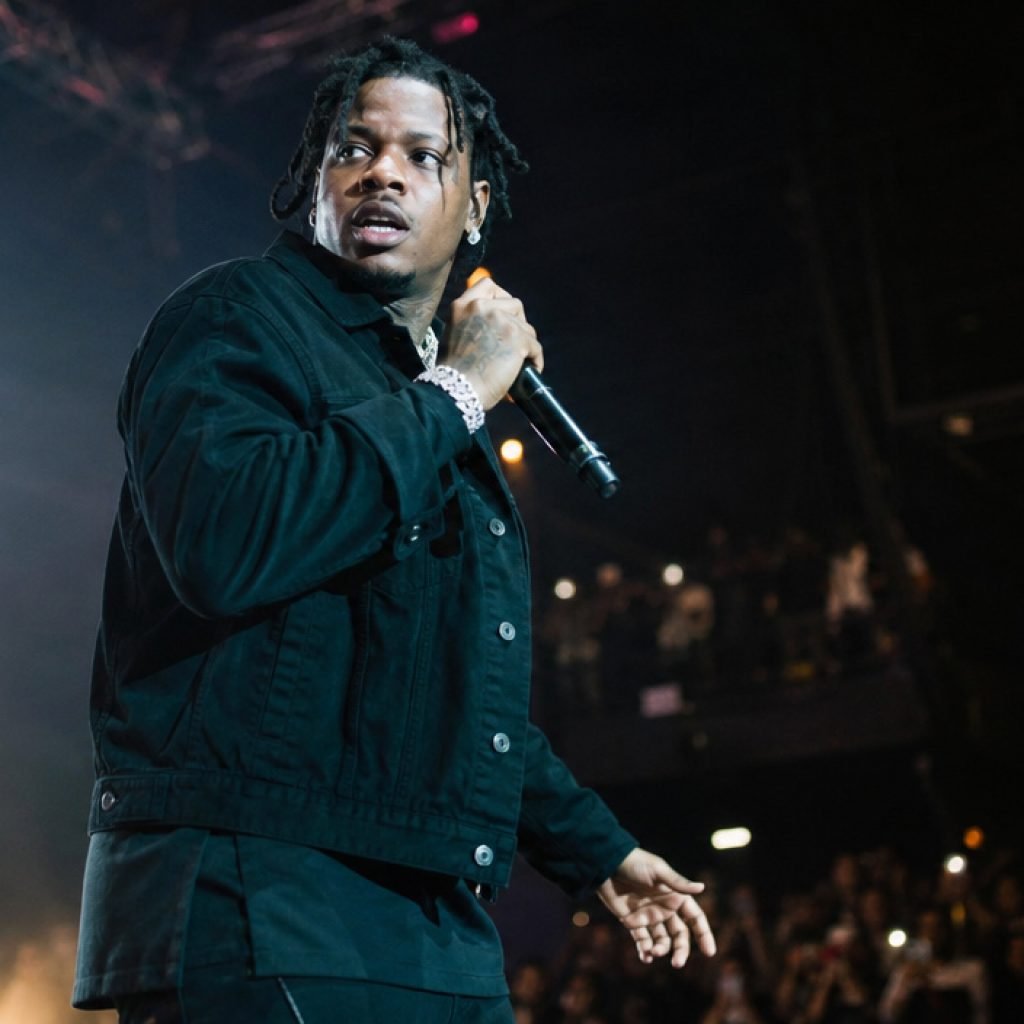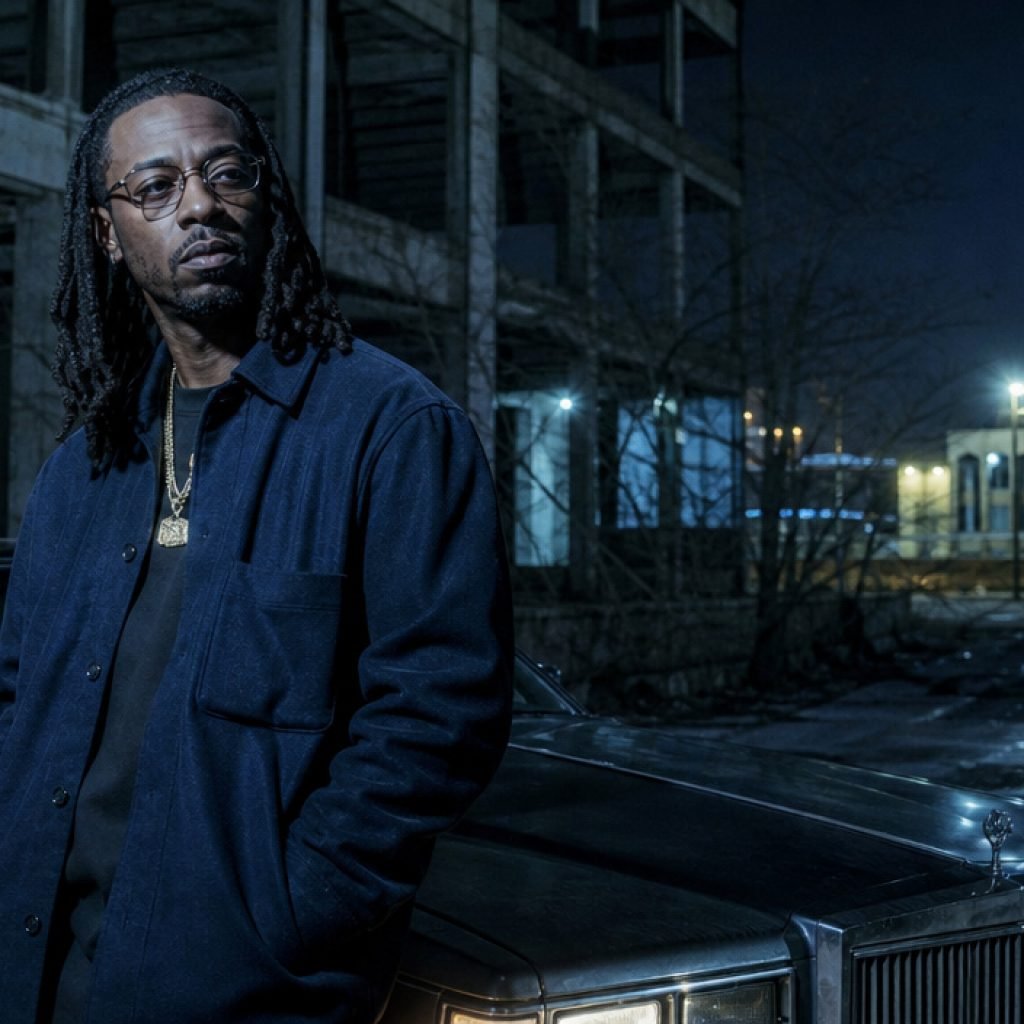
As the Labor Day holiday weekend commences, the music industry is witnessing a strategic alignment of legacy celebrations and high-octane new releases. On September 4, 2026, the streaming landscape is set to undergo a significant shift as listeners divide their attention between the explosive, contemporary sounds of the “new guard” and the nostalgic, polished production of one of R&B and hip-hop’s most consequential eras. The arrival of fresh Hip-Hop Albums & Songs this week highlights a broader industry trend: balancing rapid-fire viral content with the sustained, multi-generational appeal of classic discographies.
Key Highlights
Legacy Reissue: Beyoncé’s seminal 2006 album B’Day* receives a massive 20th-anniversary reissue, complete with remastered tracks and rare demos.
- Nemzzz’s Strategic Return: The UK breakout star capitalizes on holiday streaming spikes with a new project designed to solidify his international trajectory.
- Karrahboo’s Underground Momentum: Known for her distinctive flow and gritty delivery, Karrahboo drops a new project aimed at expanding her dominance in the underground rap circuit.
- The Holiday Effect: Music labels are leveraging the Labor Day weekend to maximize engagement, acknowledging that extended leisure time leads to higher consumption rates for long-form album projects.
The Dual Pulse of Modern Hip-Hop: Innovation Meets Heritage
The current music cycle is defined by an intriguing tension between the immediate, bite-sized viral nature of social-media-driven rap and the enduring weight of cultural milestones. September 4, 2026, perfectly encapsulates this dynamic. While artists like Nemzzz and Karrahboo represent the immediate, raw energy of the genre’s future, the inclusion of Beyoncé’s B’Day anniversary edition serves as a reminder of the genre’s deeply entrenched history.
The Rise of Nemzzz and Karrahboo: Defining the Next Wave
For artists like Nemzzz, the release strategy today is about precision and timing. Having built a reputation on authentic storytelling and a signature delivery style that bridges the gap between UK drill and more melodic sensibilities, Nemzzz has become a barometer for the health of the modern rap scene. His release this week is not merely about volume; it is a calculated effort to capture the attention of a domestic and international audience during a period of high leisure activity. The ability of artists like Nemzzz to command streaming numbers without relying on traditional radio underscores a shift in how success is quantified in 2026.
Similarly, Karrahboo’s latest output serves to reinforce her position as a formidable force in the underground. Her sound, characterized by a certain lo-fi grit and punchy, unconventional rhyme schemes, has resonated deeply with the core of the hip-hop listenership. By dropping her project on a holiday weekend, Karrahboo is signaling that she is ready to transition from a cult favorite to a more widely recognized name. This strategic timing is designed to cut through the noise, ensuring that her project remains on the listener’s playlist throughout the three-day weekend.
The B’Day Legacy: Why Reissues Remain a Gold Standard
While the new artists fight for relevance, the arrival of the 20th-anniversary reissue of Beyoncé’s B’Day serves a different purpose: the maintenance of the musical canon. Released originally in 2006, B’Day was a pivotal moment in the evolution of Beyoncé as a solo artist, helping to bridge the gap between pop-R&B and the tougher, more rhythmic hip-hop production styles of that era.
Industry analysts note that reissues of this magnitude are not simply exercises in nostalgia; they are lucrative economic drivers. By packaging remastered tracks with “vault” content, labels are able to re-monetize intellectual property that has already proven its value. Furthermore, these reissues act as a history lesson for younger listeners who may have discovered Beyoncé via her later work (such as Renaissance or Cowboy Carter), providing a comprehensive view of her artistic development. This trend of “archival monetization” is likely to continue as streaming platforms prioritize curated playlists that mix contemporary hits with deep-catalog essentials.
Streaming Dynamics and the “Labor Day Bump”
Historically, holiday weekends like Labor Day are viewed as prime real estate for content releases. Unlike mid-week drops, which rely on the momentum of a standard work week, weekend releases benefit from a prolonged consumption window. Listeners have more time to digest 15-track albums, watch accompanying music videos, and share content on social media.
This release schedule also impacts streaming algorithms. By concentrating high-profile releases on a specific Friday, platforms like Spotify and Apple Music are forced to adjust their featured playlists, creating a “winner-take-all” environment. For artists like Nemzzz and Karrahboo, the goal is to land a placement on high-traffic playlists like “RapCaviar” or “New Music Friday,” which acts as a force multiplier for their organic reach. As the industry continues to pivot toward this model, the role of the “holiday drop” becomes increasingly vital in the fight for algorithmic prominence.
In conclusion, the events of September 4, 2026, provide a snapshot of a healthy, multi-faceted music ecosystem. By honoring the past with massive reissues while aggressively pushing the next generation of talent, the hip-hop industry is successfully navigating the changing demands of the modern listener. Whether through the viral potential of a new Karrahboo track or the nostalgic weight of a Beyoncé classic, this Labor Day weekend is shaping up to be a defining moment in the year’s release calendar.
FAQ: People Also Ask
Q: Why are artists releasing music on Labor Day weekend instead of a standard mid-week date?
A: Holiday weekends provide a longer “consumption window.” Listeners have more free time to stream full projects, watch music videos, and engage with content, which helps artists maximize their initial streaming numbers and algorithmic placement.
Q: What is included in the 20th-anniversary edition of Beyoncé’s B’Day?
A: The 20th-anniversary reissue features high-fidelity remastered versions of the original tracklist, previously unreleased demos, and archival content that provides insight into the album’s 2006 production process.
Q: How do emerging artists like Nemzzz and Karrahboo compete against legacy artists on release charts?
A: They utilize targeted social media strategies and collaborative features that lean into viral trends. While legacy artists rely on deep-catalog loyalty, emerging artists focus on “playlist penetration,” aiming to secure spots on high-traffic, algorithmic playlists to reach new, younger demographics.
Q: Is the trend of reissuing older albums becoming more common in hip-hop?
A: Yes, it is a dominant strategy in the 2026 industry. Labels are increasingly viewing their legacy catalogs as active assets, using anniversaries to drive new streaming revenue and introduce foundational works to new generations of listeners.