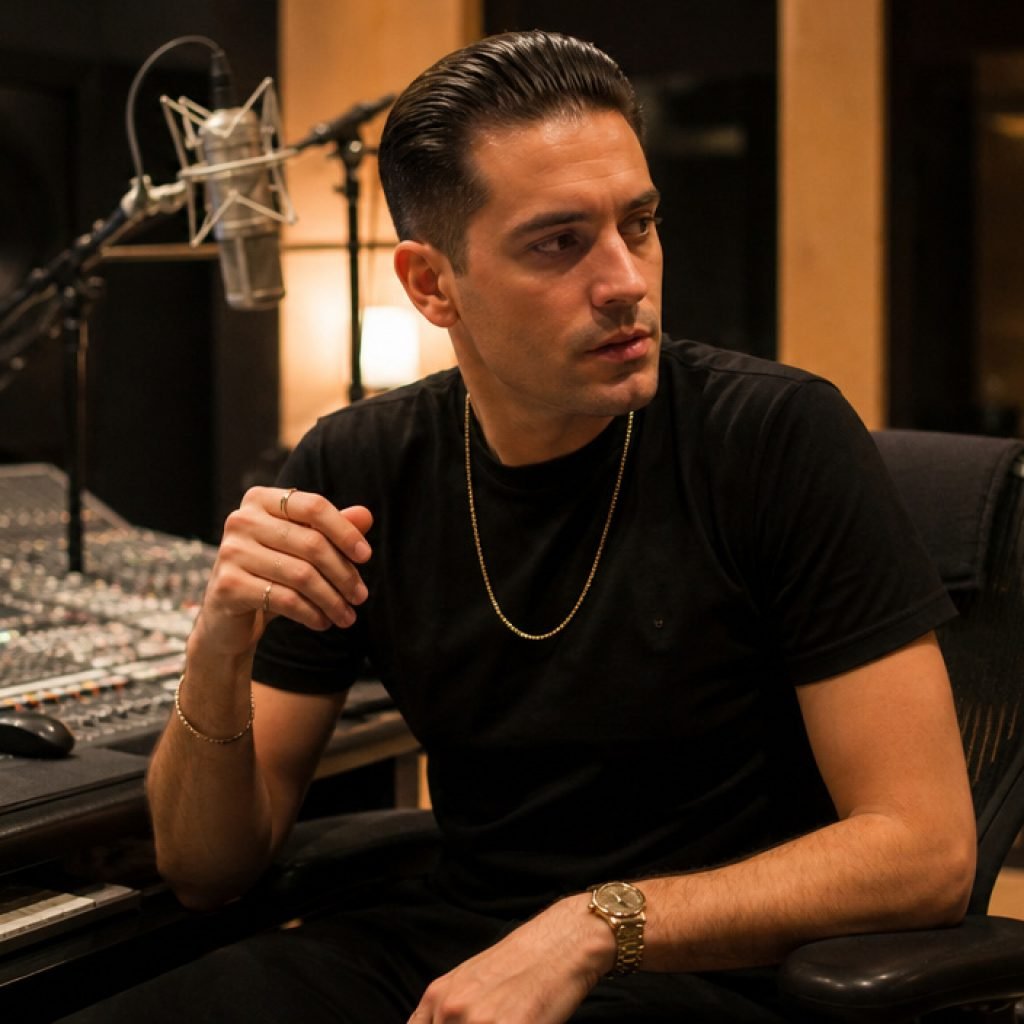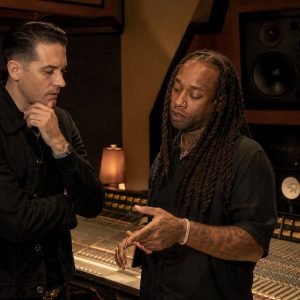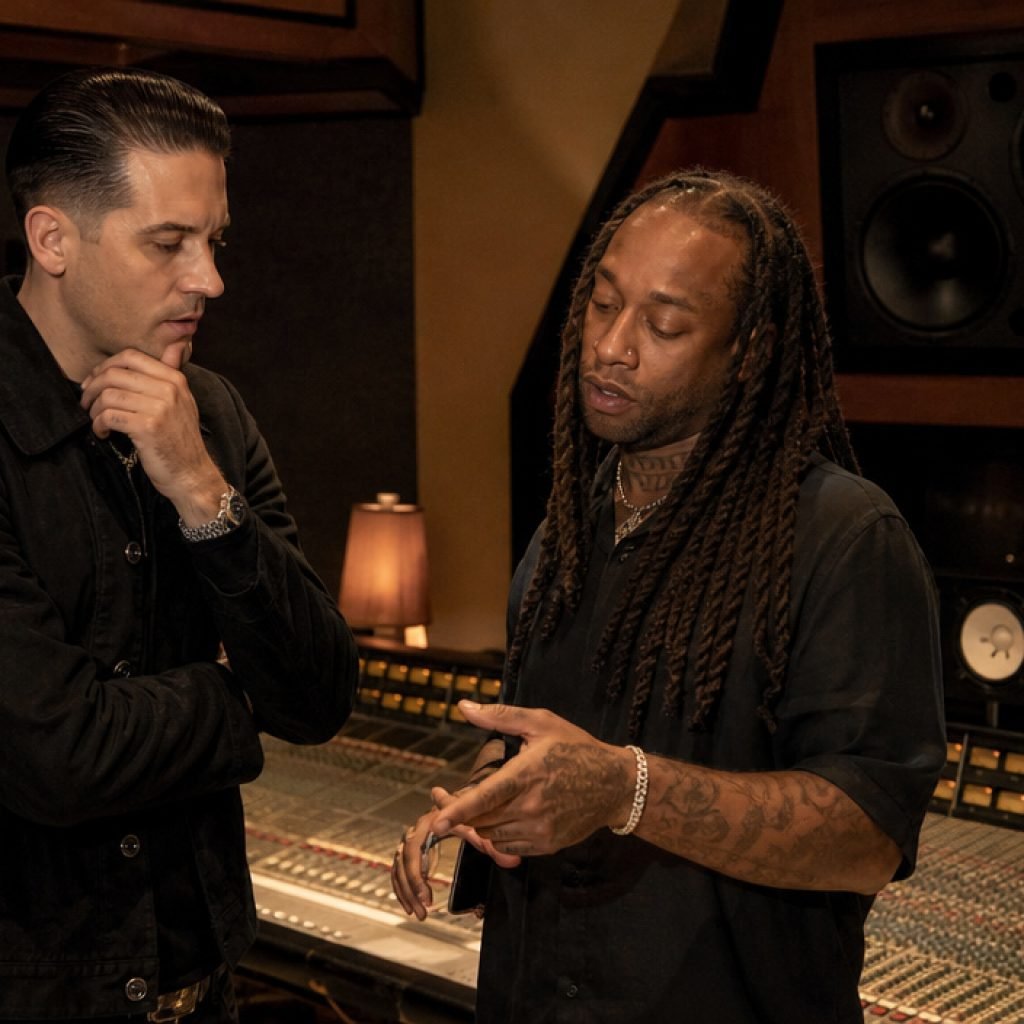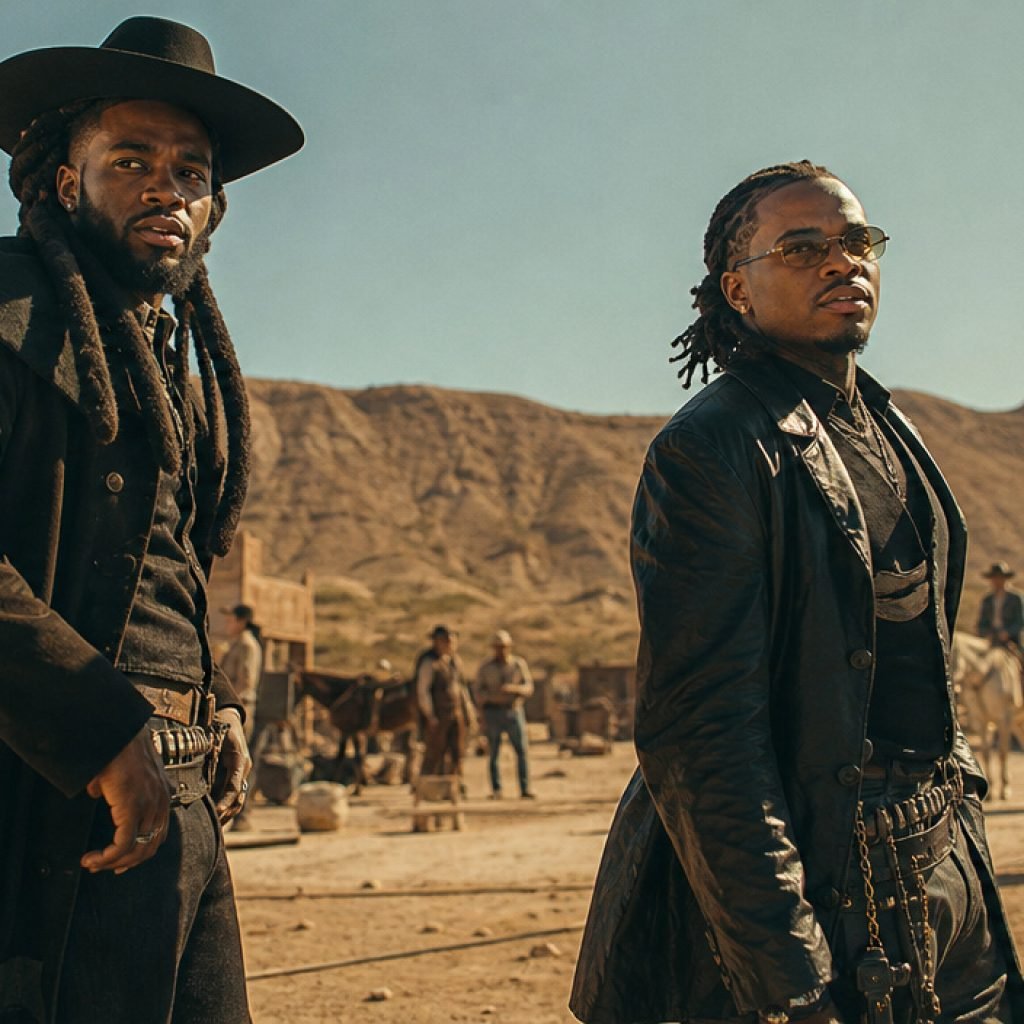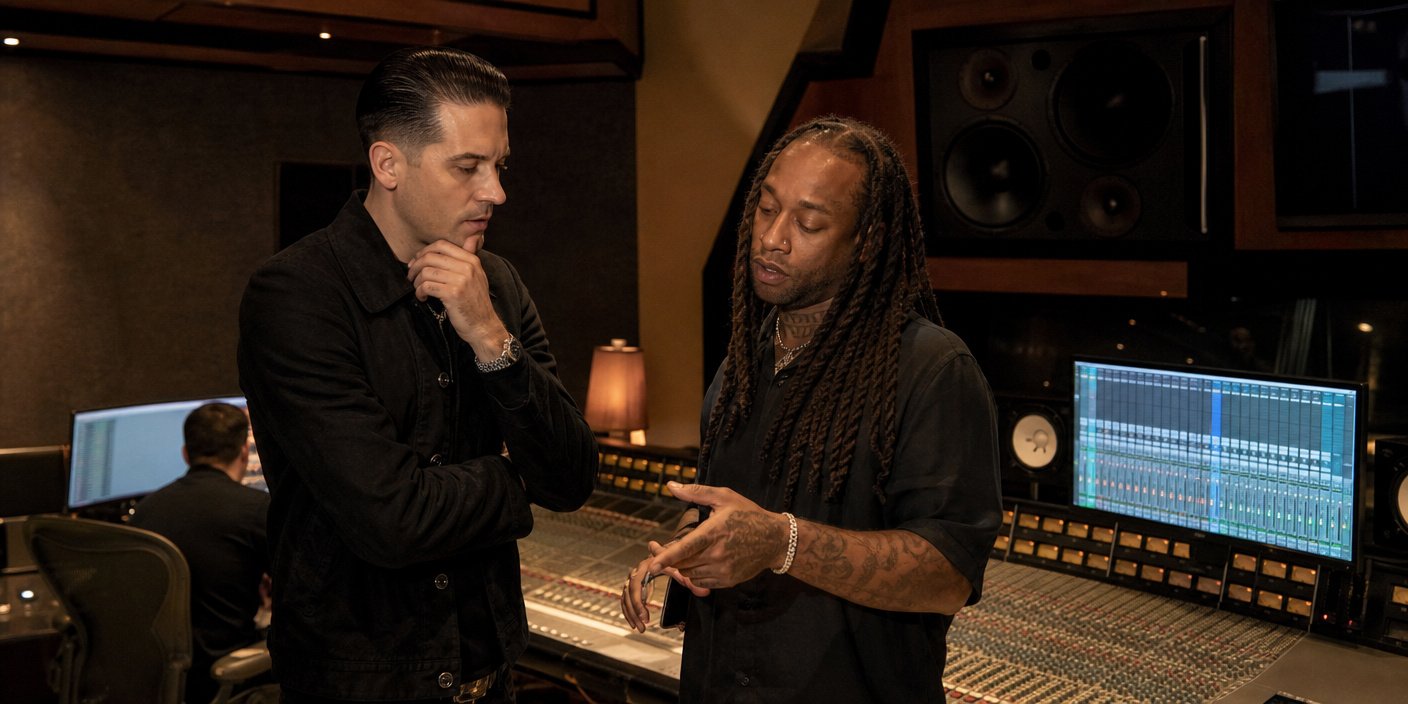
G-Eazy has officially signaled a monumental shift in his career trajectory, announcing his departure from long-time major label home RCA Records in favor of a bold, independent business structure. This transition is anchored by a strategic partnership between Ty Dolla $ign’s EZMNY Records and the independent powerhouse EMPIRE, a move that aligns perfectly with the debut of his latest single, “JFK,” featuring the R&B maestro Ty Dolla $ign. By taking full control of his master recordings and creative direction, the Bay Area rapper is joining a growing lineage of high-profile artists who are leveraging the independent distribution model to secure long-term equity and artistic autonomy.
Key Highlights
- G-Eazy has officially departed RCA Records, marking the end of a multi-year tenure with the major label.
- The artist has entered a strategic partnership with Ty Dolla $ign’s label, EZMNY Records, and the distribution giant EMPIRE.
- The announcement coincides with the release of the new single “JFK,” a collaborative effort between G-Eazy and Ty Dolla $ign.
- This move signifies a broader shift toward independent ownership for established superstars in the music industry.
The Independent Pivot: A New Era for G-Eazy
The decision for a globally recognizable artist like G-Eazy to leave a major label infrastructure is rarely a casual occurrence. It represents a calculated realignment of assets, creative control, and financial leverage. By aligning with EMPIRE—an organization that has successfully disrupted the traditional label model by providing distribution and infrastructure without stripping artists of their master ownership—G-Eazy is positioning himself to capitalize on the digital economy of the modern music business. This “New Chapter,” as it has been dubbed, suggests that the rapper is prioritizing a direct-to-consumer relationship and long-term asset accumulation over the traditional upfront advances provided by legacy labels like RCA.
Analyzing the “JFK” Soundscape
Musically, “JFK” serves as the perfect vehicle for this transition. The collaboration with Ty Dolla $ign is not merely a business arrangement; it is a sonic statement. The track bridges the gap between G-Eazy’s signature West Coast rhythmic storytelling and Ty Dolla $ign’s R&B-infused melodic sensibilities. For fans who have followed the evolution of G-Eazy from his early mixtapes to his chart-topping anthems, this track feels like a return to a more focused, refined sound. The chemistry between the two artists is palpable, with Ty Dolla $ign providing a smooth, anthemic backdrop that allows G-Eazy’s lyrical dexterity to take center stage. This release is essentially the proof of concept for his new independent structure—demonstrating that he can command the same level of production quality and radio presence without the bureaucratic machinery of a major label behind him.
The Mechanics of the EZMNY and EMPIRE Partnership
Understanding the mechanics of this move requires a look at the partners involved. EZMNY Records, headed by Ty Dolla $ign, has been steadily building its footprint in the industry. By partnering with EMPIRE, a company founded by Ghazi Shami that has become the gold standard for independent hip-hop distribution, G-Eazy is plugging into an ecosystem that understands the nuance of the streaming economy. In the traditional RCA framework, royalties were split according to historical contracts that often favored the label’s overhead. Under this new deal, the financial split is presumably more equitable, allowing G-Eazy to retain a larger percentage of his revenue from streaming, sync licensing, and physical sales. This is a critical factor for artists at his stage of their career who have the brand equity to drive their own marketing efforts.
Secondary Angle: The Independence Trend in Modern Hip-Hop
This shift reflects a tectonic change in the music industry. Over the past five years, we have seen a trend where artists—regardless of their stature—are seeking to decouple themselves from the restrictive 360-degree deals that defined the 2010s. The “Indie-Major” model is becoming the preferred pathway for those who have already established a fanbase and need distribution, data analytics, and global reach rather than traditional development. G-Eazy is effectively betting on himself. He is proving that he no longer needs a massive label budget to dictate his marketing; he can leverage the precision of an independent distributor to target his specific demographic with higher efficiency.
Secondary Angle: Creative Autonomy vs. Commercial Viability
There is an inherent risk in leaving a major label: the loss of the massive promotional machine that powers radio play and high-end playlist placements. However, G-Eazy’s transition is carefully timed. By releasing “JFK” immediately upon announcing the independence move, he is using the news cycle to generate the kind of viral marketing that money usually cannot buy. The narrative of “the artist breaking free” is a powerful tool in the music industry. It creates a “comeback” energy, even for an artist who never really left, which can galvanize existing fans and attract new listeners curious about his new sound.
Secondary Angle: Future Economic Predictions
Looking forward, this move will likely influence other artists of G-Eazy’s stature to reconsider their own contracts. If his upcoming projects under the EMPIRE umbrella achieve commercial success, it will serve as a template for other major-label defectors. We can expect to see more “joint venture” style partnerships where the artist maintains ownership while the distributor handles the logistics. This is not just a career pivot for G-Eazy; it is a signal to the industry that the barrier between ‘Major Label Artist’ and ‘Independent Artist’ is thinning significantly. As streaming data becomes the primary currency of the music business, artists with established followings no longer need the ‘gatekeepers’ of the past.
FAQ: People Also Ask
1. Why did G-Eazy leave RCA Records?
While specific contract disputes are rarely disclosed publicly, G-Eazy’s departure is part of a strategic move to gain full ownership of his masters and creative independence. By moving to an independent structure, he keeps a larger share of royalties and retains total creative control over his output.
2. What is the role of EMPIRE in this deal?
EMPIRE acts as the independent distribution and service partner. They provide the infrastructure to get music to streaming platforms like Spotify and Apple Music, as well as providing marketing services, without taking the ownership stakes in the music that a traditional label would.
3. Is “JFK” the first release under the new deal?
Yes, “JFK” featuring Ty Dolla $ign is the lead single marking this new chapter, serving as both a musical return and a business announcement of his independence.
4. How does the partnership with EZMNY Records work?
EZMNY Records, founded by Ty Dolla $ign, serves as the collaborative label home for this project. It highlights a partnership-based approach, where peers collaborate on business ventures rather than just recording music together, leveraging their combined networks to maximize reach.