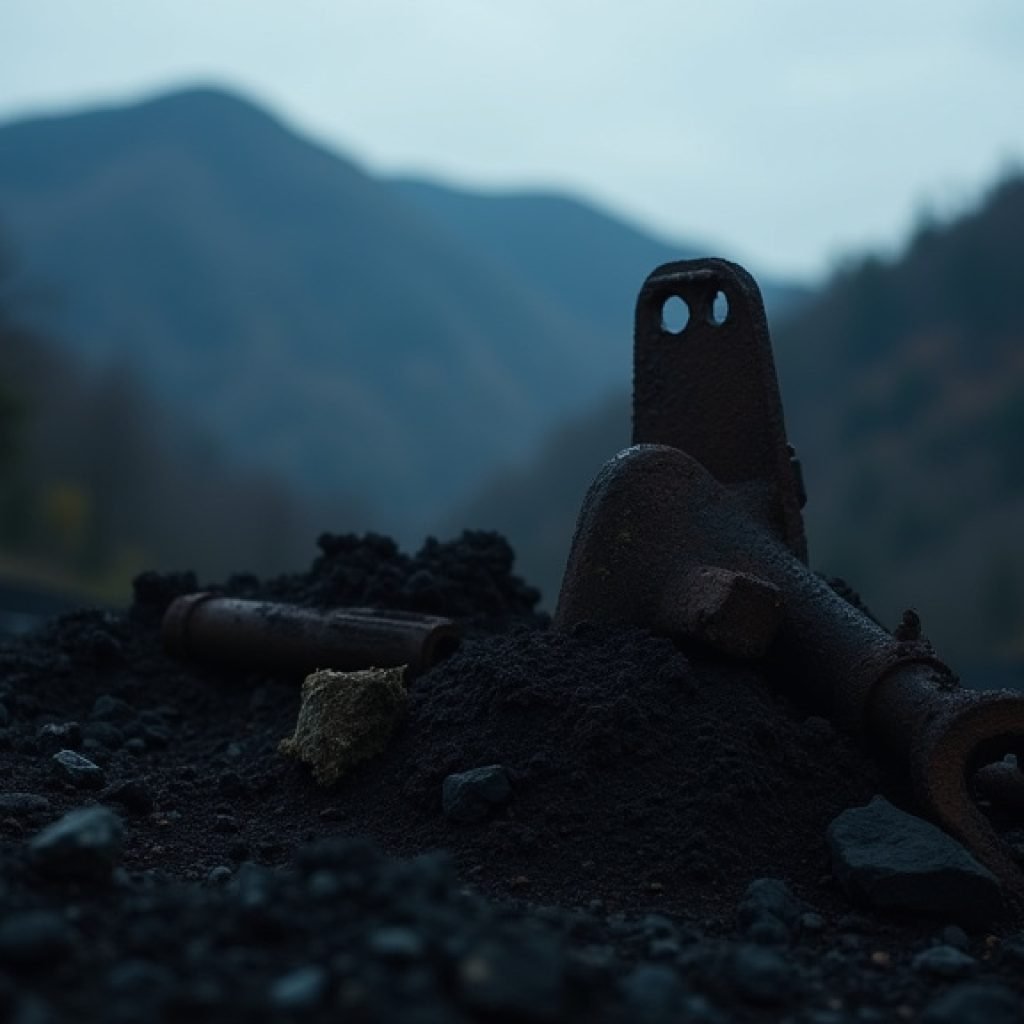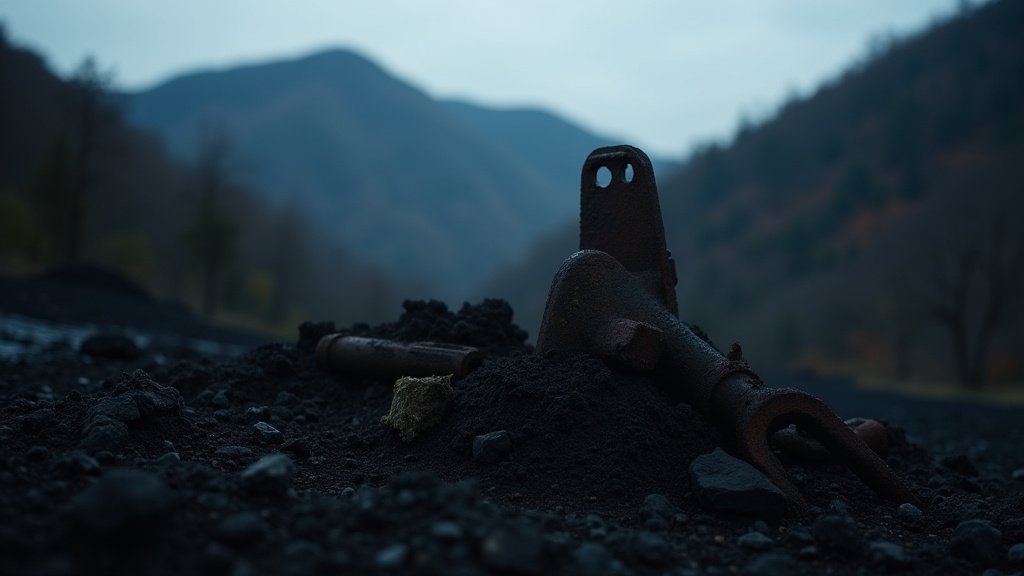
West Virginia hip hop and rock fusion outfit Stereophonic has officially released their latest single, “Coal Dust,” a brooding, high-energy track that pivots from traditional musical themes to confront the deep, jagged history of the 1921 Battle of Blair Mountain. By blending the rhythmic intensity of modern hip-hop with the raw distortion of Appalachian-influenced rock, the group aims to contextualize one of the most violent labor uprisings in American history within the framework of modern socio-economic discourse.
Key Highlights
- Subject Matter: The single “Coal Dust” specifically chronicles the Battle of Blair Mountain, the largest labor uprising in U.S. history.
- Artistic Vision: Stereophonic utilizes a genre-bending approach, combining hip-hop lyrical cadence with heavy rock instrumentation to mirror the friction between industry and labor.
- Historical Significance: The track highlights the 1921 conflict in Logan County, West Virginia, emphasizing its foundational role in the establishment of modern labor rights and union protections.
- Modern Relevance: The band draws explicit parallels between the 1921 coal wars and contemporary labor movements, questioning how much has truly changed in the past century.
Echoes of the Mountains: Unearthing the Blair Mountain Conflict
To understand the gravity of Stereophonic’s new release, one must look directly at the events of late August and early September 1921. For five days, Logan County, West Virginia, became a theater of war. The conflict was not a small skirmish; it was a massive, armed insurrection involving an estimated 10,000 miners—members of the United Mine Workers of America (UMWA)—pitted against a private army of strikebreakers, deputies, and mine guards hired by coal operators.
“Coal Dust” is not merely a song; it is an auditory archive. The lyrics painstakingly detail the atmospheric conditions of the time: the humidity of the Appalachian forests, the rattle of gunfire, and the desperate, coal-stained struggle for basic human dignity. The Battle of Blair Mountain remains a haunting chapter in American labor history, representing a moment where thousands of workers fought against the brutal exploitation prevalent in the coalfields of the early 20th century. By centering their single on this event, Stereophonic is positioning themselves not just as entertainers, but as historians of the working class.
The Sonic Architecture of Protest
Stereophonic has crafted “Coal Dust” to be as abrasive and unforgiving as the landscape it describes. The track opens with a sample-heavy soundscape—the literal clanging of picks and the distant roar of a train—before transitioning into a driving, heavy rock bassline that underpins rapid-fire hip-hop verses. The production choices are intentional. The “Coal Dust” production team intentionally avoided polished, high-fidelity sheen in favor of a gritty, analog-warm aesthetic.
This sonic texture is designed to immerse the listener in the claustrophobia of the era. The juxtaposition of the modern drum kit with the vintage, blues-inflected riffs creates a tension that mirrors the narrative tension of the miners’ march from Marmet, West Virginia, toward Logan County. It is a sonic representation of the clash between corporate power and the raw, collective will of the people.
The Legal and Societal Legacy
While the Battle of Blair Mountain ended in military intervention—with federal troops ultimately arriving to quell the insurrection—the long-term impact on United States labor law cannot be overstated. The brutal nature of the conflict, combined with the extreme measures taken by coal operators (including the aerial bombing of miners, a first in U.S. history), began to turn national public opinion.
Stereophonic’s new track serves as a reminder that the rights often taken for granted in the modern workplace—the 40-hour workweek, safety regulations, and collective bargaining power—were forged in the blood and coal dust of the Appalachian Mountains. By analyzing the 1921 conflict, the track invites listeners to consider the fragile nature of these protections. The band poses a challenging question: When the corporate machinery of the present day threatens the security of the worker, does the ghost of Blair Mountain hold the blueprint for a solution?
Cultural Preservation Through Music
The release of “Coal Dust” arrives at a time of renewed interest in American industrial history. As digital archives continue to surface regarding the “Redneck” army (a term coined because many miners wore red bandanas around their necks to identify each other, which later morphed into a derogatory slur), Stereophonic’s focus on the truth of the event acts as a vital correction to the sanitized history often taught in classrooms. The group has indicated that they intend to donate a portion of the single’s proceeds to archives dedicated to preserving the history of Logan County and the surrounding coalfields. This aligns their artistic output with tangible community support, cementing their role as cultural conduits for the region.
FAQ: People Also Ask
1. What was the Battle of Blair Mountain?
The Battle of Blair Mountain was the largest labor uprising in U.S. history, occurring in West Virginia in 1921. It involved an armed confrontation between coal miners fighting to unionize and coal companies using private guards and police to prevent it.
2. Why did Stereophonic choose this topic for their single?
The group chose this topic to connect the modern struggle of the working class to the historical roots of the labor movement, specifically referencing the 1921 conflict to emphasize that current labor rights were won through intense struggle.
3. Is “Coal Dust” a protest song?
Yes, “Coal Dust” functions as a modern protest song. It blends hip-hop and rock genres to critique historical corporate exploitation while drawing parallels to contemporary economic issues facing workers today.
4. Are the facts in the song accurate?
Stereophonic has stated that the lyrics are rooted in historical accounts of the Battle of Blair Mountain, focusing on the tactical and emotional realities of the 10,000 miners who participated in the march.