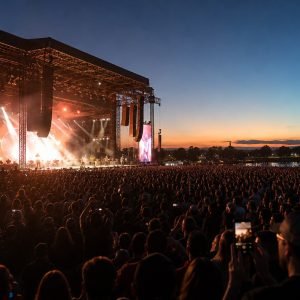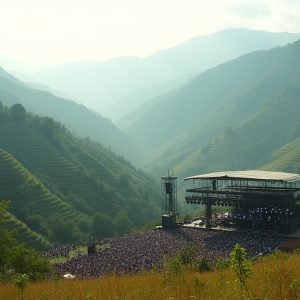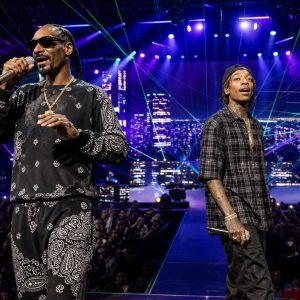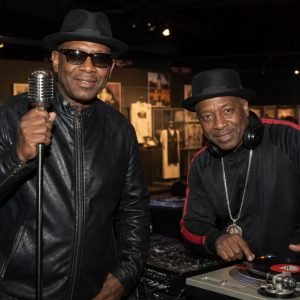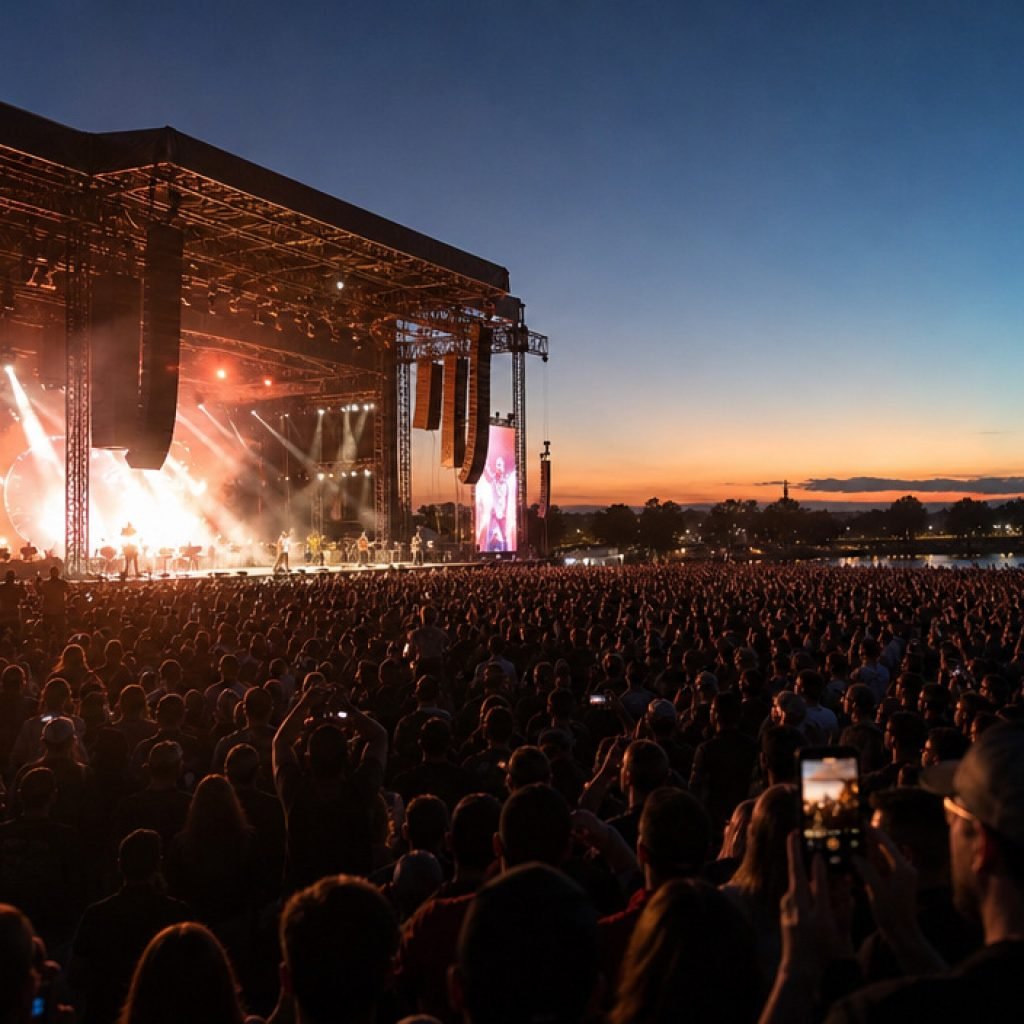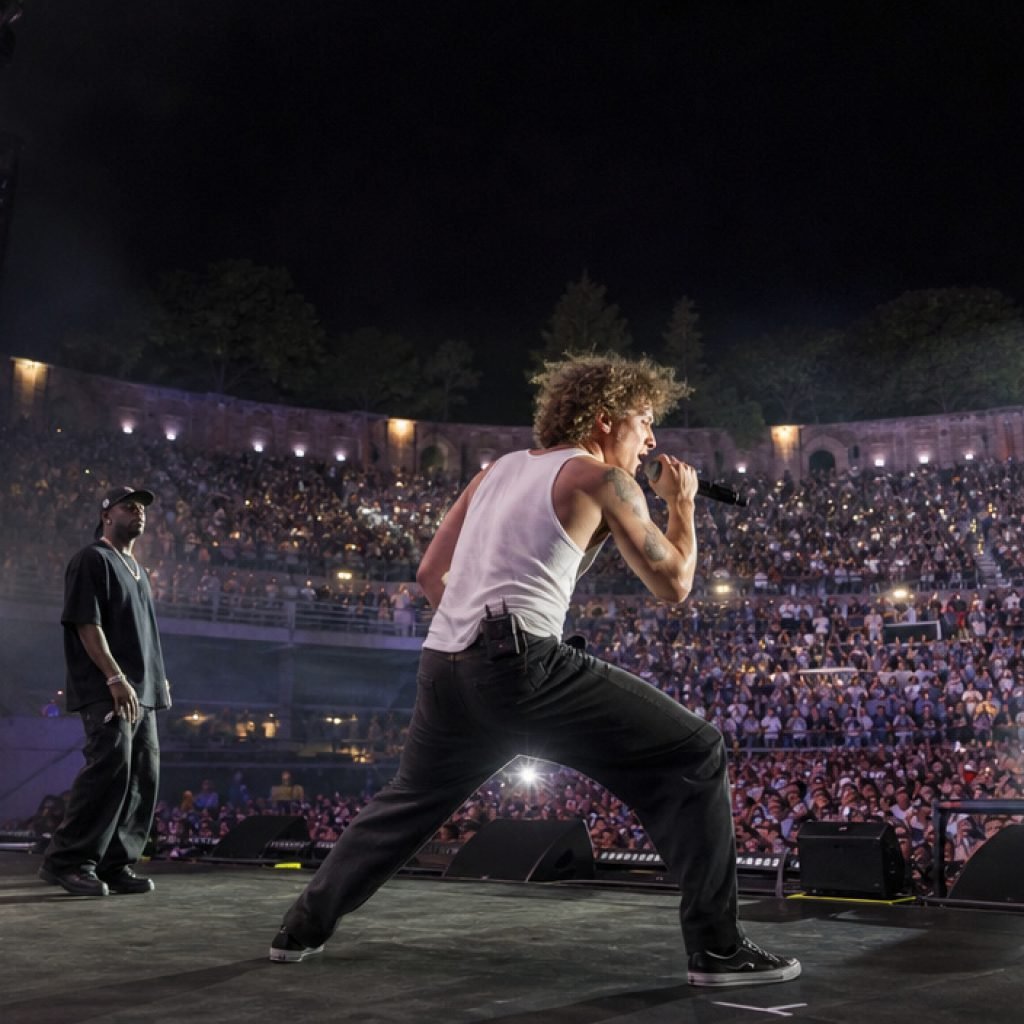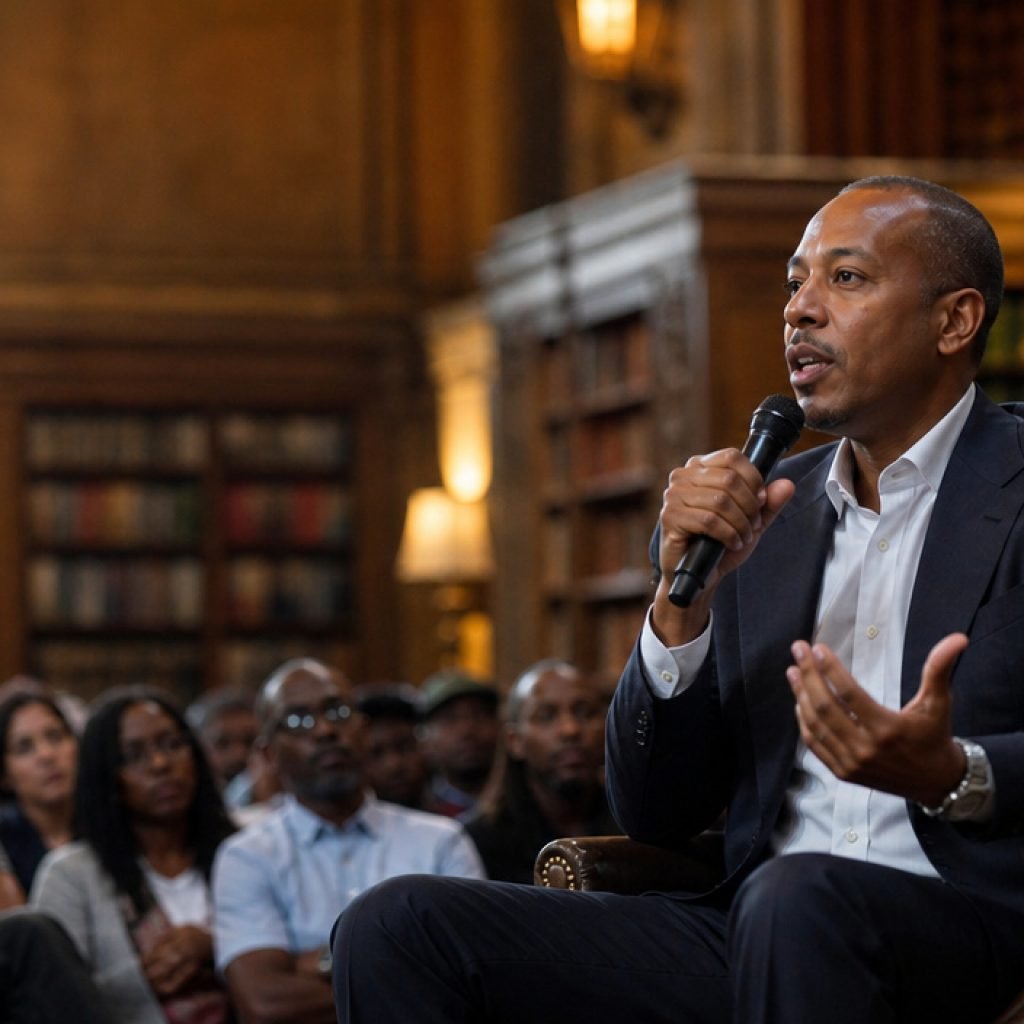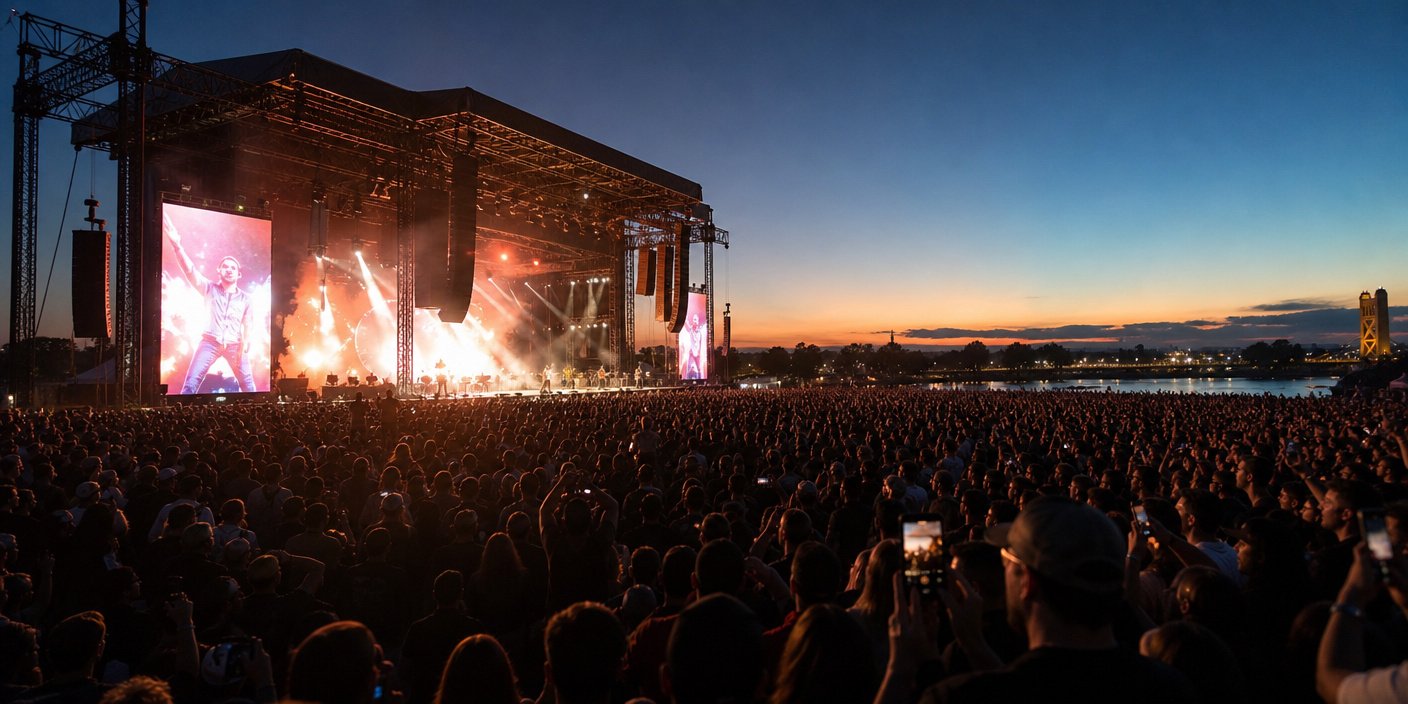
Aftershock 2026 is officially returning to the banks of the American River at Discovery Park in Sacramento, California, from October 1-4. While the festival has solidified its reputation as the premier destination for heavy metal and hard rock enthusiasts over the past decade, this year’s installment introduces a calculated strategic shift. By incorporating the legendary Wu-Tang Clan into its lineup, organizers Danny Wimmer Presents (DWP) are actively challenging the boundaries of traditional festival programming, creating a cultural crossover that reflects the evolving tastes of the modern music consumer. This shift marks a significant milestone for the festival, as it looks to diversify its demographic reach while maintaining the high-octane atmosphere that has become its signature.
Key Highlights
- Dates & Location: The festival is confirmed for October 1-4, 2026, at Discovery Park, Sacramento.
- Genre Expansion: The inclusion of Wu-Tang Clan signals a deliberate move to bridge the gap between heavy rock and hip-hop, expanding the festival’s target audience.
- Production Scope: As a Danny Wimmer Presents production, Aftershock 2026 will utilize the unique topography of Discovery Park to accommodate multi-stage setups and enhanced crowd management systems.
- Economic Impact: The event continues to serve as a significant tourism engine for Sacramento, with hotels and local businesses preparing for a massive influx of international and domestic attendees.
The Strategic Evolution of Aftershock 2026
The announcement of Aftershock 2026 brings more than just a list of bands to Sacramento; it signals a maturation of the festival brand. For years, the festival has operated as the ‘North American equivalent’ to major European rock festivals, maintaining a tight focus on the heavy metal, hard rock, and punk subcultures. However, the entertainment landscape of the mid-2020s demands agility. The integration of hip-hop pioneers like the Wu-Tang Clan into the Aftershock framework is not merely a booking decision—it is a strategic pivot.
Breaking the Genre Silos
In previous years, music festivals often operated in silos: rock festivals, hip-hop festivals, and electronic festivals remained distinct entities. However, data from major touring trends suggests that modern audiences—particularly Gen Z and younger Millennials—are largely ‘genre-agnostic.’ They consume music through algorithmic playlists that mix heavy riffs with boom-bap beats seamlessly. By booking the Wu-Tang Clan, Aftershock 2026 is validating this cultural reality. It is a calculated move to capture a broader market segment while signaling that the festival is a platform for ‘essential’ music, rather than just ‘guitar-driven’ music.
Logistics at Discovery Park
Discovery Park presents unique logistical challenges and opportunities. As a flood plain and public park, the site requires extensive temporary infrastructure, including custom-built stages, substantial power grids, and intricate waste management systems. Danny Wimmer Presents has mastered the art of transforming this riverside space into a high-functioning concert venue, but the 2026 event will require even greater precision. As the festival grows in genre breadth, the crowd dynamics will inevitably shift. Organizers are expected to implement advanced crowd-flow logistics to ensure that the influx of hip-hop fans and metalheads can coexist safely and efficiently within the park’s perimeter.
The Economic Ripple Effect
Beyond the stages, Aftershock is a financial juggernaut for Sacramento. The four-day event generates millions in local revenue, from hospitality and dining to transportation services. The 2026 iteration is expected to be no different, with local officials already coordinating with DWP on traffic control, safety measures, and local business activations. The festival serves as a cornerstone of Sacramento’s tourism economy, and the expansion into cross-genre programming suggests a desire to maximize this economic impact by attracting a wider spectrum of visitors who might not have considered attending a ‘pure’ rock festival in the past.
Future Predictions for the Festival Circuit
Looking forward, Aftershock 2026 could serve as a case study for the industry. If the crossover experiment succeeds, we can expect to see more traditional festivals diversifying their lineups to ensure longevity. The festival model is under pressure from rising production costs and artist fees; diversifying the fan base is a risk mitigation strategy. By broadening its appeal, Aftershock is insulating itself against the volatility of the touring rock market, ensuring that it remains the anchor of the fall festival season for years to come.
FAQ: People Also Ask
Q: Will Aftershock 2026 remain a metal festival?
A: While the core identity of Aftershock is deeply rooted in metal and hard rock, the 2026 iteration demonstrates an evolution toward a more diverse, multi-genre lineup. It will remain a heavy-hitting event, but with a broader musical palette.
Q: Why is the Wu-Tang Clan playing at a rock festival?
A: The Wu-Tang Clan is being included as part of a strategic shift to acknowledge the genre-agnostic listening habits of modern music fans. Their inclusion bridges the gap between classic hip-hop and the high-energy performance style central to the Aftershock experience.
Q: What is the venue capacity and location for 2026?
A: The festival will take place at Discovery Park in Sacramento, California. The park’s layout allows for massive festival grounds, though organizers carefully manage capacity through ticket sales and site configuration to maintain safety and flow.
Q: How can I prepare for the festival logistics?
A: As the event approaches in October 2026, organizers typically release comprehensive guides on local transportation, shuttle services, and accommodation. It is highly recommended to book travel and lodging well in advance, as the event historically sells out of local hotel availability.