Bogotá is bracing for a massive cultural influx as Hip Hop al Parque returns for its 28th edition on October 24-25, 2026. This iconic free festival, hosted at the sprawling Simón Bolívar Park, continues its legacy as the premier gathering for urban culture in Latin America. Under the poignant theme ‘The Story Is Written on the Corner,’ this year’s event promises a deep dive into the roots of street culture, showcasing a diverse roster of 28 international and local acts that celebrate the resilience and creativity of the hip-hop movement.
Key Highlights
- Event Dates: October 24-25, 2026.
- Location: Simón Bolívar Park, Bogotá.
- Edition: The 28th annual installment of the festival.
- Theme: “The Story Is Written on the Corner” (La Historia se escribe en la esquina).
- Scope: 28 international and local musical acts.
The Cultural Pulse of Bogotá’s 28th Hip Hop Summit
As the final weekend of October approaches, Bogotá transforms into the epicenter of the global hip-hop community. Hip Hop al Parque is not merely a concert series; it is a critical socio-cultural institution managed by IDARTES (Instituto Distrital de las Artes). For over two decades, it has served as a bridge between the raw, localized street art of Colombia’s barrios and the global stage of international hip-hop excellence. The 2026 edition, marking the 28th year of the festival, is set to solidify this bridge further, focusing on the preservation of heritage while embracing contemporary sonic evolution.
Thematic Depth: “The Story Is Written on the Corner”
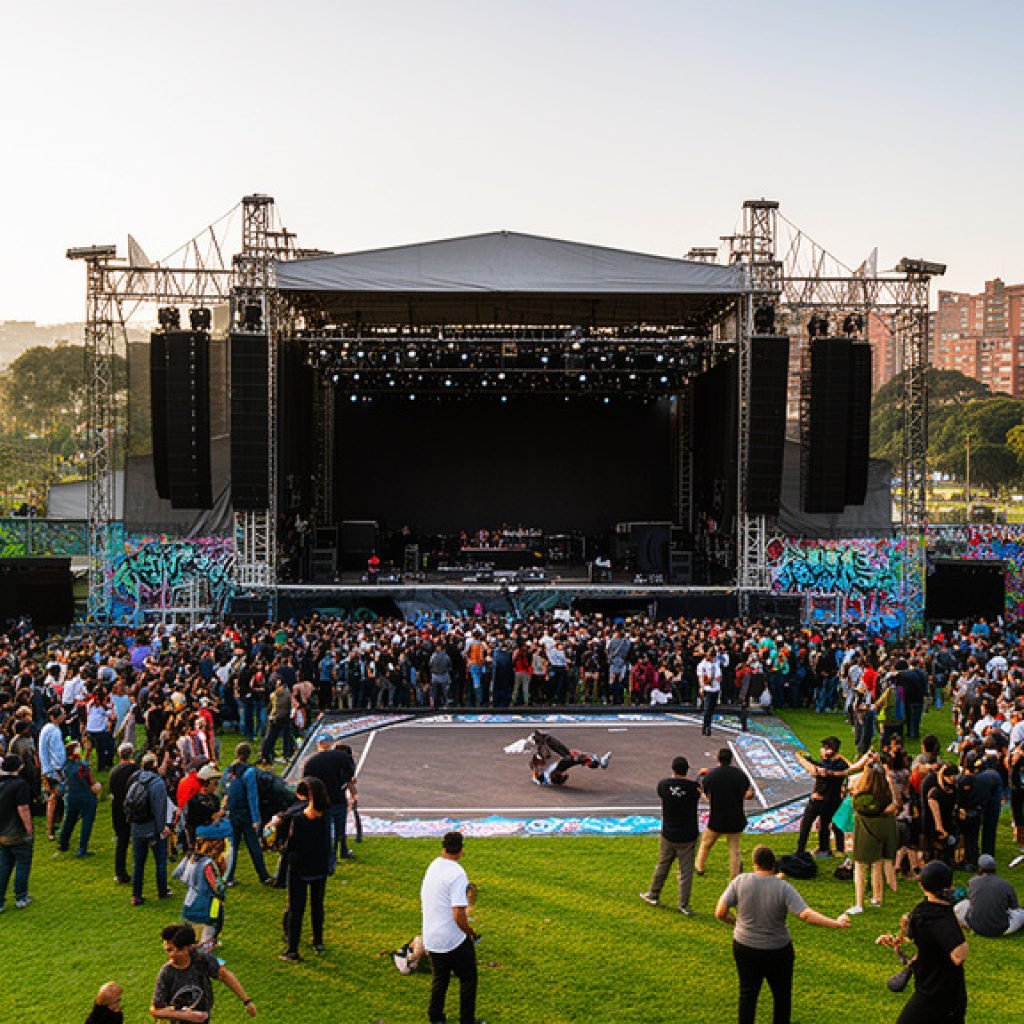
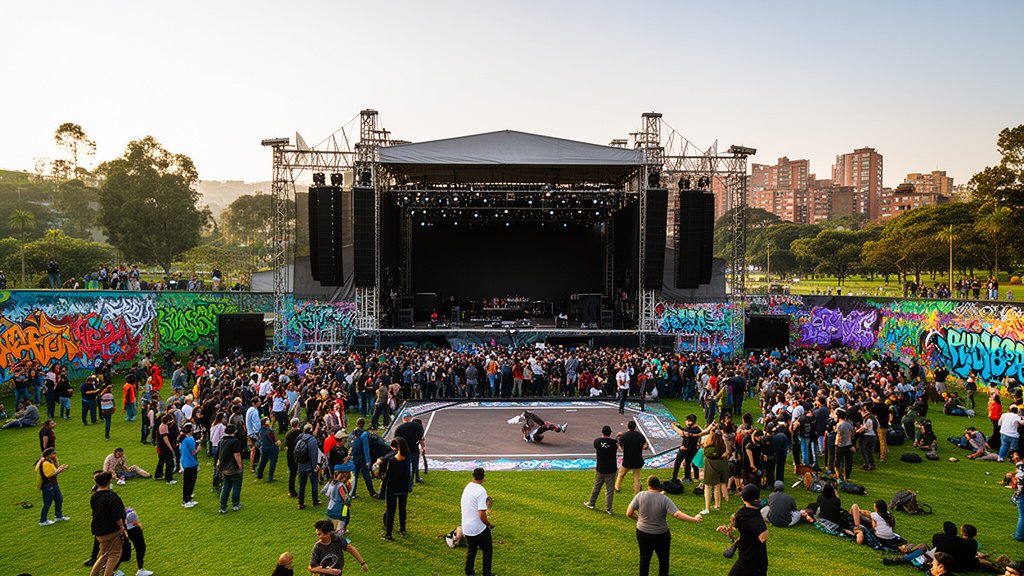
This year’s theme, “The Story Is Written on the Corner,” is a powerful homage to the origins of the hip-hop movement. In urban sociology, the “corner” is where life happens—where communication, protest, creative expression, and community identity are formed. By adopting this theme, the organizers are pivoting back to the foundations of the genre: the social struggle, the neighborhood solidarity, and the democratization of art. Attendees should expect the visual identity of the festival to heavily feature mural art, graffiti displays, and stage designs that replicate the gritty yet vibrant aesthetic of urban blocks, emphasizing the role of public space in youth expression.
Venue Spotlight: Simón Bolívar Park
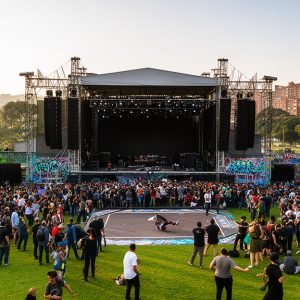
Simón Bolívar Park remains the quintessential venue for this massive undertaking. As the largest metropolitan park in Bogotá, it offers the necessary capacity to host tens of thousands of attendees safely. The park’s vast green fields are essential for the festival’s unique atmosphere, which blends high-decibel musical performance with peaceful, inclusive public gathering. The venue will be divided into specific zones to cater not only to the main stages but also to “The Break Zones,” where B-boy and B-girl competitions, street art demonstrations, and hip-hop workshops will occur simultaneously, ensuring that the “festival experience” remains immersive.
Historical Significance and Evolution
Since its inception in the late 1990s, Hip Hop al Parque has undergone a radical transformation. What began as a localized attempt to mitigate gang violence through music and art has evolved into a internationally recognized event. The festival has historically helped change the narrative surrounding hip-hop in Colombia, moving it from a stigmatized subculture to a celebrated art form. The 28th edition is a testament to the persistent advocacy by the Bogotá municipal government to prioritize culture as a tool for peace and reconciliation. Analysts often point to the festival as a case study for successful public policy, noting that it has created thousands of jobs, supported local creative industries, and bolstered tourism during the shoulder season in Bogotá.
Economic and Social Impacts
The economic ripple effect of this festival is profound. With 28 acts spanning both international stars and domestic talent, the festival draws thousands of visitors from across the Andean region. Local vendors, hoteliers, and transportation networks see a significant surge in demand during the last week of October. Beyond the immediate economic impact, the festival functions as a massive networking event. It provides a platform for local Colombian artists to share stages with international icons, fostering collaborations that extend far beyond the festival dates. This “creative export” helps build the international reputation of Bogotá’s urban arts scene.
What to Expect: Navigating the 28 Acts
The scheduling this year is designed to balance the energy of local “underground” heroes with the spectacle of global hip-hop stars. The lineup is carefully curated by IDARTES to ensure a mix of DJ sets, MC performances, breakdancing battles, and graffiti showcases. Festival-goers are encouraged to arrive early, as the best spots for the main stage fill up quickly.
Security and logistical planning have been scaled to accommodate the anticipated crowds. The “Corner” theme will likely be integrated into the main stage performances, where specific blocks of time will be dedicated to “The History of the Corner,” featuring oral storytelling from veterans of the movement alongside performances by contemporary rap icons. This structure aims to educate newer fans on the history of the movement while keeping the energy high for the younger demographic.
FAQ: People Also Ask
1. Is Hip Hop al Parque truly free?
Yes, the festival is completely free to the public, organized by the Bogotá District Administration and IDARTES. No tickets are required, though attendees are encouraged to arrive early due to capacity limits at Simón Bolívar Park.
2. How do I get to Simón Bolívar Park for the festival?
Simón Bolívar Park is centrally located and accessible by TransMilenio (the city’s bus rapid transit system) via the Simón Bolívar station. Due to the high number of attendees, public transportation is strongly recommended over private vehicles, as street parking is extremely limited.
3. Will there be activities other than the musical performances?
Absolutely. The festival is a multidisciplinary event. Expect dedicated areas for breakdancing (breaking) competitions, graffiti and street art exhibitions, hip-hop workshops, and local entrepreneurship stalls selling clothing and music-related merchandise.
4. What is the significance of the 28th edition?
Beyond being a milestone anniversary, the 28th edition represents the festival’s resilience. It marks nearly three decades of growth from a small community initiative to a world-class cultural festival that defines Bogotá’s identity as a creative, global city.