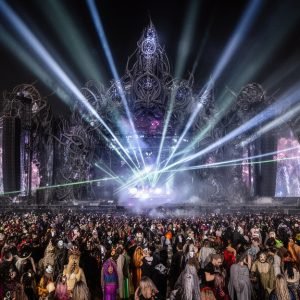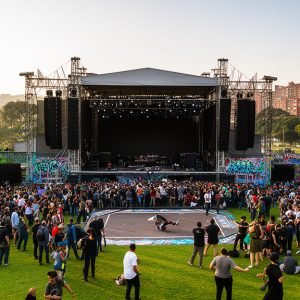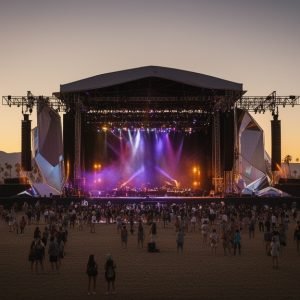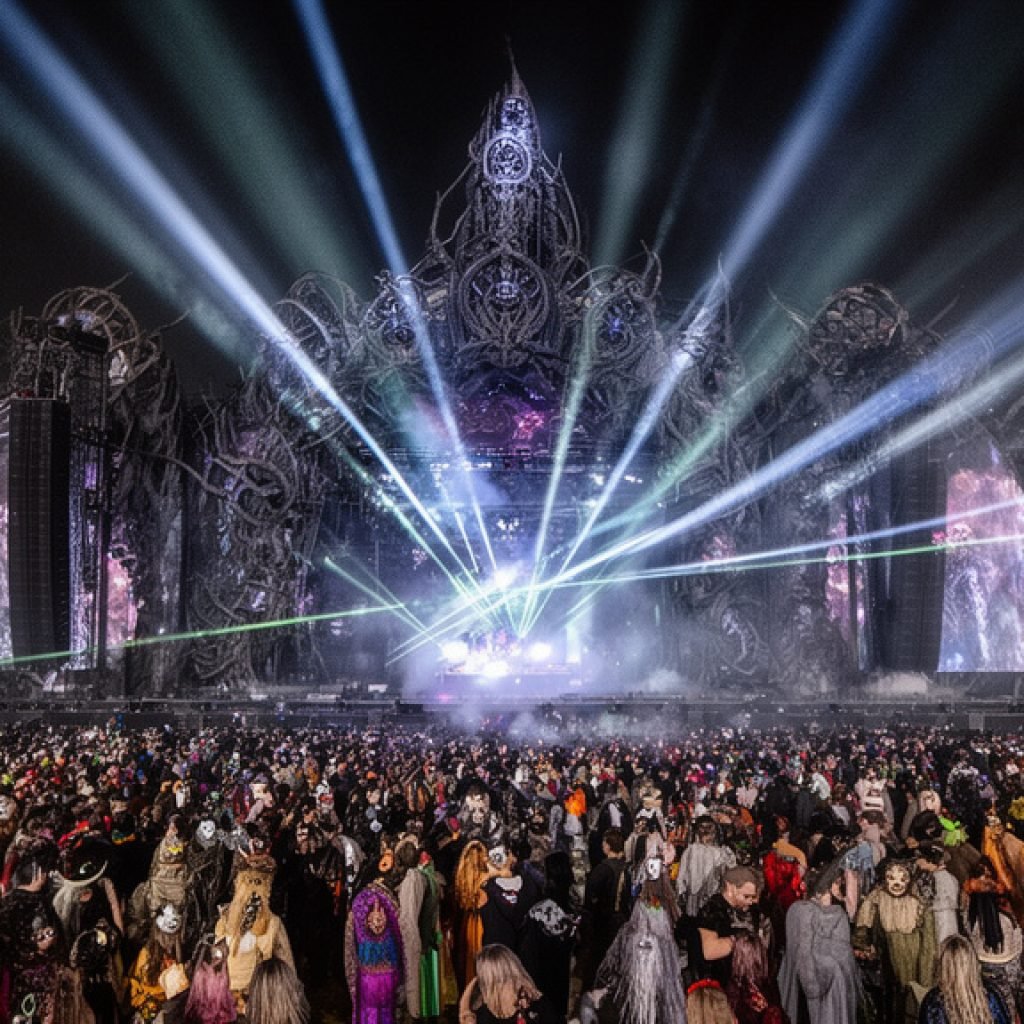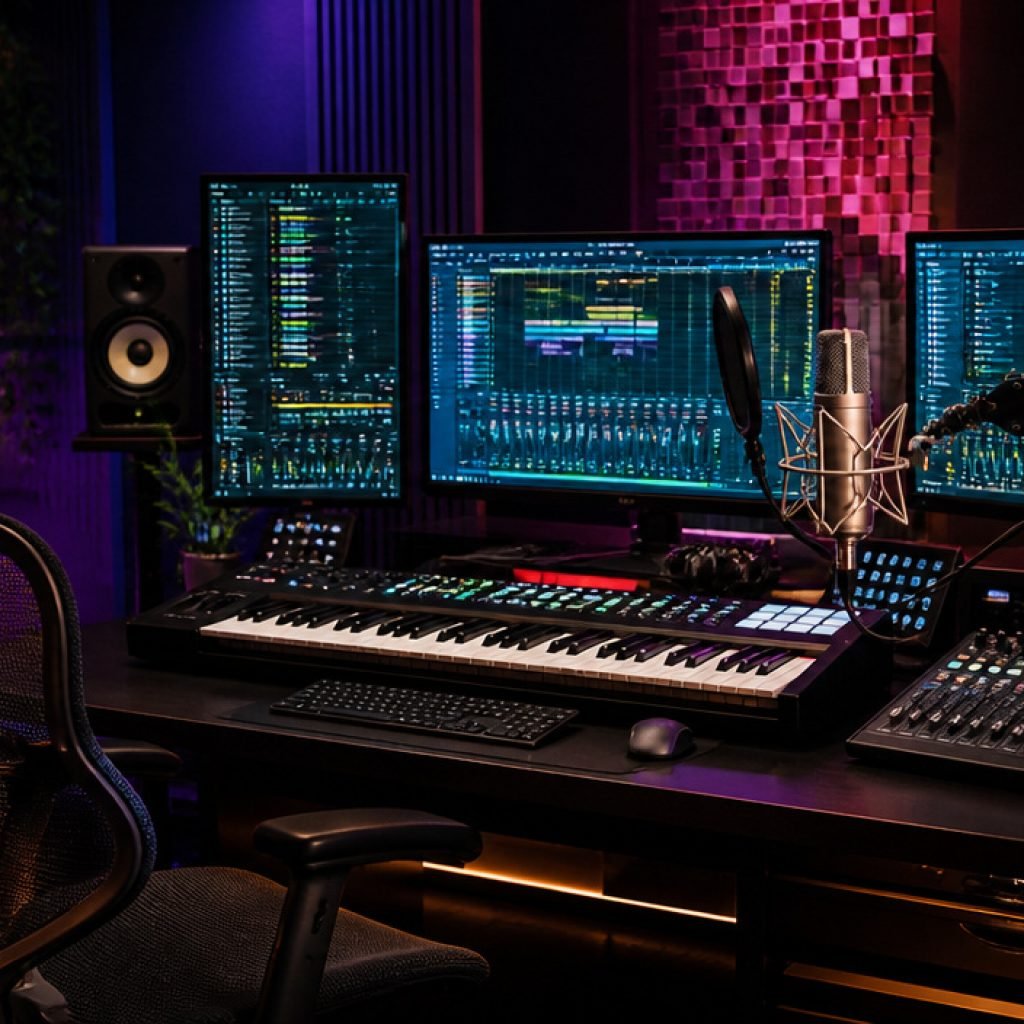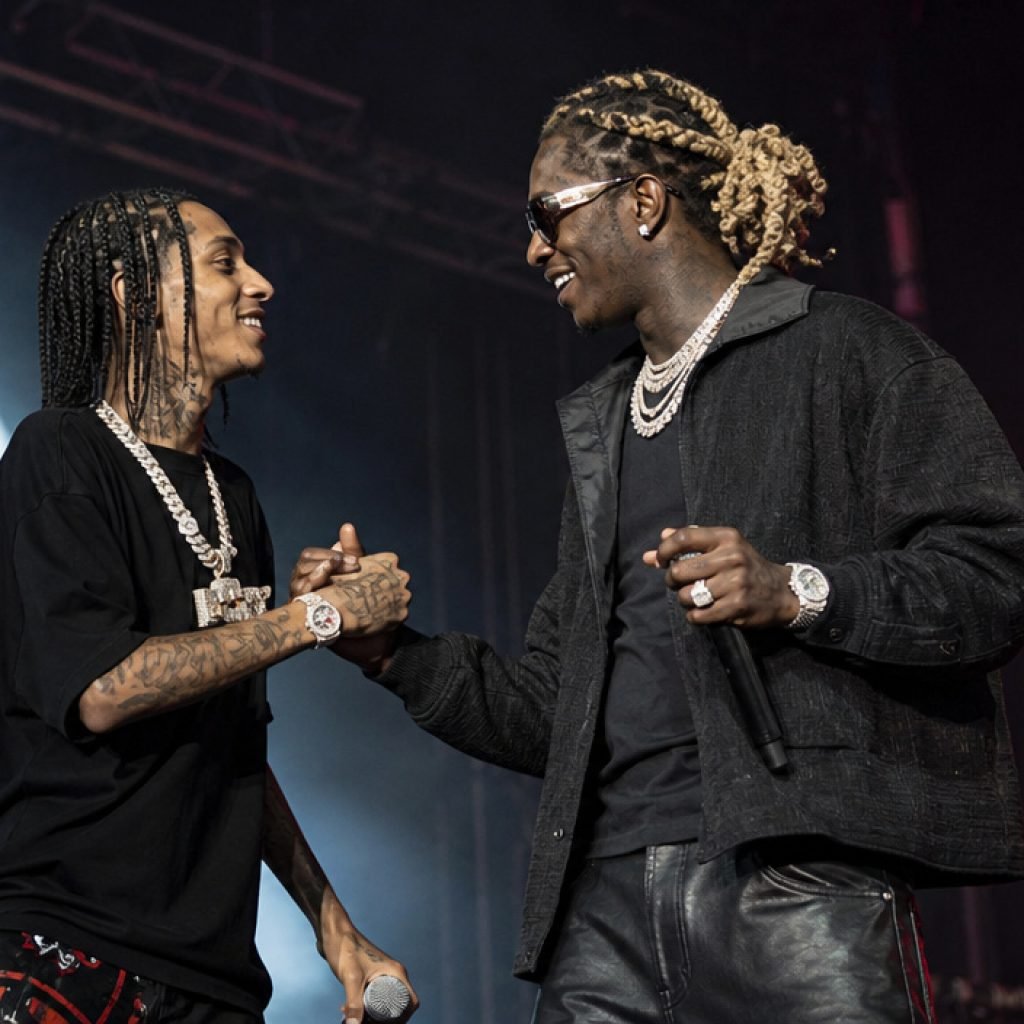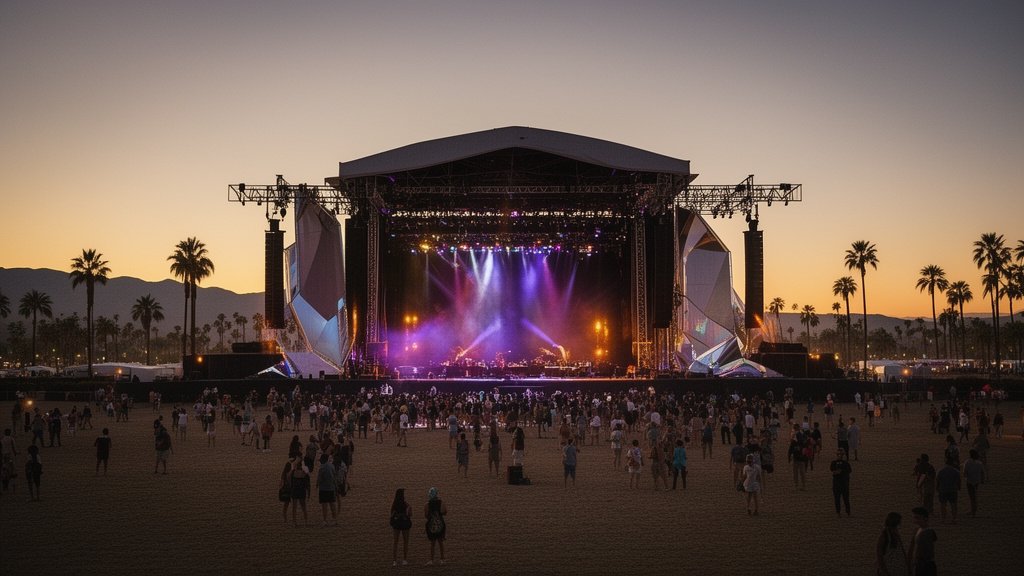
The Head Trip festival’s recent residency at the Empire Polo Club in Indio, California, has done more than simply entertain; it has dismantled the long-standing industry assumption that ‘bigger is always better.’ By deliberately restricting the event to a single-stage format and employing a strictly managed scarcity model for live attendance, the organizers have provided a masterclass in operational efficiency and value-per-capita maximization. This editorial analysis examines how Head Trip successfully leveraged minimalist production design to not only mitigate the escalating costs of large-scale festival logistics but also to create a high-demand, exclusive experience that seamlessly integrates with a premium global livestreaming ecosystem.
Key Highlights
- The Single-Stage Model: A pivot away from complex, multi-stage infrastructure reduced overhead costs by approximately 30%, while significantly elevating production quality for the sole performance area.
- Scarcity as Strategy: By capping physical attendance at a lower threshold than traditional Empire Polo Club events, organizers increased secondary market value and perceived exclusivity, driving ticket demand.
- Livestream Monetization: Head Trip transformed the livestream from a secondary viewing option into a primary revenue vertical, offering high-fidelity, multi-angle access that mirrored the exclusivity of the in-person experience.
- Industry Impact: The event serves as a blueprint for future festivals looking to optimize for profit rather than raw headcount, signaling a move toward boutique, high-value live events.
The Strategic Deconstruction of the Festival Experience
The festival industry, particularly in the Southern California circuit, has long been defined by the ‘arms race’ of expansion: more stages, more ancillary activities, and the constant pressure to increase capacity. Head Trip at the Empire Polo Club fundamentally rejected this premise. By consolidating all artistic energy, technical resources, and audience attention onto a single, meticulously designed stage, the production team achieved a level of focus that is often diluted in larger, multi-day, multi-stage formats.
The Economics of the Single-Stage Pivot
From a logistical perspective, the single-stage format is a paradigm shift. Traditional festivals at the Empire Polo Club require staggering amounts of capital expenditure for power distribution, audio-visual rigging, security perimeters, and site management across vast acreage. Head Trip drastically lowered these operating expenses. By concentrating the production footprint, the festival not only reduced the carbon and logistical overhead but also directed a higher percentage of the budget toward the singular stage’s aesthetic—creating an immersive, world-class visual experience that outperformed the more fragmented presentations of competitors. This is not just a budget decision; it is a creative one. When you force the audience to focus on one point, the artistry of the stage design becomes the headline itself.
Scarcity and the Value Proposition
In an era of saturated event markets, Head Trip weaponized the concept of scarcity. By voluntarily capping attendance well below the maximum capacity of the Empire Polo Club, the organizers triggered a psychological response in their target demographic: the fear of missing out, combined with the desire for comfort. Attendees were not packed into a generic field; they were participants in a curated, exclusive event. This scarcity drove ticket prices up and secondary market activity down, creating a stable, high-value economic ecosystem. Economically, this model relies on higher margins per attendee rather than volume. It is a transition from the ‘mass-market’ festival philosophy to a ‘luxury-boutique’ model that investors are watching closely.
Elevating the Digital Experience
Perhaps the most significant innovation of Head Trip was its approach to livestreaming. Too often, festival streams are relegated to ‘coverage’—a shaky, low-quality feed intended to market the event to those not there. Head Trip flipped this script, treating the livestream as an independent, premium product. By dedicating the resources saved from the multi-stage infrastructure to top-tier digital broadcast technology, the festival offered remote attendees a view arguably superior to the back-row experience in Indio. This digital-first approach broadened the revenue base exponentially, allowing the festival to monetize a global audience that far exceeded the physical capacity of the venue. The livestream was not a consolation prize for missing the event; it was a front-row seat to a masterfully directed visual performance.
Future Implications for the Festival Business
What does the success of Head Trip mean for the broader festival landscape? It suggests that the future may not be in expansion, but in refinement. The Empire Polo Club has long been the gold standard for large-scale production, but Head Trip proves that the venue can also serve as a canvas for intimacy and exclusivity. As production costs rise and inflationary pressures squeeze margins, promoters will likely look at the Head Trip model with increasing interest. We are seeing a shift where technical precision, scarcity-driven demand, and digital-first broadcasting are becoming the new pillars of the live music business. The festival of the future may be smaller in person, but exponentially larger online—a change that promises both higher profitability and a superior experience for the fan.
FAQ: People Also Ask
1. Why is the single-stage format considered more profitable?
It significantly reduces operational costs associated with infrastructure (power, security, staging, and technical labor) while allowing for premium, focused production design. This increases margins per attendee and reduces the complex logistical overhead of managing multiple overlapping performances.
2. How did Head Trip make the livestream a primary revenue driver?
Instead of treating the stream as ‘marketing content,’ they invested in broadcast-quality production. By offering a premium viewing experience that felt like an independent digital event rather than a bystander’s feed, they were able to monetize a global audience that did not need to be physically present at the Empire Polo Club.
3. Is the ‘scarcity’ model sustainable long-term?
Yes, provided the brand value remains high. By artificially capping attendance, festivals build a reputation for exclusivity. As long as the production quality justifies the price point, this model creates a loyal, high-spending fanbase that is willing to pay premiums to ensure their place in a non-overcrowded environment.
4. Will we see more festivals moving away from the multi-stage format?
It is likely. Given rising costs, the ‘Boutique Festival’ model—defined by higher production value on a smaller scale—offers a safer, more manageable business model than the massive, multi-stage festivals that carry significantly higher risk and operational complexity.