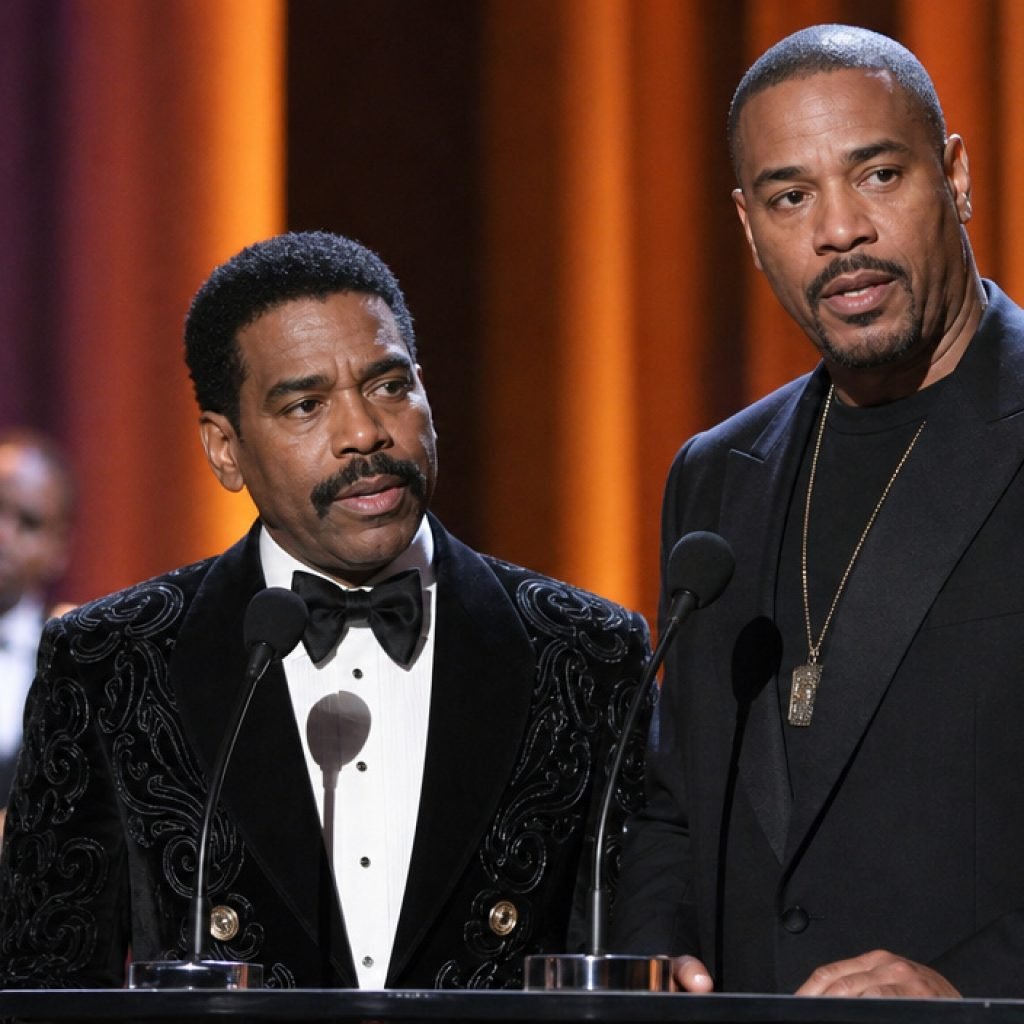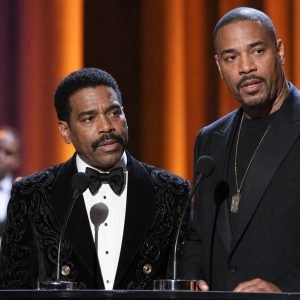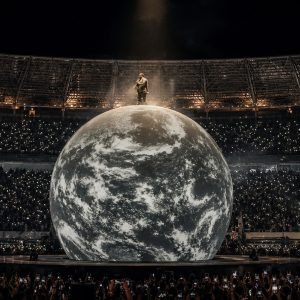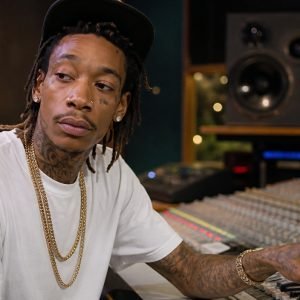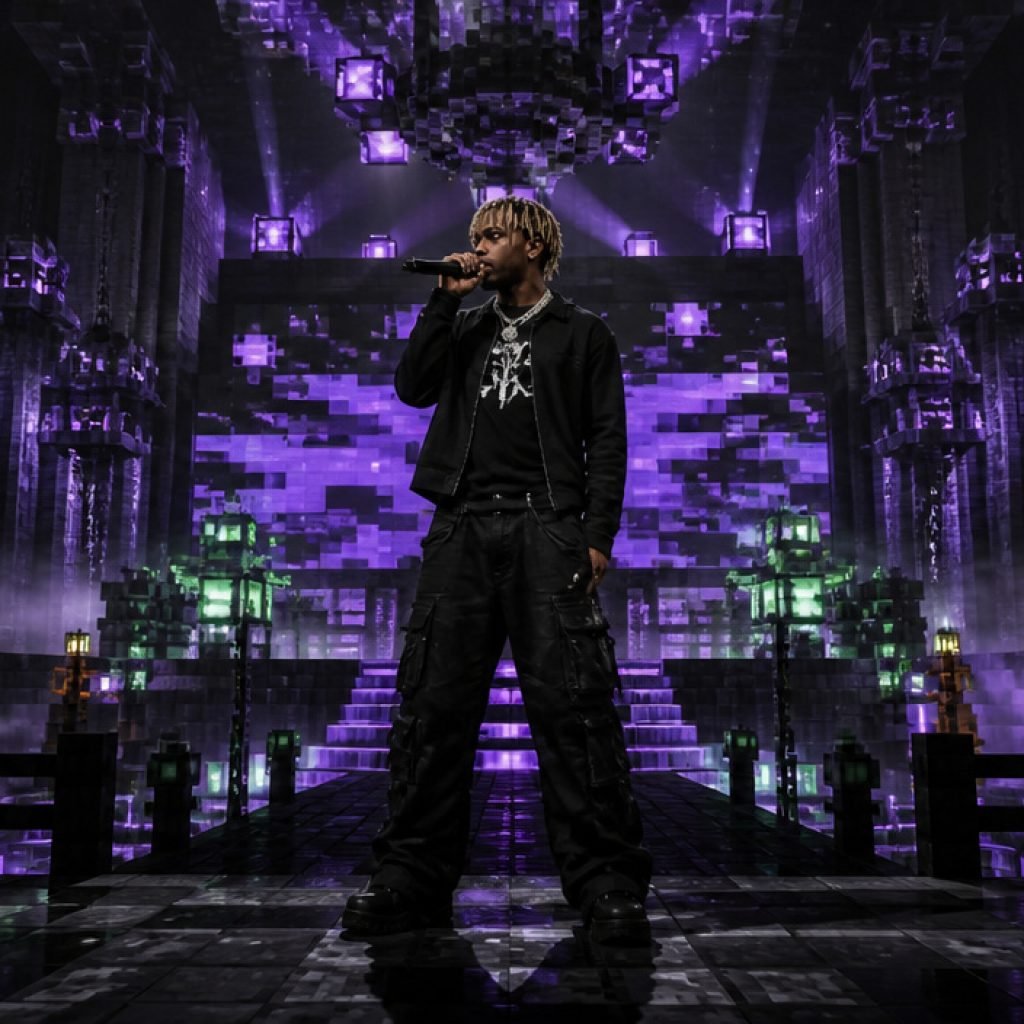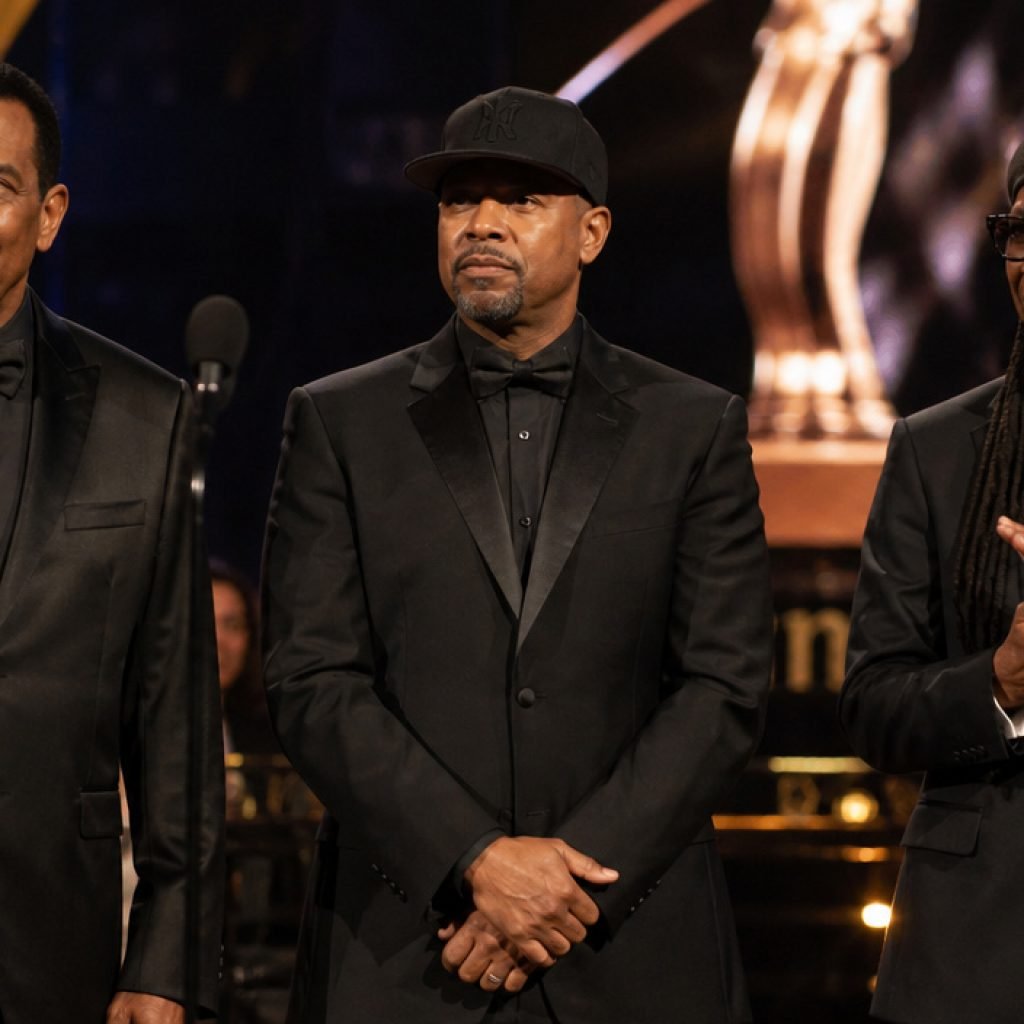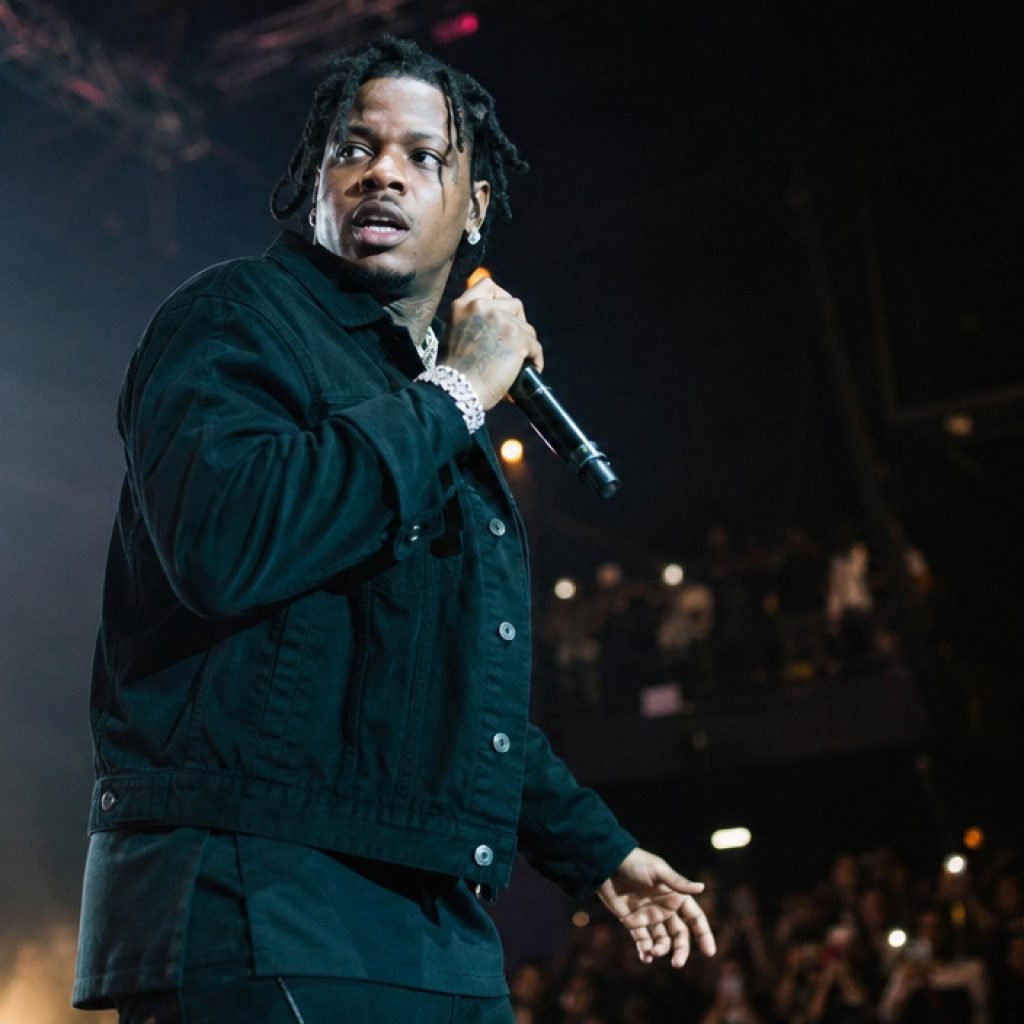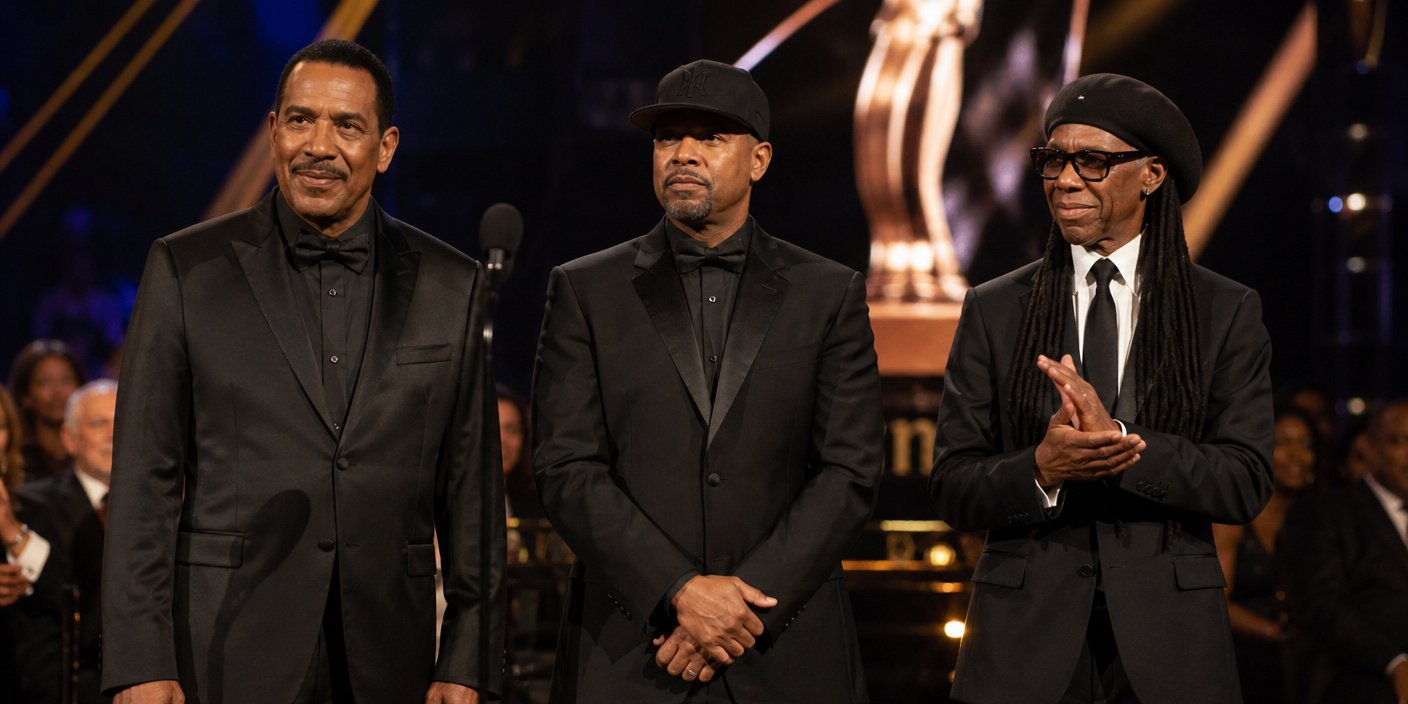
The 4th Annual Paid In Full Foundation Hip-Hop Grandmaster Awards, held on October 24, 2026, cemented its status as the premier institution for celebrating the foundational pillars of rap culture. In a night defined by nostalgia, profound musical history, and industry reverence, two of hip-hop’s most influential architects—Kurtis Blow and The D.O.C.—were the primary honorees. The ceremony also marked a significant cross-genre milestone as legendary producer and guitarist Nile Rodgers was presented with the Quincy Jones Award, recognizing his monumental impact on the sonic landscape of hip-hop through his rhythmic innovations.
The Titans of the Culture
The Paid In Full Foundation has consistently sought to honor not just the artists who sold the most records, but the individuals who built the structural integrity of the genre. Kurtis Blow, often cited as the first commercially successful rapper to sign with a major label, remains a seminal figure. His induction as a Grandmaster acknowledges a career that bridged the gap between underground block parties and global radio. His hit single, “The Breaks,” revolutionized the industry, transforming hip-hop into a viable commercial product and paving the way for every artist who followed.
Equally impactful was the recognition of The D.O.C. While his career was tragically altered by a severe vocal injury in 1989, his influence as a songwriter and ghostwriter for the likes of N.W.A. and Dr. Dre remains unparalleled. The D.O.C. did not just rap; he codified the “West Coast” flow, teaching legends how to deliver complex narratives with technical precision. His resilience and enduring influence on the sound of the 1990s and early 2000s made him an essential recipient for this year’s honor.
The Quincy Jones Legacy: Nile Rodgers
Perhaps the most poignant moment of the evening was the presentation of the Quincy Jones Award to Nile Rodgers. Known for his work with Chic and his legendary production resume, Rodgers is inextricably linked to hip-hop’s DNA. From the Sugarhill Gang’s “Rapper’s Delight,” which sampled Rodgers’ “Good Times,” to modern-day interpolation, his guitar lines have provided the rhythmic backbone for decades of rap history. The award served as a reminder that hip-hop is a collaborative art form, deeply rooted in the funk and soul movements of the 1970s.
Analyzing the Impact: Three Secondary Angles
To understand the broader implications of the 4th Annual Hip-Hop Grandmaster Awards, we must look beyond the stage.
1. Institutionalizing Hip-Hop History: The Paid In Full Foundation acts as a cultural curator. By formalizing the “Grandmaster” designation, the foundation is effectively writing the history books of the genre, ensuring that the contributions of early pioneers are not forgotten by a younger generation focused on streaming metrics.
2. The Producer-Artist Symbiosis: The inclusion of Nile Rodgers highlights a crucial, often overlooked dynamic in hip-hop: the instrumentalist-to-rapper pipeline. The award signals a shift in critical appreciation, where the producers and musicians behind the curtain are receiving equal weight alongside the lyricists.
3. The Economics of Legacy: For artists like Kurtis Blow and The D.O.C., the recognition is more than symbolic; it is a catalyst for economic revitalization. Events of this magnitude drive interest in catalogs, sampling rights, and legacy touring, proving that “foundational” hip-hop remains a robust economic driver in the modern music ecosystem.
A Night of Unity
The atmosphere at the event was one of profound respect. When Kurtis Blow took the stage, he spoke not of his own achievements, but of the collective effort required to bring hip-hop from the parks of the Bronx to the global stage. Similarly, The D.O.C.’s presence served as a masterclass in perseverance, reminding the audience that a rapper’s value is not measured solely by their vocal cord capacity, but by the weight of their words and the endurance of their vision. The Paid In Full Foundation has, through this ceremony, once again succeeded in creating a sanctuary where the architects of rap can be honored with the gravity they deserve.