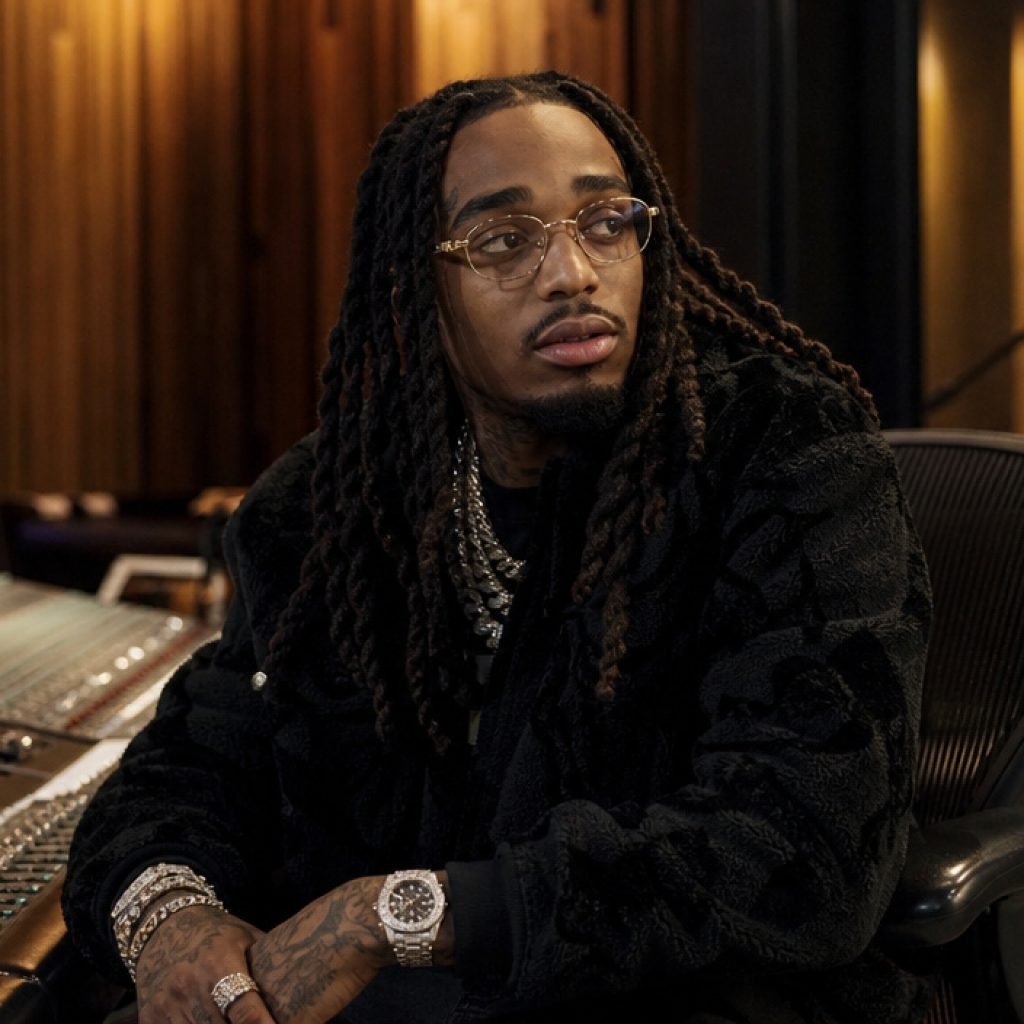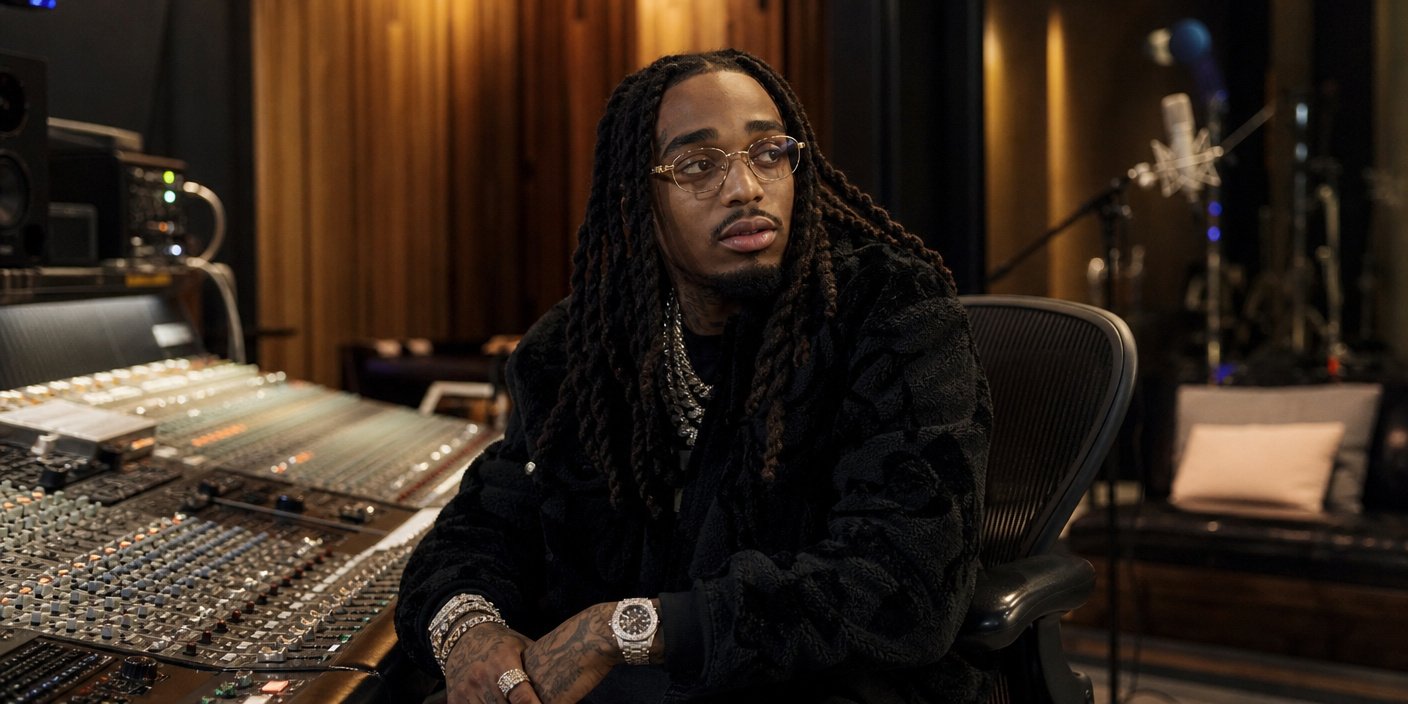
The copyright infringement lawsuit surrounding Quavo’s 2018 track “Bubble Gum” has reached a settlement in principle, effectively bringing a conclusion to a contentious legal chapter for the Migos star. The dispute, which has lingered in federal court, centered on allegations of unauthorized utilization of copyrighted material within the song, which appeared on Quavo’s debut solo studio album, Quavo Huncho.
Key Highlights
- Settlement in Principle: Both parties—Quavo, his production camp, the label, and the publishers—have agreed to terms, ending the primary phase of litigation.
- Intellectual Property Focus: The suit highlighted the complexities of clearing samples and melodic interpolations in modern trap music.
Label Implications: The resolution involves Quality Control Music, ensuring a finalized legal status for the Quavo Huncho* album tracks moving forward.
- Industry Precedent: This case serves as a recurring reminder of the necessity for rigorous copyright compliance in the digital streaming era.
Navigating the Legal Complexities of Trap Music Production
The resolution of the “Bubble Gum” lawsuit underscores the ongoing tension between creative production speed and the rigid requirements of intellectual property law. In the landscape of modern hip-hop, where artists like Quavo produce vast volumes of music for various projects, the margin for error regarding copyright clearance is razor-thin.
The Anatomy of the ‘Bubble Gum’ Dispute
At the heart of the litigation was a disagreement regarding the composition of the track. Copyright infringement cases in the music industry typically focus on the “substantial similarity” between a new work and a preexisting protected work. In this instance, the plaintiffs argued that elements of “Bubble Gum” crossed the line from inspiration or genre-standard trap aesthetics into actionable copying. For artists of Quavo’s stature, whose work is scrutinized under a global lens, every production decision is subject to potential litigation if clearance protocols are not flawlessly executed.
The Mechanism of ‘Settlement in Principle’
In federal legal proceedings, a “settlement in principle” is a critical juncture. It indicates that while the specific, granular details of the settlement—often including non-disclosure agreements, exact payout figures, and credit restructuring—are still being formalized into a binding contract, the fundamental dispute has been resolved to the satisfaction of all parties involved. For the defense, this is a strategic move to mitigate the mounting costs of discovery, expert testimony, and the unpredictable nature of jury trials. For the plaintiff, it secures a tangible victory and compensation without the risk of an adverse summary judgment.
Intellectual Property and the Digital Streaming Economy
The economic impact of this resolution extends beyond the individuals involved. As the digital streaming economy continues to prioritize catalog volume, labels are increasingly risk-averse. The resolution of this suit provides a blueprint for how high-profile copyright disputes can be managed before they reach the courtroom floor, protecting the commercial viability of the song on streaming platforms like Spotify and Apple Music.
Secondary Angle: The Evolution of Music Litigation
This settlement fits into a broader narrative of increasing music copyright litigation in the 2020s. Following the Blurred Lines and Stairway to Heaven precedents, songwriters and producers are more cautious than ever. We are entering an era where AI-driven music analysis tools are being utilized by publishers to proactively audit tracks before release, minimizing the chance of future “Bubble Gum”-style lawsuits. This shift is professionalizing the production process, favoring rigorous “legal engineering” alongside creative composition.
Secondary Angle: The Impact on Quality Control Music
Quality Control Music (QC), the label behind Quavo’s meteoric rise, has faced numerous legal hurdles regarding its catalog over the years. This settlement reinforces the label’s commitment to cleaning up its legal portfolio. Resolving this case allows QC and Quavo to focus on future creative endeavors without the lingering threat of past litigation affecting the backend revenue of their most popular albums.
Secondary Angle: Creative Freedom vs. Legal Liability
Perhaps the most significant takeaway is the ongoing debate regarding the influence of “vibe” versus “theft.” The trap genre, defined by its reliance on repetitive 808 patterns, hi-hat rolls, and simple melodic loops, often treads a thin line. Does this settlement signal that artists will become more conservative in their songwriting? Or, will it lead to more transparent and automated licensing deals that allow artists to experiment without fear of being sued after the fact?
FAQ: People Also Ask
What does ‘settlement in principle’ mean in a lawsuit?
It means both parties have reached a verbal or preliminary agreement on the core terms of the resolution. While the lawyers must still draft the final settlement agreement, the case is effectively headed toward dismissal.
Did the copyright lawsuit affect the availability of ‘Bubble Gum’ on streaming services?
Generally, unless a court orders an injunction, songs remain on streaming platforms during legal disputes. A settlement typically ensures the song can continue to be monetized without further interruption.
What are the common causes of copyright lawsuits in hip-hop?
Most hip-hop copyright suits arise from the use of uncleared samples, the interpolation of melodies from older songs without permission, or claims of “substantial similarity” regarding the arrangement of beats and rhythm.
Will there be a public disclosure of the settlement amount?
Usually, no. Settlements of this nature almost always include confidentiality clauses. The terms, including any financial compensation, typically remain private to protect both parties’ reputations.