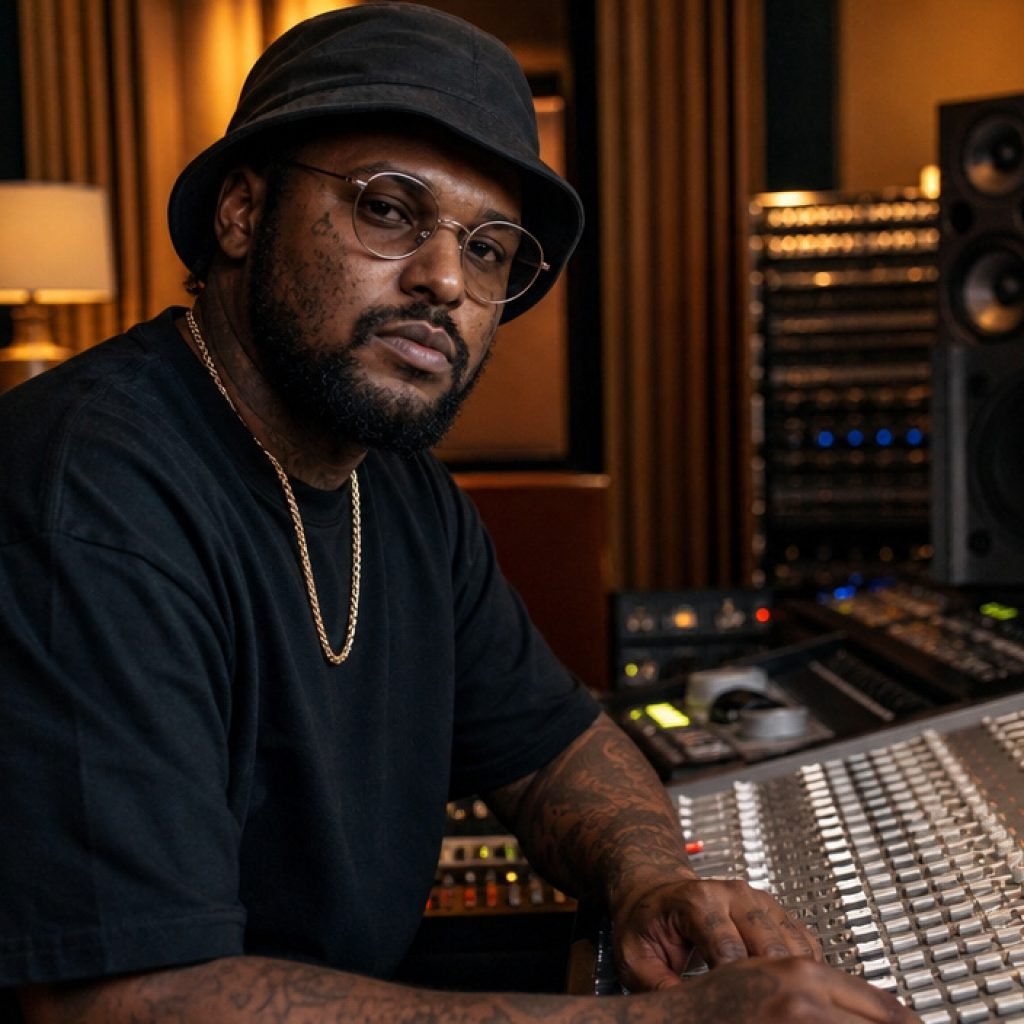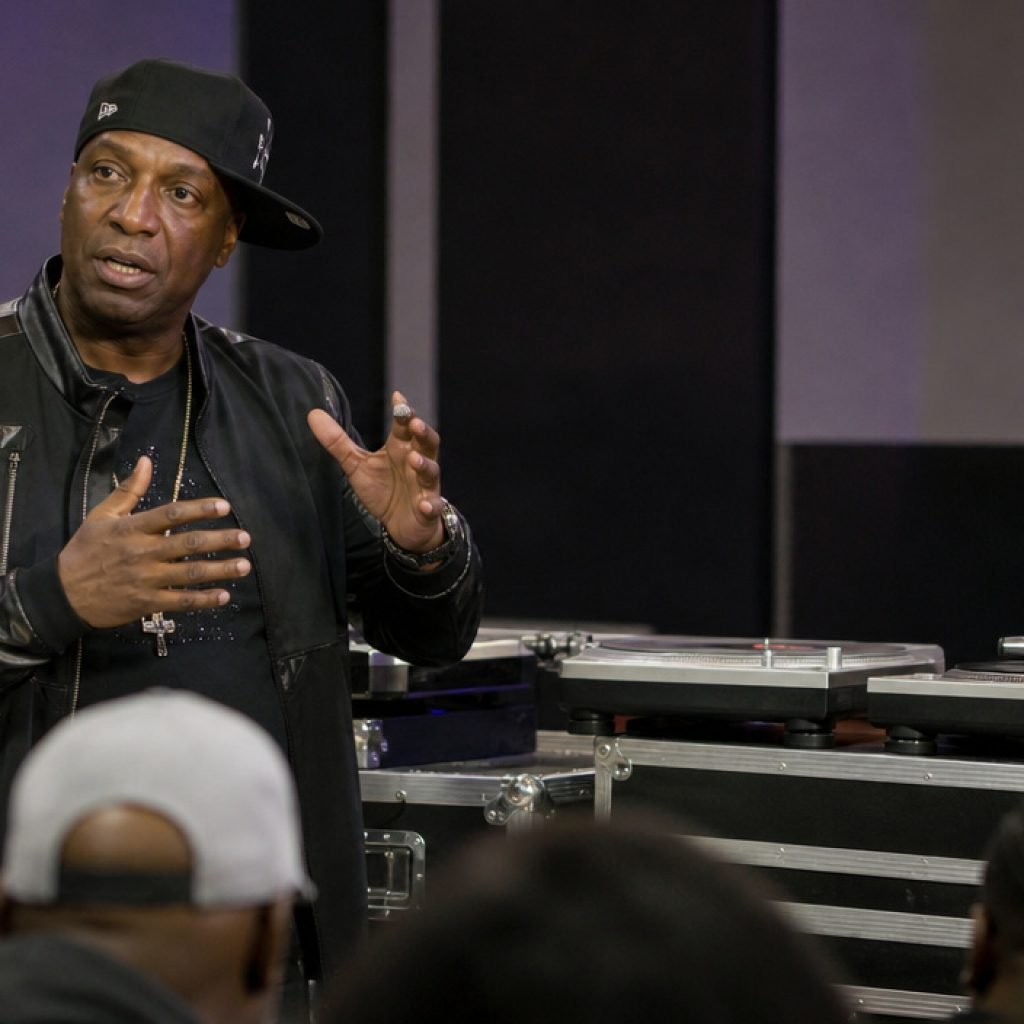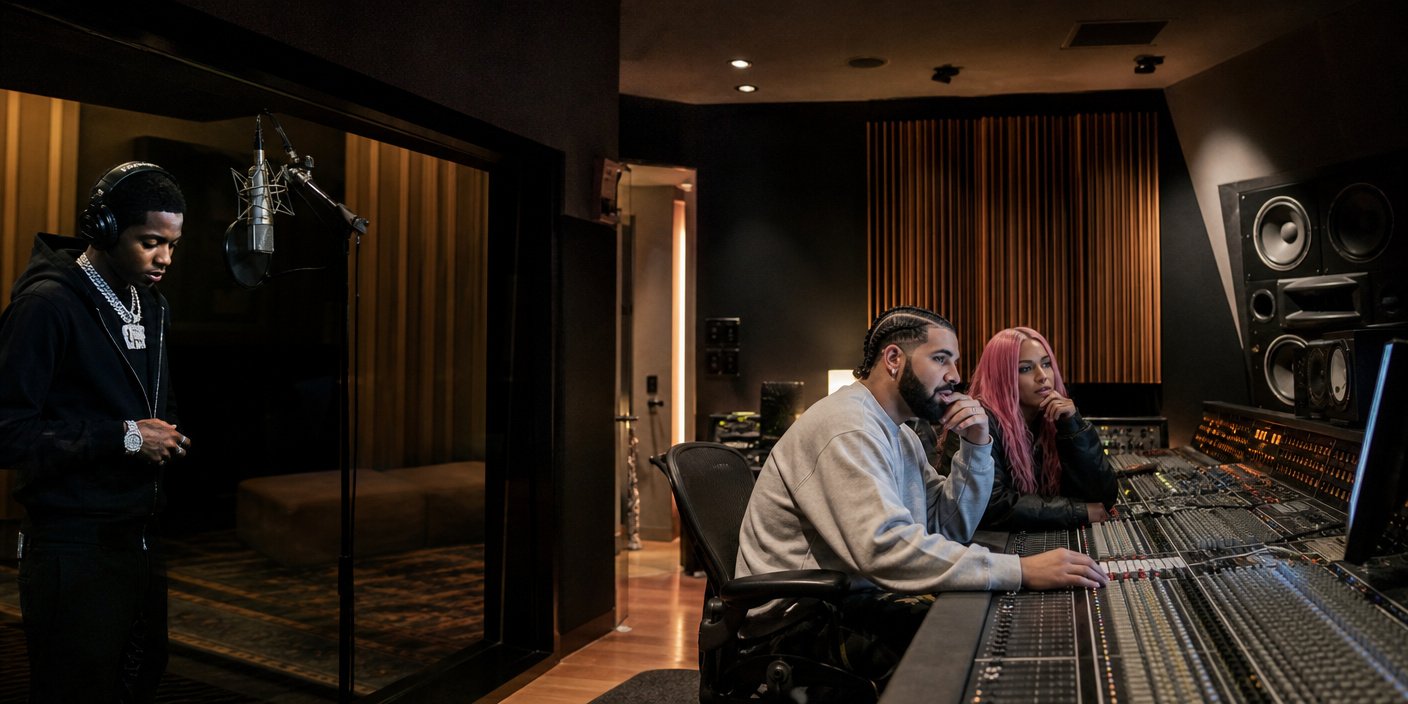
The music industry enters a critical phase this evening as the August 7, 2026, release schedule brings a convergence of street-level authenticity and global pop-fusion dominance. With high-stakes projects hitting digital service providers (DSPs) at midnight, fans and industry analysts are bracing for a shake-up in the late-summer charts. The narrative of tonight is defined by two distinct industry forces: the highly anticipated return of Pooh Shiesty and a border-defying collaboration between Drake and KAROL G.
Key Highlights
- Pooh Shiesty makes his definitive return to the recording booth after a prolonged hiatus, re-centering the conversation on authentic Southern trap storytelling.
- Drake and KAROL G bridge the gap between global pop and hip-hop, releasing a joint track that industry experts anticipate will dominate international streaming metrics throughout the remainder of Q3.
- The releases reflect a deliberate industry strategy to capitalize on late-summer listening cycles, targeting festival season momentum and peak subscriber activity.
The Strategic Pivot: Shaping the Late-Summer Soundscape
The hip-hop landscape is cyclical, but August 7, 2026, represents a unique convergence of legacy-building and market expansion. As we navigate the end of the third quarter, the music industry is looking for stability and viral velocity. Tonight’s releases are not merely artistic statements; they are calculated moves designed to re-anchor artists within the cultural zeitgeist during a period where listener attention spans are notoriously fragmented.
The Return of Pooh Shiesty
For many hip-hop purists, the return of Pooh Shiesty is the most significant event of the release calendar. The Memphis-born artist has long been cited as a primary architect of the ‘Shiesty Season’ sound, characterized by raw, unrelenting lyrical delivery and menacing production that stripped away the over-polished elements of mid-2020s radio rap. His hiatus has only served to increase the anticipation. Industry data suggests that the ‘scarcity model’—pulling an artist from the spotlight to build demand—is a risky strategy that only works if the music meets the elevated expectations. Tonight, we will see if the ‘Shiesty’ brand still resonates with a fanbase that has seen the rise of dozens of regional contenders during his absence. His ability to reclaim the top spot will depend largely on whether he evolves his sound while maintaining the grittiness that established his RIAA-certified success.
The Drake & KAROL G Crossover Phenomenon
Contrastingly, the collaboration between Drake and KAROL G is a study in calculated globalization. Drake, ever the chameleon, has long leveraged his position to tap into international markets, particularly the burgeoning Latin-American music sector. KAROL G, a titan in her own right, brings an audience that is arguably more engaged and digitally active than any other demographic in the current music economy. This track is not just a song; it is a strategic alliance. By blending reggaeton-infused production with Drake’s signature delivery, the pair is targeting the ‘Global Top 50’ charts on major streaming platforms. This is a deliberate attempt to dominate the club and radio space heading into the fall. From an economic perspective, this synergy lowers the cost of customer acquisition for both artists, as they cross-pollinate their existing audiences. It is a masterclass in modern A&R strategy, prioritizing high-velocity crossover appeal over genre purity.
Q3 Streaming Economics and Algorithmic Control
Beyond the artist narratives, tonight’s drops underscore the evolving economics of the music business. DSPs (Digital Service Providers) like Spotify and Apple Music have adjusted their algorithms to favor ‘binge-listening’ behaviors. Projects like these, backed by major marketing budgets and collaborative star power, are designed to trigger these algorithms immediately. The goal for tonight is ‘Day One saturation.’ When an artist drops a project on a Thursday night leading into a Friday, they are effectively locking in three full days of prime algorithmic placement. This ensures that the tracks are seeded into ‘New Music Friday’ playlists, ‘RapCaviar,’ and ‘Viva Latino’ aggregators. The financial implications are massive; a strong opening weekend in early August sets the tone for streaming numbers for the rest of the year, which in turn influences tour ticket sales and merchandise velocity as we head into the winter touring season. As we track the performance of these releases, keep a close eye on the ‘Save’ ratios on streaming platforms, as this is the primary metric for long-term chart longevity rather than just the initial spike in unique listeners.
FAQ: People Also Ask
Why is the August 7 release date significant for the music industry?
August 7 falls during the ‘late-summer rush,’ a period where artists release music to capture the final wave of summer festival and beach-lifestyle listening. It positions these tracks to gain momentum before the fourth-quarter flood of holiday releases.
How does the Drake and KAROL G collaboration impact their respective brands?
This collaboration allows Drake to maintain his relevance in the Latin market while providing KAROL G with exposure to a broader North American hip-hop audience. It creates a ‘bridge’ effect that expands both artists’ total addressable market and streaming reach.
Is Pooh Shiesty’s return indicative of a wider trend in 2026?
Yes, there is a recurring trend in 2026 of established artists who took breaks during the mid-2020s returning to reclaim their core audience. The industry is currently favoring proven legacy acts over new, unproven talent due to the high cost of marketing in a saturated social media environment.