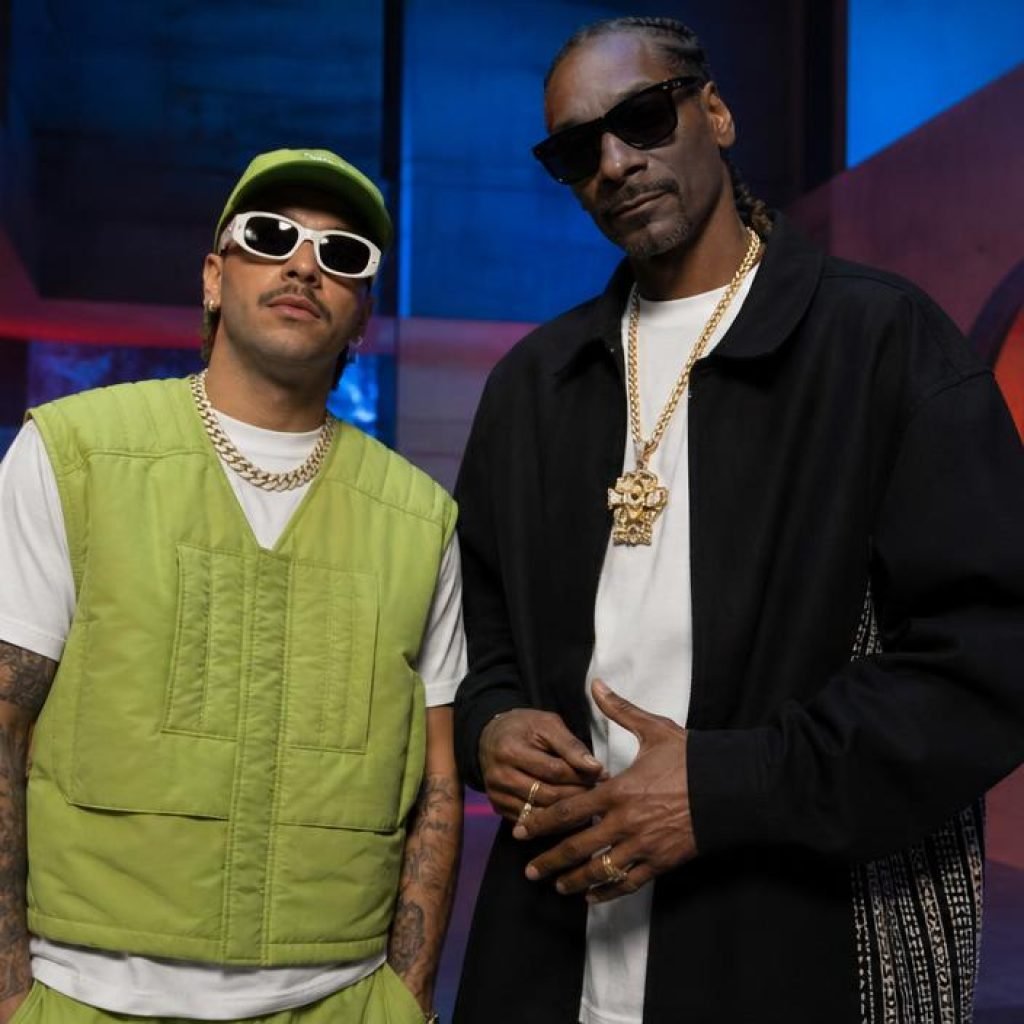
The 2026 Soul Train Awards are poised to redefine the intersection of heritage R&B and contemporary hip-hop with a highly anticipated ‘Soul Cypher’ headlined by neo-soul architect Erykah Badu. The announcement confirms that the awards ceremony, which has served as a cultural cornerstone for decades, will be broadcast on CBS on November 27, 2026, marking a significant transition to a major network platform. This year’s event, held in the historic music hub of Chicago, will be hosted by Anthony Anderson, setting the stage for what producers are describing as a definitive moment in modern music television.
The Cultural Significance of the Soul Cypher
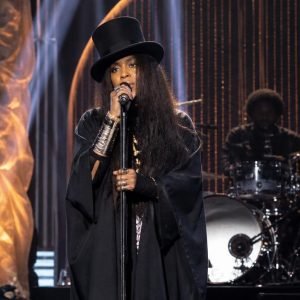
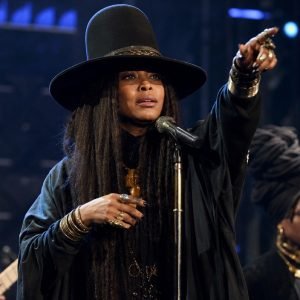
The Soul Cypher has evolved into the most critical segment of the Soul Train Awards, functioning as a bridge between the genre’s foundational roots and its future. By placing Erykah Badu at the center of this year’s installment, the production team is doubling down on authenticity. Badu, known for her intricate lyrical storytelling and transformative approach to rhythm and blues, represents the gold standard of artistic integrity. Her leadership in the cypher is not merely a performance; it is a curatorial statement.
Industry analysts view the inclusion of Badu as a tactical move to cement the ceremony’s relevance in a crowded media landscape. The cypher format—typically characterized by unscripted, raw displays of lyrical prowess—allows artists to strip away the artifice of studio production. When Badu takes the lead, she brings the intellectual weight of her discography, ensuring that the cypher resonates with both the traditional R&B audience and the younger demographic that consumes music through digital-first channels.
A Chicago Homecoming: Music and Geography
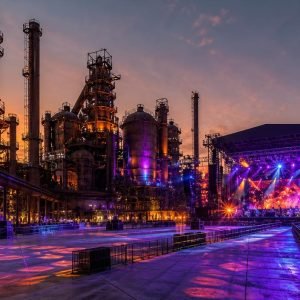
Selecting Chicago as the host city is a strategic decision that aligns with the city’s profound legacy in the development of soulful music and house, alongside its significant contributions to hip-hop. The 2026 awards move the production away from coastal strongholds, tapping into the Midwest’s visceral connection to musical history.
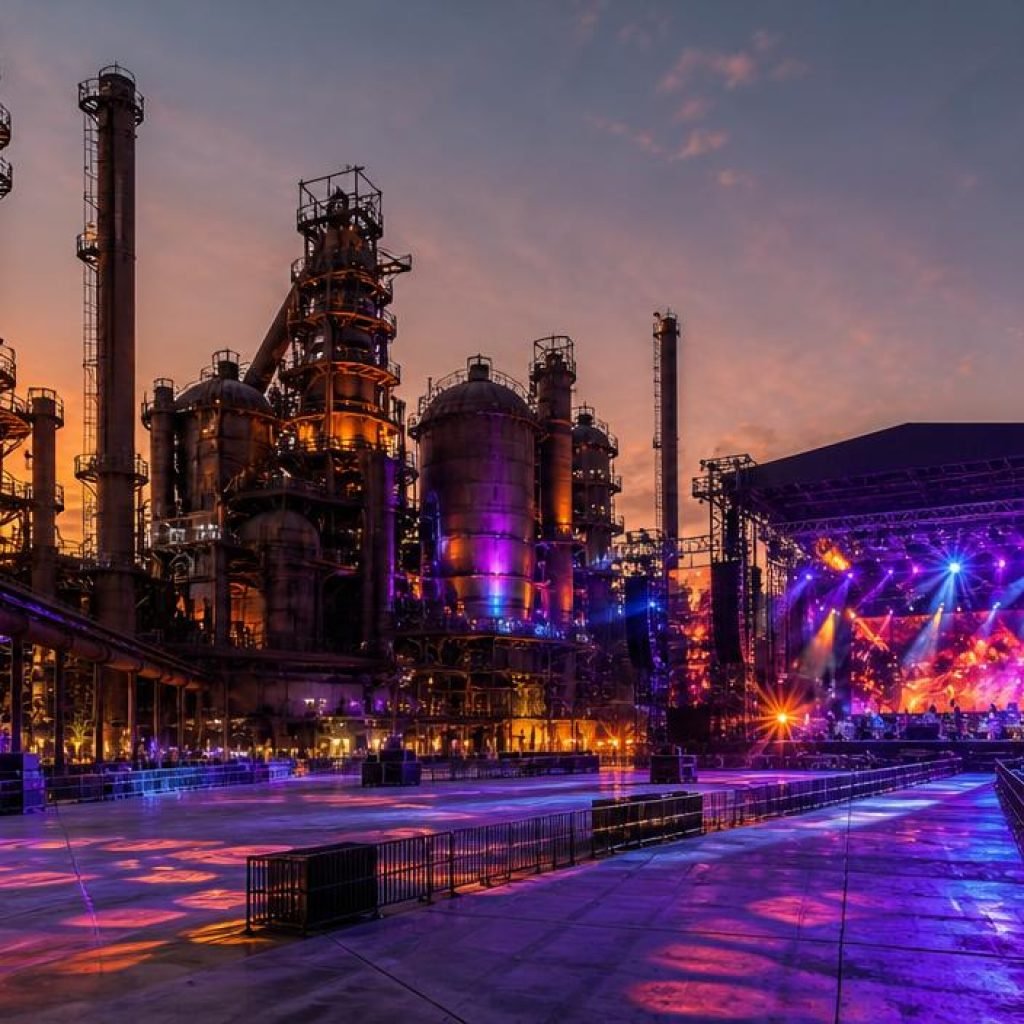
This geographical choice serves as a secondary angle of economic and cultural revitalization. By anchoring the event in Chicago, the Soul Train Awards are injecting high-profile visibility into the city’s entertainment sector, potentially stimulating tourism and local venue interest during a traditionally quiet time in the event calendar. The production design, which will lean into Chicago’s distinct architectural aesthetic, aims to create an atmosphere that feels both gritty and glamorous, honoring the ‘Train’ legacy while pushing it firmly into the present.
The 2026 Lineup: Bridging the Generational Divide
The partnership between Erykah Badu, Rapsody, and CeeLo Green is a masterstroke in genre-blending. Rapsody, celebrated for her razor-sharp lyricism and conscious storytelling, brings a modern hip-hop discipline that complements Badu’s experimental soul. CeeLo Green, whose career spans from the raw energy of Goodie Mob to the global pop success of Gnarls Barkley, adds a layer of vocal versatility that ensures the cypher will be musically unpredictable.
This specific combination of artists is designed to cater to the ‘generational bridge’ strategy. By pairing legacy acts like Badu and CeeLo with the critically acclaimed, contemporary penmanship of Rapsody, the Soul Train Awards are effectively ensuring multi-generational appeal. The synergy here is expected to highlight the continuous thread of black musical excellence, demonstrating how the soulful foundations of the 1970s and 1980s are directly reflected in the technical innovations of 2026.
Broadcasting Evolution: The CBS Transition
The most notable structural change for 2026 is the migration to CBS. For years, the Soul Train Awards have maintained a dedicated but niche audience. The move to a major broadcast network signals an intention to capture a mass-market viewership. This is not just a change of venue or channel; it is a fundamental shift in the economics of the brand.
This transition to CBS is expected to unlock a wider range of sponsorship opportunities and higher advertising premiums, validating the sustained cultural power of R&B and soul in mainstream media. Furthermore, the broadcast shift allows the production team to employ more ambitious technical specs for the live performance, including higher fidelity audio production and more elaborate staging setups, which is critical for an event where the live ‘cypher’ is the main draw. It creates a ‘must-watch’ urgency that is often missing from pre-recorded awards shows, placing the event on equal footing with major cultural moments like the Grammys or the Super Bowl halftime show.