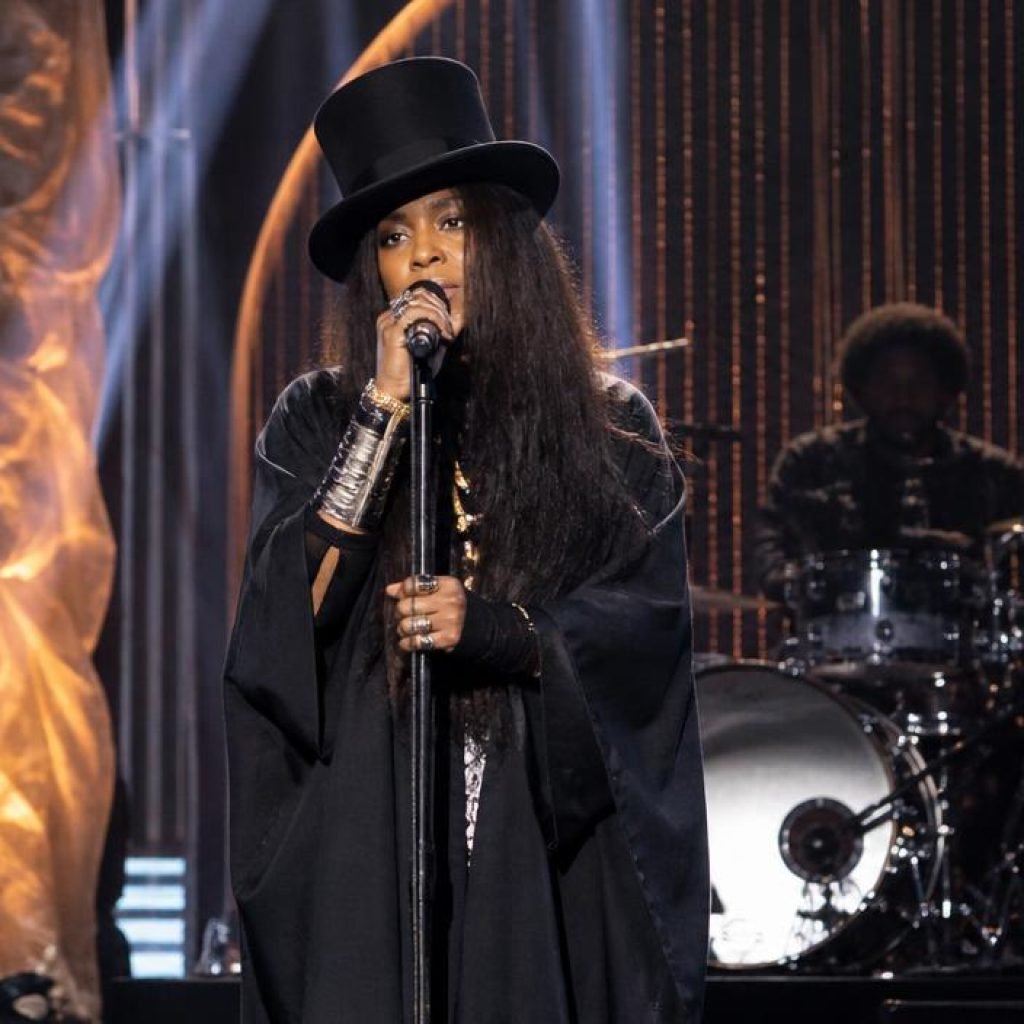
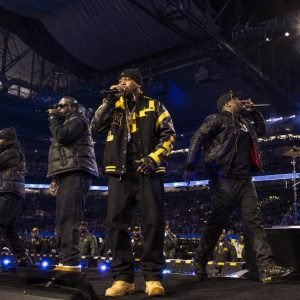
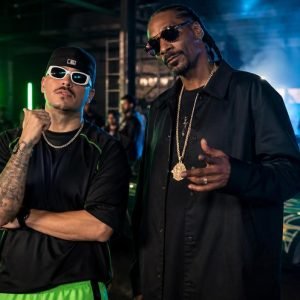
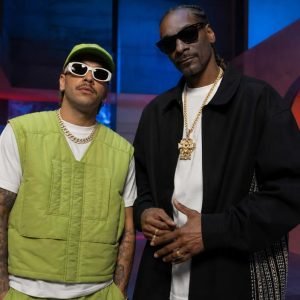
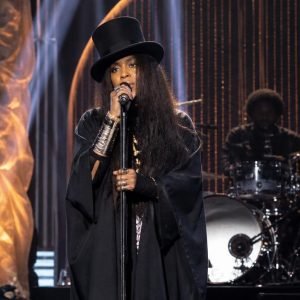
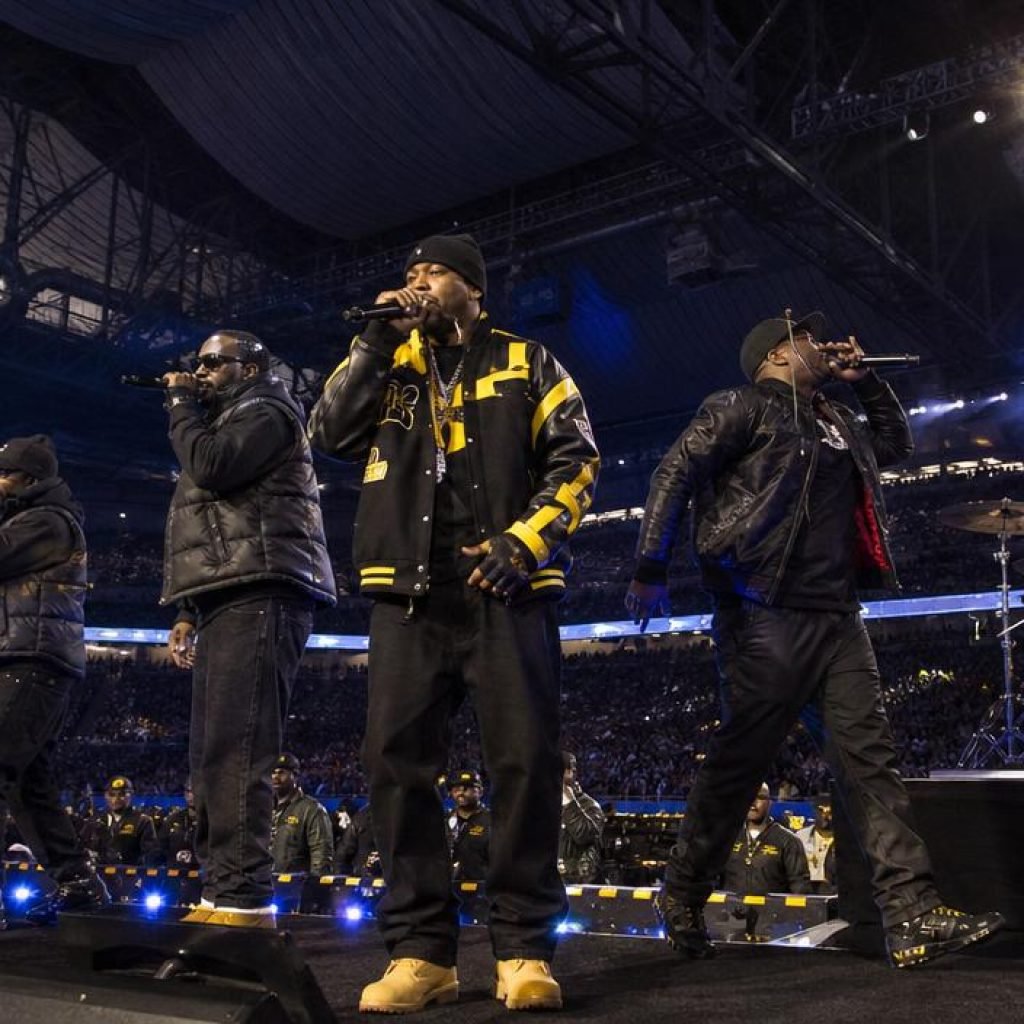
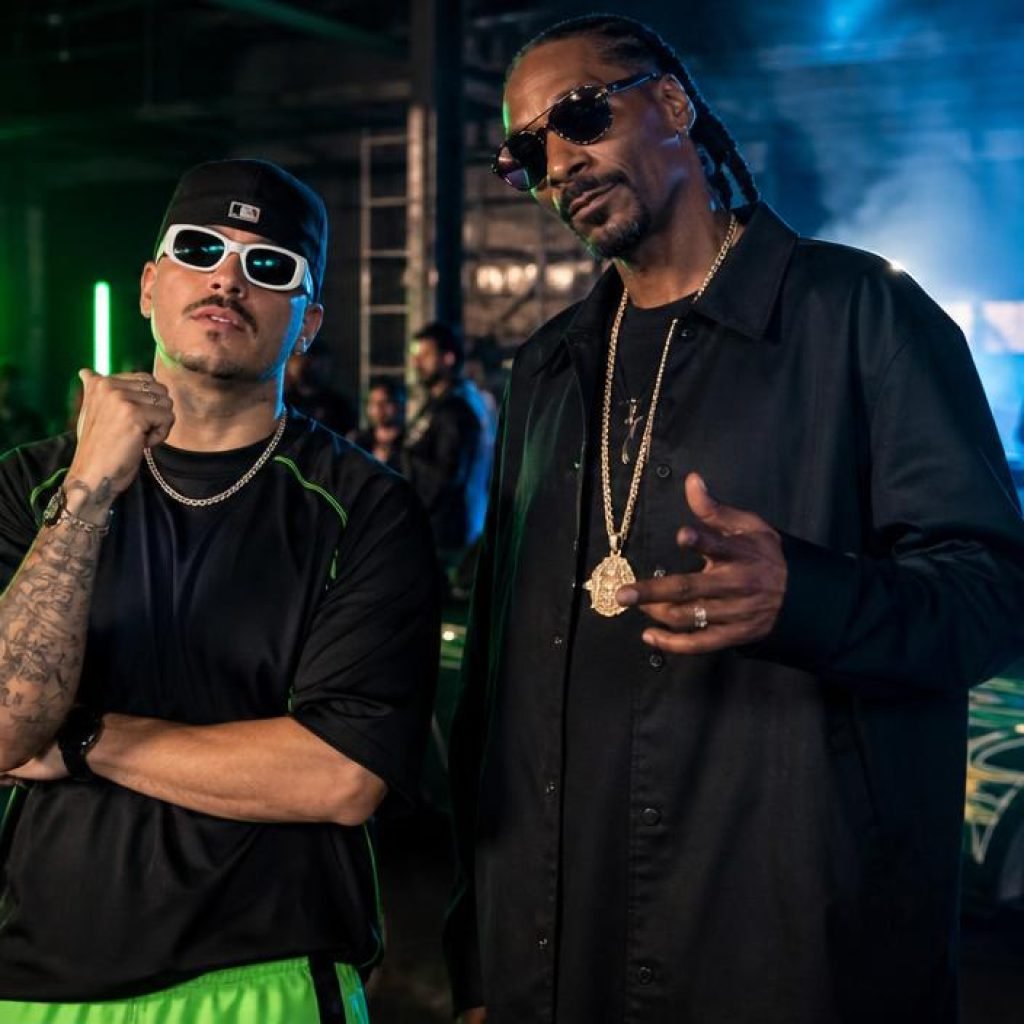
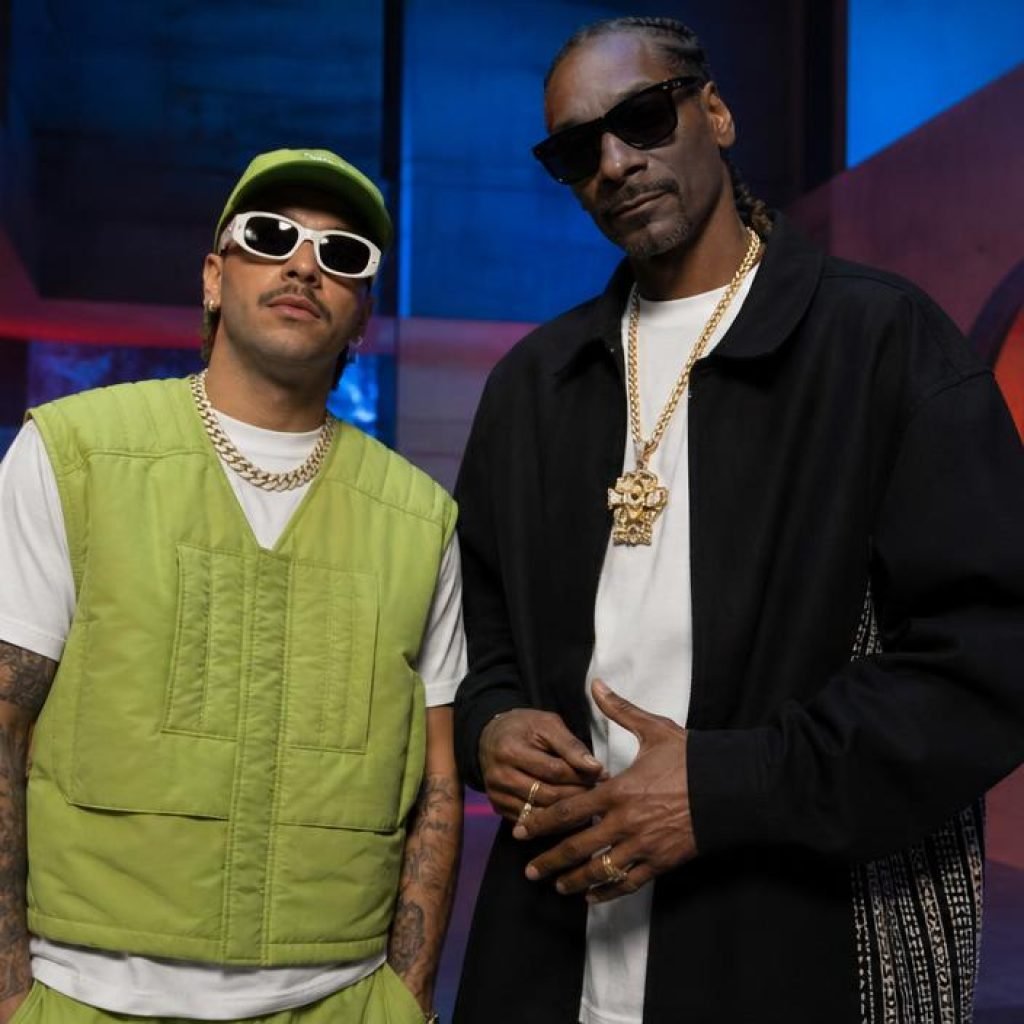
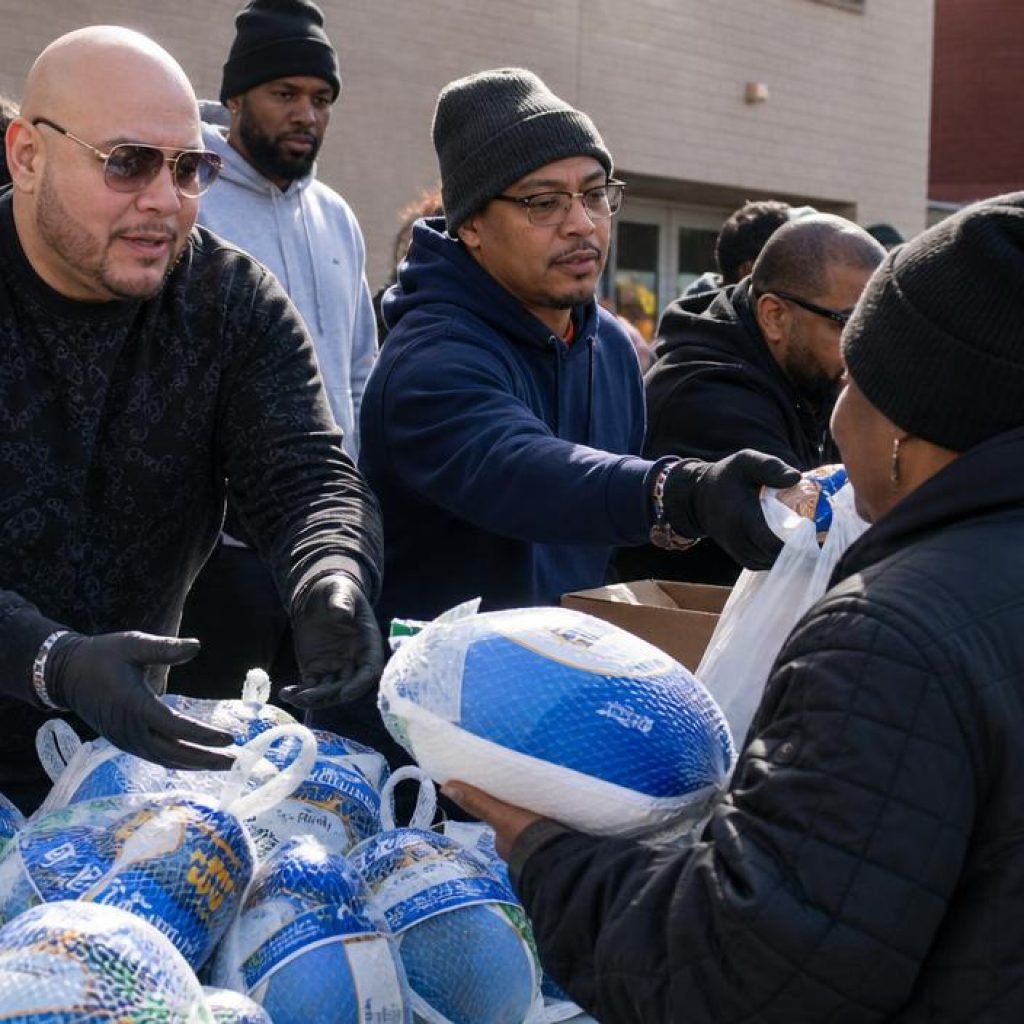
In a season often defined by excess, a select group of hip-hop’s most influential voices is redirecting the spotlight toward a persistent crisis: food insecurity. Led by industry titans including Teyana Taylor, T.I., Fat Joe, and LL Cool J, a cohort of 11 prominent rappers has launched a coordinated effort to facilitate turkey drives, food distribution events, and resource access for families facing financial hardship. This movement, which blends the cultural cachet of hip-hop with grassroots community mobilization, highlights a shift in how celebrity influence is being leveraged to address localized economic pain during the holiday season.
Key Highlights
- Cultural Leadership: 11 major hip-hop artists, including Teyana Taylor, T.I., Fat Joe, and LL Cool J, are headlining independent Thanksgiving charitable initiatives across the United States.
- Direct Impact: The primary objective is the reduction of food insecurity for low-income households, focusing on the distribution of turkeys and essential grocery provisions.
- Economic Context: These drives serve as a critical buffer against rising food costs, with artists utilizing their logistical networks to partner with local non-profits and food banks.
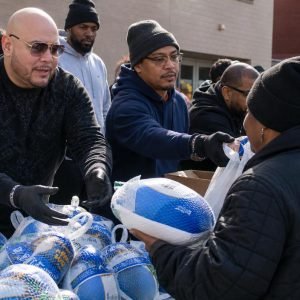
- Community Engagement: Beyond monetary donations, these events emphasize direct-to-community contact, with artists often appearing in person to assist in the distribution process.
The New Philanthropy: Hip-Hop’s Shift to Ground-Level Action
For decades, the relationship between hip-hop artists and their hometowns has been defined by a deep-seated commitment to ‘giving back.’ However, the current landscape of celebrity philanthropy is witnessing a distinct evolution. It is moving away from passive donation models—where checks are simply signed—toward active, ground-level logistical operations. The initiatives led by figures such as Fat Joe and T.I. illustrate a comprehensive approach to community welfare, where the artist acts as the primary connector between corporate sponsors, local food banks, and the families who need these resources most.
The Logistics of the ‘Turkey Drive’
Organizing a large-scale food drive is a complex logistical undertaking. It requires the coordination of supply chains, the securing of distribution venues, and the management of high-volume volunteer shifts. When artists like LL Cool J or Teyana Taylor lend their names to these efforts, they do more than provide financial backing; they provide the social capital necessary to accelerate permit approvals, attract corporate food sponsors, and mobilize local media. These drives function as ad-hoc distribution centers, capable of serving hundreds of households in a matter of hours. The effectiveness of these events is often measured not just in the volume of goods, but in the speed and dignity with which they are delivered to families living in neighborhoods that frequently suffer from ‘food deserts’—geographic areas with limited access to affordable, nutritious food.
The Economic Undercurrent: Why Now?
It is impossible to discuss these initiatives without acknowledging the macro-economic pressures facing American households. Food inflation remains a top-tier concern, particularly for families already living on the margins. The traditional Thanksgiving meal has seen significant price volatility over the past 24 months, making the basic act of holiday gathering a financial impossibility for many. By focusing specifically on Thanksgiving, these 11 rappers are addressing a cultural pressure point. The holiday carries a heavy symbolic weight; for many families, the ability to put a turkey on the table is synonymous with stability and success. When these artists intervene, they are not only providing sustenance but are also relieving the acute anxiety that often accompanies the holiday season in low-income demographics.
The Professionalization of Artist Activism
One of the most notable trends in this year’s cycle of giving is the professionalization of these efforts. Many of these rappers have established or partnered with 501(c)(3) organizations, ensuring that the aid provided is transparent, sustainable, and scalable. This is not merely a fleeting publicity stunt. For artists like T.I., whose work in Atlanta has been well-documented over the years, the Thanksgiving drive is part of a 365-day engagement cycle with the community. This continuity is crucial. It builds trust within the neighborhood and creates a reliable network that can be activated not just in November, but during other times of crisis—such as during local weather emergencies or health crises. The sustainability of these models suggests that hip-hop artists are becoming an essential, quasi-governmental infrastructure for urban development.
Scaling the Impact
What happens when 11 artists of this caliber combine their reach? The collective impact is measurable in terms of public awareness. By documenting their charity work on social media platforms, these artists are ‘gamifying’ the concept of giving, effectively challenging other entertainers to match their efforts. This creates a ripple effect, where the visibility of one turkey drive inspires local businesses, influencers, and even rival musicians to establish their own initiatives. It turns philanthropy into a competitive standard for the hip-hop industry, effectively raising the bar for what fans and communities expect from their favorite stars.
FAQ: People Also Ask
Q: How do these rappers select which communities receive help?
A: Most artists focus on their home cities—the communities where they grew up—or areas where they maintain significant professional ties. They partner with local non-profits, churches, and community centers that have existing databases of families in need, ensuring the resources are targeted efficiently.
Q: Is this aid limited only to food?
A: While the current focus is on Thanksgiving-specific items like turkeys and side dishes, many of these initiatives have expanded to include winter coats, school supplies, and, in some cases, direct financial assistance or grocery vouchers for year-round support.
Q: How can local residents find these events?
A: Most initiatives are announced via the artists’ official social media channels, often in the two weeks leading up to the holiday. Local municipal websites and community center newsletters are also primary sources for event times and registration requirements.
Q: Can fans get involved in these drives?
A: Yes, these drives rely heavily on volunteer support. Interested individuals are usually encouraged to contact the partner organizations—typically established local food banks—to sign up for volunteer shifts for logistics, packaging, and distribution.
Q: Are these initiatives politically motivated?
A: While these initiatives intersect with social policy, the primary motivation stated by the participants is community welfare and holiday solidarity. They represent a humanitarian response to economic hardship rather than a traditional political campaign.