The 2026 musical landscape has been defined by a sharp pivot away from the algorithmic speed-dating of the early 2020s, favoring instead the cohesive, narrative-driven album experience. As we reflect on the 12 hip-hop records that defined the year, it is clear that the industry’s center of gravity has shifted toward artistic integrity and intentional, long-form storytelling. Among these, the collaboration between Open Mike Eagle and Kenny Segal on ‘DOOMED!’ and the latest installment of the Czarface saga, ‘Czarface Meets Frankie Pulitzer,’ stand as the definitive markers of this creative resurgence.
Key Highlights
- The Return of the Narrative Album: 2026 marked a resurgence in ‘listening sessions’ where albums are consumed as singular artistic statements rather than playlists, exemplified by Open Mike Eagle’s ‘DOOMED!’.
- The Segal-Eagle Synergy: Kenny Segal’s production on ‘DOOMED!’ utilized unconventional polyrhythms, setting a new benchmark for indie-rap sound design.
- Czarface’s Multiversal Expansion: ‘Czarface Meets Frankie Pulitzer’ successfully blended high-concept comic book lore with gritty, boom-bap production, proving that niche, persona-driven hip-hop is commercially viable.
- The 2026 ‘Album-First’ Strategy: Major and independent artists alike moved toward shorter, more potent release cycles that prioritize replay value over streaming quantity.
The Resurgence of the Conceptual Hip-Hop LP
In a year where the cultural noise has reached a deafening crescendo, the most impactful hip-hop records of 2026 have been those that forced the listener to sit still. This was not a year for the ‘viral single’ that lasts fifteen seconds on social media; rather, it was a year for the deep dive. The 12 records highlighted here are not merely collections of songs; they are architectural structures of sound and verse, built by architects who prioritize the longevity of the art form over the immediacy of the algorithm.
The Anatomy of ‘DOOMED!’: A Study in Abstract Minimalism
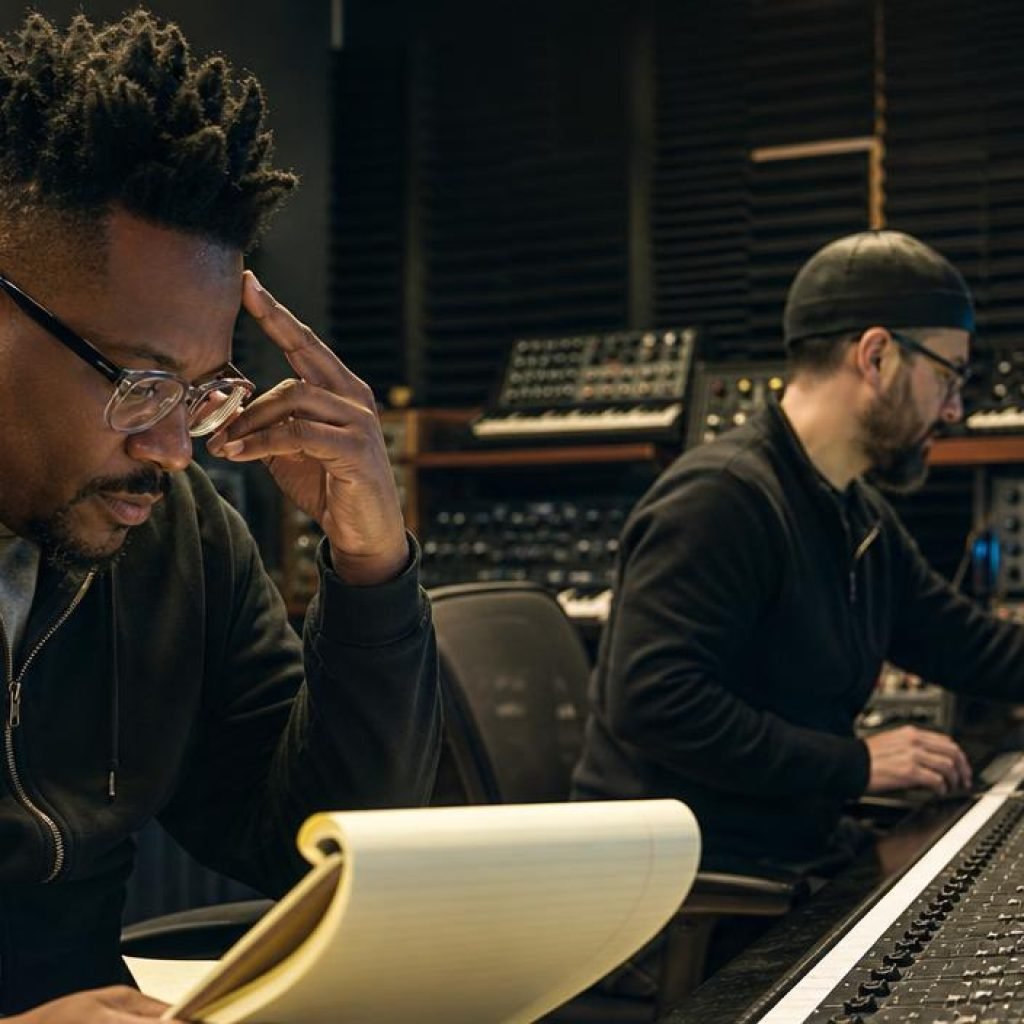
When analyzing the artistic merit of Open Mike Eagle and Kenny Segal’s ‘DOOMED!’, one must look past the immediate ear-catching hooks and analyze the structural minimalism employed. Segal, known for his dexterous, percussive-heavy production, opted for a haunting, stripped-back aesthetic for this record. The partnership has long been a pillar of the underground, but ‘DOOMED!’ represents their most crystallized effort to date. The album explores the anxieties of the mid-2020s through a lens of surrealist humor and existential dread.
What sets this record apart is the technical production choice: utilizing low-fidelity textures alongside crisp, high-definition vocal captures. This contrast mimics the fractured state of modern digital identity. Open Mike Eagle’s flow is sharper, more measured, and arguably more vulnerable than in his previous work, marking a maturation in his lyricism that mirrors the maturation of the genre itself. It is a masterclass in tone control.
‘Czarface Meets Frankie Pulitzer’: Mythology as a Monetization Tool
Conversely, the project ‘Czarface Meets Frankie Pulitzer’ offers an entirely different, yet equally compelling, paradigm. Where Eagle and Segal offer internal exploration, Czarface offers external world-building. The ‘Frankie Pulitzer’ persona serves as the perfect antagonist-cum-collaborator within the Czarface comic-book mythology.
By leaning into the graphic-novel aesthetic, the group has successfully commodified a niche sub-genre—the ‘nerdcore’ adjacent, sample-heavy boom-bap—into a recognizable, profitable, and highly anticipated franchise. The production quality on this record, characterized by dusty, vinyl-crackling samples and thunderous, retro-synths, acts as a time capsule. It proves that there is a massive, underserved market for classic hip-hop textures, provided they are packaged with a modern, high-stakes narrative. This project did not just sell records; it sold a complete intellectual property ecosystem.
Secondary Angles: The State of the Scene
1. The Producer-Artist Chemistry Crisis: A secondary angle worth noting in the 2026 landscape is the scarcity of true ‘album-length’ chemistry. In an era where beats are often licensed from ‘type beat’ marketplaces, the collaborative alchemy between a singular producer like Kenny Segal and a focused lyricist like Open Mike Eagle is becoming an endangered, and therefore more valuable, commodity. Labels are beginning to notice that long-term producer-artist relationships yield better subscription-retention metrics than fragmented features-based albums.
2. The Vinyl Resilience Factor: There is a distinct correlation between the 12 records on this list and their physical media performance. ‘DOOMED!’ and ‘Czarface Meets Frankie Pulitzer’ both saw significant vinyl sales in Q2 and Q3 of 2026. This is not coincidental. The audience for these projects is older, more disposable-income-heavy, and values the tactile experience of the record sleeve. The vinyl revival is no longer a ‘trend’; it is the bedrock of the indie-hip-hop economy.
3. The Lyrical Complexity Index: In 2026, we have seen a pivot toward ‘density.’ The complexity of rhyme schemes and the density of cultural references in these 12 records are significantly higher than the 2024 average. Listeners are increasingly seeking content that requires multiple ‘rewinds.’ This shift suggests that the ‘lazy listening’ era of the pandemic is fully over, replaced by a more active, forensic approach to music consumption.
FAQ: People Also Ask
Q: Why does ‘DOOMED!’ stand out compared to other 2026 releases?
A: It stands out due to the rare technical synergy between Open Mike Eagle and Kenny Segal, who successfully balance high-concept existentialism with a minimalist production style that avoids the oversaturation of modern hip-hop.
Q: Is ‘Czarface Meets Frankie Pulitzer’ a standalone project?
A: While it functions as a standalone listening experience, it is heavily rooted in the existing Czarface comic-book mythology. The ‘Frankie Pulitzer’ persona is a deliberate expansion of their established universe, aimed at both new and legacy fans.
Q: How are these 12 records selected for the 2026 year-end list?
A: Selection is based on a weighted criteria of technical production, lyrical density, cultural impact, and ‘replay value’—measuring how the albums hold up over repeated listens throughout the year, rather than just initial release buzz.