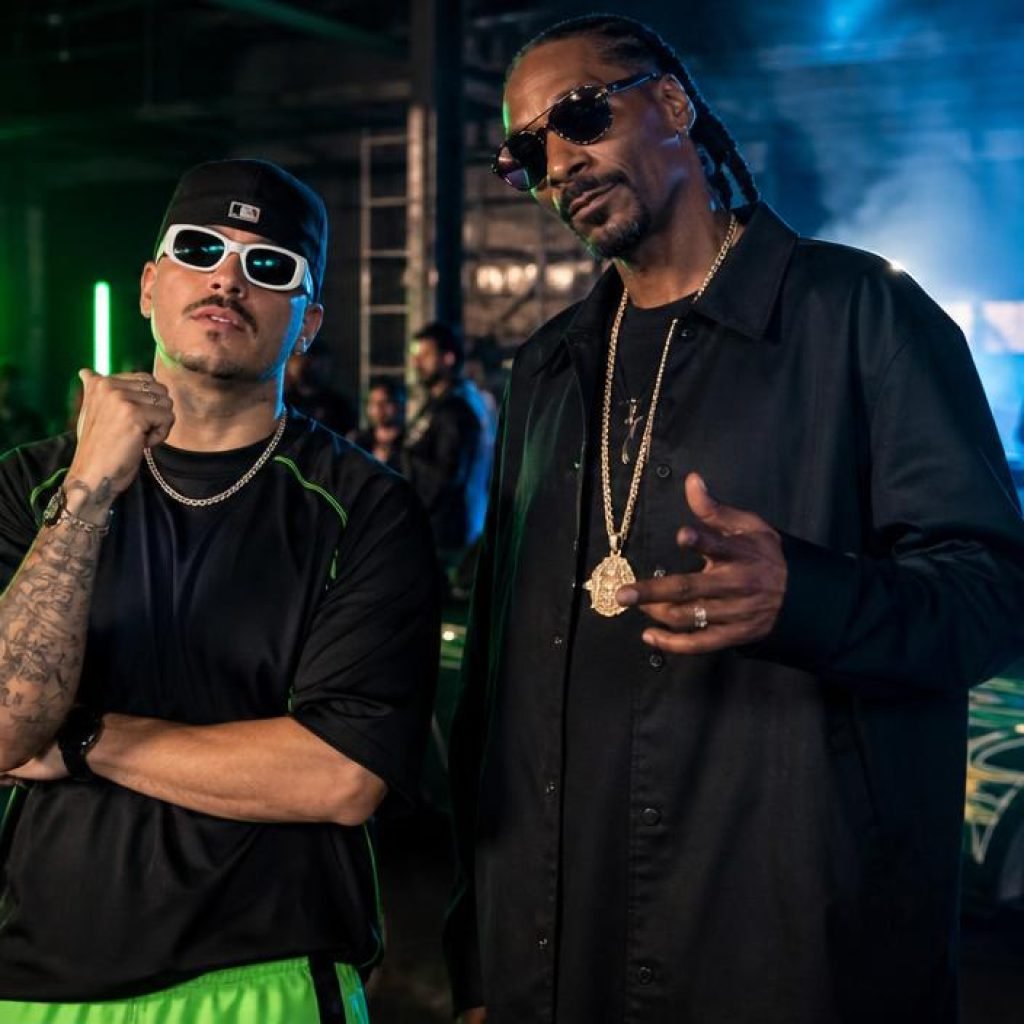
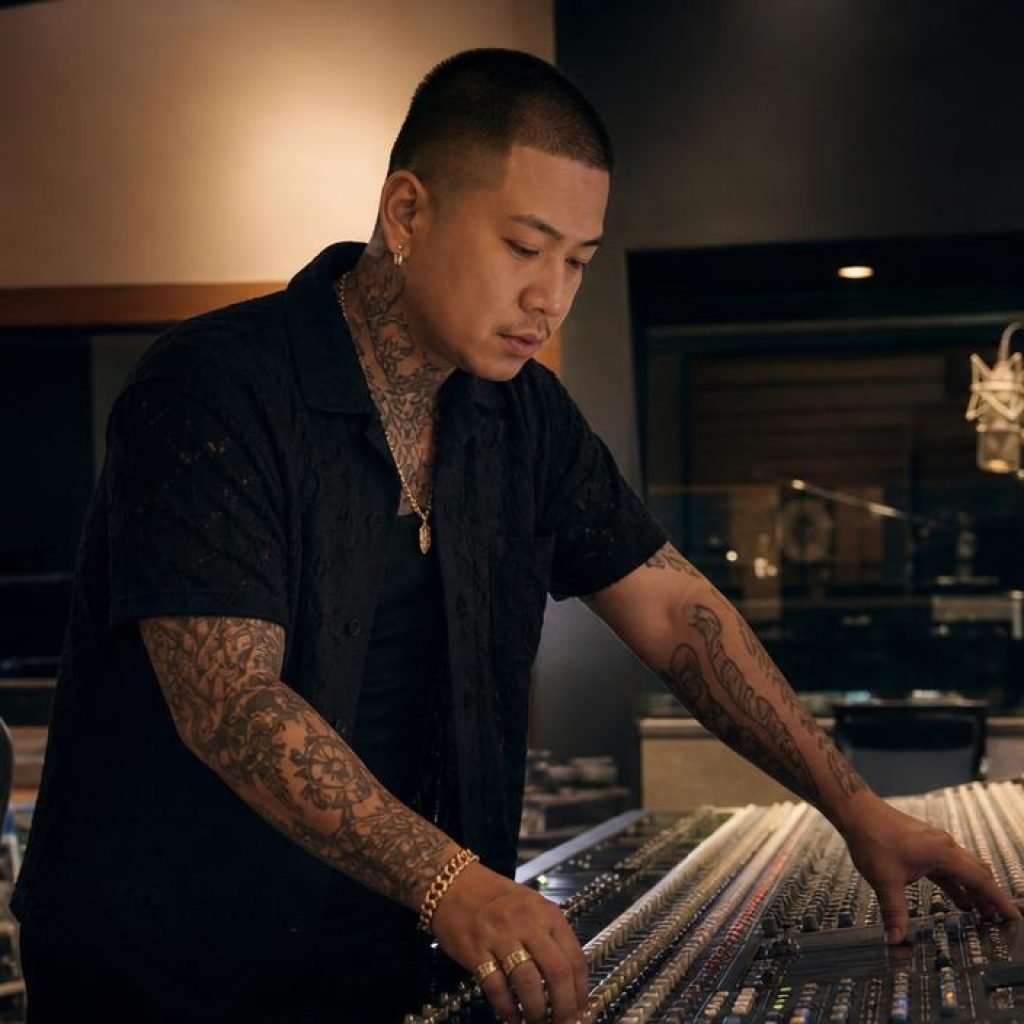
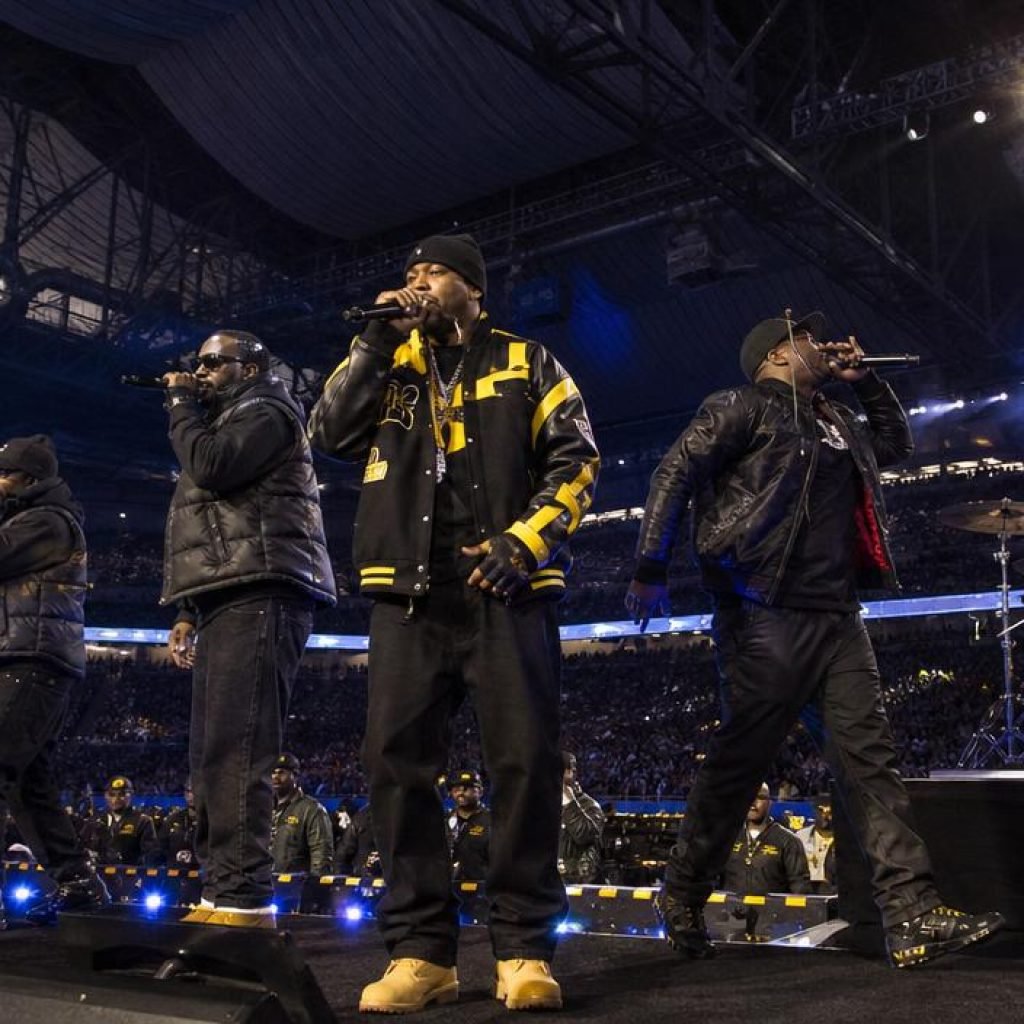
The 87th annual Detroit Lions Thanksgiving Day game has always been a staple of American sports tradition, but this year, it transcended the gridiron to become a cultural landmark. In a performance that will be etched into the annals of hip-hop history, the legendary Wu-Tang Clan took over Ford Field, delivering a high-octane set that fused the grit of Staten Island lyricism with the raw energy of Detroit sports culture. The performance was not merely a musical interlude; it was a carefully orchestrated tribute to hip-hop’s enduring legacy, meticulously curated by none other than Detroit’s own rap icon, Eminem, alongside his longtime manager and Shady Records co-founder, Paul Rosenberg.
The Eminem Connection: A Detroit Curated Spectacle
The decision to invite Wu-Tang Clan to the halftime stage was a deliberate strategic move by Eminem and Rosenberg. Known for his encyclopedic knowledge of hip-hop history and deep respect for the genre’s pioneers, Eminem treated the halftime slot as a curatorial platform rather than a standard booking. By selecting Wu-Tang Clan—a group whose influence on lyricism, production, and collective branding is arguably unmatched—Eminem signaled a shift in how the NFL approaches halftime entertainment. For Detroit, a city with a complicated relationship with its own industry and identity, having one of its most successful exports orchestrate a tribute to the architects of the East Coast boom-bap era was a profound moment of creative synergy. This wasn’t just a concert; it was an acknowledgment of hip-hop as a foundational pillar of modern American culture, showcased on one of the most-watched stages in the world.
Deconstructing the Setlist: ‘Triumph’ and ‘C.R.E.A.M.’ on the Gridiron
The performance itself was a masterclass in pacing and nostalgia, featuring iconic tracks that defined an era. When the unmistakable opening chords of ‘Triumph’ echoed through the stadium, the atmosphere shifted instantly. The track, famous for its complex internal rhyme schemes and ominous, cinematic production, took on an entirely new life in a live stadium environment. Watching the group maneuver through the intricate verses of ‘Triumph’ required the audience to pay attention—it wasn’t background music, it was a centerpiece performance.
The energy reached a fever pitch during ‘C.R.E.A.M.’ (Cash Rules Everything Around Me). For many in the crowd, this was a generational touchstone. Hearing the soulful, melancholic piano loop—reminiscent of The Charmels’ ‘As Long As I’ve Got You’—resonate through the vast acoustics of Ford Field was surreal. The delivery was crisp, punchy, and demanded the crowd’s participation. The performance underscored why these tracks remain relevant: they are narratives of survival, ambition, and struggle, themes that resonate just as loudly in the industrial heart of Detroit as they did in the boroughs of New York City during the 1990s.
The Unexpected Beat: Chad Smith’s Percussive Power
Perhaps the most jarring and exhilarating highlight of the afternoon was the surprise appearance of Red Hot Chili Peppers drummer Chad Smith. Hip-hop and rock have a long, storied history of cross-pollination, but seeing Smith behind the kit, locking into the breakbeats alongside the Wu-Tang rhythm section, was a masterstroke of musical fusion. Smith, known for his relentless, funk-driven power with the Chili Peppers, brought a visceral, organic weight to the performance. His drumming didn’t just mimic the samples; it expanded them.
The addition of a live percussionist of Smith’s caliber elevated the performance from a standard backing-track delivery to a dynamic, ‘in-the-moment’ event. It highlighted the versatility of Wu-Tang’s catalogue, proving that these beats—constructed in an era of samplers and SP-1200s—possess a fundamental, rhythmic swing that holds up perfectly alongside world-class live musicianship. It was a bridge between genres, a nod to the fact that great music, regardless of its origin, shares a common heartbeat.
Beyond the Scoreboard: The Evolution of NFL Halftime Entertainment
This performance is part of a larger trend of the NFL seeking to capture cultural capital by aligning with musical legends. Moving away from the generic pop spectacles of the past, the league has increasingly relied on curators like Eminem, Jay-Z, and others to bridge the gap between sports fandom and music fandom. This shift is highly effective, as it captures a demographic that might not prioritize the game itself but will tune in for a once-in-a-lifetime musical event.
By leveraging the ‘Detroit’ connection, the NFL successfully transformed a mid-season game into a viral media event. The social media reach of this performance, combined with the credibility of the Wu-Tang brand, ensured that the 87th annual Thanksgiving game dominated the news cycle well into the evening. It wasn’t just about the Lions or their opponents; it was about the spectacle of the event. As the league continues to evolve, we can expect more such high-concept performances, where the halftime show becomes as significant as the fourth quarter, turning stadiums into massive, culturally relevant arenas of mass consumption and artistic celebration.
FAQ: People Also Ask
Q: Why did Eminem and Paul Rosenberg choose Wu-Tang Clan for the halftime show?
A: Eminem and Rosenberg chose Wu-Tang Clan to curate a performance that celebrates the foundational era of hip-hop. Their goal was to bring authentic, high-impact musical legends to the Detroit stage, leveraging the group’s massive influence and cultural weight to create a memorable spectacle for the 87th annual Thanksgiving game.
Q: How did Chad Smith’s involvement impact the performance?
A: Chad Smith’s involvement brought an organic, live-drumming element to the production. His high-energy, funk-influenced percussion style added a raw, visceral layer to the classic hip-hop beats, specifically bridging the gap between rock and rap, and making the live sound more dynamic and immersive for a stadium-sized audience.
Q: What is the significance of the 87th annual Detroit Lions Thanksgiving Day game?
A: The 87th annual game is a major milestone for one of the NFL’s longest-running traditions. Hosting a high-profile performance by the Wu-Tang Clan at this specific game elevated the event’s status, blending historic NFL tradition with modern cultural relevance and cementing the game’s position as a premier entertainment event.