Master P, born Percy Miller, has long transcended the title of rapper to become a quintessential architect of the independent music business. As he prepares to bridge the gap between two of the most dominant empires in hip-hop history—No Limit Records and Cash Money Records—he is not just looking back at a legacy of chart-topping success, but actively instructing a new generation on the structural power of ownership, diversification, and strategic partnerships. With the Cash Money & No Limit tour officially set to ignite in Houston on September 11, the industry is witnessing a masterclass in leveraging historical cultural capital to drive future economic growth.
Key Highlights
- Tour Launch: The highly anticipated Cash Money & No Limit tour is scheduled to commence on September 11 in Houston, Texas.
- The Independent Blueprint: Master P’s career is defined by his innovative 80/20 distribution deal with Priority Records, which allowed him to retain his masters while maintaining creative control—a model that remains the gold standard for independent artists.
- Strategic Diversification: Beyond music, Miller’s business portfolio spans food products, footwear, and telecommunications, serving as a survival roadmap for artists looking to sustain wealth outside of fleeting music cycles.
- Legacy Collaboration: The upcoming tour represents a unification of two southern rap powerhouses that reshaped the industry landscape in the 1990s and early 2000s.
The Architecture of Independence and Wealth
To understand the magnitude of Master P’s influence on the current generation, one must look at the specific machinery he built in the 1990s. When most artists were signing “360 deals” that stripped them of their equity, Master P secured an 80/20 distribution deal with Priority Records. This was not merely a contract negotiation; it was a fundamental shift in the power dynamic of the music industry. By retaining his masters, Miller ensured that the equity created by No Limit Records remained within the family and the organization. This concept of “ownership” is the bedrock of his blueprint for the next generation of creatives.
Scaling the Independent Model
For modern artists operating in the streaming era, the “No Limit” model has never been more relevant. Today’s independent artists often view music as a loss leader—a vehicle to build an audience that can then be monetized through merchandise, licensing, and direct-to-consumer businesses. Master P pioneered this in the 90s, using his records to sell everything from clothing lines to sports drinks. He effectively proved that an artist could be a CEO first and a performer second. By teaching younger artists to treat their brand as a corporation rather than a career, he is fostering a new wave of entrepreneurs who understand that streaming royalties are just one piece of a much larger puzzle. The longevity of his career is not due to his flow, but to his ledger.
The Houston Kickoff: Bridging Eras
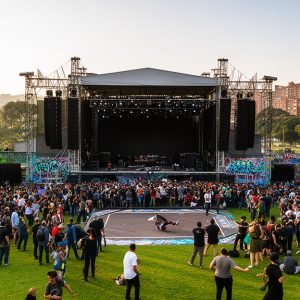
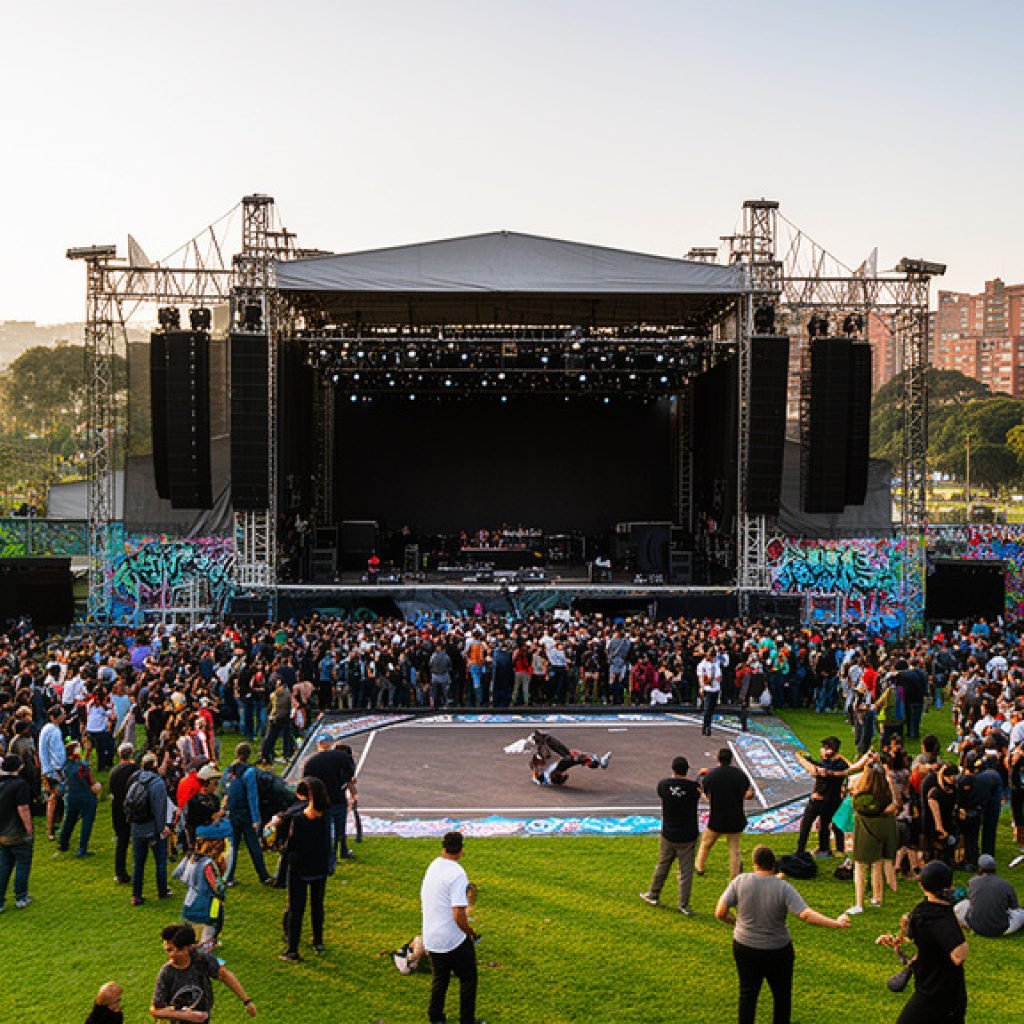
The announcement of the Cash Money & No Limit tour serves as more than just a nostalgic reunion. It is a strategic alignment of two entities that, while rivals during the height of the “Dirty South” rap explosion, both fundamentally changed how music was marketed and sold. Kicking off in Houston on September 11, the tour represents the convergence of Birdman’s Cash Money Records and Master P’s No Limit Records—two southern powerhouses. For the industry, this tour is a case study in “legacy branding.” By touring these catalogs, both camps are leveraging the immense nostalgia of Gen X and Millennial fans while simultaneously introducing their business methodology to a Gen Z audience that is increasingly interested in independent ownership and the stories behind the empires.
Diversification as Risk Management
Perhaps the most critical lesson Master P offers the next generation is the necessity of diversification. Throughout his career, Miller has moved into consumer goods, including his well-known venture into food products like Rap Snacks and Uncle P’s foods. In an era where digital platforms can change algorithms overnight and drastically alter an artist’s reach, Master P’s strategy highlights the importance of having “real world” assets. He teaches that an artist’s platform can be the launching pad for any product, but the brand must be resilient enough to survive when the music trend fades. This holistic approach to the “hustle” is why he remains a fixture in economic conversations, moving seamlessly from rap legend to venture capitalist.
The Future of Cultural Capital
As the tour approaches its September 11 start date in Houston, the broader conversation is shifting toward what this means for the music business at large. We are entering a phase where the “artist-as-brand” is being replaced by the “artist-as-ecosystem.” Master P is providing the blueprint not just for success, but for sustainability. By bringing No Limit and Cash Money together, he is signaling that the era of isolationist artist management is over; the future lies in collective influence, strategic partnerships, and, above all, the relentless pursuit of ownership. For the next generation, the “No Limit” blueprint isn’t just about music—it’s about building a foundation that survives the changing tides of popular culture.
FAQ: People Also Ask
Q: When and where does the Cash Money & No Limit Tour start?
A: The tour is set to kick off in Houston, Texas, on September 11.
Q: What is the main “No Limit” business lesson for new artists?
A: The primary lesson is the importance of ownership. Master P’s 80/20 distribution deal is the classic case study in retaining rights to your masters and building an independent infrastructure rather than relying solely on major label contracts.
Q: Why are Cash Money and No Limit touring together?
A: The tour is a strategic unification of two southern hip-hop dynasties that dominated the 1990s. It leverages the immense catalog value of both labels while serving as a cultural celebration of southern rap history.
Q: How has Master P diversified his career outside of music?
A: Master P has significantly diversified into consumer goods and retail, including footwear, telecommunications, and a line of food products (such as Uncle P’s foods and Rap Snacks), proving that artistic success can be leveraged into long-term commercial enterprises.