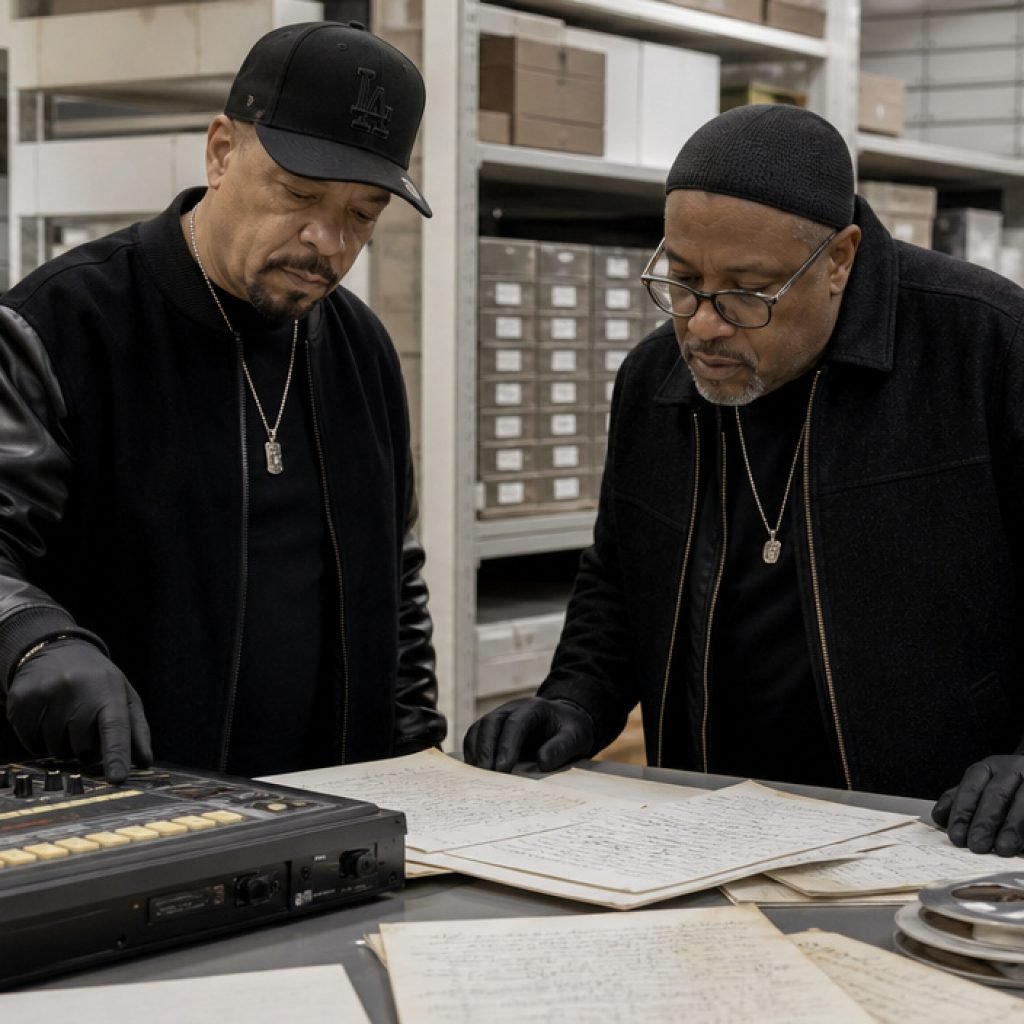
September 2026 has arrived, and with it comes a massive influx of hip-hop projects that threaten to dominate streaming charts and spark intense cultural discourse. As the industry navigates the final quarter of the year, the release calendar is characterized by a mix of high-profile collaborative reunions and the relentless output of regional heavyweights. Industry analysts have pointed to this month as a critical juncture for hip-hop, where legacy artists must balance nostalgia with evolution, and emerging voices must cement their place in a crowded digital landscape.
The Architects of the September 2026 Soundscape
The Power of Collaborative Alchemy: Montana and Max B
Perhaps no project has generated more anticipation this month than the collaborative effort between French Montana and Max B. For long-time enthusiasts of the New York scene, this project is not merely an album; it is a long-awaited chapter in a storied history of East Coast hip-hop. The chemistry between Montana’s commercially polished production and Max B’s legendary, melodic “Wavvy” flow has been a central conversation piece in the industry for years. This collaboration represents a critical reconciliation of sound and legacy, bridging the gap between the mid-2000s mixtape era and the streaming-dominated reality of 2026. Critics expect the project to lean heavily into the signature atmospheric, soulful samples that have defined their shared history, providing a necessary counterweight to the often-fragmented nature of modern hip-hop releases.
Regional Authenticity: The Rise of EST Gee and Rio Da Yung OG
While collaborative projects grab the headlines, the bedrock of September’s success lies in regional authenticity. EST Gee, who has consistently demonstrated a gritty, unfiltered approach to storytelling, is set to drop a project that many expect will redefine the boundaries of his influence. His ability to articulate the complexities of street life with visceral precision has made him one of the most respected voices in the industry. Alongside him, the release from Rio Da Yung OG continues to project the influence of the Detroit scene onto the national stage. Rio Da Yung OG’s rapid-fire delivery and sardonic humor have become a template for a new generation of rappers. By maintaining this release cadence, both artists ensure that regional rap remains a vital, competitive force against the more commercial, trend-driven music that often fills the top 40.
Blu & Sndtrak: The Persistence of Underground Sophistication
In a landscape that often prioritizes viral moments, the return of Blu & Sndtrak serves as a reminder of the enduring power of “purist” hip-hop. Their collaborative work has long been heralded for its intricate lyrical patterns and high-fidelity production. September’s project arrives as a boon for listeners who prioritize album-length cohesion over playlist-friendly singles. This release is an exploration of the artistic endurance of the underground, proving that there is still a massive, engaged audience for projects that reward multiple listens and lyrical deep dives. Sndtrak’s production choices, which frequently bridge the gap between jazz-infusion and boom-bap, provide the perfect foundation for Blu’s introspective, often philosophical approach to verse structure.
Nemzzz and the New Generation: Global Ambitions
Rounding out this month’s heavy hitters is Nemzzz, whose rapid ascent has been one of the most compelling stories in the current hip-hop ecosystem. Nemzzz brings a distinctly modern energy to the month’s offerings, characterized by rhythmic fluidity and a keen understanding of digital-native marketing. His contribution to the September slate is expected to push the boundaries of current production trends, potentially influencing the sonic direction of the industry through the end of 2026. As the youngest member of this cohort, Nemzzz represents the transition into a post-genre world, where the lines between hip-hop, trap, and experimental electronic music are increasingly blurred.
The Evolution of the Streaming Rollout
The way these albums are being presented to the public is just as significant as the music itself. By late 2026, the traditional “album drop” has evolved into a multi-phase digital experience. For artists like EST Gee and Rio Da Yung OG, the strategy has moved away from massive, surprise-drop spectacles toward long-term engagement, utilizing short-form video content and direct-to-fan community interactions to build anticipation. This shift reflects a broader trend in the music business: the realization that the initial “first-week numbers” are less important than the long-tail engagement and playlist inclusion that sustains an album’s life for six months or more. As we move through the rest of the year, the performance of these specific albums will serve as a bellwether for the effectiveness of these new marketing paradigms.
FAQ: People Also Ask
Q: Why is the French Montana and Max B collaboration considered a significant cultural moment?
A: The collaboration represents a return to a specific era of New York hip-hop, blending the foundational sound of “Wavvy” music with contemporary production. It acts as a bridge between the mixtape culture of the 2000s and today’s streaming era, which resonates deeply with legacy fans and younger listeners alike.
Q: How does the Detroit rap scene influence the current market?
A: The Detroit scene, anchored by artists like Rio Da Yung OG, has become a massive trendsetter in hip-hop. Its influence is characterized by specific cadences, punchline-heavy lyricism, and a refusal to compromise on regional sounds, which has provided a much-needed raw energy to the national hip-hop discourse.
Q: Are these September 2026 albums better suited for playlisting or full-album listening?
A: It depends on the artist. Projects from Blu & Sndtrak are inherently designed for full-album listening, emphasizing narrative cohesion. Conversely, projects from artists like Nemzzz and EST Gee are highly “playlist-compatible,” containing high-energy tracks designed to perform well on major streaming editorial lists.
Q: What does the release schedule tell us about the state of hip-hop in 2026?
A: It shows a bifurcated industry: one side remains focused on high-profile, legacy-driven collaborations, while the other is aggressively pushing forward with regional, artist-driven projects that defy traditional commercial norms.