Key Takeaways
Birthday Release: The album Monica* dropped today, March 13, 2026, marking Jack Harlow’s 28th birthday.
- Genre Pivot: In a shocking creative shift, the album contains zero rapping, focusing entirely on neo-soul and melodic vocal performances.
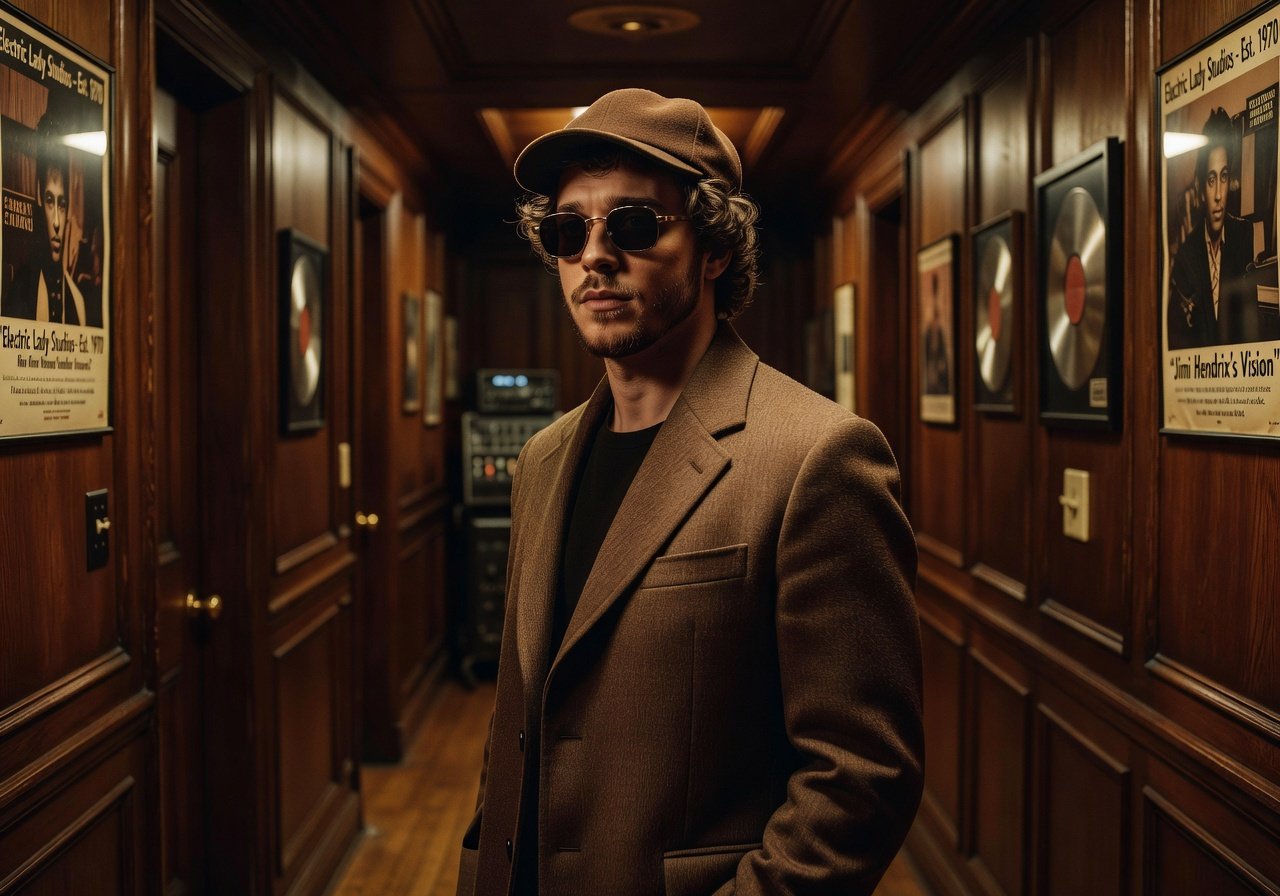
- Historic Venue: The project was recorded at the legendary Electric Lady Studios in New York City over the course of a year.
- Artistic Integrity: Harlow notably scrapped several platinum-potential singles, including his Doja Cat collaboration, to maintain the album’s cohesive sonic theme.
Summary Lead
Today, March 13, 2026, marks a pivotal moment in the career of Jack Harlow with the official release of his fourth studio album, Monica. Issued via Atlantic Records and Generation Now, the project arrives on the artist’s 28th birthday and serves as a radical departure from the rhythmic flows and high-energy production that catapulted him to stardom. Recorded in the storied atmosphere of New York’s Electric Lady Studios, the Jack Harlow Monica album is a nine-track exploration of neo-soul, trading the “First Class” lifestyle for a stripped-back, introspective, and entirely vocal-centric experience. By abandoning his rap roots for this project, Harlow is taking the biggest gamble of his career, prioritizing artistic evolution over chart-topping familiarity.
The Deep Dive
For years, Jack Harlow has been the golden boy of modern hip-hop, blending charisma with a smooth, effortless delivery. However, after the quiet maturation shown in his 2023 project Jackman, many wondered where the Kentucky native would go next. The answer, it seems, lay in a one-way ticket to New York City and a deep dive into the archives of 90s and early 2000s R&B. Monica is not just an album title; it is a declaration of intent, named after the R&B icon Monica, signaling a project built on soul, harmony, and raw emotional resonance.
The New York Influence and the Move to the Big Apple
The genesis of Monica began shortly after Harlow relocated to Manhattan in early 2025. Moving away from the familiar comforts of Louisville and the celebrity-heavy atmosphere of Los Angeles, Harlow sought a change in perspective. In a recent interview, he noted that the change in scenery “shook something loose,” allowing him to see his artistry through a different lens. This environmental shift is palpable throughout the album, which feels less like a collection of radio hits and more like a nocturnal stroll through the West Village.
The Ghost of Electric Lady Studios
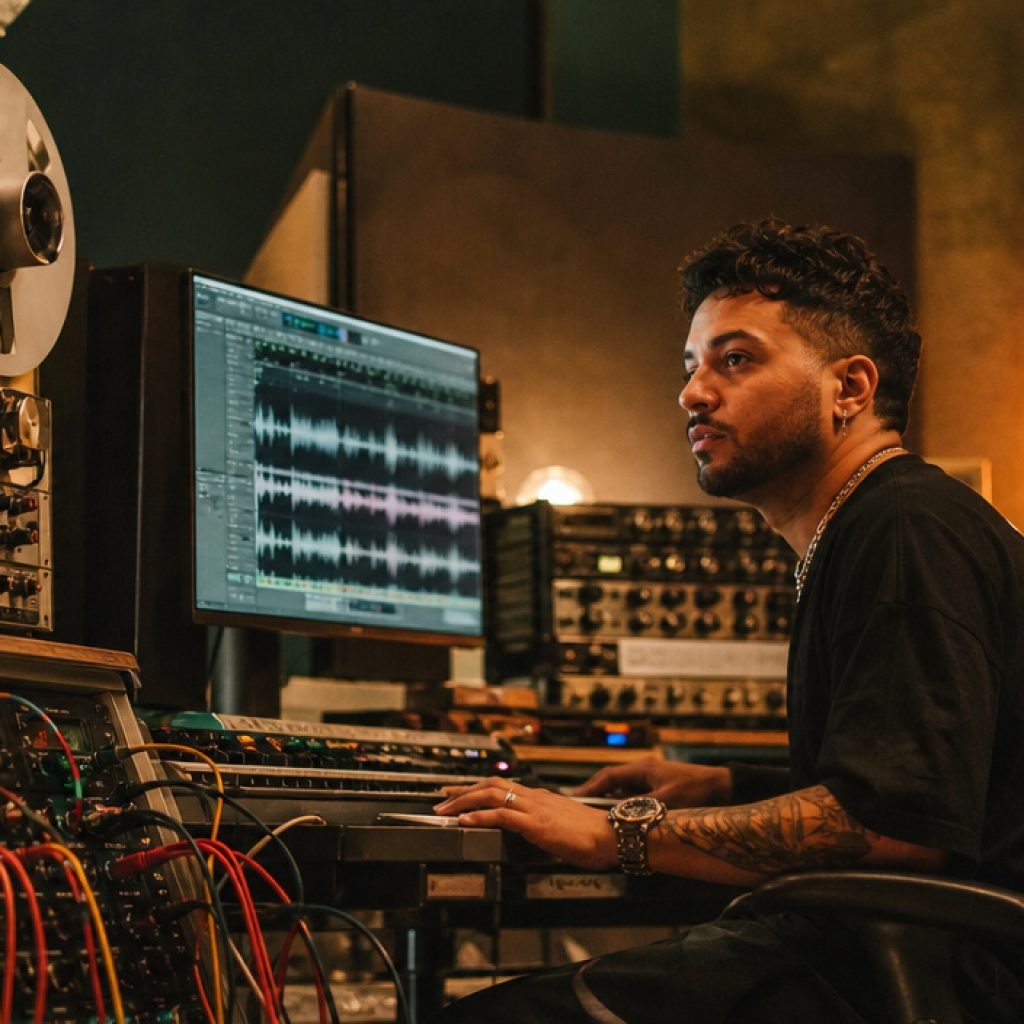
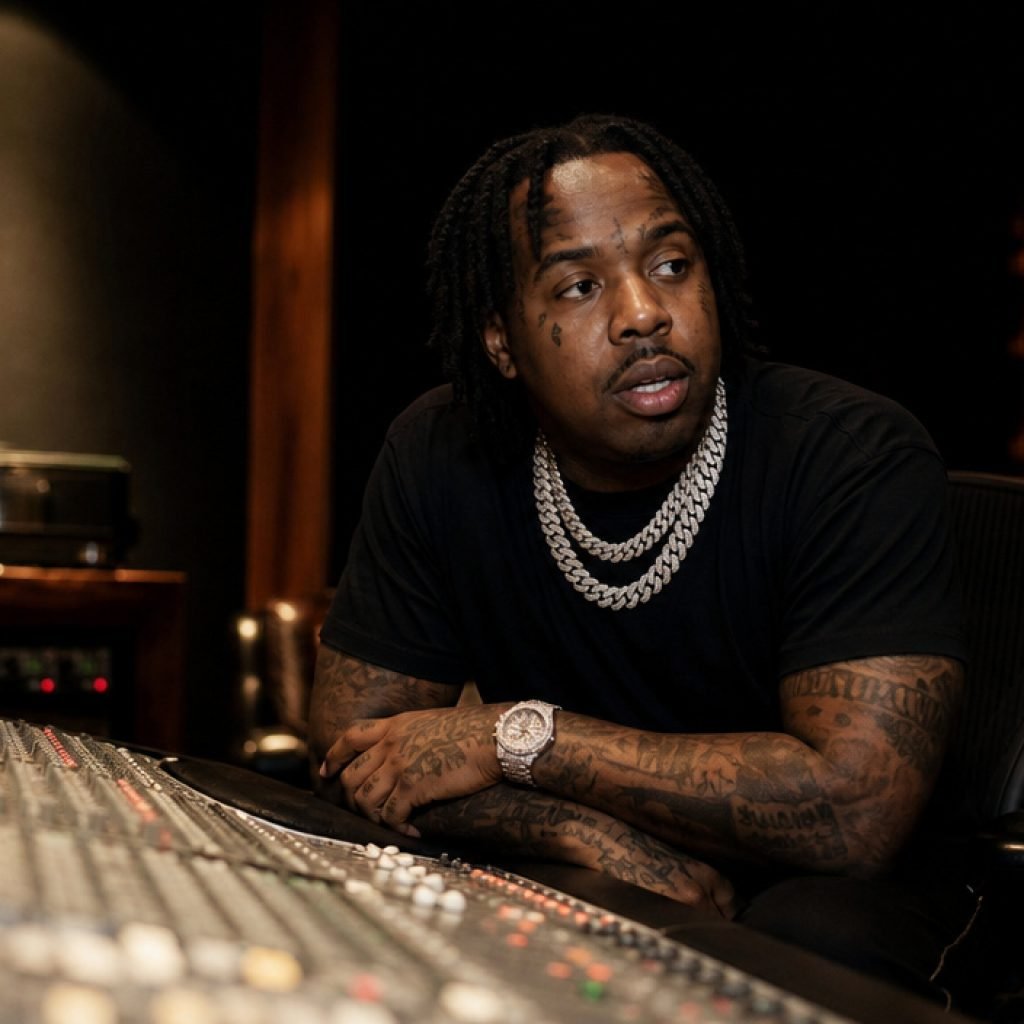
Recording at Electric Lady Studios—the facility built by Jimi Hendrix and frequented by legends like Stevie Wonder, David Bowie, and more recently, Taylor Swift—left an indelible mark on the project’s DNA. Working in a space that prioritizes analog warmth and live instrumentation, Harlow and his production team opted for vintage textures. The nine tracks are anchored by rich basslines, soulful keyboard flourishes, and a sense of space that is rarely found in contemporary rap. The choice to record at Electric Lady seems to have provided the gravity needed for Harlow to fully commit to a no-rap format.
Scrapping the Singles: The Artistic Gamble
Perhaps the most discussed aspect of the Jack Harlow Monica album release is what isn’t on it. Throughout 2025, Harlow teased and released several singles that seemed destined for the top of the Billboard 200. High-profile tracks like “Just Us” featuring Doja Cat and the viral sensation “Hello Miss Johnson” were met with massive streaming numbers. However, when the final tracklist for Monica was unveiled, these songs were nowhere to be found. Insiders suggest that Harlow felt these high-octane rap tracks compromised the “neo-soul sanctity” of the new record. By leaving millions of guaranteed streams on the cutting room floor, Harlow has signaled that he is no longer chasing the algorithm, but rather his own legacy.
A Track-by-Track Sonic Landscape
At only 28 minutes and one second, Monica is a concise, potent experience. The opening track, “Trade Places,” sets the tone with a slow-burn groove that introduces Harlow’s new vocal style—a breathy, confident tenor that manages to feel intimate without being over-processed. Tracks like “Prague” and “My Winter” showcase a vulnerability previously unseen in his work, dealing with the isolation that comes with fame and the search for genuine connection in a digital age.
“Lonesome” and “Living Alone” act as the emotional core of the record, utilizing jazz-influenced arrangements to highlight Harlow’s growth as a songwriter. The album concludes with “Say Hello,” a track that features a spoken-word outro reflecting on the simplicity of long-term relationships compared to the fleeting nature of the spotlight. It is a quiet, confident ending to a project that refuses to scream for attention.
The Future of the Gazebo Festival and Beyond
As Harlow prepares to celebrate his birthday and the launch of this new era, questions remain about how this will affect his live performances, particularly his annual Gazebo Festival in Louisville. Fans accustomed to the high-energy mosh pits of “Whats Poppin” may find themselves adjusting to a much more subdued, lounge-style atmosphere. Yet, early critical reception suggests that Harlow’s pivot is being viewed as a masterstroke of rebranding, positioning him as a versatile artist capable of transcending the genre boundaries that often pigeonhole rappers.
FAQ: People Also Ask
Q: When was Jack Harlow’s new album ‘Monica’ released?
A: The album was officially released on March 13, 2026, which is also Jack Harlow’s 28th birthday.
Q: Does Jack Harlow rap on the album ‘Monica’?
A: No. In a major artistic shift, the album features zero rapping. Instead, it is a vocal-heavy neo-soul project focused on singing and melodic arrangements.
Q: Where was ‘Monica’ recorded?
A: The entire album was written and recorded at the historic Electric Lady Studios in New York City, following Harlow’s move to the city in 2025.