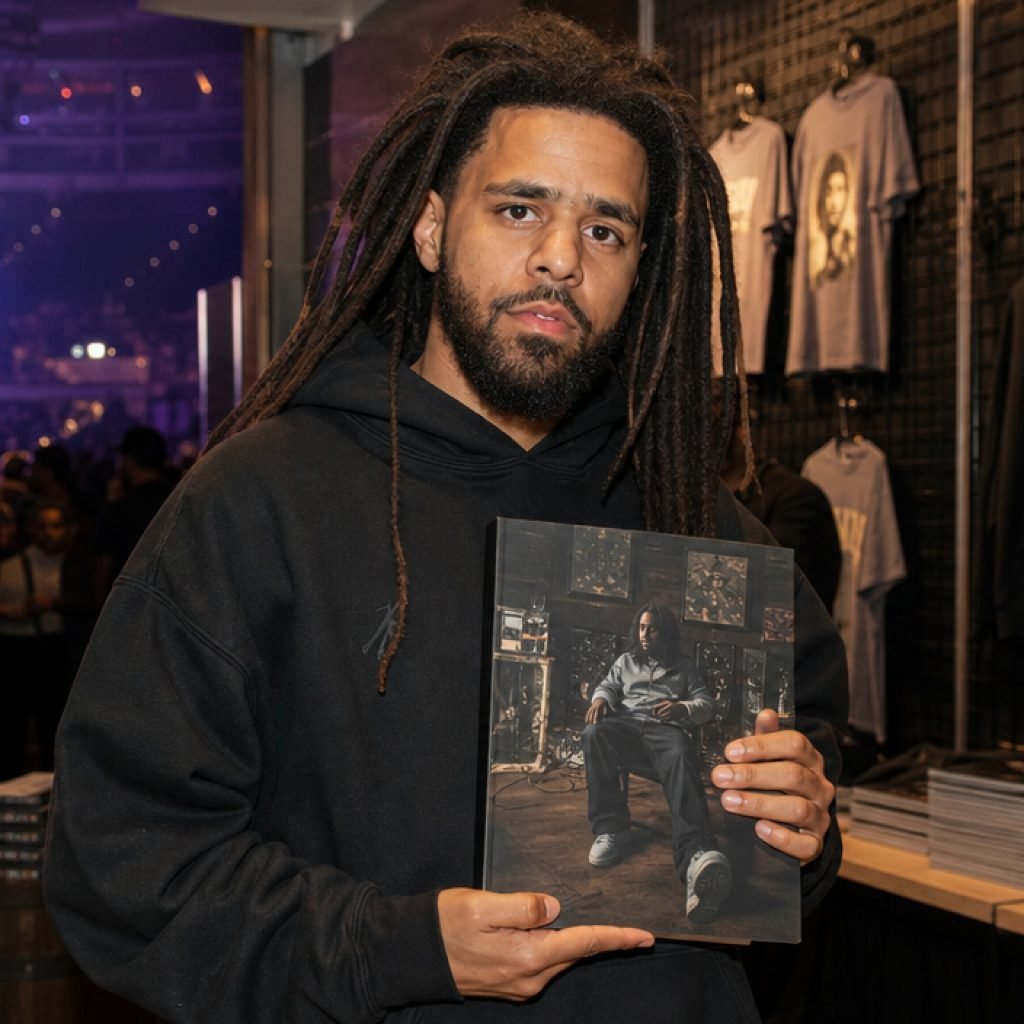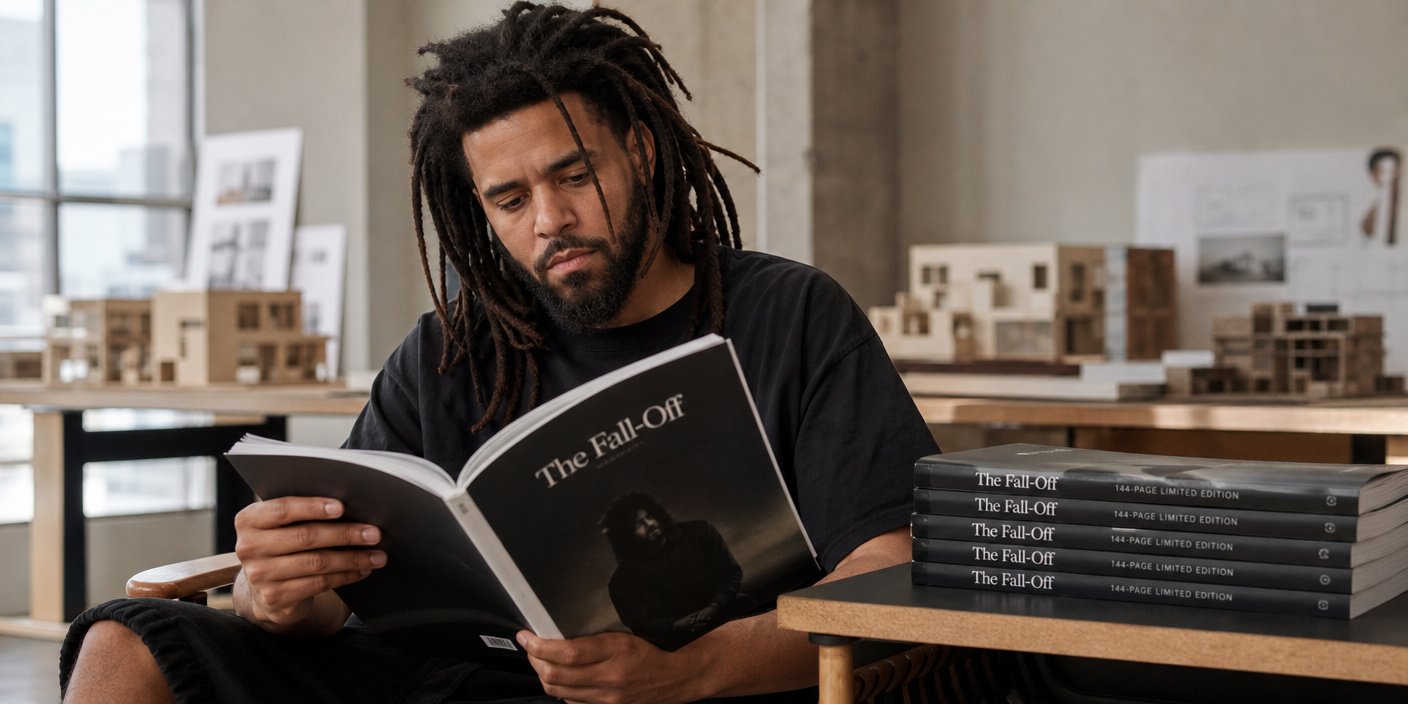
J. Cole has officially pivoted to print, unveiling a massive, 144-page limited-edition tome titled ‘The Fall-Off Magazine.’ Designed to celebrate the past, present, and future of hip-hop, the publication serves as a sprawling archival project, bridging the gap between music production and cultural commentary. By stepping outside the digital stream of endless content, Cole has produced a tactile manifesto that prioritizes deep-dive journalism over social media soundbites.
Key Highlights
- 144-Page Limited Edition: A premium, physical publication dedicated to the preservation of hip-hop history and future trajectories.
- Exclusive Interviews: Features deep-dive conversations with legendary icon Lauryn Hill and modern breakout star GloRilla.
- Collaborative Effort: The magazine showcases the work of over 60 creatives, ranging from writers to visual artists, curated under Cole’s direction.
- Cultural Philosophy: The project serves as a thematic precursor and companion to the highly anticipated ‘The Fall-Off’ album era.
The Editorialization of Hip-Hop Culture
In an era dominated by algorithmic music distribution, the launch of ‘The Fall-Off Magazine’ represents a significant departure from standard artist marketing. J. Cole—always a figure known for his methodical approach to the industry—has chosen to combat the ephemeral nature of online consumption with a physical artifact. This 144-page magazine is not merely promotional material; it is a serious attempt at music journalism, acting as a curator for the culture that birthed his career. By assembling this magazine, Cole is positioning himself not just as a recording artist, but as a preservationist of the hip-hop medium.
Why Print Matters in a Digital World
The decision to release a physical magazine in 2024 is a deliberate artistic statement. In the digital age, artists are incentivized to release high-frequency, low-context content—snippets, social media updates, and endless streaming drops. ‘The Fall-Off Magazine’ flips this script by demanding the reader’s full attention. This secondary angle is crucial: the renaissance of physical media within the music industry. Much like the resurgence of vinyl, physical editorial pieces allow artists to control the narrative of their work without the noise of the internet. It provides a permanent record in a world where information is constantly overwritten.
Curating the Conversation: From Lauryn Hill to GloRilla
The magazine’s editorial choices highlight a distinct interest in bridging generational divides. By interviewing Lauryn Hill, an artist whose work set the gold standard for lyrical precision and soulful fusion, Cole acknowledges the lineage of his own craft. Simultaneously, the inclusion of GloRilla, a force in the modern Memphis rap scene, signals an openness to the current evolution of the genre. This duality serves as the magazine’s backbone: hip-hop is not a monolith, but a conversation spanning decades of artistic development. It suggests that ‘The Fall-Off’—the title of his forthcoming project—is not necessarily about an end, but about the transition of the torch.
The Collective Vision: 60+ Creatives
One of the most ambitious aspects of this project is the scale of its collaboration. With over 60 creatives contributing to the 144-page release, the magazine functions as a collective ‘Dreamville’ enterprise. This allows for a diversity of perspectives that a solo artist interview simply could not achieve. By weaving together photographers, writers, and graphic designers, the magazine creates a mosaic of the culture rather than a singular viewpoint. This collaborative approach mirrors the way albums are made, but applies the methodology to print media.
The ‘Fall-Off’ Philosophy and Economic Impact
From a strategic perspective, ‘The Fall-Off Magazine’ serves as a massive, high-concept marketing vehicle for the album of the same name. In the music industry, where attention is the most valuable currency, J. Cole has managed to turn an album campaign into an intellectual property ecosystem. This secondary angle explores the economic impact of ‘fan-experience’ projects. By creating a physical product, Cole increases the lifetime value of his brand beyond streaming revenue. It forces fans to engage with the artist’s philosophy before they even hear a single note of the new music, effectively priming the audience for the eventual release.
Archiving the ‘Present’ for the ‘Future’
Perhaps the most compelling angle is the magazine’s role as an archive. Hip-hop history has often been left to third-party publications and external critics to document. By taking ownership of this documentation, Cole is ensuring that the story of this specific era—the late 2010s to the mid-2020s—is recorded accurately. He is creating his own history, preventing the distortion that often comes from external media analysis. It is a powerful move that shifts the power dynamic between artist and press.
FAQ: People Also Ask
Is ‘The Fall-Off Magazine’ available for purchase digitally?
Currently, the project is positioned as a limited-edition physical artifact, emphasizing the tactile experience of reading print media. There has been no official announcement regarding a digital-only version.
Does the magazine reveal the release date for J. Cole’s ‘The Fall-Off’ album?
The magazine acts as an thematic companion to the album era, focusing on cultural context rather than providing specific release date updates. It serves to build the aesthetic and narrative world of the project.
How can fans get their hands on a copy?
The magazine is a limited-edition run. Due to the high demand and the specific nature of this collector’s item, it is available through designated retailers and official channels associated with the Dreamville brand.