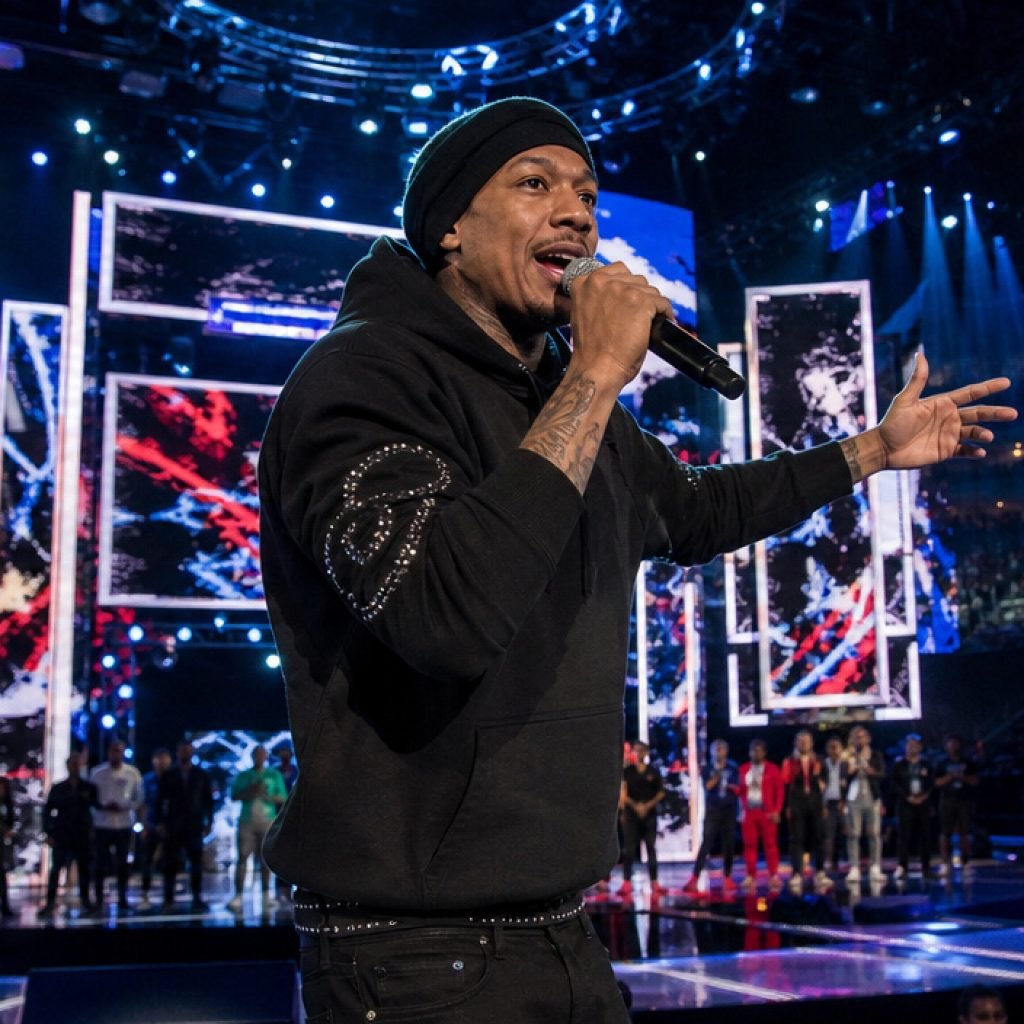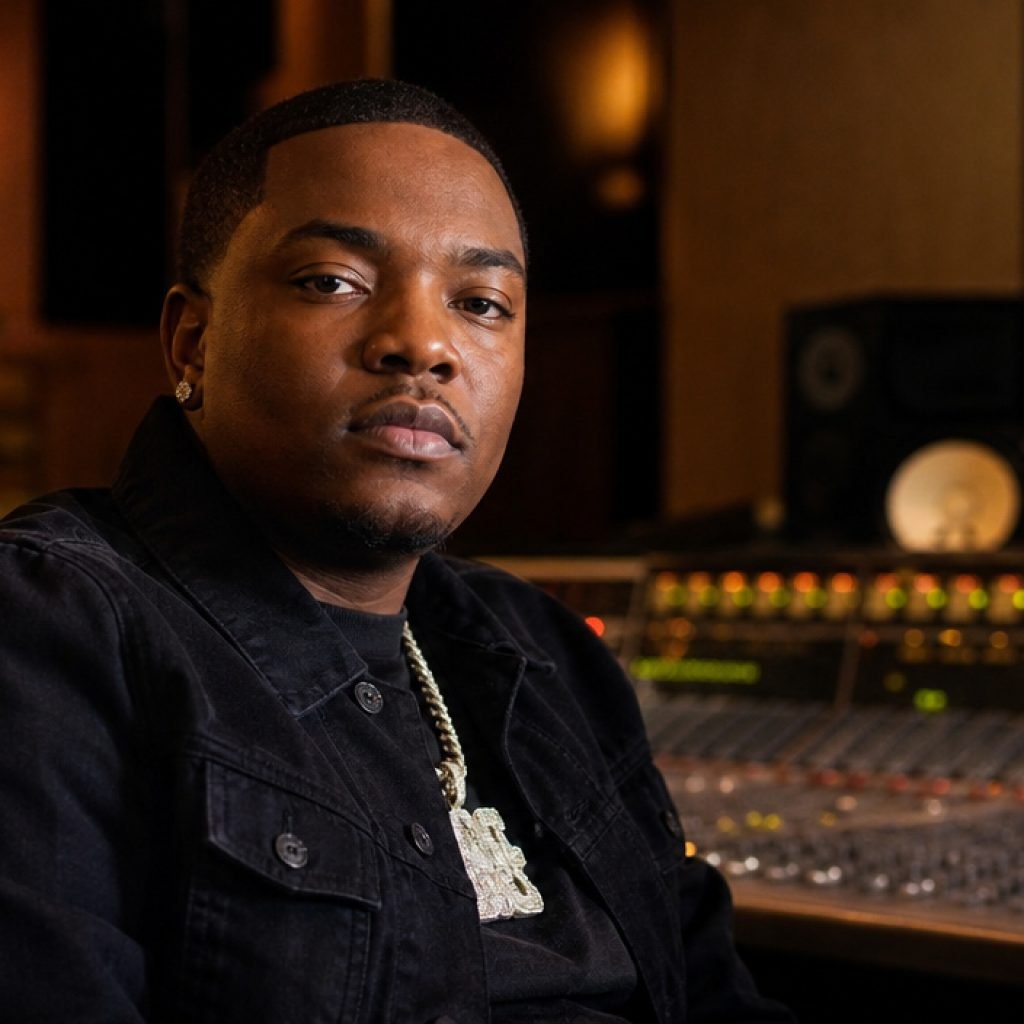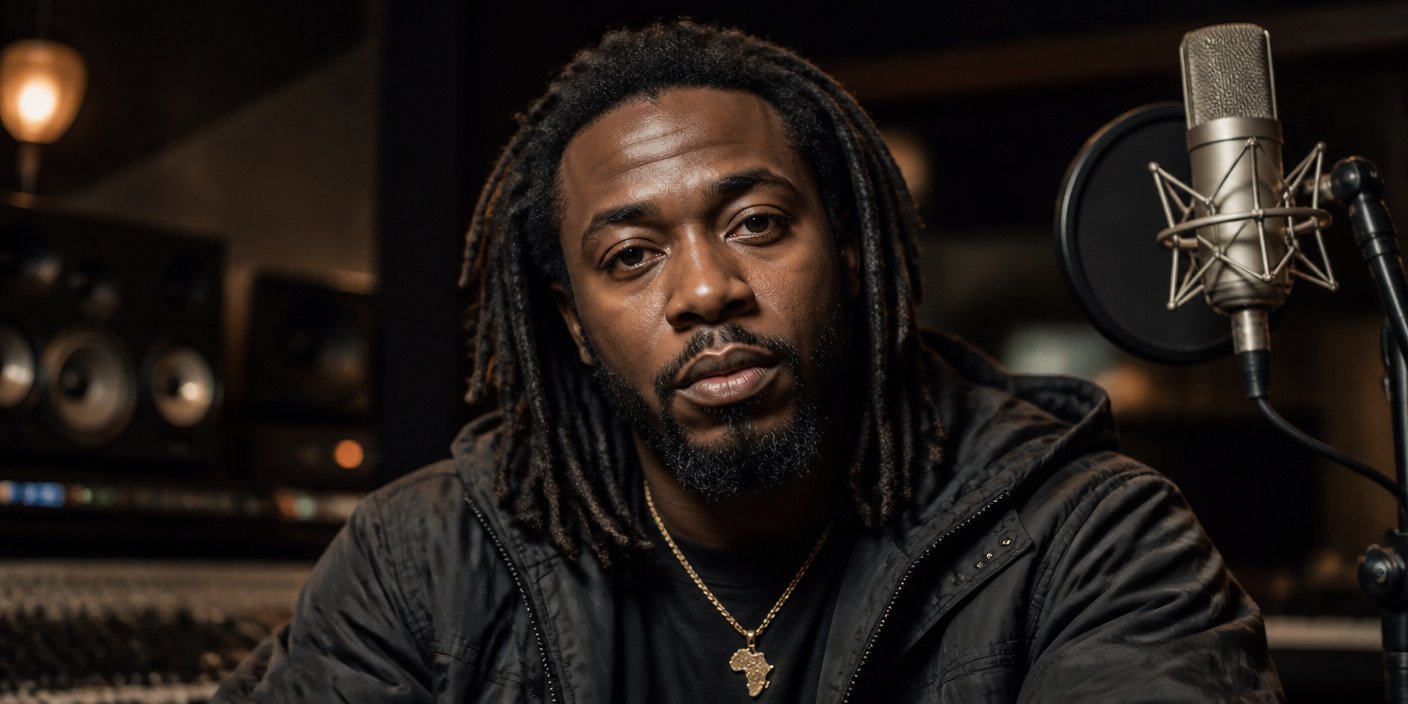
The music world is mourning the loss of Sway DaSafo, the influential British-Ghanaian rapper who has reportedly passed away at the age of 44. A defining figure in the evolution of the UK hip-hop and grime scenes, Sway—born Derek Andrew Safo—leaves behind a legacy defined by independent success, international collaboration, and a relentless commitment to lyricism. Tributes have begun to flood social media from peers, industry executives, and fans who remember him not just for his chart-topping hits, but for his role in bridging the gap between London’s underground sound and the global stage.
Key Highlights
- Trailblazing Career: Sway DaSafo was a cornerstone of the 2000s UK hip-hop revolution, known for his intricate rhyme schemes and technical prowess.
- Industry Recognition: A decorated artist, Sway famously won a MOBO Award for Best Hip-Hop Act in 2005 and secured a BET Award for Best UK Act in 2008, cementing his place in music history.
- Independent Pioneer: He was the founder of Dcypha Productions, an independent label that championed artistic autonomy and allowed him to maintain control over his creative output during a crucial period of industry transition.
- Global Collaborator: He played a pivotal role in exporting the UK sound, working with international stars like Akon and Kanye West, and helping to shift the perception of British rappers in the United States.
The Architect of the UK Sound: A Musical Legacy
To understand the magnitude of the loss, one must examine the state of the British music industry when Sway DaSafo first emerged. In the early 2000s, the UK scene was often overlooked by major labels and international audiences. Sway was among a select group of artists who refused to wait for validation from the establishment. Through his debut album, This Is My Demo (2006), he demonstrated that UK rappers could be as technically sophisticated as their American counterparts while remaining distinctly British in their delivery and storytelling.
The Rise of Dcypha Productions
One of the most defining aspects of Sway’s career was his entrepreneurial spirit. At a time when digital streaming was in its infancy and major label gatekeepers dominated the airwaves, Sway took the road less traveled. He founded Dcypha Productions, an independent imprint that not only served as a home for his own music but also provided a platform for emerging talent. This decision was revolutionary. It signaled a shift in the power dynamic of the industry, proving that an artist could be commercially successful, garner award recognition, and retain ownership of their master recordings. His business acumen set a blueprint for the modern independent artists who populate the current UK rap landscape.
Bridging the Atlantic
Sway DaSafo’s impact was not confined to British borders. His relationship with Akon—where he was the first UK artist signed to the Konvict Muzik label—represented a significant moment for the globalization of British rap. By appearing on international stages and collaborating with figures like Lupe Fiasco and Kanye West, he forced global audiences to sit up and take notice of the London sound. He was an ambassador for a generation, ensuring that the “UK” tag was no longer a disadvantage, but a badge of authenticity that commanded respect.
Technical Proficiency and Lyrical Depth
Critics and fans alike often lauded Sway for his “wordplay.” In a scene that was becoming increasingly defined by aggressive energy and rapid-fire delivery, Sway brought a level of wit, introspection, and narrative complexity that was rare. Tracks like “Flo Fashion” and “Up Your Speed” were not merely songs; they were displays of technical mastery. He approached hip-hop with the precision of a poet, utilizing internal rhyme schemes and multi-syllabic patterns that pushed the ceiling of what his peers thought possible. This dedication to the craft ensured his music aged gracefully, remaining a point of reference for younger generations of lyricists who study his discography to improve their own penmanship.
Why Sway’s Influence Matters Today
As we reflect on his passing, it is essential to contextualize Sway within the broader history of urban music. He did not just participate in the culture; he helped build its infrastructure. When we look at the current dominance of UK rap and grime globally—with artists like Stormzy, Skepta, and Dave leading the charge—we are looking at the harvest from seeds planted by pioneers like Sway.
His passing serves as a stark reminder of the transience of life, but also of the permanence of art. The “Sway” brand became synonymous with independence, integrity, and innovation. For the next generation, his work remains a primary text on how to navigate the complex waters of the music business without compromising one’s artistic identity. His awards are physical manifestations of his success, but his true legacy is the path he cleared for those who followed. The tributes pouring in from major labels and underground artists alike speak to a universal respect—a man who stayed true to himself from his early days in North London to the global stage.
FAQ: People Also Ask
Q: What were Sway DaSafo’s most significant career achievements?
A: His career was defined by his 2005 MOBO Award for Best Hip-Hop Act and his 2008 BET Award for Best UK Act. His debut album, This Is My Demo, remains a seminal work in the UK rap canon.
Q: Why was Sway considered a pioneer in the industry?
A: Sway was one of the first UK rappers to successfully bridge the gap between the independent underground scene and international commercial success, largely through his own label, Dcypha Productions, and his strategic global collaborations.
Q: How did Sway influence the modern UK rap scene?
A: He helped change the perception of UK rap from a niche genre to a globally competitive force. His emphasis on lyrical technicality and his commitment to independent ownership paved the way for current independent artists to succeed without relying on traditional major label deals.