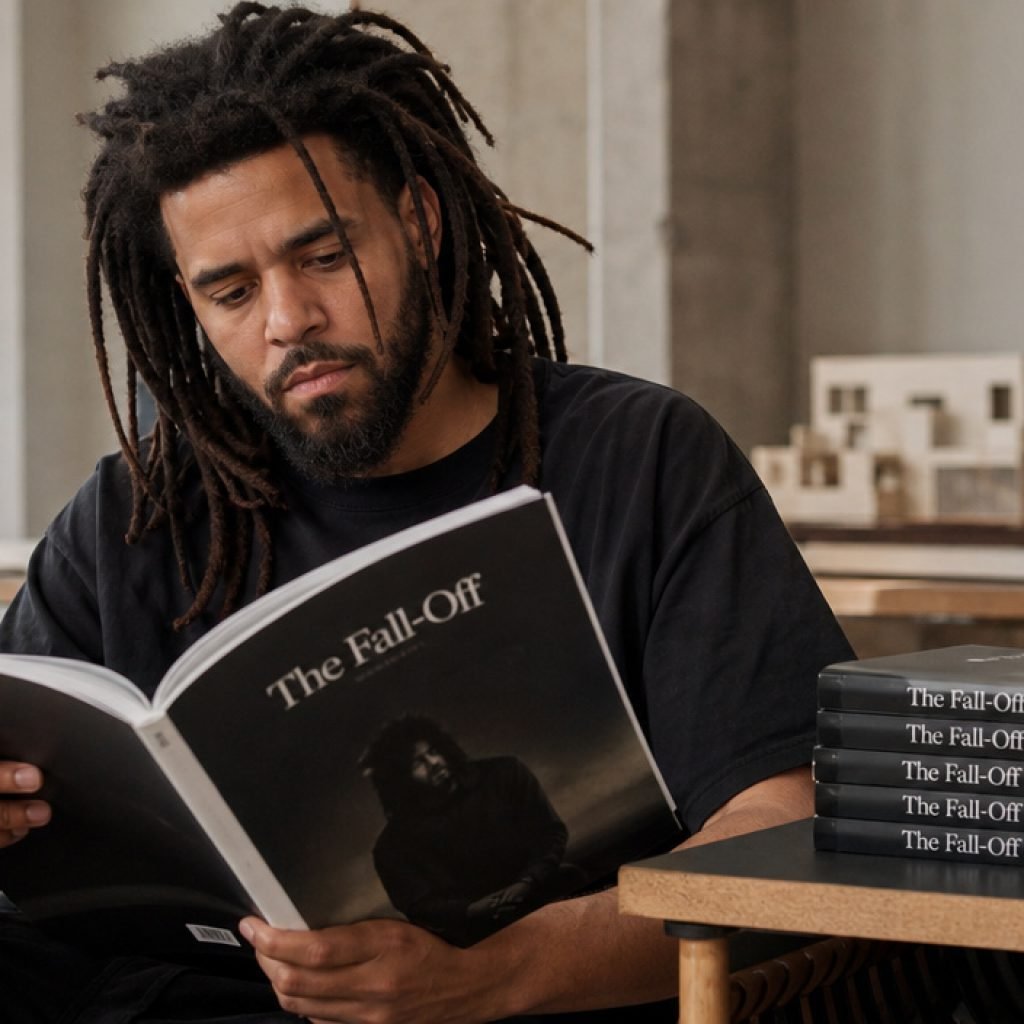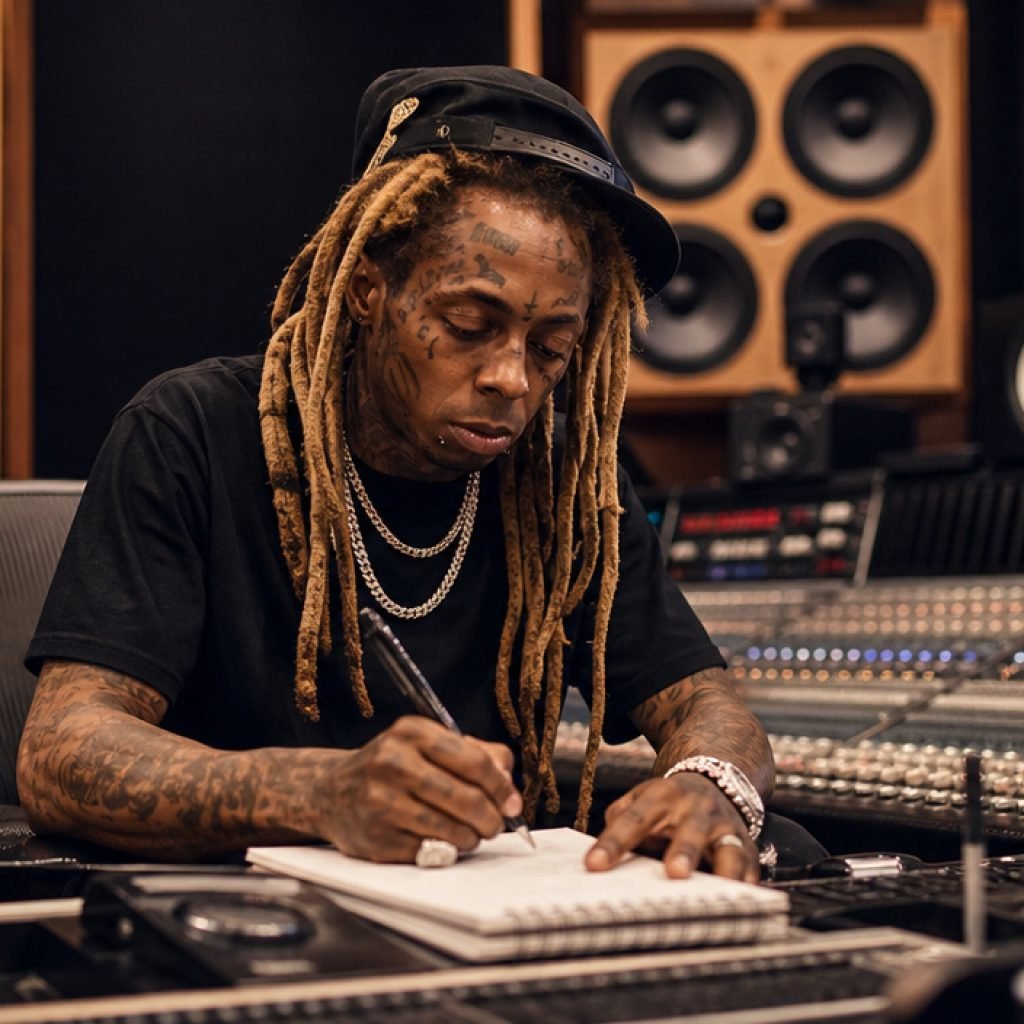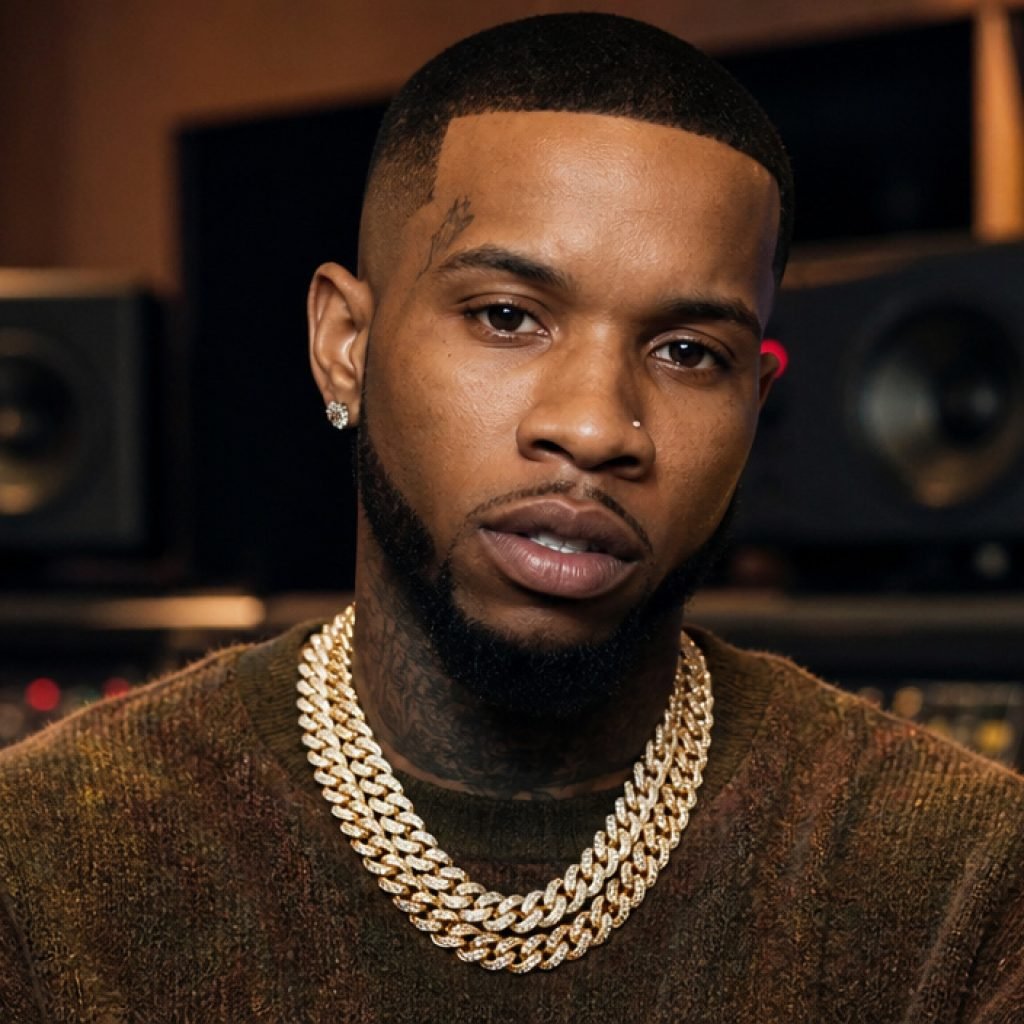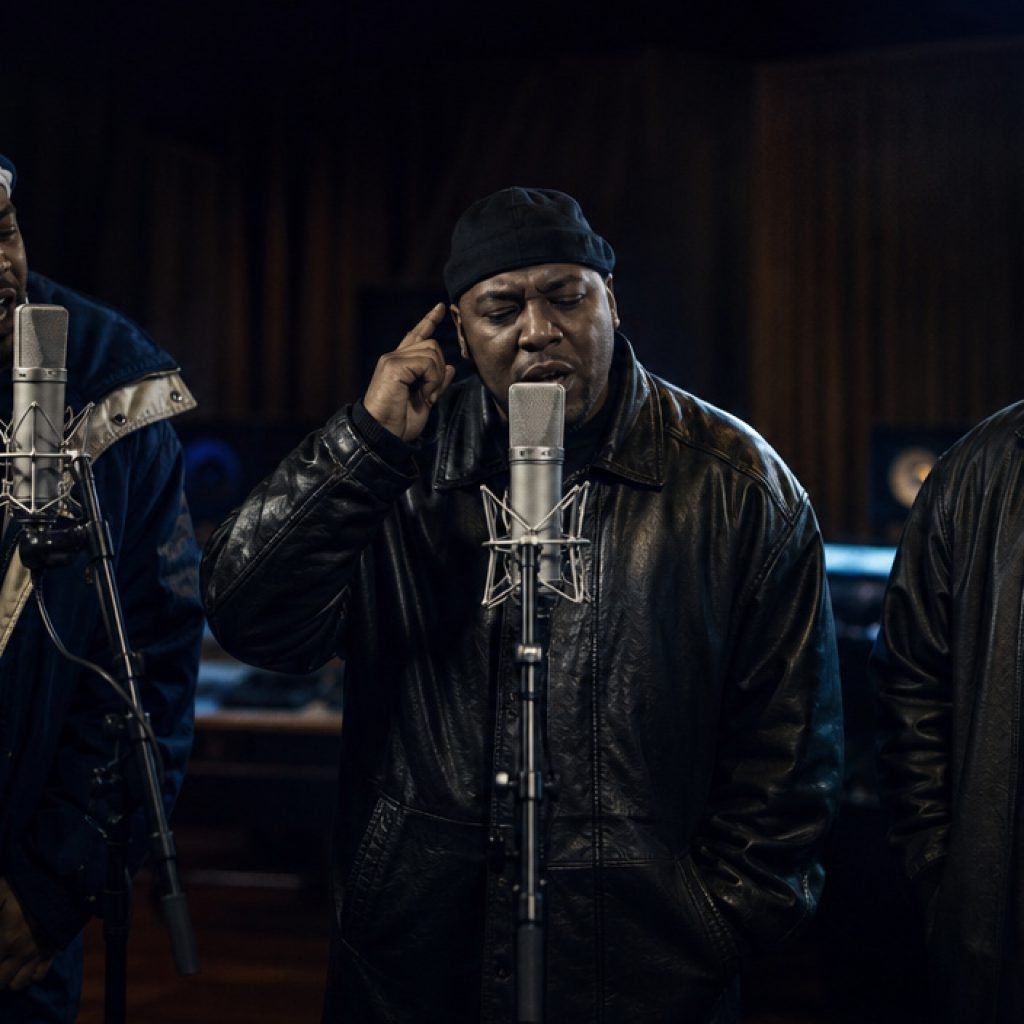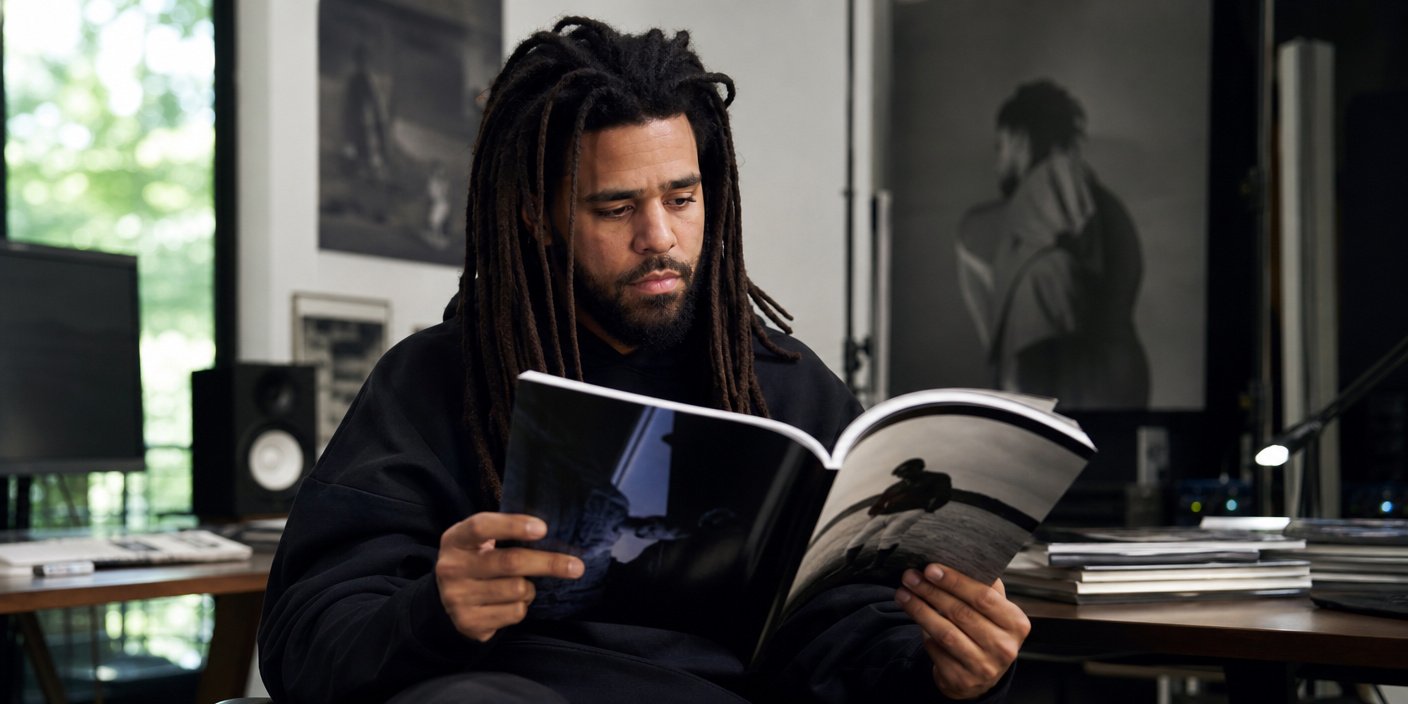
J. Cole has officially transcended the traditional digital streaming landscape, signaling a sophisticated evolution in album marketing with the launch of his limited-edition print publication, ‘The Fall-Off Magazine.’ As the North Carolina rapper prepares for the release of his seventh studio album, ‘The Fall-Off,’ this 144-page editorial project serves as a physical cornerstone for the album’s rollout. By shifting from ephemeral social media posts to a tactile, curated print experience, Cole is inviting his fanbase to engage with his music not just as a playlist addition, but as a cultural moment rooted in the history and trajectory of hip-hop.
Key Highlights
- Comprehensive Print Experience: The 144-page limited-edition magazine is a deep-dive companion piece to J. Cole’s upcoming seventh studio album.
- Editorial Expertise: The project is helmed by renowned editor Bonsu Thompson, ensuring high-caliber journalism and cultural critique.
- Star-Studded Contributors: The issue includes exclusive interviews and features with hip-hop icons and rising stars, including Lauryn Hill, GloRilla, J.I.D, and Larry June.
- Strategic Synergy: The magazine’s launch coincides with the rollout of a massive global arena tour, linking the physical publication to the live concert experience.
The Architecture of ‘The Fall-Off’: A Multimedia Cultural Artifact
In an era dominated by the algorithmic speed of TikTok and streaming services, J. Cole’s decision to commission a 144-page print magazine is a calculated artistic statement. The publication, curated under the direction of Bonsu Thompson, operates as more than just promotional material; it acts as a cultural ledger documenting hip-hop’s past, present, and future. By prioritizing a long-form, physical medium, Cole is reclaiming the “album cycle” narrative from the chaotic noise of social media trends.
The Curator’s Vision: Bonsu Thompson’s Editorial Hand
Selecting Bonsu Thompson as the editor was a strategic move that elevates the publication beyond standard artist merchandising. Thompson, known for his incisive cultural commentary, brings a journalistic gravity to ‘The Fall-Off Magazine.’ The collaboration ensures that the interviews—particularly those with heavyweights like Lauryn Hill and rising forces like GloRilla—are not merely promotional Q&As, but substantive conversations that explore the evolution of the genre. By juxtaposing established legends with the current vanguard of hip-hop, the magazine builds a bridge across generations, effectively positioning J. Cole’s new album as a culmination of the culture’s history rather than an isolated release.
Hip-Hop’s Past, Present, and Future
The magazine’s thematic scope—covering the past, present, and future of hip-hop—is designed to mirror the weight of the album title, ‘The Fall-Off.’ In the hip-hop community, ‘the fall-off’ is often a point of anxiety for artists, a fear of waning relevance. By proactively embracing the title and expanding the conversation into a print medium, J. Cole is engaging in a meta-commentary on his own career longevity and the cyclical nature of stardom. The inclusion of artists like J.I.D and Larry June alongside a legend like Lauryn Hill demonstrates a diverse stylistic appreciation, showcasing the artist’s commitment to the craft’s versatility.
Economic and Cultural Implications of the Physical Pivot
This move also represents a significant shift in the economic model of modern music releases. In the streaming age, where the per-stream royalty rate is often criticized, creating a high-value, limited-edition physical asset like ‘The Fall-Off Magazine’ creates a secondary revenue stream that rewards deep-engagement fans. It provides a collectible object that bridges the gap between the music and the listener’s identity. Furthermore, by linking this release to his global arena tour, J. Cole is essentially selling an integrated ecosystem: the music, the story (via the magazine), and the performance. This ensures that the “event” of the album release lasts far longer than the traditional Friday-to-Sunday listening cycle.
Secondary Angles
1. The Revival of Print: We are seeing a distinct trend where major artists prioritize physical artifacts—magazines, vinyl, and coffee table books—to re-establish the “prestige” of the music release, countering the disposable nature of digital music.
2. The Evolution of the “Rollout”: The shift from teaser videos on Instagram to a full-scale editorial publication suggests that top-tier artists are looking for more meaningful ways to own their narrative, reducing reliance on third-party digital platforms.
3. Collaborative Curation: The magazine format allows J. Cole to act as a curator, effectively “endorsing” the artists he features (like GloRilla and J.I.D) in a way that feels more authentic and permanent than a simple feature credit on a tracklist.
FAQ: People Also Ask
Q: How can fans acquire ‘The Fall-Off Magazine’?
A: The publication is being released as a limited-edition run. Fans should check official channels via Dreamville or J. Cole’s official website for direct purchasing options, as these limited editions are expected to sell out rapidly.
Q: Who is the editor of the magazine?
A: The publication is edited by Bonsu Thompson, a respected voice in hip-hop journalism known for his deep industry insights and cultural reporting.
Q: Does the magazine include new music?
A: While the magazine serves as a companion to the album ‘The Fall-Off,’ it is primarily a print publication focused on editorial content, photography, and interviews. It is not an audio format, though it provides deep context for the album’s themes.
Q: Why did J. Cole choose to release a magazine?
A: It aligns with his overarching artistic philosophy of slowing down the consumption of music and providing listeners with a deeper, more intellectual engagement with the “past, present, and future” of the culture surrounding his seventh studio project.