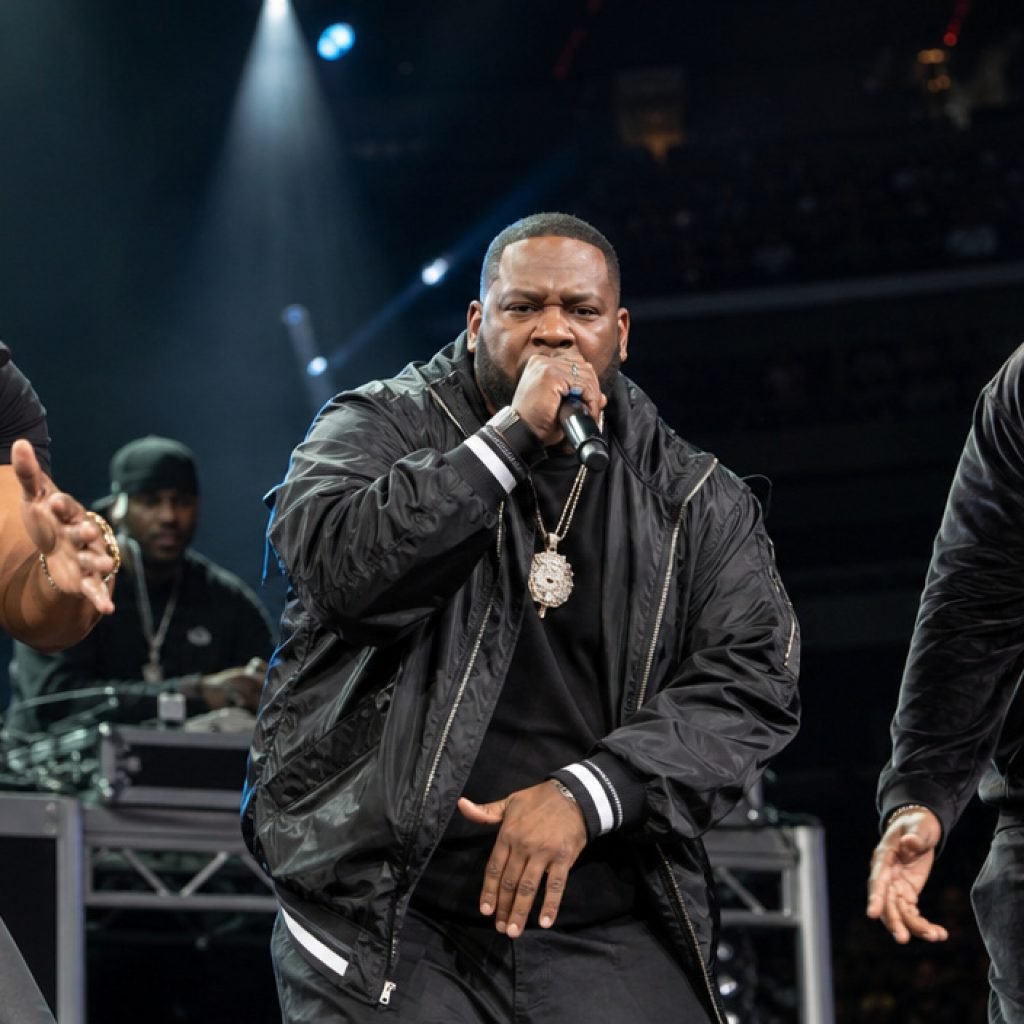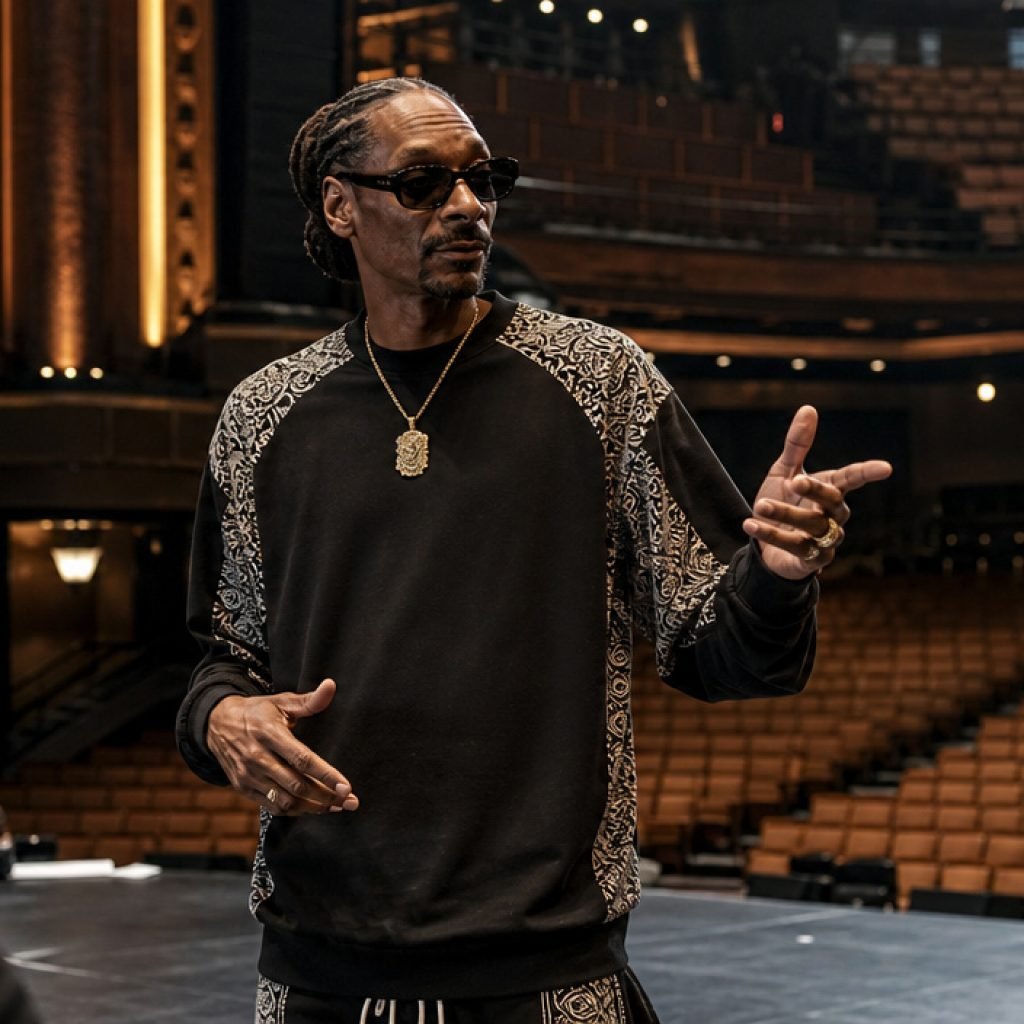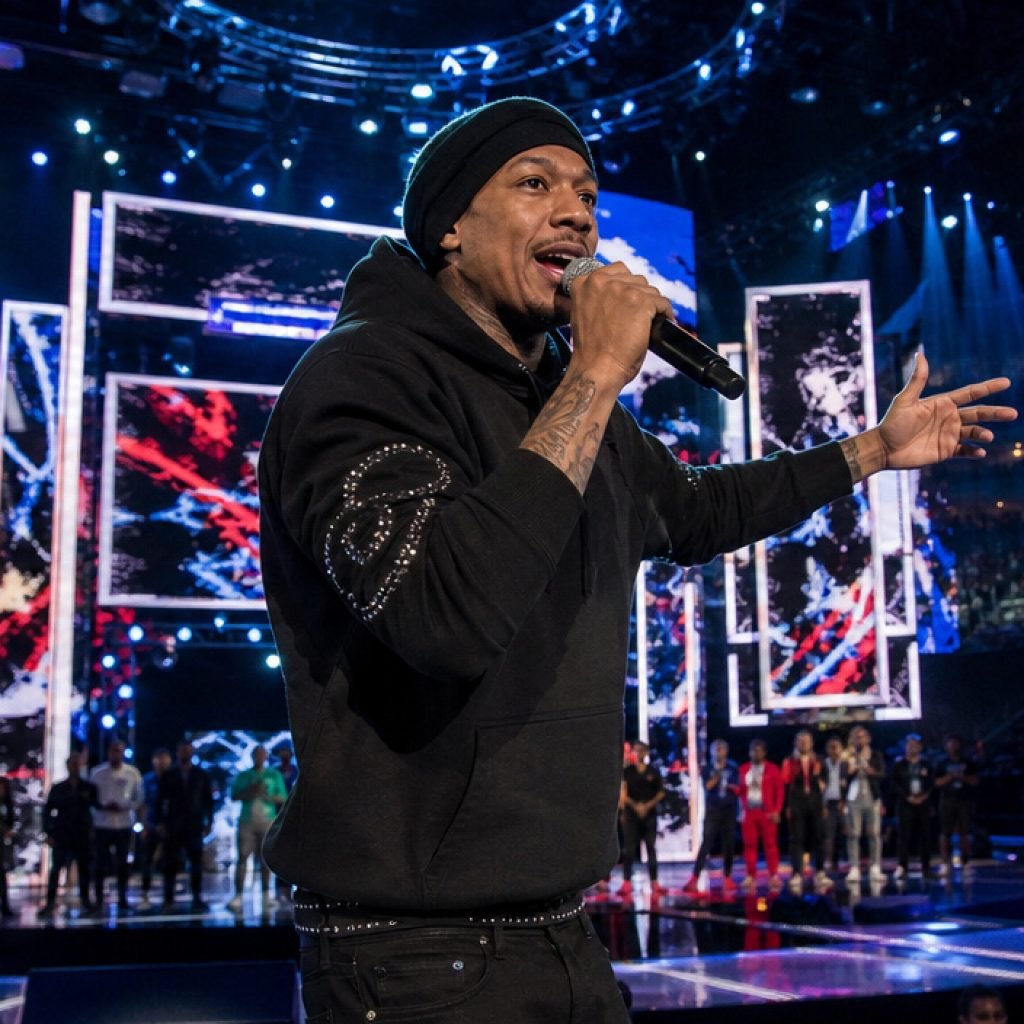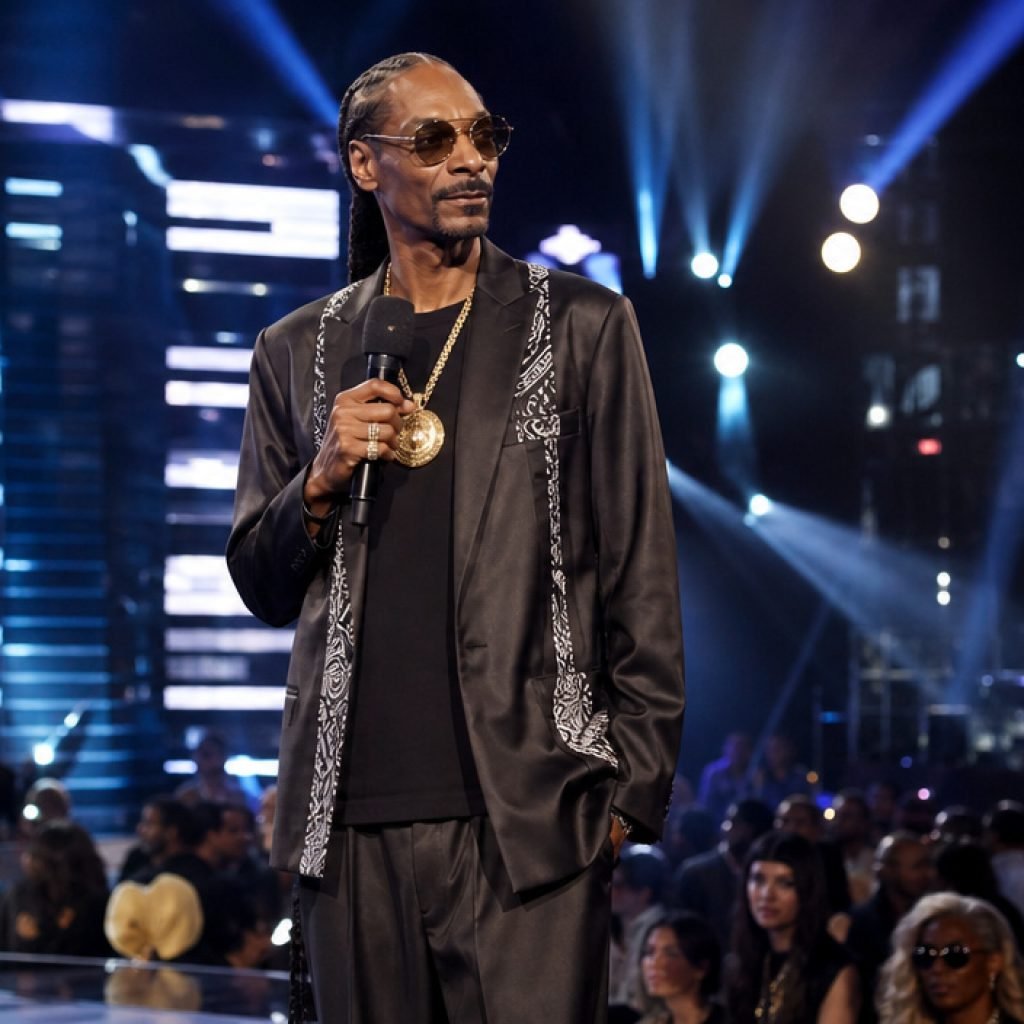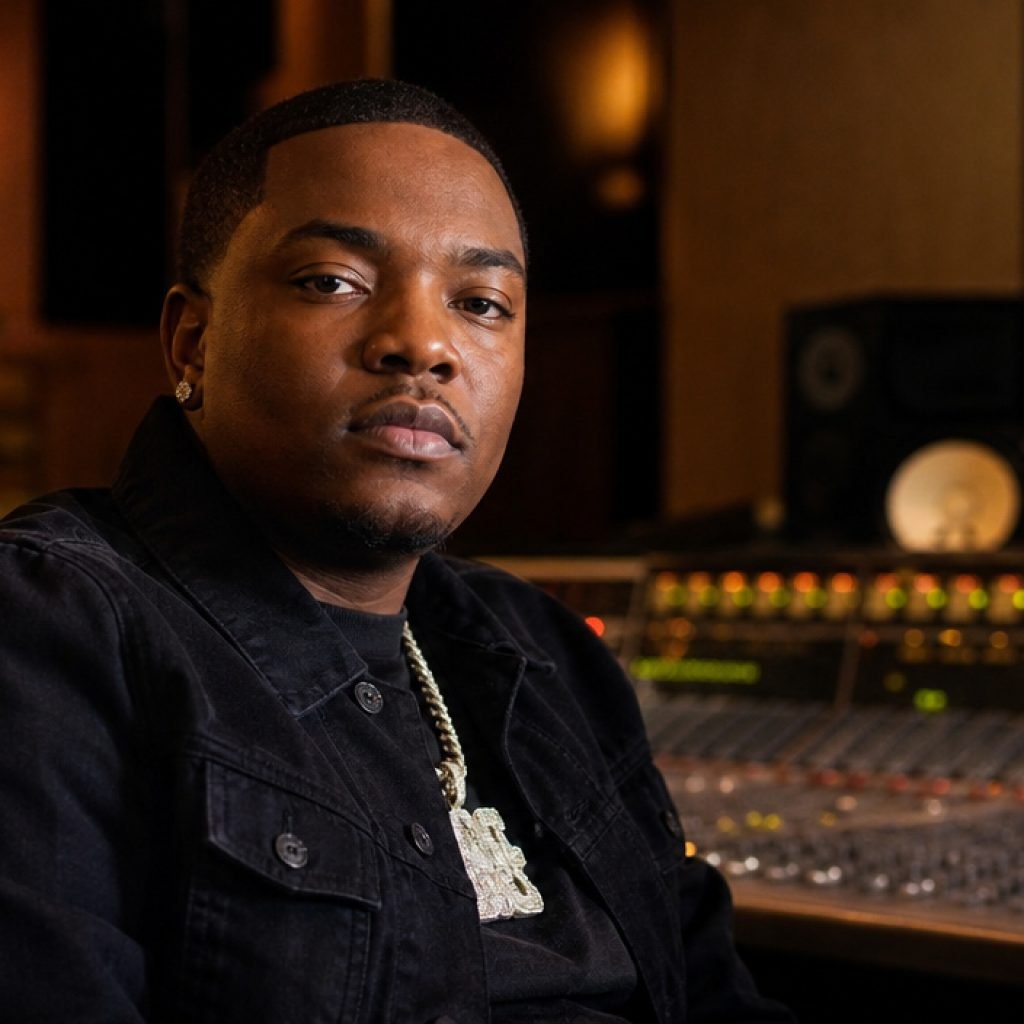
The hip-hop landscape experiences a rare temporal convergence this Friday, September 18, 2026. As the industry pushes toward the lucrative fourth quarter, digital service providers (DSPs) are flooded with a diverse array of projects. Today’s rollout is particularly noteworthy for its bridge between the ‘rage’ and melodic trap movements—led by Yeat and Hunxho—and the profound technical mastery of golden-era titans Rakim, Kurupt, and Masta Killa. This duality highlights a shifting market where generational loyalty and viral trends occupy the same digital real estate. As listeners navigate their playlists, the contrast between the experimental, synth-heavy production characteristic of current trends and the lyrical, boom-bap foundation of the industry’s stalwarts creates a fascinating case study in contemporary music consumption.
Key Highlights
- Generational Crossover: September 18, 2026, marks a pivotal release date featuring projects from boundary-pushing artists Yeat and Hunxho, contrasting with a heavyweight collaboration from Rakim, Kurupt, and Masta Killa.
- Genre Versatility: The drop includes a mix of high-tempo rage beats, melodic trap, and classic lyrical hip-hop, catering to both the TikTok-driven algorithm audience and the traditional hip-hop purist base.
- Strategic Release Timing: By dropping in mid-September, these artists are capitalizing on the ‘Pre-Q4’ window, attempting to secure early streaming momentum before the massive end-of-year holiday album rush.
The Intersection of Generations in Modern Hip-Hop
The New Wave: Yeat and Hunxho’s Market Influence
In the current streaming economy, artists like Yeat have redefined how hip-hop captures attention. With a sound often described as ‘rage’ or ‘hyper-trap,’ Yeat’s presence on a release schedule usually indicates a push for viral ubiquity. These artists rely on distinct sonic branding—often characterized by distorted bass, rapid-fire flow, and an aesthetic that defies traditional industry production standards. The anticipation surrounding their latest offerings on September 18, 2026, highlights the power of the digital underground. Fans aren’t just looking for songs; they are looking for ‘sounds’ that function as snippets for social media creation.
Similarly, Hunxho represents the evolution of melodic trap. By blending emotive storytelling with rhythmic, sing-song delivery, Hunxho has carved out a niche that appeals to the core demographic of DSP users aged 16 to 24. For a project to succeed in this ecosystem, it requires more than just lyrical dexterity; it requires a ‘vibe’ that can be looped, chopped, and shared. Today’s releases from these artists are expected to dominate algorithmically curated playlists, forcing platforms like Spotify and Apple Music to account for the sudden surge in high-energy, short-form content consumption.
Golden Era Resonance: The Rakim, Kurupt, and Masta Killa Alliance
Perhaps the most shocking and structurally significant aspect of the September 18 drop is the collaboration between Rakim, Kurupt, and Masta Killa. This trio represents a tectonic shift in the industry’s approach to legacy acts. While the ‘New Wave’ artists chase viral metrics, this trio is engaging in what can be termed ‘Artistic Preservation.’
Rakim, universally regarded as the ‘God MC,’ brings an unmatched level of internal rhyme schemes and rhythmic complexity. Kurupt, a cornerstone of West Coast G-Funk and Death Row Records history, provides a raw, aggressive delivery that balances the East Coast technicality of Rakim and Wu-Tang Clan’s own Masta Killa. By unifying these disparate geographical and stylistic roots, this project isn’t merely a nostalgia trip—it is an aggressive statement on the necessity of lyrical substance in a market often accused of prioritizing brevity and repetition. This project will likely see less immediate chart-topping viral traction than the newer acts but will possess significantly higher ‘long-tail’ value, garnering critical acclaim and potentially influencing the next cycle of production trends.
Market Dynamics: The ‘Pre-Q4’ Strategic Advantage
Why choose September 18? For major labels and independent distributors alike, the calendar is a weapon. The period between September and November is arguably the most critical window in the music business. Major labels reserve October and November for blockbuster pop and hip-hop releases meant to capitalize on Q4 holiday spending. By dropping in mid-September, artists like Yeat, Hunxho, and the Rakim-Kurupt-Masta Killa collective are staking their claim to the ‘Fall Rotation.’
This timing allows for a ‘build-up’ phase. If these albums resonate with critics and fans over the next few weeks, they will be positioned to occupy the ‘Best of 2026’ lists, which are curated in November and December. Furthermore, it creates a buffer zone, avoiding direct competition with the potential multi-billion-stream artists who typically drop in late Q4. It is a strategic move—the younger artists aim for immediate, explosive metrics to drive tour sales, while the veterans aim for prestige, ensuring their place in the ongoing conversation about hip-hop’s evolution.
FAQ: People Also Ask
Q: Why are legacy acts like Rakim and Kurupt releasing music in 2026 alongside younger stars?
A: There is a growing market for ‘heritage’ hip-hop. Older listeners, who have higher disposable income, are actively supporting artists who defined the genre, and streaming platforms are increasingly creating specific ‘Legacy Rap’ hubs to cater to this audience.
Q: How does a release date like September 18 impact chart performance?
A: In the modern era, Friday is the universal release day. Dropping on September 18 ensures these artists capture a full tracking week for the Billboard charts, maximizing their chances of a debut on the Hot 100 or Billboard 200 by early next week.
Q: Is ‘Rage’ music still the dominant sound in hip-hop for 2026?
A: While ‘Rage’ remains a potent force—championed by artists like Yeat—the market is currently diversifying. We are seeing a cyclical return to sample-heavy, lyric-focused production, as evidenced by the high-profile releases from artists like the Rakim-led trio.
Q: How do algorithms decide which of these releases gets promoted?
A: Algorithms favor user engagement (skips, saves, and repeat listens). If the new releases from Hunxho or Yeat trigger high ‘save-to-stream’ ratios, they will be pushed into high-traffic playlists like ‘RapCaviar’ or ‘Pollinate,’ significantly amplifying their reach compared to older, more static releases.