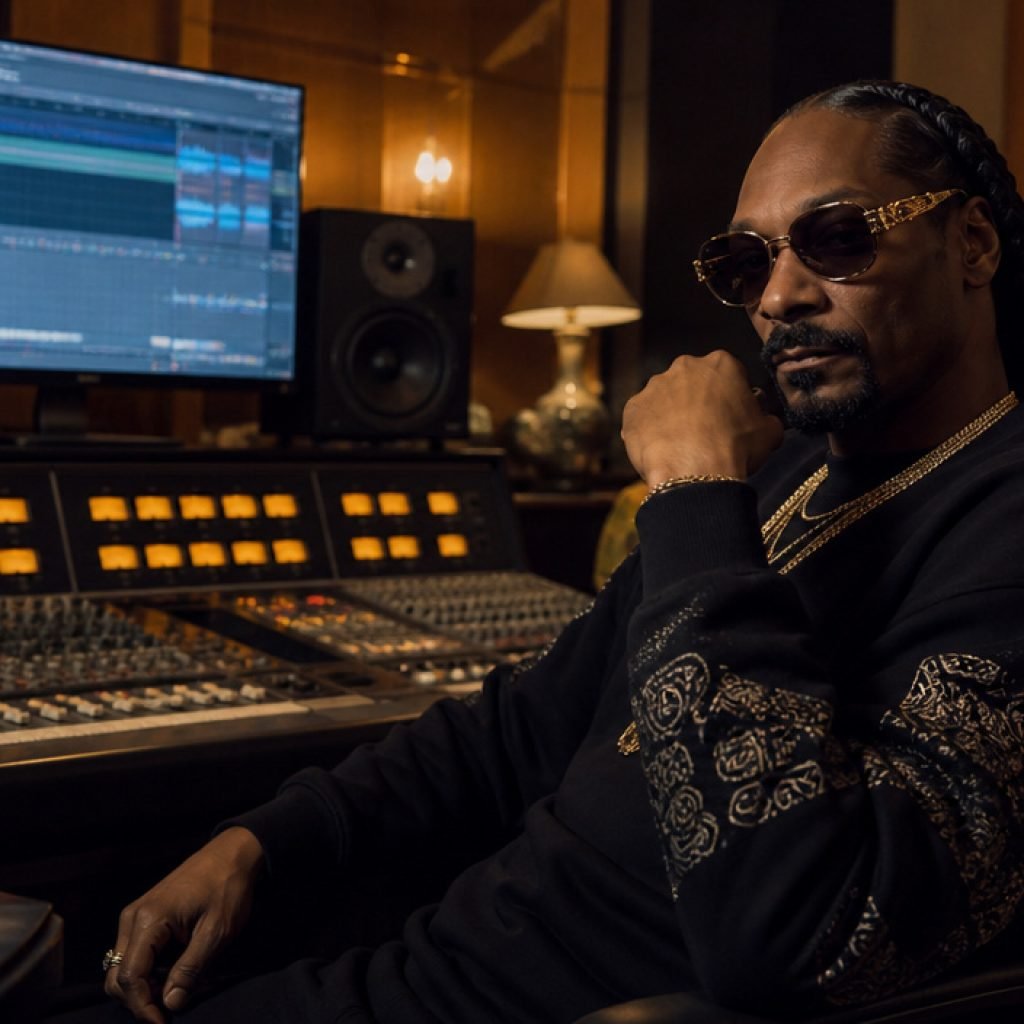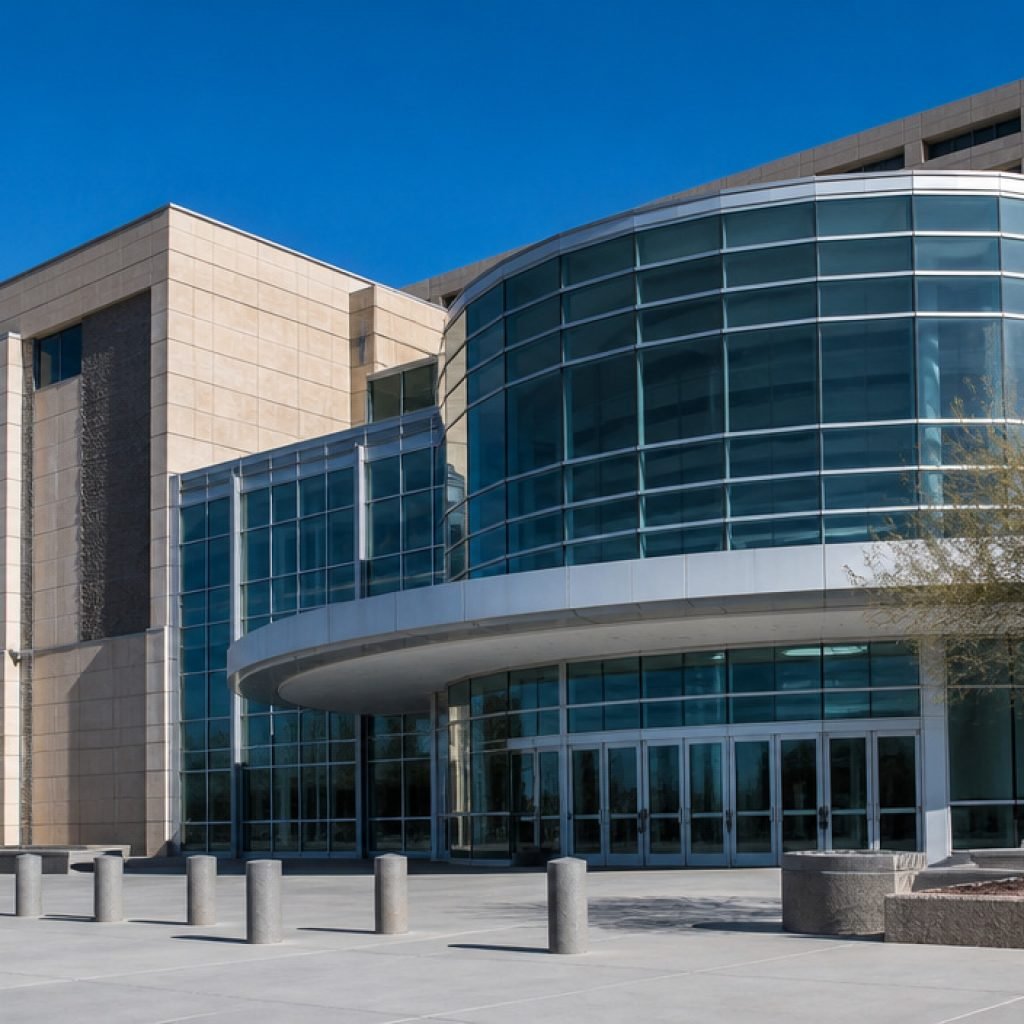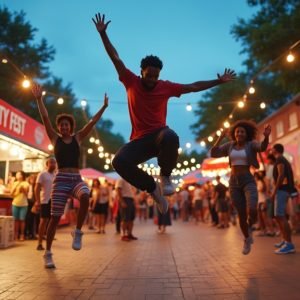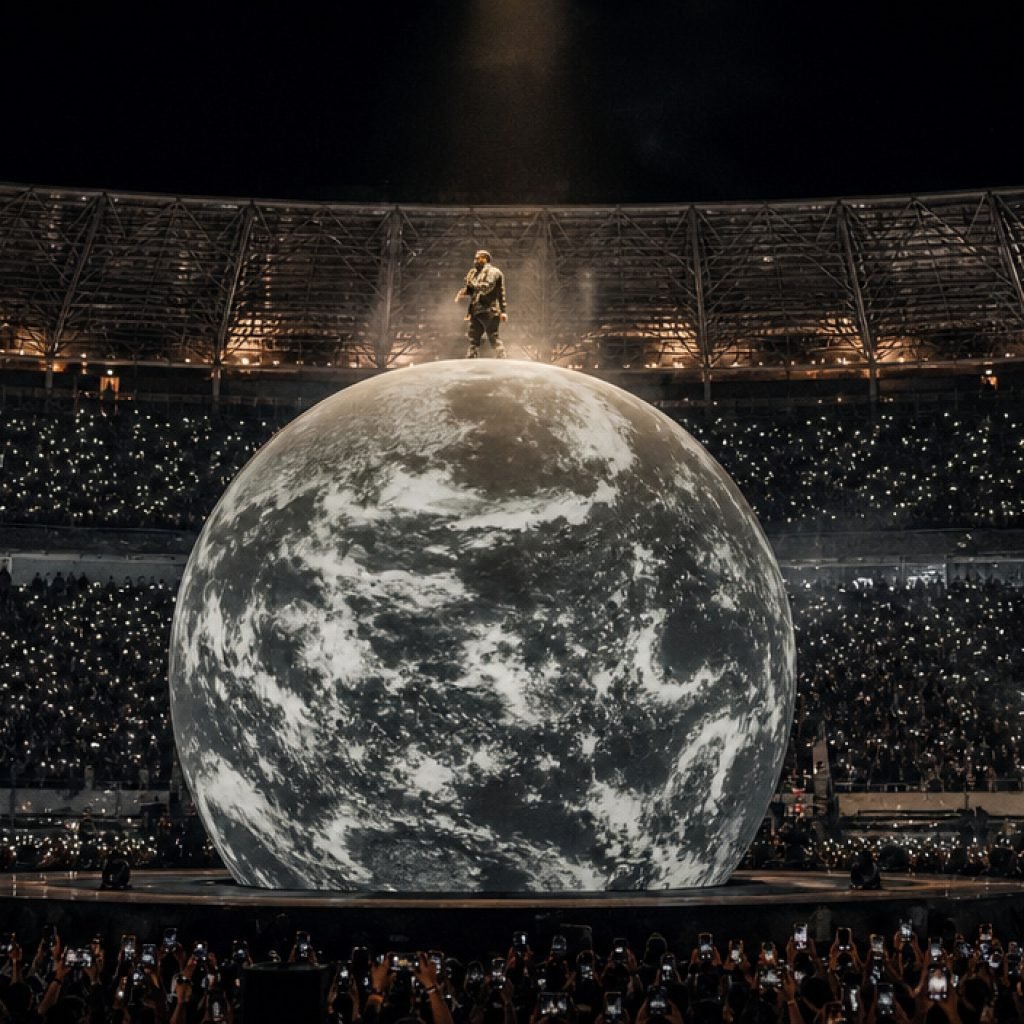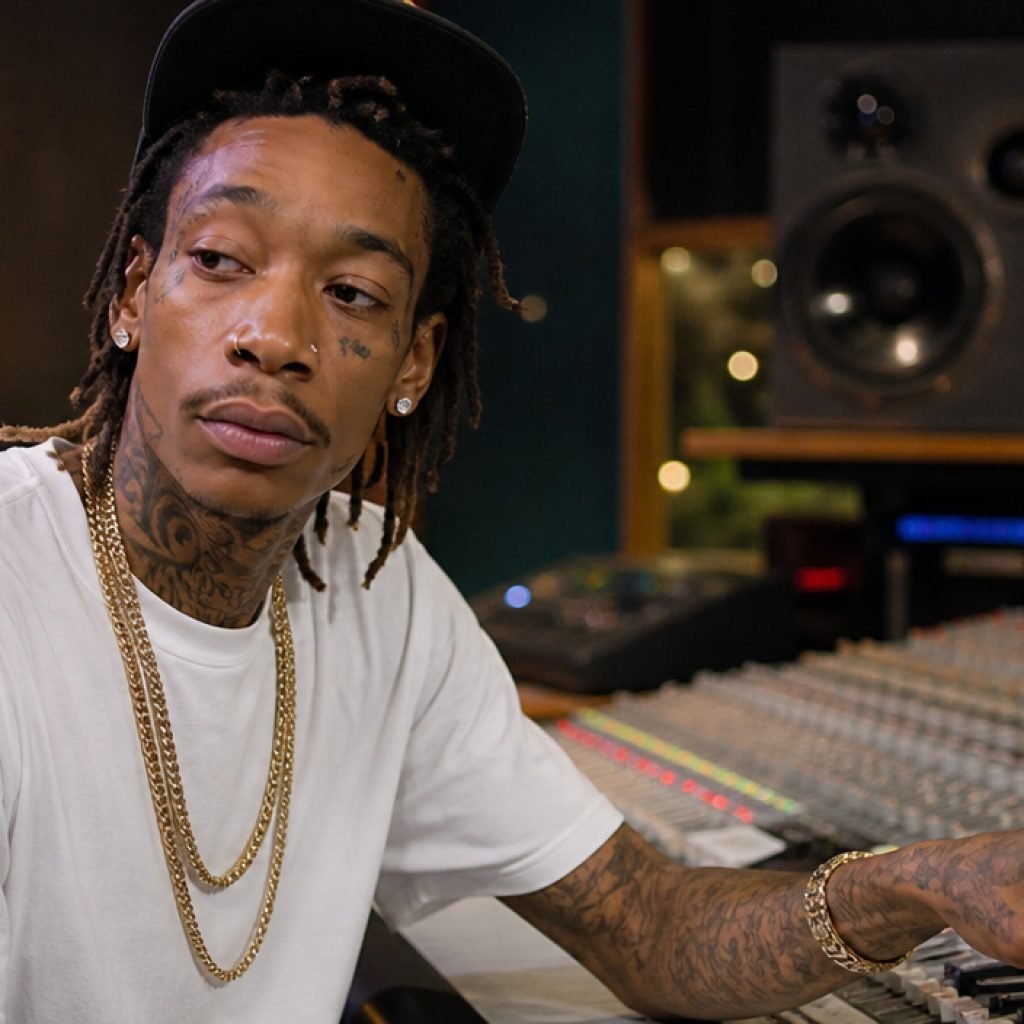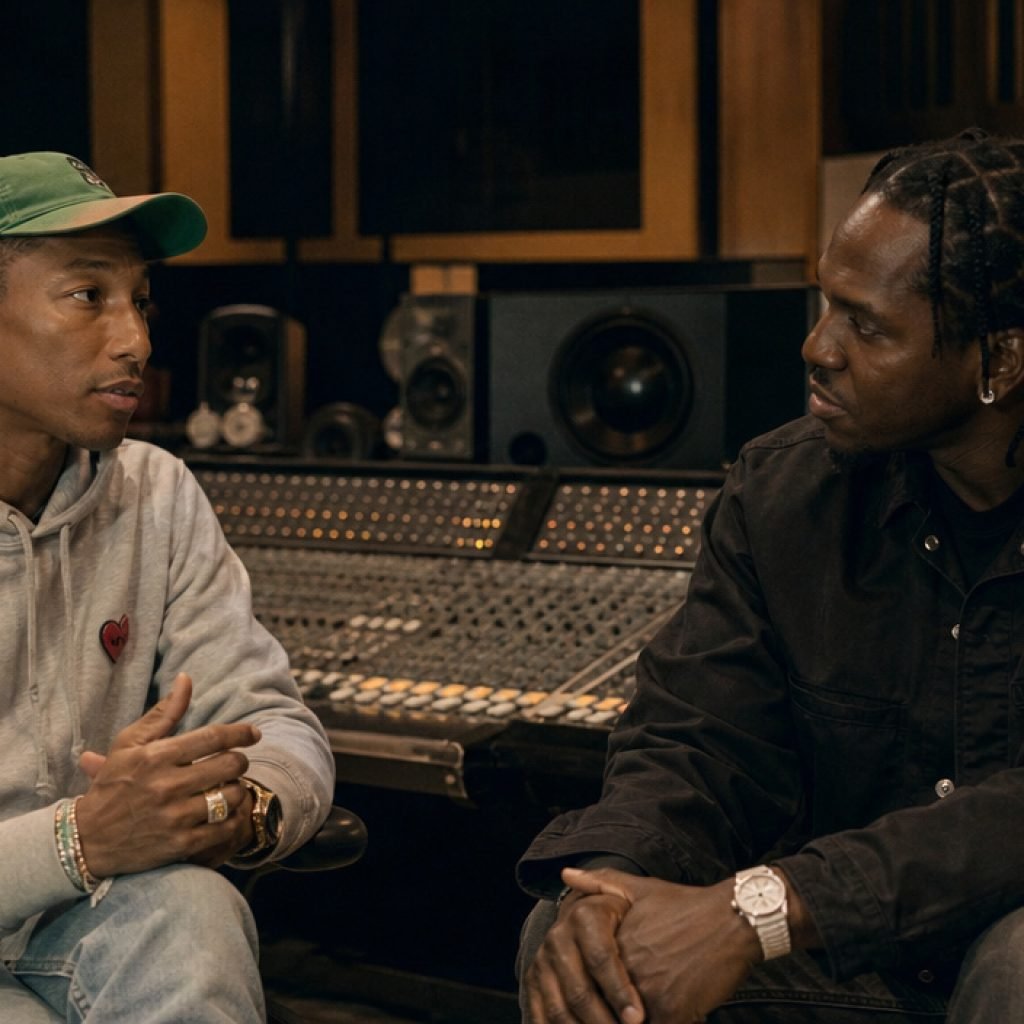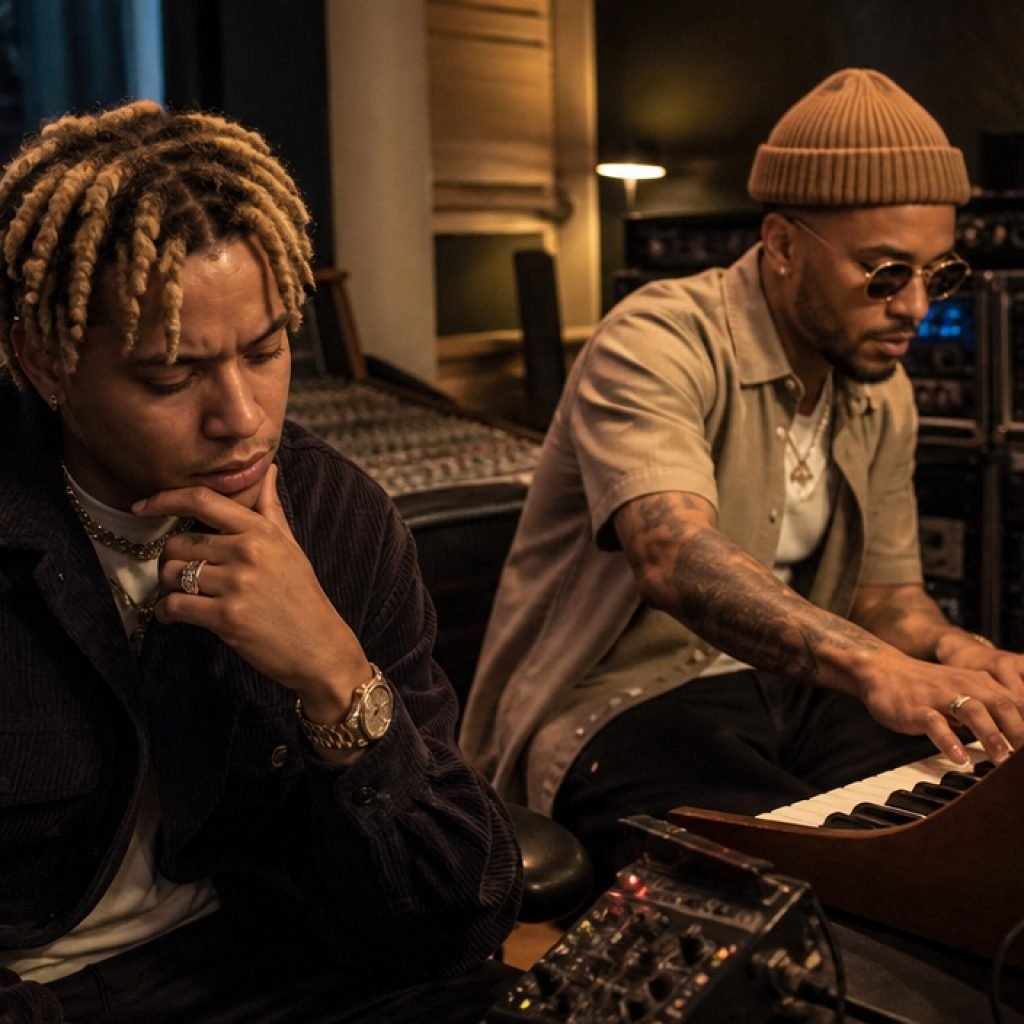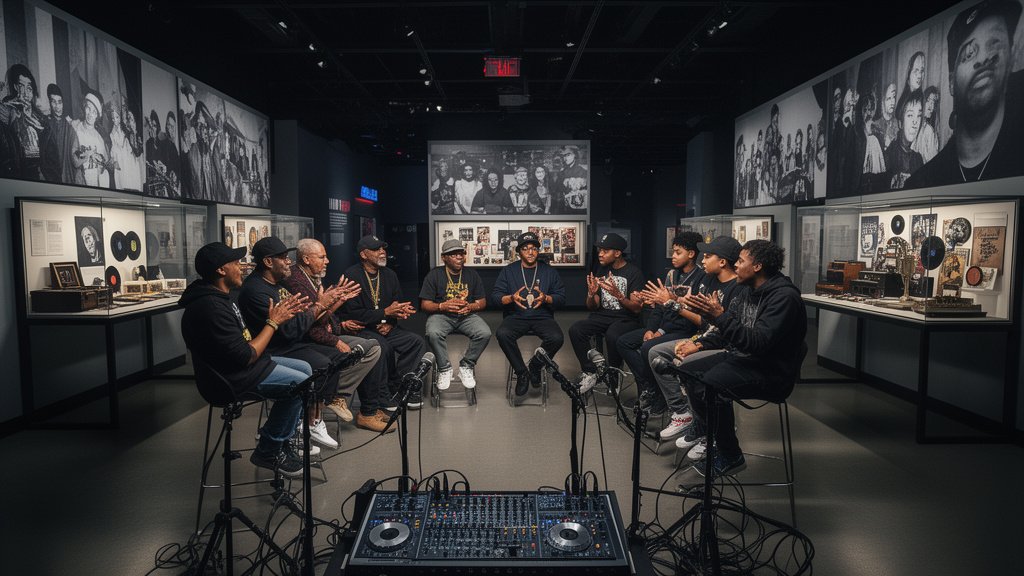
The Hip Hop Museum recently marked Hip Hop’s 53rd anniversary in New York City with a high-profile gathering that underscored the genre’s enduring power as a tool for intergenerational community building. By uniting industry pioneers with emerging creators, the celebration highlighted the museum’s critical role as a living archive and a bridge for the next generation of culture-bearers. This event, held in the heart of the culture’s birthplace, moved beyond mere nostalgia, positioning Hip Hop as an evolving art form that remains vital to modern sociopolitical and artistic discourse.
Key Highlights
- Commemorating 53 Years: The museum hosted a milestone 53rd-anniversary event in NYC, serving as a cultural nexus for artists, educators, and fans.
- Intergenerational Dialogue: A primary focus was bridging the gap between original architects of the culture and new-school artists, fostering mentorship and collaboration.
- Hip Hop as a Living Archive: The event reinforced the museum’s commitment to not only documenting the past but actively preserving Hip Hop as a living, breathing history.
- Future Initiatives: The museum outlined key community-building initiatives designed to support youth education and professional development within the music industry for the coming years.
Cementing the Legacy: A Milestone for the Culture
The 53rd anniversary of Hip Hop carries a unique weight. While the 50th anniversary was a global spectacle of celebration and recognition, the 53rd represents a pivot toward long-term stabilization, intellectual rigor, and institutional permanence. The Hip Hop Museum’s event in New York City was designed to synthesize these goals, creating a physical space where the ‘Golden Age’ could interact with the ‘Streaming Age.’
The Foundation: Honoring the Architects
At the core of the museum’s mission is the preservation of oral history. Pioneers who were present at the 1520 Sedgwick Avenue events and the subsequent block parties of the 1970s served as the primary lecturers and guests of honor. Their participation is not merely ceremonial; it is essential for historical accuracy. The museum utilizes these testimonials to curate exhibits that challenge the homogenization of the genre’s history, ensuring that the nuances of regional styles—from the Bronx’s breakbeat innovations to the lyrical complexities of later eras—are recorded for posterity.
By centering these voices, the museum protects against the erasure of contributions made by women, LGBTQ+ participants, and independent artists who were instrumental in Hip Hop’s diversification. This preservation is a tactical response to the rapid pace of digital content, where history is often flattened or distorted by social media algorithms.
The Blueprint: Mentorship and Intergenerational Exchange
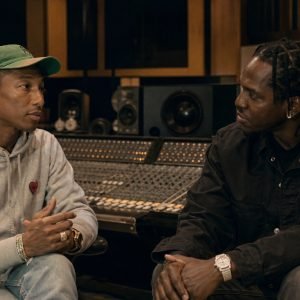
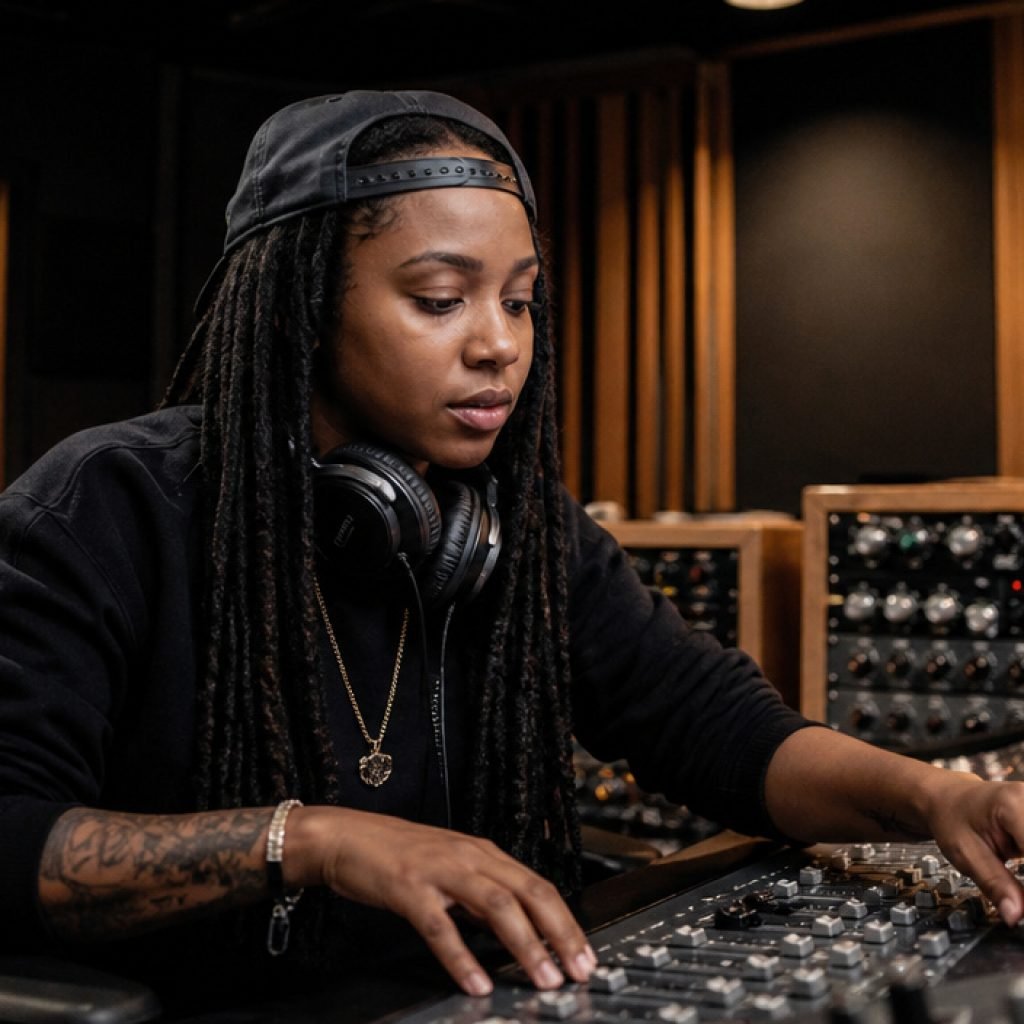
The highlight of the event was the ‘Legacy Exchange’ panel, where established industry veterans engaged in direct mentorship sessions with young, up-and-coming talent. This is the cornerstone of the museum’s strategy: moving from a passive museum space to an active ‘incubator.’
Participants discussed the practical realities of the modern music business, contrasting the ‘hustle’ of the cassette-tape era with the ‘data-driven’ reality of the Spotify era. This dialogue creates a feedback loop; the youth learn the foundational principles of sound engineering, business ownership, and cultural integrity, while the pioneers gain insight into how modern digital tools can be used to archive their own legacy. This synergy ensures that the next generation is not only informed by the past but empowered to build upon it.
Beyond the Bronx: The Global Impact
While the museum is rooted in the Bronx, its 53rd-anniversary message resonated globally. Hip Hop has become the dominant cultural export of the United States, influencing everything from high fashion in Paris to protest music in sub-Saharan Africa. The museum uses this anniversary to emphasize that the ‘culture’ is a global ecosystem. The event featured representatives who discussed the museum’s future plans for digital archives accessible to international researchers and students, ensuring that the Bronx-born philosophy of ‘Peace, Love, Unity, and Having Fun’ is codified for global application.
Economic and Social Stabilization
An often-overlooked secondary angle of the museum’s 53rd-anniversary event is the economic argument. Cultural tourism in the Bronx, catalyzed by the museum’s construction and ongoing events, represents a multi-million dollar opportunity for local small businesses. The museum is actively partnering with local economic boards to ensure that the influx of visitors benefits the community directly. Furthermore, the museum acts as a focal point for social cohesion; by providing a sanctioned, respected space for cultural expression, it helps mitigate urban tensions and provides a constructive outlet for at-risk youth.
FAQ: People Also Ask
Why is the 53rd anniversary significant for The Hip Hop Museum?
While major decade markers (like 50) attract the most attention, the 53rd anniversary represents the ‘operational’ phase of the museum—transitioning from the hype of the opening to the daily grind of preservation, education, and community engagement.
How does the museum bridge the gap between old and new school?
Through curated panels, mentorship programs, and digital archive initiatives that require participation from both industry veterans and contemporary creators, the museum fosters a direct transfer of knowledge.
Is the museum only for tourists?
No, the museum serves as a vital community hub for the Bronx, offering educational workshops, local economic support, and a dedicated space for neighborhood events, ensuring the culture remains accessible to those who created it.
What is the long-term goal of the museum’s archival project?
To create the most comprehensive, authenticated digital database of Hip Hop history, ensuring that every element of the culture—from dance and graffiti to DJing and rapping—is preserved with academic-grade integrity.