The atmosphere at the Darien Lake Amphitheater was electric, charged with the kind of historical significance rarely felt in modern music. As the lights dimmed, it wasn’t just a concert that began; it was the start of a final victory lap for one of hip-hop’s most consequential institutions. Wu-Tang Clan’s ‘The Final Chamber’ tour officially kicked off, bringing together the full original lineup—including RZA, Method Man, and Ghostface Killah—in a performance that bridged three decades of musical dominance.
Key Highlights
- Historic Lineup: The full original Wu-Tang roster reunited, delivering a rare and complete performance experience.
- The Kickoff: Darien Lake served as the launchpad for the tour, setting a high-energy tone for upcoming dates.
- The Final Chamber: This tour marks the concluding chapter of the group’s collective touring history, emphasizing the ‘finality’ of the endeavor.
- Legacy in Motion: The show highlighted the enduring impact of the group’s foundational 36 Chambers aesthetic on modern hip-hop.
The Shaolin Legacy: Inside the Launch of ‘The Final Chamber’
A Momentous Return to the Stage
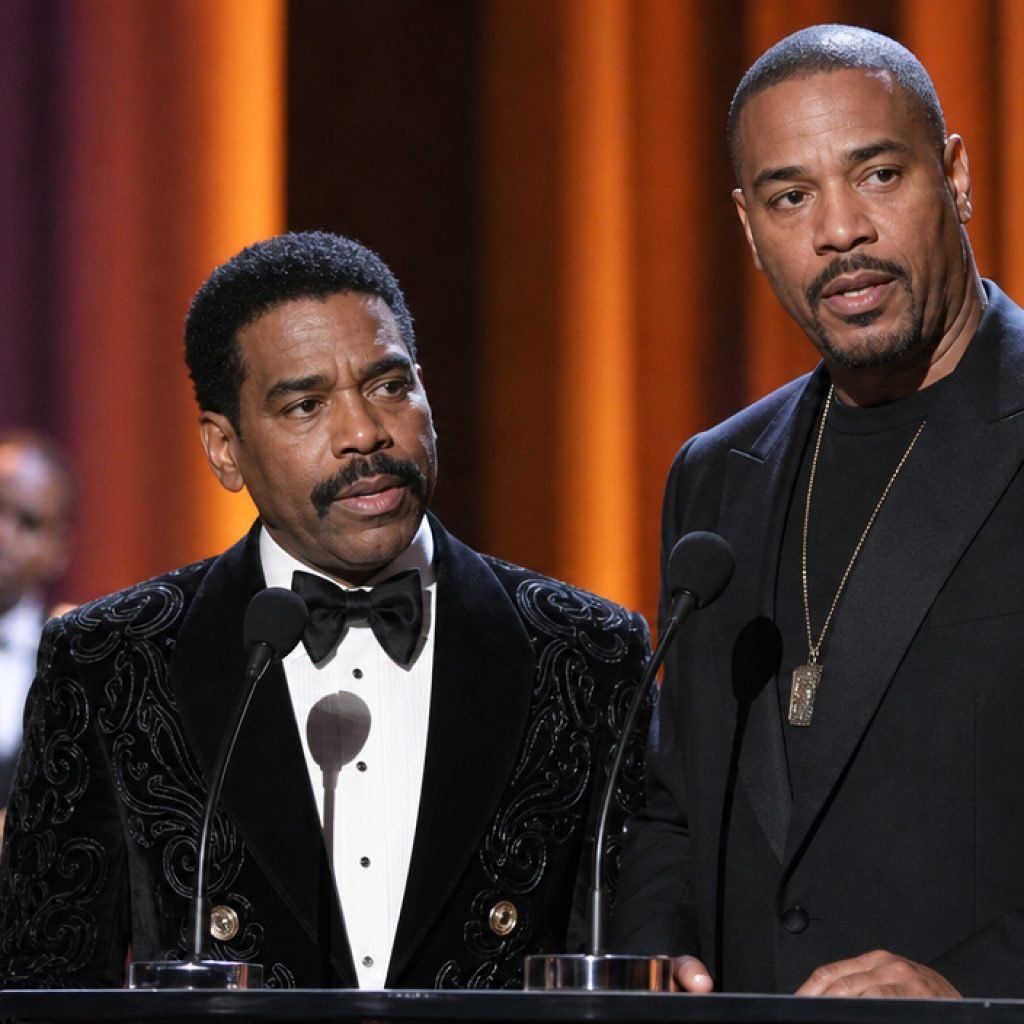
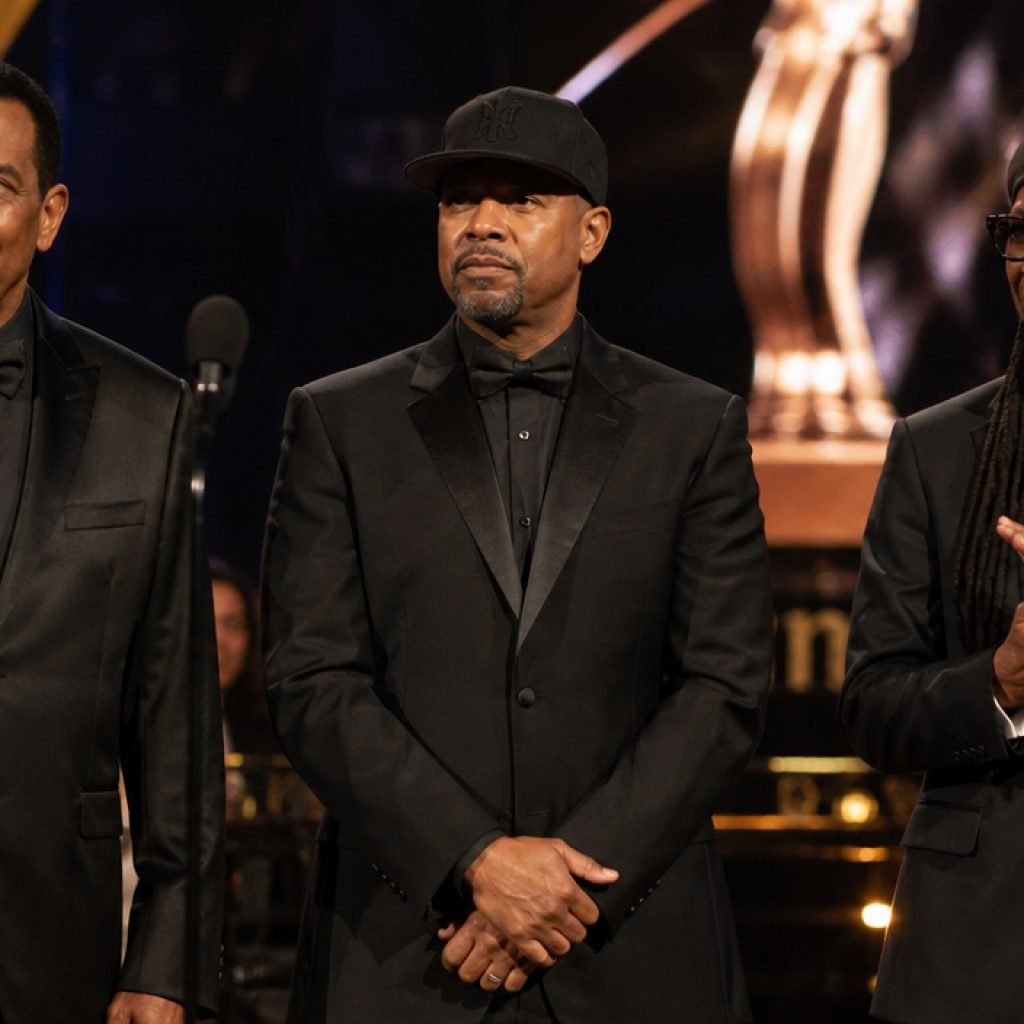
There is a weight to the words “final tour” that changes the dynamic between an artist and an audience. At the Darien Lake kickoff, that weight was palpable. From the opening chords, the crowd was not merely consuming music; they were witnessing the closing of a chapter in the history of American popular culture. The return of the full collective to the stage underscored a rare level of cohesion. Seeing RZA, the mastermind behind the group’s sonic architecture, alongside the charismatic and lyrical prowess of Method Man and the gritty, cinematic storytelling of Ghostface Killah, reminded attendees why the collective changed the trajectory of the genre in the early 1990s.
The energy was frantic and polished—a stark contrast to the rough-around-the-edges shows of the mid-90s, but possessing the same raw intensity. The group navigated their extensive discography with precision, ensuring that the ‘Final Chamber’ experience was not just a greatest-hits run-through, but a carefully curated timeline of their artistic evolution. For long-time fans, the show was a validation of decades of loyalty; for newer listeners, it served as a masterclass in stage presence and mic control.
Curating the ‘Final Chamber’ Experience
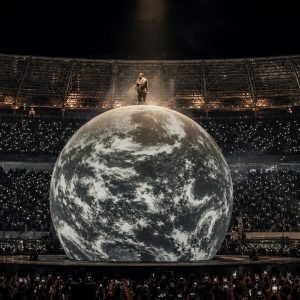
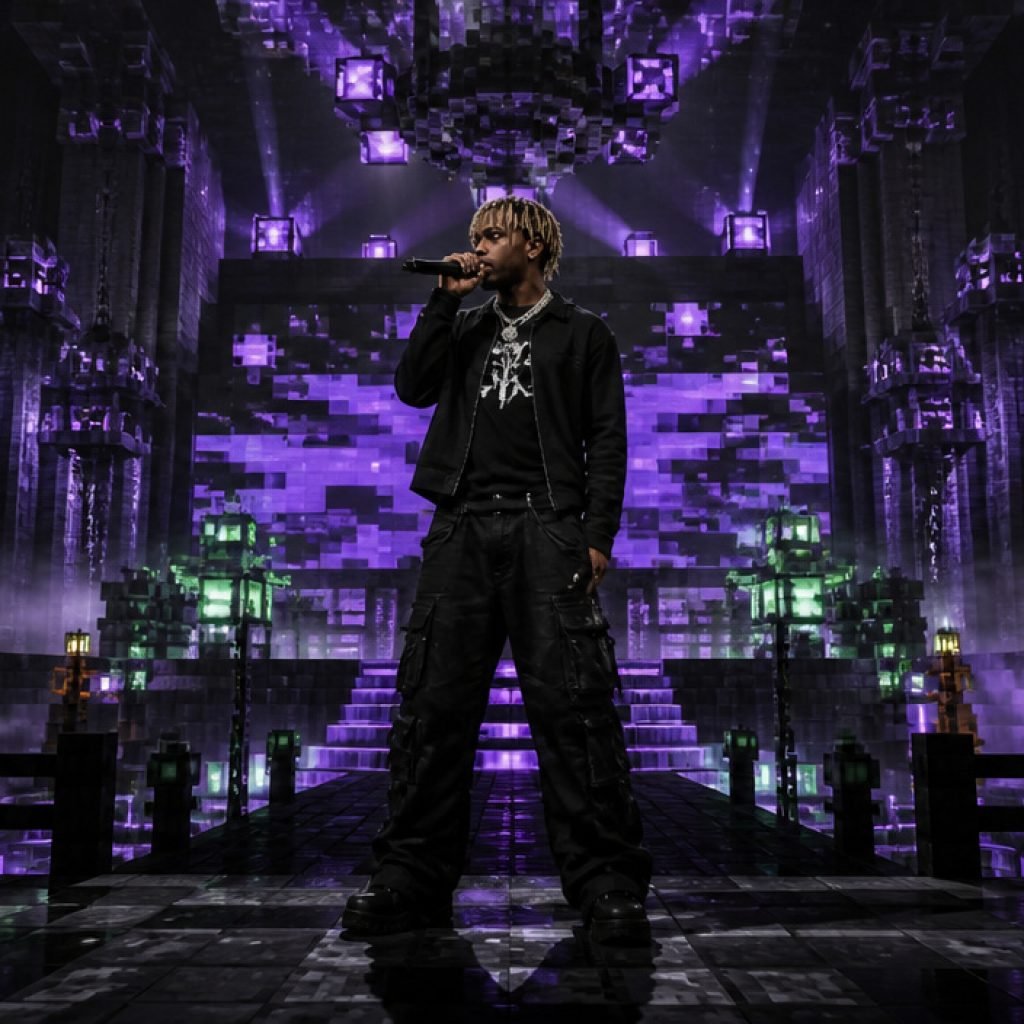
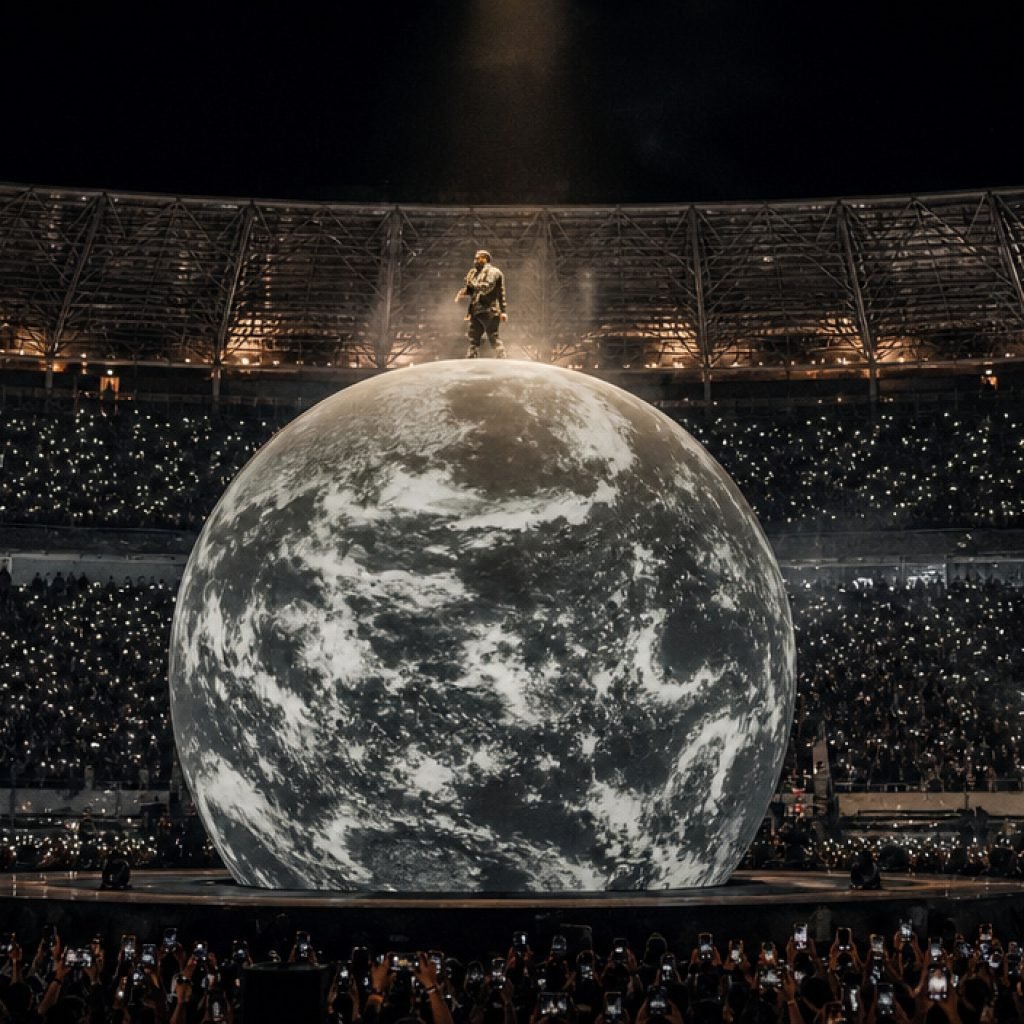
“The Final Chamber” represents more than just a tour name; it is a conceptual closing of the Wu-Tang mythos. The production values at Darien Lake suggested a significant investment in the visual presentation. The stage design leaned heavily into the dark, Shaolin-inspired imagery that has defined the group’s visual brand since their inception. The lighting and visual accompaniments were deliberate, focusing on the iconic ‘W’ branding and archival visuals that traced the members’ paths from Staten Island to global superstardom.
It is clear that the creative direction for this tour is focused on legacy-building. Each track selection served a purpose: to emphasize the depth of the Wu-Tang catalog and the individual contributions of every member. The interaction between members was seamless, displaying a level of chemistry that only decades of shared history can produce. The ‘Final Chamber’ is structured to be the definitive concert experience for the group, leaving little room for error and demanding high-energy participation from the audience, which the Darien Lake crowd provided in abundance.
Darien Lake: The Perfect Launchpad
Choosing Darien Lake as the kickoff location provided a unique logistical advantage. Often, major touring acts opt for the massive stadiums of New York City or Los Angeles for launch events, but the intimacy and acoustics of the Darien Lake Amphitheater allowed for a more focused experience. The outdoor venue’s proximity to the fans and its capacity allowed the Wu-Tang Clan to establish the tour’s sonic identity before hitting larger metropolitan markets. This choice speaks to a strategic approach: prioritizing fan engagement and sound quality over the vanity of the biggest possible arena for the premiere.
Furthermore, the logistics of managing a large collective like the Wu-Tang Clan—with members often juggling solo careers, acting, and business ventures—requires a high degree of coordination. The kickoff proved that the machinery of the tour is running smoothly. Despite the complexity of coordinating such a high-profile ensemble, every member hit their cues, and the transition between solo showcases and group anthems was fluid, maintaining a pace that kept the audience fully engaged for the duration of the set.
The Business of Hip-Hop Royalty
From a market analysis perspective, the ‘Final Chamber’ tour is a masterclass in the economics of nostalgia. As artists who paved the way for the commercialization of hip-hop, the Wu-Tang Clan are effectively transitioning into their ‘legacy act’ phase—a space occupied by the likes of the Rolling Stones or Metallica. This is a lucrative shift. By framing this as the ‘final’ tour, the group is capitalizing on the scarcity principle. The demand for tickets has spiked accordingly, reflecting the high value fans place on seeing the original lineup before they step away from the touring circuit.
This tour also highlights the successful diversification of the group’s brand. The Wu-Tang entity is no longer just a musical group; it is a conglomerate involving apparel, media, and technology. The tour serves as the ultimate marketing engine for this ecosystem. By closing out their touring career with such a high-production, high-energy spectacle, they are effectively solidifying the brand for future generations, ensuring the ‘Wu’ logo remains a staple in cultural discourse long after the final microphone is dropped.
What Comes After the Final Curtain?
As the tour continues, the question remains: what does ‘The Final Chamber’ mean for the long-term future of the collective? While they are stepping back from the grueling demands of road-touring, the creative energy of the group remains undiminished. The tour appears to be less about a retirement and more about a strategic transition—moving from the road to the boardrooms, film sets, and legacy management.
For the attendees at Darien Lake, the future was secondary to the present. The sheer force of hearing classics performed by the original architects of the sound was enough. As the group moves to the next stops on the tour, they carry with them the momentum of a successful launch and the weight of a legacy that, while no longer on the road, remains firmly cemented in the pantheon of music history.
FAQ: People Also Ask
Q: Is the original lineup performing at every show of the ‘Final Chamber’ tour?
A: Yes, the tour features the core members of the Wu-Tang Clan, fulfilling the promise of a full reunion for this final touring cycle.
Q: Why was Darien Lake chosen for the kickoff?
A: The venue provided an optimal mix of capacity, intimacy, and acoustics, allowing the group to fine-tune the production and engage with fans in a high-quality setting before moving to larger arenas.
Q: Will there be more Wu-Tang projects after this tour?
A: While this is described as the final tour, the members remain active in film, television, and various business ventures, continuing the legacy of the Wu-Tang brand beyond live performance.
Q: What themes does the ‘Final Chamber’ tour cover?
A: The tour focuses on the group’s 30-year legacy, celebrating their foundational influence on hip-hop culture with a setlist that traverses their extensive catalog from the 1993 debut to their later works.