As the global epicenter of urban culture continues to shift and evolve, Atlanta remains the unshakeable foundation of the sound. This September 5 and 6, 2026, the 17th Annual ATL Hip-Hop Day Festival will return to its spiritual home, Historic Fourth Ward Park, solidifying a nearly two-decade tradition of bridging the gap between industry icons and the next generation of musical pioneers. This event is not merely a concert series; it is a vital community institution that celebrates the grit, the history, and the future of the Southern sound that conquered the world.
Key Highlights
- Dates & Location: The festival takes place September 5–6, 2026, at Historic Fourth Ward Park, Atlanta, GA.
- Cultural Preservation: Celebrating its 17th year, the festival serves as a primary hub for documenting and presenting the evolution of Atlanta’s unique Hip-Hop lineage.
- Developmental Focus: Beyond performance, the event emphasizes youth-focused programming and professional development for emerging independent artists.
- Community Impact: The festival integrates community engagement initiatives designed to reinvest in the local neighborhoods that birthed the genre.
The Architecture of ATL’s Cultural Legacy
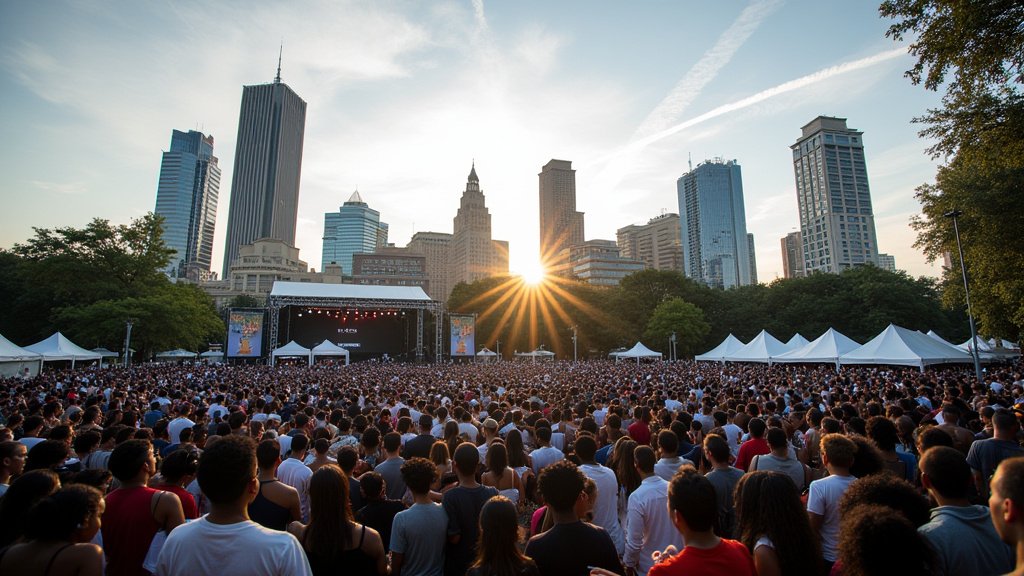
The return of the ATL Hip-Hop Day Festival to Historic Fourth Ward Park is a testament to the resilience and growth of Atlanta’s music scene. Seventeen years ago, the festival began as a grassroots endeavor to provide a platform for local artists who were redefining the boundaries of rap. Today, as the festival approaches its 17th iteration, it has matured into a sophisticated multi-day cultural experience. The choice of venue—Historic Fourth Ward Park—is intentional. By hosting the event in this vibrant, central urban space, organizers ensure that the festival remains accessible and deeply connected to the geography that defines the city’s identity. This park, known for its iconic views of the skyline and its role as a connective tissue between Atlanta neighborhoods, serves as the perfect backdrop for a celebration that aims to bring together people from all walks of life, from the veterans of the early 90s scene to the digital natives currently shaping the future of streaming.
Evolution of the Sound and the Stage
Over the past seventeen years, the ‘Atlanta Sound’ has undergone a radical transformation. From the foundational, bass-heavy rhythms of the Dungeon Family era to the trap innovations of the 2010s and the hyper-local, experimental sounds of today, Atlanta’s influence is monolithic. The festival acts as a historical archive come to life. The stage design, the artist curation, and the audience demographics represent the full spectrum of this evolution. By prioritizing independent artist showcases, the festival organizers reject the notion that Hip-Hop is solely a product of major label machine-churning. Instead, they highlight the value of artistic independence, self-production, and the direct-to-consumer relationship that has made Atlanta artists the most influential in the modern musical landscape. This year’s programming specifically emphasizes these independent voices, providing technical workshops and networking opportunities alongside live performances to ensure that the economic benefits of the industry remain firmly rooted in the city.
Bridging the Generational Divide
One of the most critical aspects of the 17th Annual ATL Hip-Hop Day Festival is its commitment to youth-focused programming. As Hip-Hop enters its second half-century, the challenge of mentorship becomes paramount. The festival organizers have structured the 2026 event to include interactive panels, production masterclasses, and community engagement initiatives that place established figures directly in front of aspiring talent. This is not just about entertainment; it is about education. By providing young creators with the tools, knowledge, and visibility they need to succeed, the festival ensures that the baton is passed with intention rather than happenstance. This intergenerational dialogue is what makes Atlanta’s scene so durable compared to other urban centers; there is a tangible sense of lineage and stewardship within the creative community here.
The Economic Engine of Local Culture
While the music remains the primary draw, the economic impact of this festival cannot be overstated. By activating Historic Fourth Ward Park for a full weekend, the festival drives significant foot traffic to local businesses, vendors, and service providers. This is a deliberate strategy. The festival creates a micro-economy where local entrepreneurs, artists, and community organizations find a symbiotic space to flourish. Throughout the weekend, attendees are not just consuming art; they are participating in a local economic ecosystem that prioritizes local labor and minority-owned small businesses. This economic model has become a template for other cultural festivals in the Southeast, proving that large-scale events can—and should—function as a catalyst for local prosperity rather than just as a temporary tourist attraction.
Future Predictions: The Next 17 Years
Looking ahead, the organizers of the ATL Hip-Hop Day Festival are focused on long-term sustainability. The 2026 iteration marks a pivotal shift toward integrating more digital-first engagement strategies, potentially expanding the festival’s footprint beyond the physical confines of the park through augmented reality experiences and global streaming partnerships. However, the core mission remains the same: to protect and promote the cultural sanctity of Atlanta Hip-Hop. As the industry moves toward increased AI-driven content, the human element—the raw, unfiltered performance, the community gathering, and the mentorship of youth—becomes even more valuable. The 17th Annual ATL Hip-Hop Day Festival is, in essence, a declaration that the spirit of Hip-Hop is not a file on a hard drive, but a living, breathing connection between people in a shared space.
FAQ: People Also Ask
Q: Is the 17th Annual ATL Hip-Hop Day Festival free to attend?
A: While specific ticketing details for individual showcases may vary, the festival historically emphasizes community accessibility. Attendees are encouraged to check the official festival website for information on free public performances and ticketed VIP experiences.
Q: What is the significance of Historic Fourth Ward Park for this event?
A: The park serves as a central, symbolic hub that represents the urban renewal and cultural vibrance of Atlanta. Its location allows for a unique blend of outdoor festival atmosphere and city accessibility, reinforcing the connection between the music and the physical city of Atlanta.
Q: Does the festival feature only Atlanta-based artists?
A: While the primary focus is to celebrate and preserve the lineage of Atlanta Hip-Hop, the festival regularly features collaborations and guest appearances that reflect the interconnected nature of the global Hip-Hop scene.
Q: What types of youth programming are offered?
A: The festival traditionally includes production workshops, artist development panels, and educational sessions that provide young creatives with direct access to industry professionals, focusing on both the creative and business sides of the music industry.