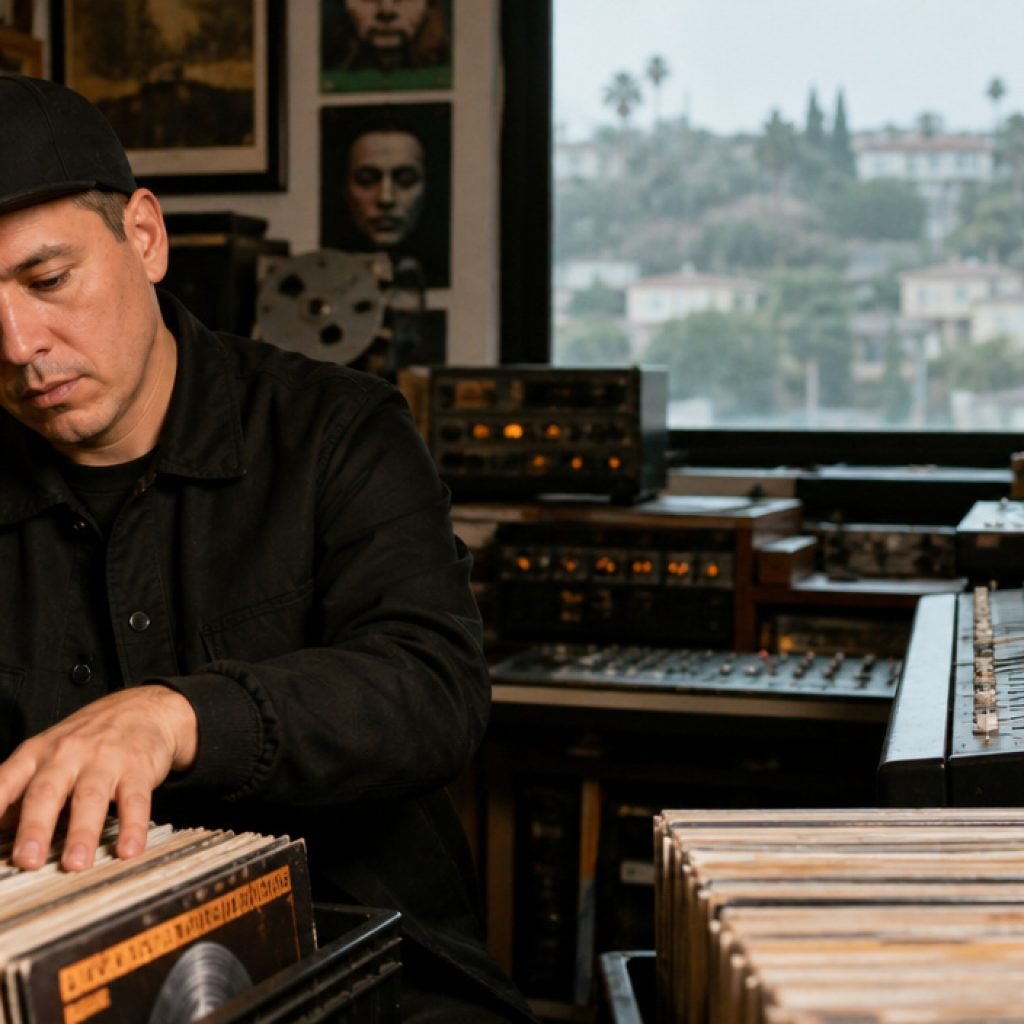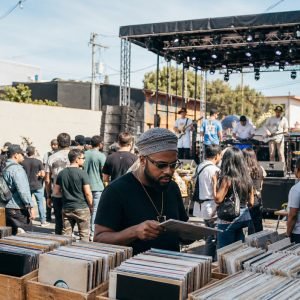
Stones Throw Records, the seminal independent hip-hop label that redefined the boundaries of underground music, is marking its 30th anniversary with a massive, three-day festival set to take place in the heart of Highland Park, Los Angeles, from October 16 through October 18, 2026. Since its inception in 1996 by founder Chris Manak—professionally known as Peanut Butter Wolf—the label has evolved from a local endeavor into a global institution that serves as the gold standard for independent, artist-centric music production. This upcoming milestone celebration serves not only as a retrospective of the label’s discography but as a testament to its resilience in a rapidly changing industry that has spent three decades attempting to commodify the very authenticity Stones Throw has consistently cultivated.
The Highland Park Homecoming
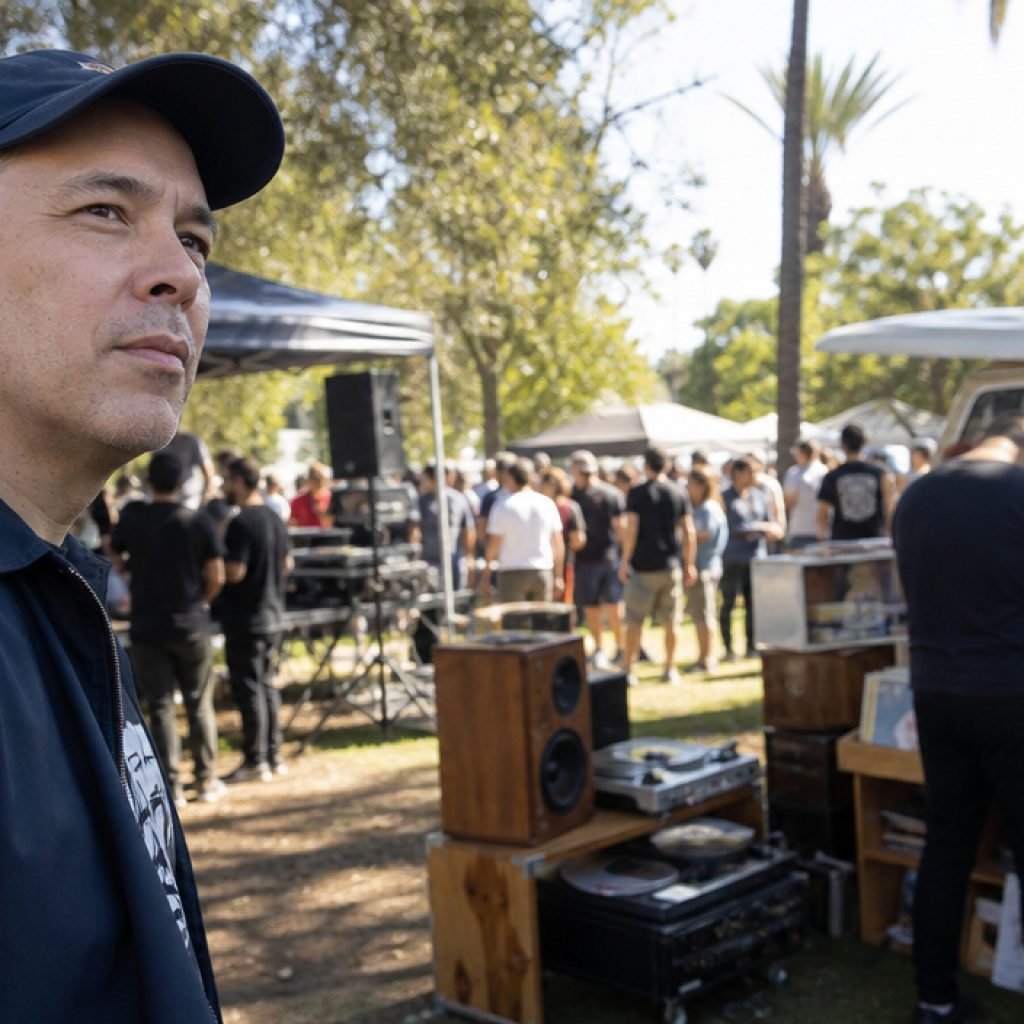
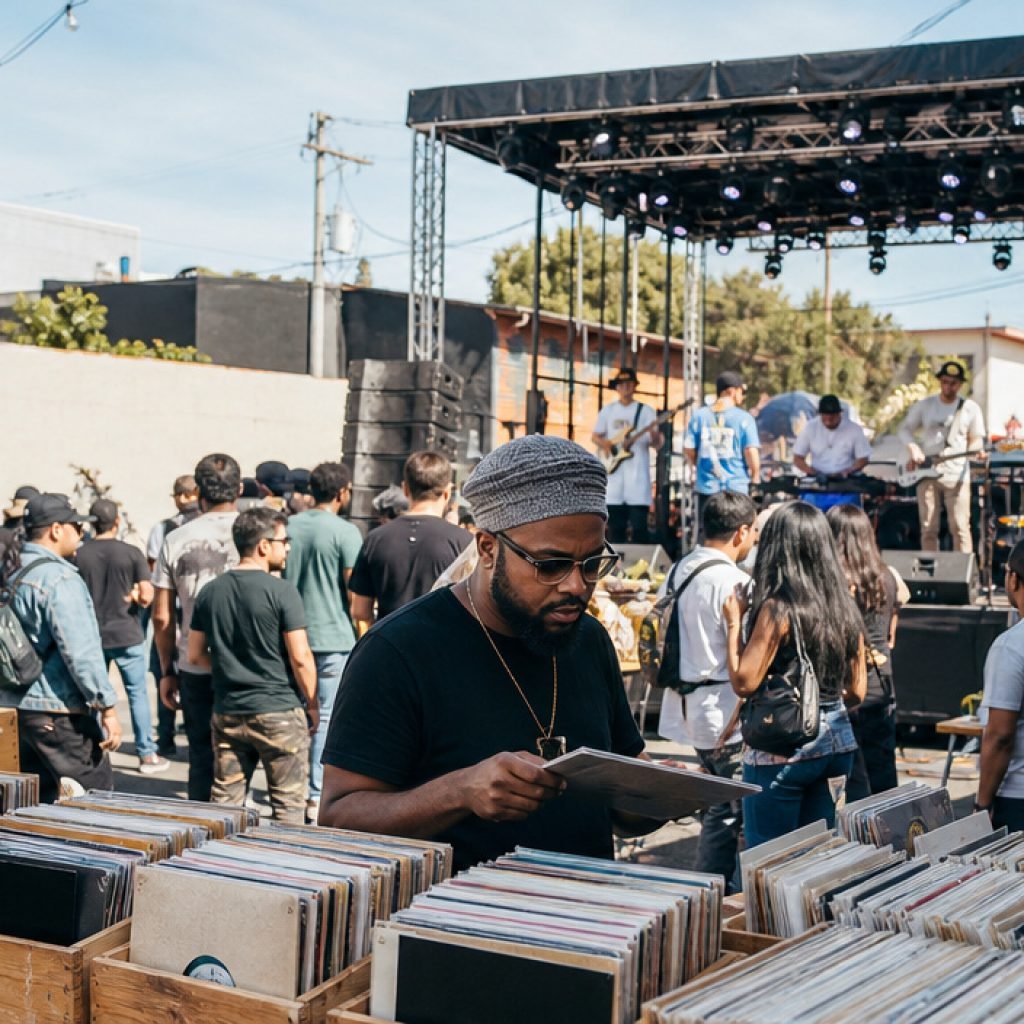
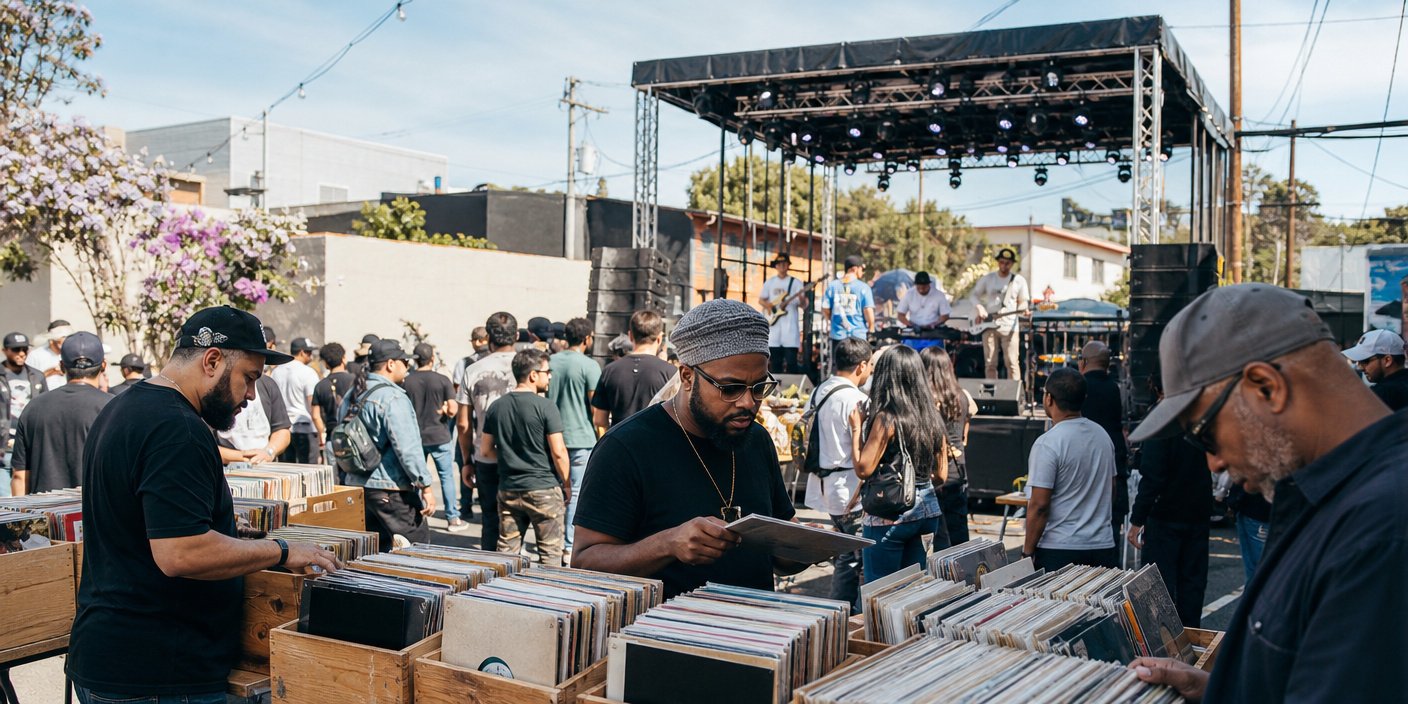
The choice of Highland Park as the site for this three-day celebration is deeply symbolic. While the label’s roots are intertwined with the broader Los Angeles music ecosystem, Highland Park has served as a crucible for the modern creative class in the city. The October 16-18, 2026 event is expected to draw thousands of attendees, ranging from foundational hip-hop purists to a new generation of listeners who discovered the label through its immense digital archives. Organizers have positioned this festival as a multi-sensory experience, featuring live performances, rare vinyl markets, and interactive panels that explore the label’s history, which includes monumental releases by icons such as MF DOOM, Madlib, and J Dilla. By anchoring the event in one of L.A.’s most artistically vibrant neighborhoods, Stones Throw is doubling down on its commitment to the local community that fueled its initial rise.
The Architecture of an Indie Dynasty
To understand why Stones Throw has survived for 30 years—an eternity in the volatile landscape of the music industry—one must look at the label’s founding philosophy. Peanut Butter Wolf launched the label in 1996 with a singular focus: to release the music he liked, regardless of commercial viability or mainstream appeal. This A&R strategy, which prioritized artistic integrity over radio playability, allowed the label to cultivate an intensely loyal fanbase.
In the early 2000s, the label hit a critical inflection point with the release of Madvillainy (2004), a collaboration between producer Madlib and rapper MF DOOM. This album is widely cited by music historians as a turning point in the trajectory of independent hip-hop, proving that a non-major label release could influence the mainstream conversation. The label’s economic model is a subject of study itself; by embracing the niche vinyl collector market long before the recent physical media resurgence, and by maintaining strict control over their masters and licensing, Stones Throw created a sustainable business ecosystem that protected its artists from the predatory practices often found in major record deals.
Shaping the L.A. Soundscape
While the label is global in reach, it is hyper-local in its DNA. Stones Throw helped anchor the ‘L.A. sound’ that emerged in the late 90s and early 2000s, a departure from the G-funk era that dominated the radio. This sound was characterized by ‘beat-making’—a focus on the producer as the architect of the song. Figures like J Dilla, whose legendary album Donuts (2006) was released on the label, utilized sample-heavy, intricate production techniques that would go on to influence everything from lo-fi beats to modern jazz fusion.
This aesthetic evolution had a profound impact on the local economy of musicians in Los Angeles. By creating a hub for experimental producers, the label catalyzed a scene that drew talent to the city. Studios in Highland Park and surrounding areas became magnets for international artists seeking the ‘Stones Throw touch,’ essentially turning the label into an informal academy for the next generation of hip-hop innovators.
The Digital Transition and Future Outlook
As we approach 2026, the label faces a new set of challenges and opportunities. The transition from physical media to streaming platforms has been navigated with calculated precision. Stones Throw has leveraged its back catalog—some of the most sampled and referenced works in hip-hop—to maintain relevance in an algorithm-driven era. Unlike labels that struggle to monetize legacy content, Stones Throw has turned its history into an asset, utilizing high-quality reissues, merchandise, and curated digital experiences to maintain a steady revenue stream.
Looking toward the next decade, the label is positioned to continue its fight for the independent spirit of Los Angeles. As the city faces gentrification pressures and the music industry shifts toward AI-generated compositions, the value of the label’s curated, human-centric approach has arguably never been higher. The anniversary festival is not just a party; it is a declaration that the ‘independent’ model is not a temporary phase, but a viable, permanent structure for artistic longevity.
FAQ: People Also Ask
1. What does the Stones Throw Records 30th anniversary festival include?
Scheduled for October 16-18, 2026, in Highland Park, the festival is a three-day celebration of the label’s legacy. It will feature live performances, rare vinyl pop-up shops, and discussions regarding the label’s history with founder Peanut Butter Wolf and other key artists.
2. Why is Stones Throw Records considered important to hip-hop history?
Stones Throw is credited with bridging the gap between underground hip-hop and critical acclaim. It provided a platform for experimental producers and artists—such as Madlib, J Dilla, and MF DOOM—to create music without the interference of major label commercial mandates, fundamentally changing the production standards of the genre.
3. How has the label maintained its independence for 30 years?
By focusing on niche, loyal audiences, controlling its own master recordings, and diversifying revenue streams through merchandise, high-quality physical releases, and digital licensing, the label has avoided the financial instability that often forces independent labels to sell to larger conglomerates.
4. Is the festival open to the public?
Yes, the 30th-anniversary celebration in Highland Park is designed to be an accessible event for fans, though tickets typically sell out quickly given the label’s deep-rooted cult following.