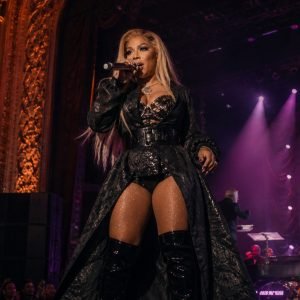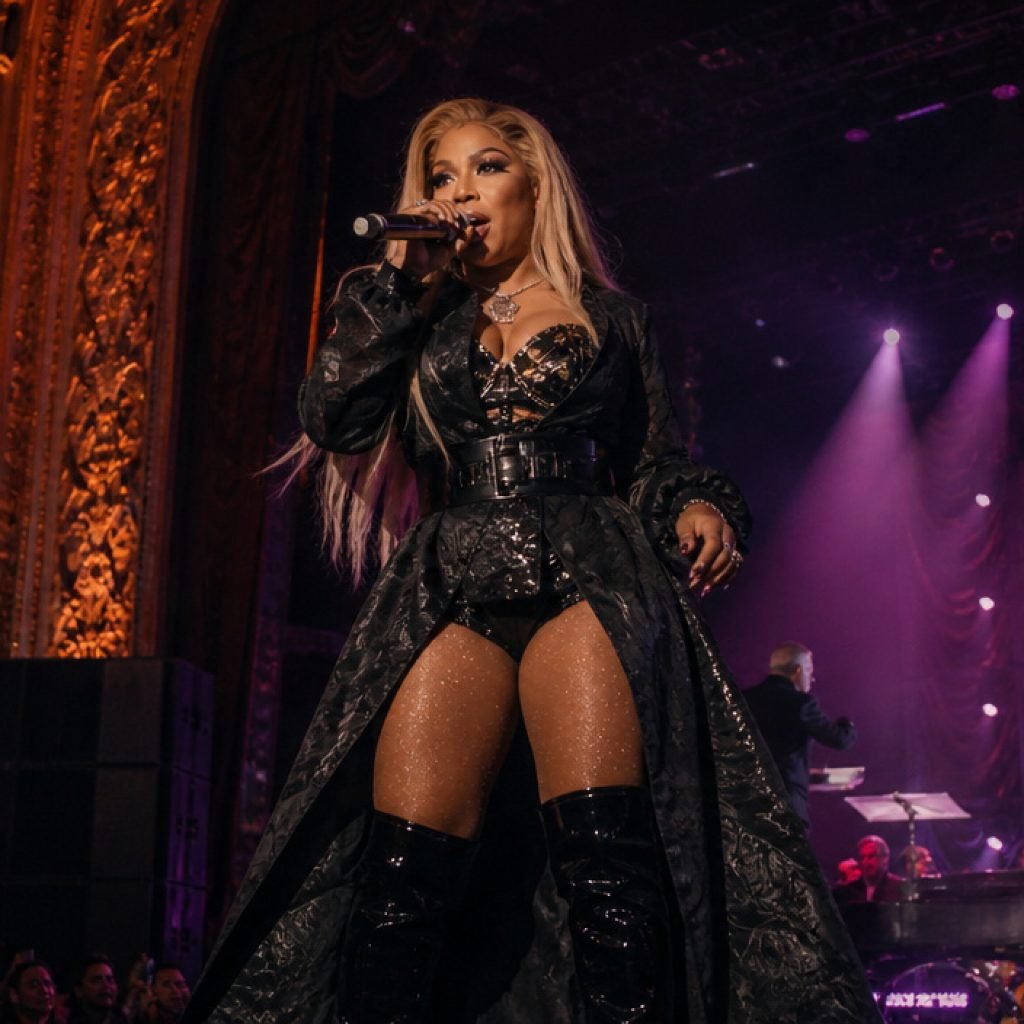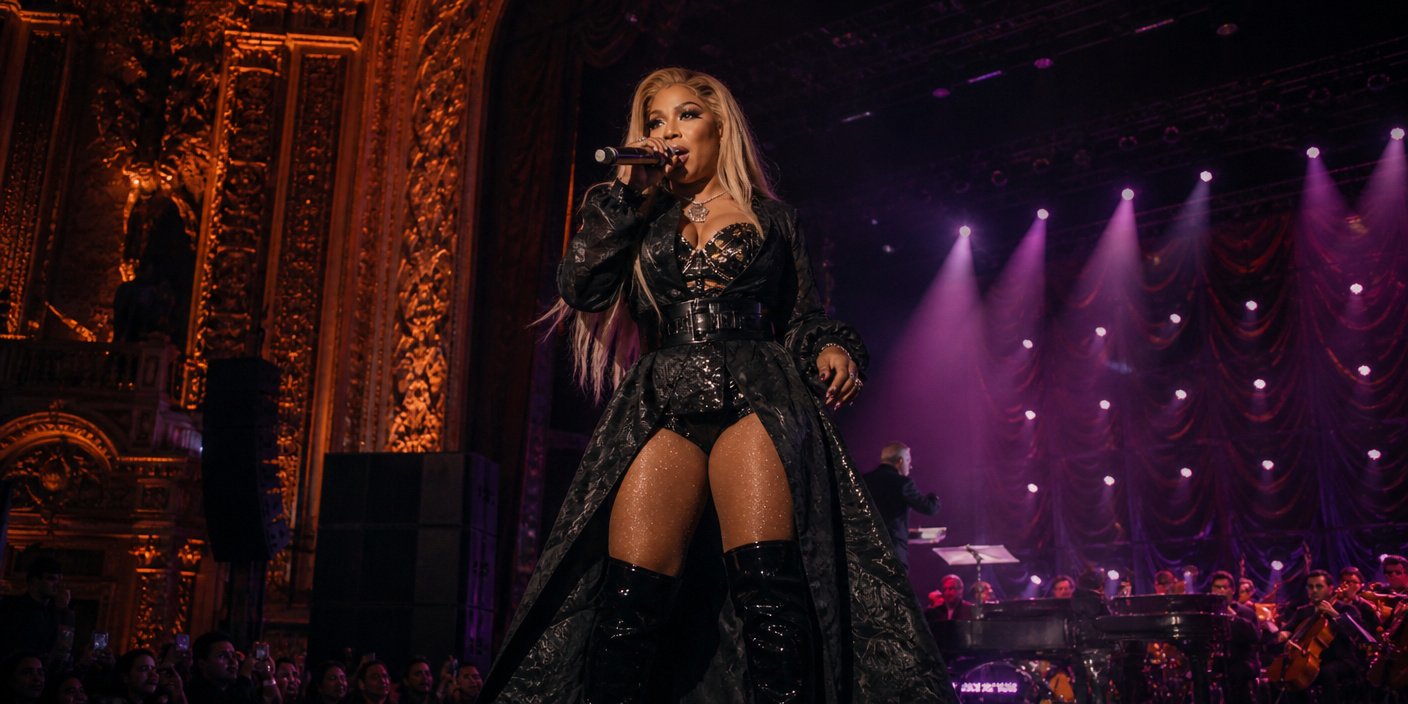
Hip-hop royalty returned to the borough that raised her this week, as Lil’ Kim transformed the historic Kings Theatre in Brooklyn, New York, into a cathedral of rap history. The two-day, sold-out concert series, aptly titled ‘Hard Core Symphony,’ served as a high-octane retrospective of the rapper’s seminal 1996 debut album, Hard Core. More than just a concert, the event functioned as a cultural coronation, reinforcing Kim’s status as a foundational architect of modern hip-hop fashion and lyrical bravado.
Key Highlights
- Sold-Out Homecoming: Two consecutive nights of capacity crowds at Brooklyn’s iconic Kings Theatre.
Legacy Celebration: An immersive tribute to the double-platinum, genre-defining debut album Hard Core*.
- Cultural Impact: A showcase of the enduring influence of Kim’s artistry on subsequent generations of female rappers.
The Queen Bee’s Brooklyn Homecoming
The choice of the Kings Theatre for ‘Hard Core Symphony’ was far from accidental. Situated in the heart of Flatbush, Brooklyn, the venue provided a grand, ornate backdrop that juxtaposed the gritty, unfiltered aesthetic of 1990s New York rap with the regal ambition that defined Lil’ Kim’s rise to global fame. For two nights, the venue was packed with fans ranging from original ’90s listeners to Gen-Z hip-hop enthusiasts, all eager to witness the artist who famously declared herself the Queen Bee.
The energy in the room was palpable. Fans witnessed a performance that felt both nostalgic and vital. Lil’ Kim didn’t just run through the tracklist of Hard Core; she curated a narrative of struggle, ascension, and ultimate triumph. The staging was opulent, reflecting the luxury-rap aesthetic Kim herself helped pioneer, while the sonic arrangements brought a ‘symphonic’ density to the raw beats that originally hit the charts nearly three decades ago.
The ‘Hard Core’ Legacy and Structural Change
Released in November 1996, Hard Core wasn’t just a debut; it was a wrecking ball to the glass ceilings of the hip-hop industry. At the time, Lil’ Kim, mentored by the late The Notorious B.I.G., forced the industry to reckon with female agency, sexual autonomy, and high-fashion sensibility in a way that had never been seen before. The album went double-platinum, proving that the ‘hard’ sound of the streets could coexist with a high-glamour persona.
During the Brooklyn performances, the crowd reaction to tracks like ‘Crush on You’ and ‘Queen Bitch’ highlighted the lasting impact of the production. These songs were not merely retro throwbacks; they were technical masterclasses in flow and delivery. Analysts often cite Hard Core as the bridge between the ’80s boom-bap era and the commercial explosion of the 2000s. By centering these tracks in a ‘symphony’ format, Lil’ Kim signaled a shift in how we categorize hip-hop: moving from disposable pop culture to enduring, high-art performance.
The Symphony of Success: Why This Format Matters
Why does a legacy album need a ‘Symphony’ treatment? The answer lies in the ongoing conversation about hip-hop’s place in the broader musical canon. By elevating her debut through large-scale, deliberate production at a venue as storied as the Kings Theatre, Lil’ Kim is asserting that her work demands the same reverence afforded to classical compositions or rock operas. This is not merely an act of vanity; it is an act of historical preservation.
The ‘Hard Core Symphony’ also serves as a masterclass in artist branding for the modern age. In an era where streaming algorithms dictate relevance, Lil’ Kim proved that a distinct identity—grounded in authenticity and tied to a physical, tangible location like Brooklyn—remains the most powerful asset an artist can possess. The event’s success suggests a blueprint for other legacy artists: stop playing the festival circuit and start curating singular, location-based experiences that act as living museums of your catalog.
Secondary Angles: The Evolution of Rap
1. The Economic Impact of Cultural Tourism: The sold-out nature of this event showcases how legacy hip-hop acts can drive significant revenue for local venues like the Kings Theatre. Brooklyn’s status as a cultural hub is consistently bolstered by artists who choose to ‘come home,’ turning local landmarks into global destinations for one weekend.
2. The Aesthetic Shift: Examining Kim’s influence on the current generation of ‘Baddies’ and aesthetic-driven rappers. From her wigs to her designer collaborations, the visual language she established in 1996 is the standard-bearer for current superstars like Megan Thee Stallion and Cardi B. This concert reminded us that the blueprint is still very much in play.
3. Genre Fluidity: The ‘Symphony’ element speaks to a growing trend of rappers incorporating orchestral or live-instrumentation elements into their shows. This suggests a desire to break away from the ‘backing track’ concert stigma, pushing hip-hop performance toward a more organic, live-band standard that justifies higher ticket prices and greater critical acclaim.
FAQ: People Also Ask
Q: What is the significance of the Kings Theatre for this event?
A: The Kings Theatre is a legendary Brooklyn landmark. By choosing this location, Lil’ Kim emphasized her roots and the specific cultural geography of the borough that birthed the sound of Hard Core. It also provided a grand architectural contrast to the raw nature of the music.
Q: Was the ‘Hard Core Symphony’ a one-time event?
A: While the specific Brooklyn series was a two-night sold-out engagement, the success of the ‘Hard Core Symphony’ brand suggests it could potentially be taken to other major markets that hold historical significance in hip-hop history.
Q: How does Lil’ Kim’s debut album compare to modern hip-hop standards?
A: Hard Core is widely considered a benchmark for female rap. Its influence on lyrical flow, unapologetic themes, and fashion-forward marketing remains visible in today’s top-charting artists. The recent concerts confirmed that the album’s sound has aged remarkably well, retaining its edge even in a modern context.
Q: Did the concert feature any guest appearances?
A: The focus of the series remained firmly on Lil’ Kim’s legacy and her command of the stage. The concerts were designed to spotlight her career trajectory, allowing her to hold the spotlight entirely as the singular, undisputed Queen Bee.