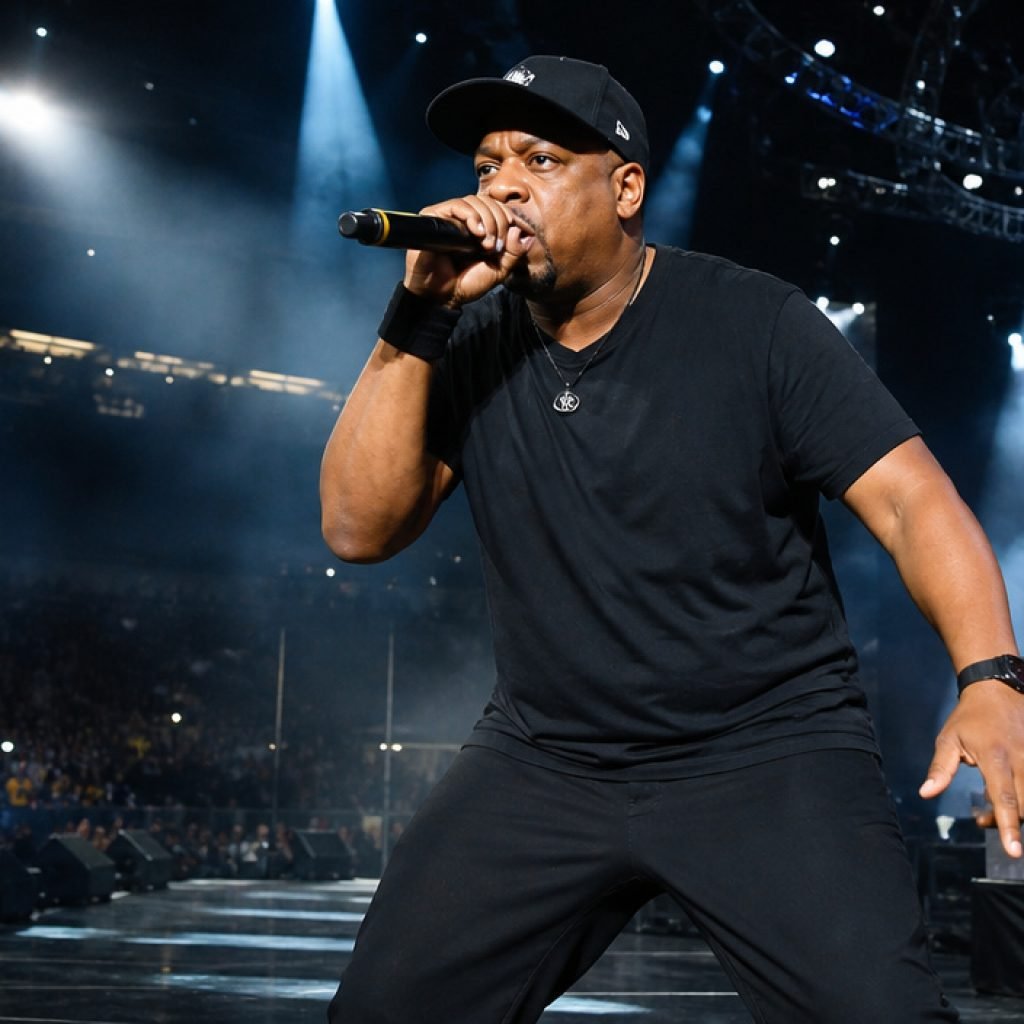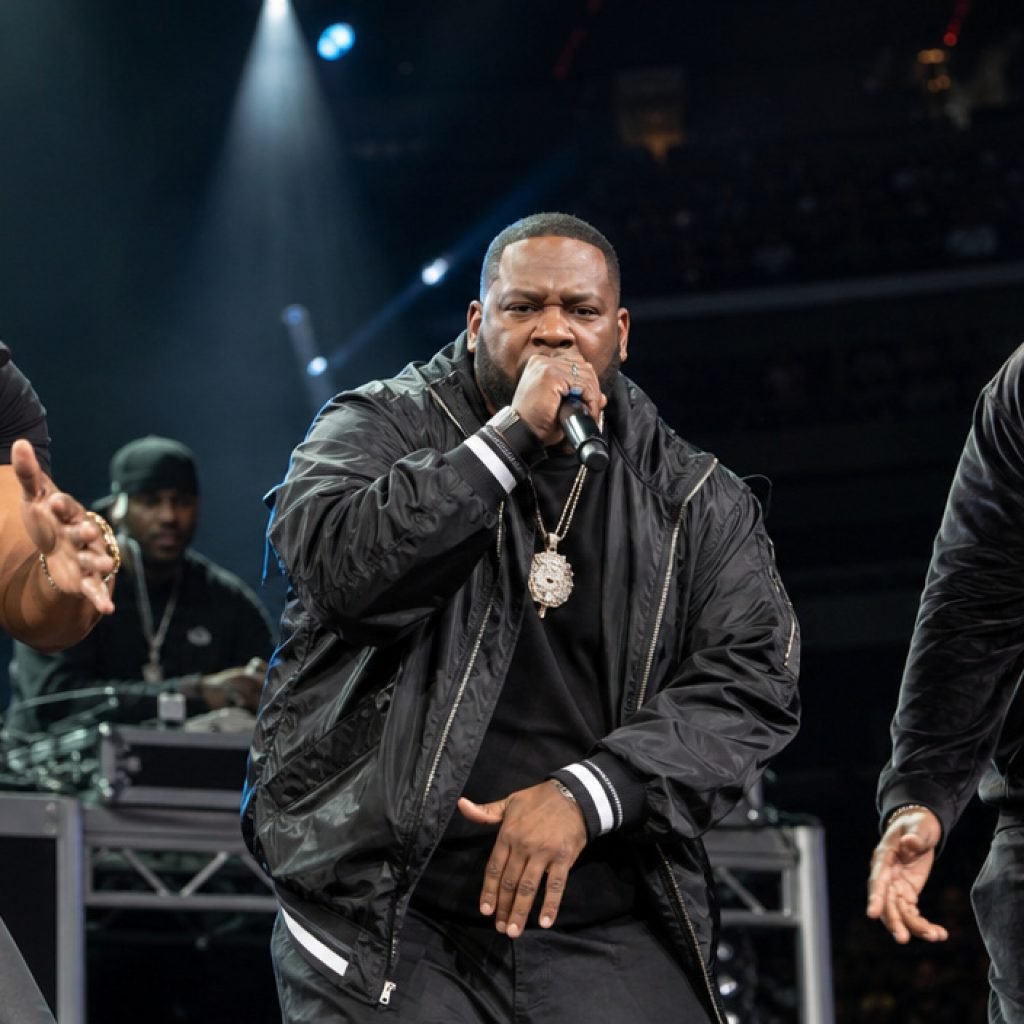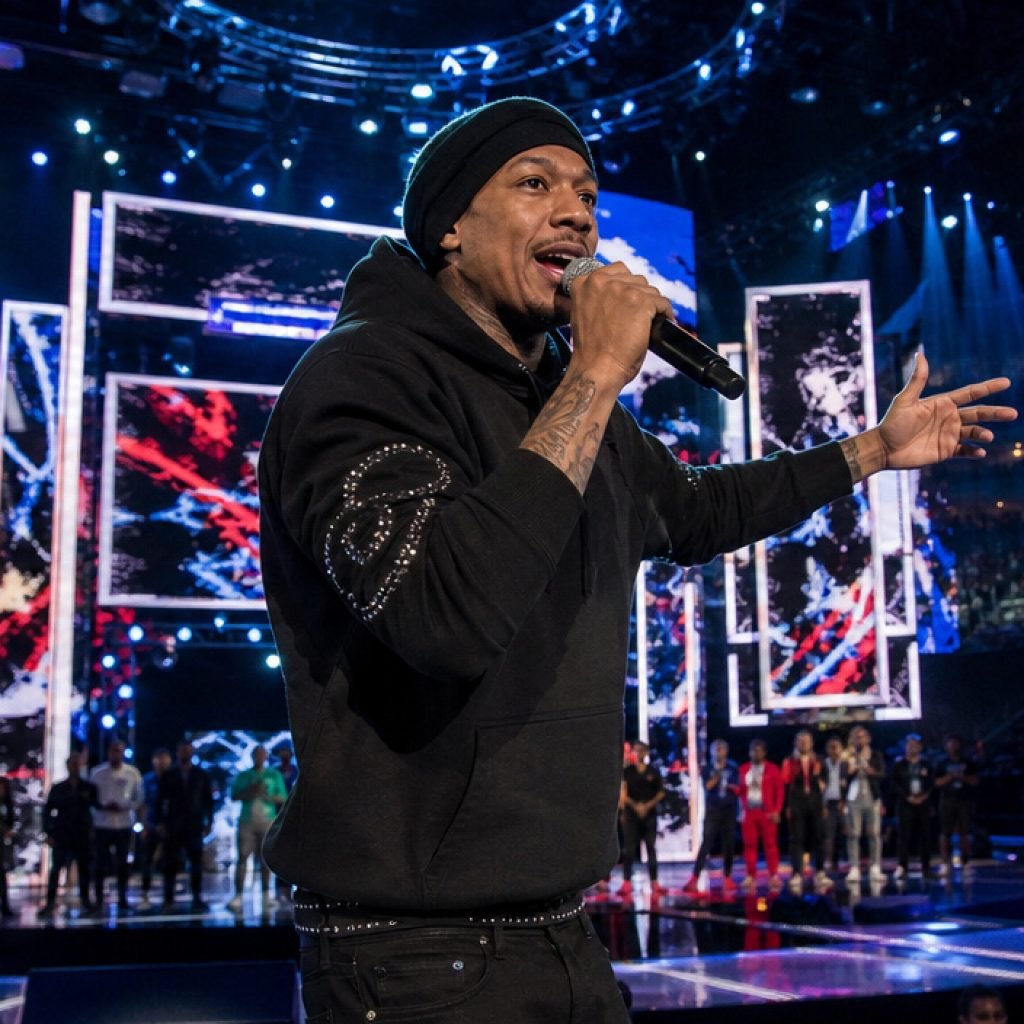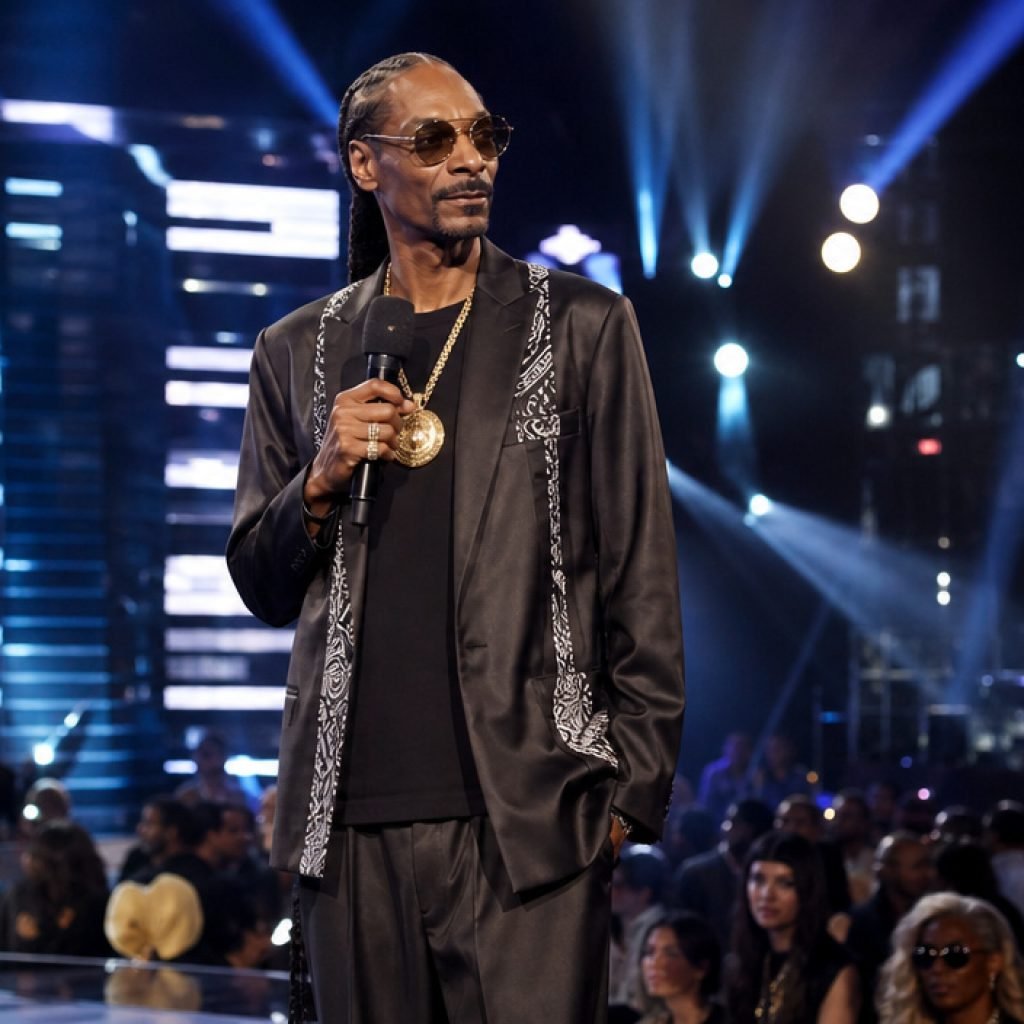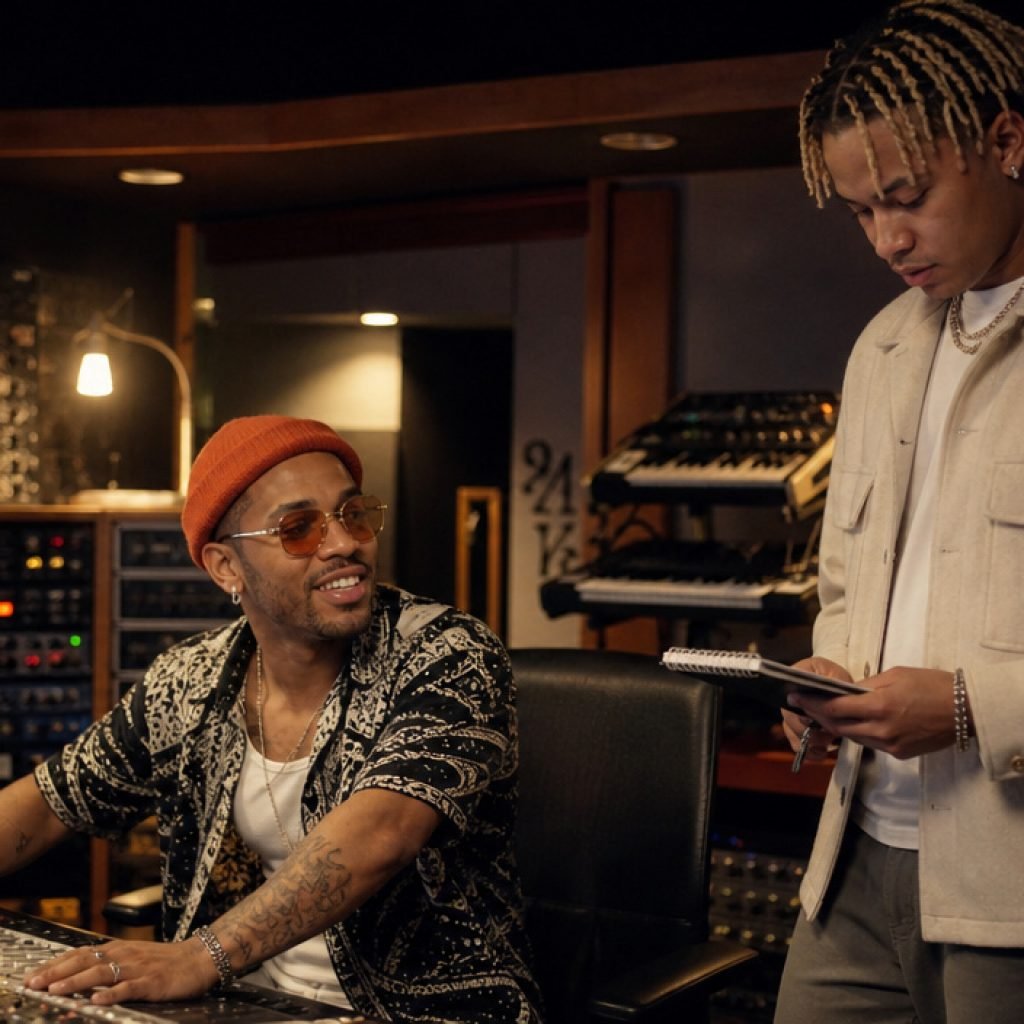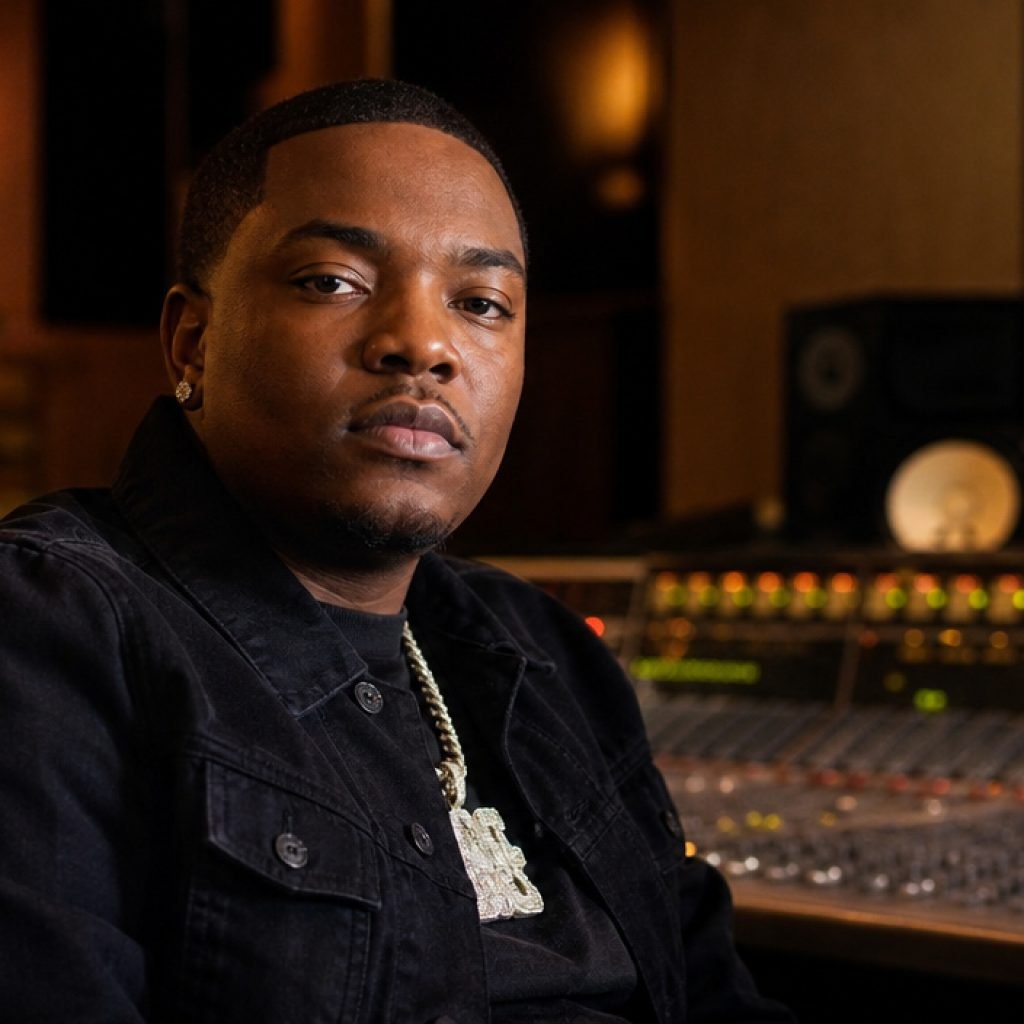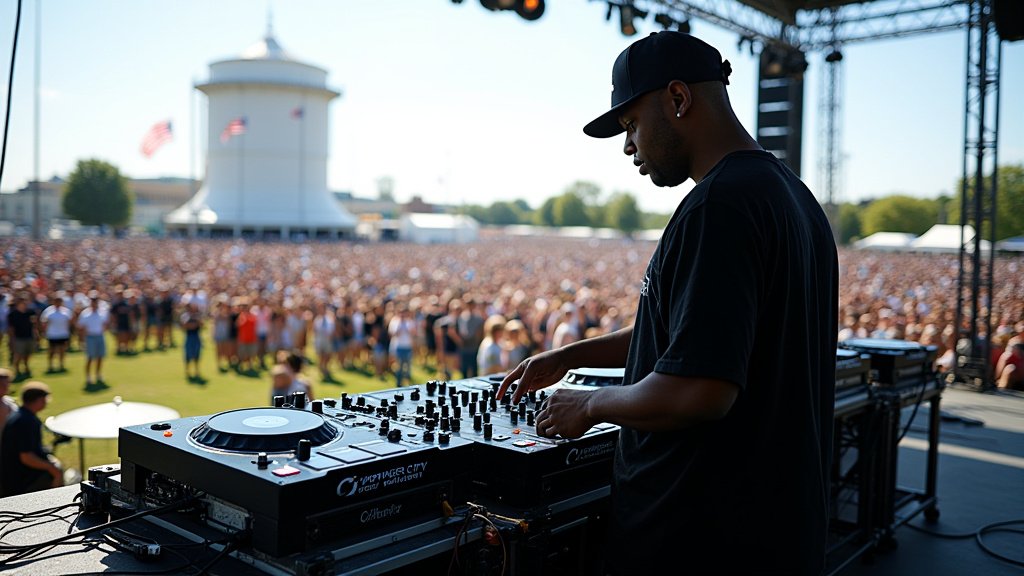
July 25 marked a pivotal moment for Mansfield, Ohio, as the 3rd annual Cypher City Hip Hop Festival transformed the Richland County Fairgrounds into a hub of regional lyrical excellence and beat-making mastery. With the festival hosting its most expansive lineup to date, organizers are signaling a maturation of the local scene, explicitly positioning the event for a permanent transition into the heart of downtown Mansfield by 2027.
Key Highlights
- Record-Breaking Scale: The 3rd annual iteration of the Cypher City Hip Hop Festival secured its position as the largest installment yet, featuring a diverse roster of regional artists.
- Genre-Specific Programming: The festival successfully integrated technical skill-showcases, including intense beat battles and high-energy DJ sets, which acted as a cornerstone of this year’s programming.
- Strategic Growth: Event organizers have confirmed a long-term roadmap, with a stated objective to migrate the festival footprint to downtown Mansfield by 2027, aiming to bridge the gap between suburban venue events and urban cultural immersion.
- Scene Consolidation: The event served as a major catalyst for consolidating the Mansfield hip-hop scene, offering a standardized professional platform for local talent that previously lacked a consistent stage.
The Evolution of the Cypher City Hip Hop Festival
For three consecutive years, the Cypher City Hip Hop Festival has operated as more than just a musical gathering; it has served as a barometer for the health and vitality of the local creative economy in North Central Ohio. When the gates opened at the Richland County Fairgrounds on July 25, attendees were met with an atmosphere that felt significantly different from the festival’s nascent years. What started as a grassroots initiative to provide a platform for local lyricists has rapidly evolved into a regional destination event, drawing artists and fans from across the state.
The Cultural Impact of Regional Beat Battles
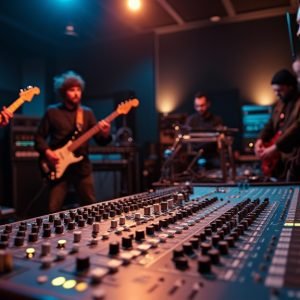
The decision to prioritize beat battles and DJ sets within the festival lineup was a calculated editorial choice that resonated with the purist elements of the hip-hop community. In an era where digital streaming dominates, the live element of a beat battle—where producers manipulate hardware and software in real-time in a competitive arena—brings a visceral, human quality back to the craft. By centering these elements, the festival organizers emphasized the technical prowess inherent in the local hip-hop scene. This focus creates a symbiotic relationship between the audience and the creators, fostering a community that values the intricate mechanics of sound production as much as the lyrical content. The fairgrounds, while expansive, provided the perfect acoustic backdrop for these high-decibel battles, allowing the bass-heavy frequency spectrums to resonate without the constraints often found in tighter, downtown venues.
The Strategic Pivot: Why Downtown 2027 Matters
The announcement regarding the move to a downtown location for 2027 is the most significant development to emerge from this year’s event. This is not merely a logistical change in venue; it is a profound signal of intent regarding the festival’s economic and cultural integration into the urban core of Mansfield.
Moving a festival from a fairgrounds setting—often associated with expansive, open-air, and somewhat isolated events—to a downtown environment changes the fundamental nature of the visitor experience. It integrates the event with local hospitality, retail, and transit infrastructure. This “urban integration” model is a hallmark of successful city-based festivals like SXSW or various Art Walks, where the city itself becomes the canvas. By aiming for this transition in 2027, the Cypher City organizers are betting that the festival has reached the necessary “critical mass” to sustain itself within the tighter, more complex ecosystem of downtown. It suggests a move toward higher sponsorship tiers, increased police and logistical coordination, and a more robust connection to the city’s tourism board.
Hip-Hop as a Local Economic Driver
Critics of local hip-hop scenes often overlook the micro-economic potential these gatherings generate. The Cypher City Hip Hop Festival is a micro-cosm of the broader “flyover state” hip-hop renaissance. As artists find it increasingly difficult to break into saturated coastal markets, regional scenes are becoming self-sufficient ecosystems.
This festival provides revenue streams for local vendors, sound engineers, security personnel, and artists, circulating capital within the Richland County area. The organizers have demonstrated that cultural infrastructure—a venue, a stage, and a schedule—is essentially an economic engine. By moving to downtown in 2027, they are effectively looking to capture a larger share of the local entertainment spend, moving the festival from an “event for the scene” to an “anchor event for the city.”
Bridging the Generational and Genre Gap
One of the most notable successes of the 3rd annual festival was the curation of the lineup. The organizers managed to strike a delicate balance between the “old school” aesthetic of technical beat-making and the modern, energetic, trap-influenced sounds that dominate current radio waves. This is essential for the longevity of any music festival. If the event leans too heavily into nostalgia, it loses the younger demographic essential for long-term growth. If it leans too far into the latest micro-trends, it alienates the core community that supported it from year one.
Looking ahead to 2027, the challenge for Cypher City will be to maintain this equilibrium. The transition to a downtown venue will likely require a shift in production value. It will no longer be enough to simply book talent; the festival will likely need to integrate interactive workshops, panel discussions on music business and production, and perhaps even public art installations that pay homage to the roots of hip-hop culture. This maturation is expected. Festivals that survive past their fifth year typically transition from “shows” to “cultural festivals,” and Cypher City appears to be on that exact trajectory.
The Road to 2027: Sustainability and Infrastructure
Between now and the projected move in 2027, the organizers have a multi-year runway to build the necessary institutional capital. This includes securing the necessary permits, fostering relationships with downtown business owners, and proving to the municipal government that the event can operate safely and efficiently within the city center.
Historically, festivals that move from fairgrounds to downtown face significant logistical hurdles: noise ordinances, street closures, and the necessity of high-capacity waste management. The fact that the organizers are telegraphing this move three years in advance suggests a highly sophisticated level of planning. They are likely using the current fairground events as a testing ground for crowd flow, stage setups, and security protocols. Each year between now and 2027 will effectively be a dress rehearsal for the ultimate downtown debut.
FAQ: People Also Ask
Q: Where was the 3rd annual Cypher City Hip Hop Festival held?
A: The festival was held at the Richland County Fairgrounds in Mansfield, Ohio, on July 25.
Q: Will the festival return to the Richland County Fairgrounds next year?
A: While organizers have set a goal to move to a downtown location by 2027, they have not yet announced specific venue plans for the intervening years, though the focus remains on continuing to grow the festival’s footprint.
Q: What type of performances were featured at the festival?
A: The lineup was comprehensive, focusing on regional hip-hop talent, and featured distinct performances including DJ sets and competitive beat battles.
Q: Why are the organizers planning to move the festival downtown?
A: The move is intended to continue growing the local scene and integrates the festival more deeply into the urban environment, which is a strategic step for scaling the event’s economic and cultural impact.