As the final quarter of 2026 approaches, the Indian music landscape is shifting from mainstream, stadium-tour consumption back toward immersive, community-driven festival experiences. According to recent reporting from Rolling Stone India, the upcoming festival season is defined by a resurgence in curated independent music and a significant spike in hip-hop programming. For the dedicated fan, 2026 is not merely about buying a ticket; it is about navigating the unique intersection of geography, culture, and high-fidelity sound. This guide serves as your roadmap for the definitive upcoming events, with a spotlight on the Ziro Festival and the Higher Ground Music Festival, two anchors of the current independent movement.
Key Highlights
- Ziro Festival’s Continued Dominance: The Arunachal Pradesh-based event remains the gold standard for independent music, blending cultural heritage with global soundscapes.
- The Rise of Hip-Hop: Higher Ground Music Festival is leading the charge in decentralizing hip-hop, moving the genre away from metropolitan clubs and into specialized, dedicated festival environments.
- Logistics for 2026: Advanced planning for Q4 2026 is essential, with eco-tourism regulations in Ziro Valley requiring permits and early booking for sustainable accommodation.
- The Economic Shift: Music tourism is now a significant driver for regional economies in India, with independent festivals contributing to local hospitality and travel infrastructure growth.
The Sound of the Mountains and the Pulse of the Streets
In the landscape of 2026, the Indian music festival ecosystem is bifurcating into two distinct yet complementary spheres: the terrestrial, immersive nature experience and the urban, culture-first sonic environment. Rolling Stone India’s recent analysis highlights this shift, noting that audiences are increasingly seeking ‘intentional’ festival experiences. It is no longer enough to offer a lineup of popular acts; the environment, the local culture, and the technical quality of the production have become equal stakeholders in the fan experience.
The Ziro Festival: A Cultural Anchor
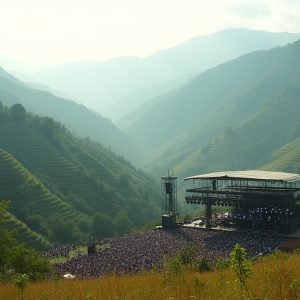
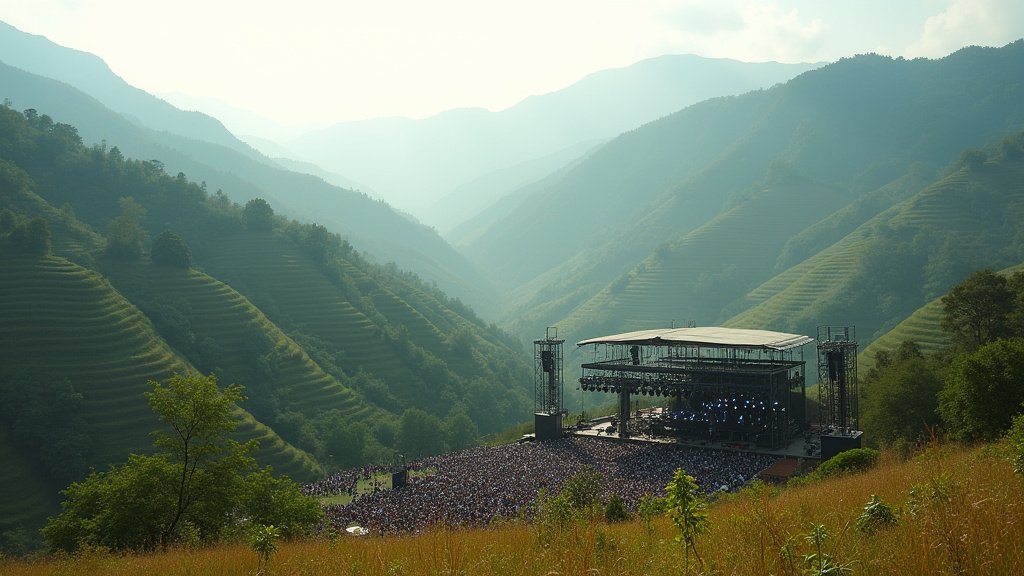
For the uninitiated, the Ziro Festival of Music is not simply a festival; it is a pilgrimage. Located in the picturesque Ziro Valley of Arunachal Pradesh, the event has effectively cemented itself as the ‘Woodstock of the East.’ In 2026, the festival is expected to continue its tradition of featuring a meticulously curated selection of independent artists.
What differentiates Ziro from commercial alternatives is the lack of compromise. The lineup rarely chases the charts; instead, it chases the ethos of independent art. As we look toward the final quarter of 2026, the anticipation revolves around the festival’s ability to maintain its eco-conscious footprint while scaling its technical production. For attendees, this means preparing for variable weather conditions, engaging with the local Apatani tribe’s hospitality, and accepting the logistical reality of travel to one of India’s most remote and beautiful districts. The ‘Ziro experience’ is about the friction between high-octane performance and the meditative silence of the valley—a balance that organizers have maintained with precision.
Higher Ground: The Hip-Hop Frontier
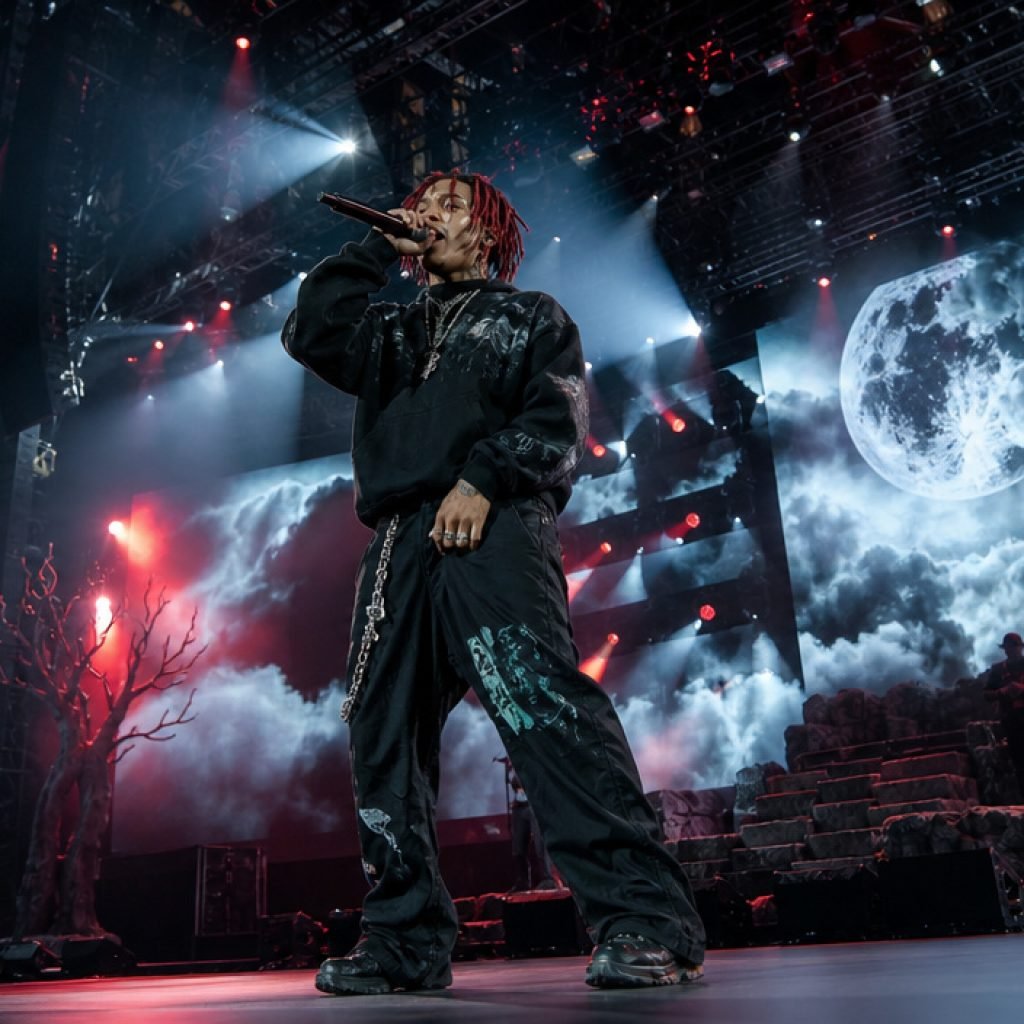
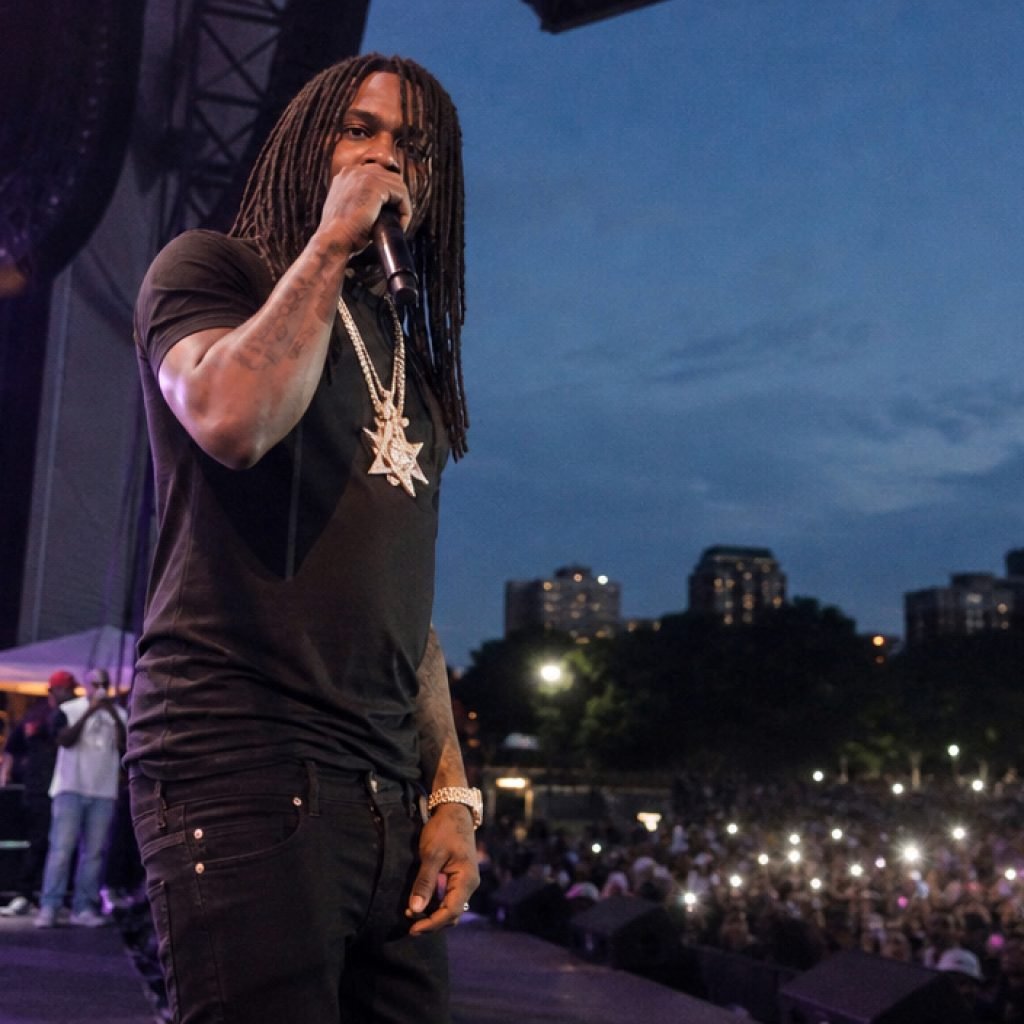
While Ziro represents the soul of indie music, the Higher Ground Music Festival represents the new architecture of Indian hip-hop. Hip-hop in India has spent the better part of the last decade moving from the underground to the mainstream. However, 2026 marks a specific turning point: the transition from ‘guest spots’ at multi-genre festivals to dedicated, genre-specific ecosystems.
Higher Ground is at the forefront of this shift. By focusing on a specific hip-hop demographic, the festival provides a platform for both established legends and the new wave of ‘gully’ artists who have reshaped the vernacular of Indian music. This is a technical move. By narrowing the scope, Higher Ground can invest more heavily in specific acoustic requirements, stage design that emphasizes the MC-crowd connection, and the infrastructure needed for large-scale production numbers that are often lost in larger, generic festival settings.
Economic Impact and the New Music Tourism
It is impossible to discuss the 2026 festival circuit without addressing the economic engine driving it. Music tourism has emerged as a post-pandemic pillar for regional development. Data suggests that events like Ziro and Higher Ground are acting as catalysts for regional infrastructure, specifically in tourism-adjacent sectors. Hotels, homestays, and local transport services in the Ziro Valley see a massive influx of economic activity during the festival window.
This isn’t just about ticket sales; it’s about the multiplier effect. When thousands of people travel to Arunachal Pradesh, they engage with local vendors, hire local guides, and utilize regional transit. For the 2026 season, local governments are reportedly eyeing partnerships with festival organizers to formalize these economic benefits, potentially subsidizing sustainable travel options to encourage longer stays. This creates a cyclical benefit: better infrastructure leads to a more accessible festival, which leads to increased tourism revenue.
Sustainable Festivaling: The Future Standard
One of the most critical trends for 2026 is the rapid professionalization of sustainability. The days of ‘leave no trace’ being a mere suggestion are over. Both Ziro and Higher Ground are implementing stricter environmental protocols. For Ziro, this involves rigid waste management systems to protect the valley’s fragile ecosystem. For urban-adjacent festivals, the focus is on carbon-neutral travel initiatives and the reduction of single-use plastics.
For the festival-goer, this means your participation is part of the accountability. Attendees in 2026 should expect mandatory eco-passes, digital ticketing-only systems, and strict regulations on camping equipment. These are not merely ‘rules’; they are the logistical requirements that allow these festivals to continue operating in their current locations.
Evolution of Lineups: The Curation Shift
Why are lineups changing? In 2026, the listener is more informed than ever before. Streaming algorithms have introduced niche audiences to global artists, meaning a festival lineup can no longer rely on ‘one big headliner’ to sell tickets. The curation we are seeing—specifically in the Ziro and Higher Ground programming—is horizontal rather than vertical.
They are prioritizing ‘vibe’ and ‘sound cohesion’ over pure streaming numbers. This is a savvy commercial move. By cultivating a loyal, genre-specific audience, these festivals are building ‘communities’ rather than ‘crowds.’ A community returns every year; a crowd only shows up if the lineup dictates it. This shift in curatorial philosophy is the reason why these two festivals are predicted to be the most resilient in the 2026 season.
FAQ: People Also Ask
Q: When is the best time to book travel for the Ziro Festival?
A: Because Ziro is located in a remote area with limited accommodation, it is highly recommended to secure your bookings at least 4 to 6 months in advance. For the 2026 Q4 cycle, aim to finalize your travel and stay by mid-year.
Q: What is the main difference between the Ziro Festival and Higher Ground?
A: Ziro Festival focuses on independent, multi-genre, and indie-rock acts within an ecologically immersive environment. Higher Ground is a specialized festival that focuses specifically on the burgeoning Indian hip-hop culture, prioritizing a genre-centric experience.
Q: Are these festivals family-friendly?
A: Ziro Festival is generally known for its welcoming, communal atmosphere, but it is an outdoor, rugged environment that requires physical stamina. Higher Ground, being more urban-centric and hip-hop focused, generally caters to an adult audience, though policies vary by specific edition. Always check the official website before bringing minors.
Q: Do I need special permits to attend the Ziro Festival?
A: Yes. Visitors to Arunachal Pradesh typically require an Inner Line Permit (ILP). Organizers usually provide guides on how to obtain these online, but it is a mandatory step for non-native visitors.