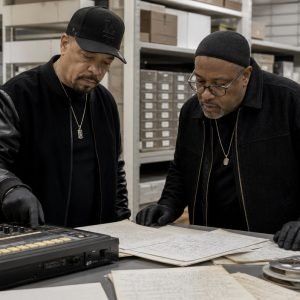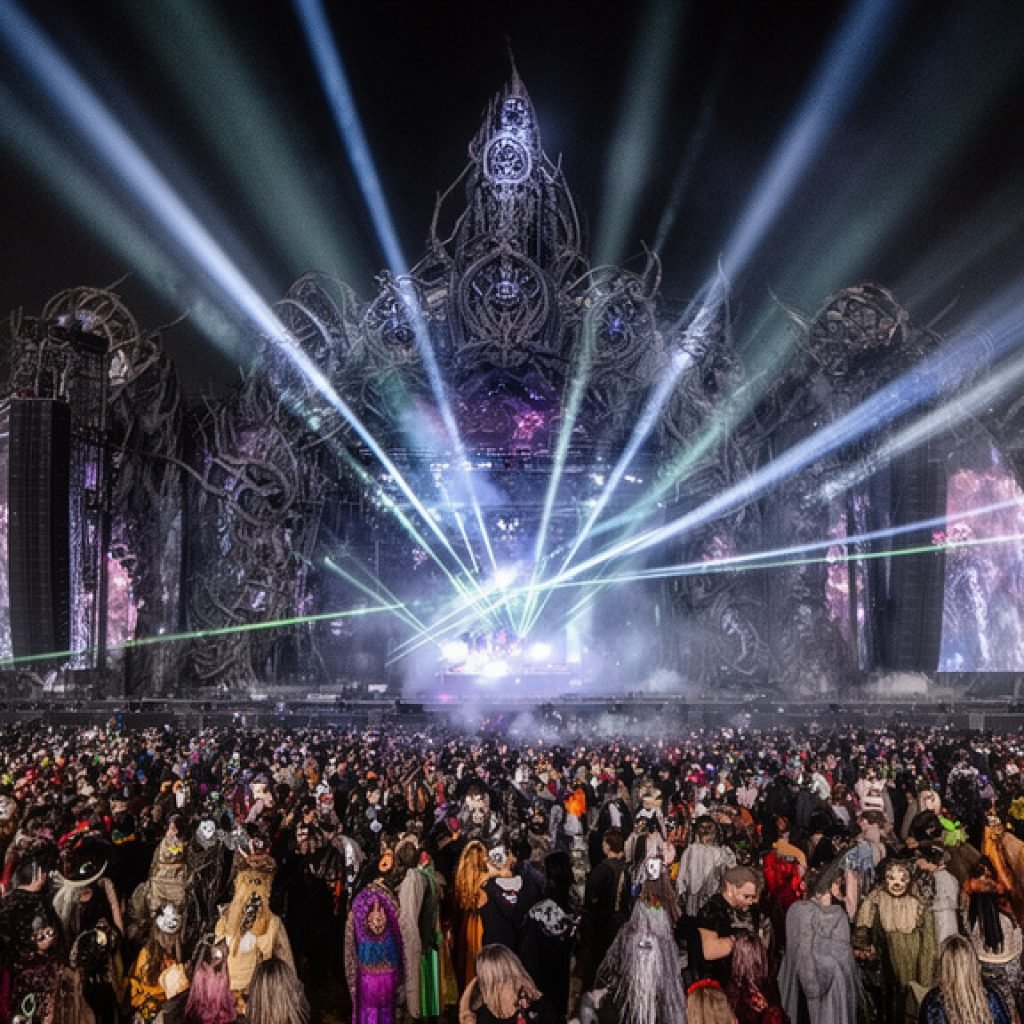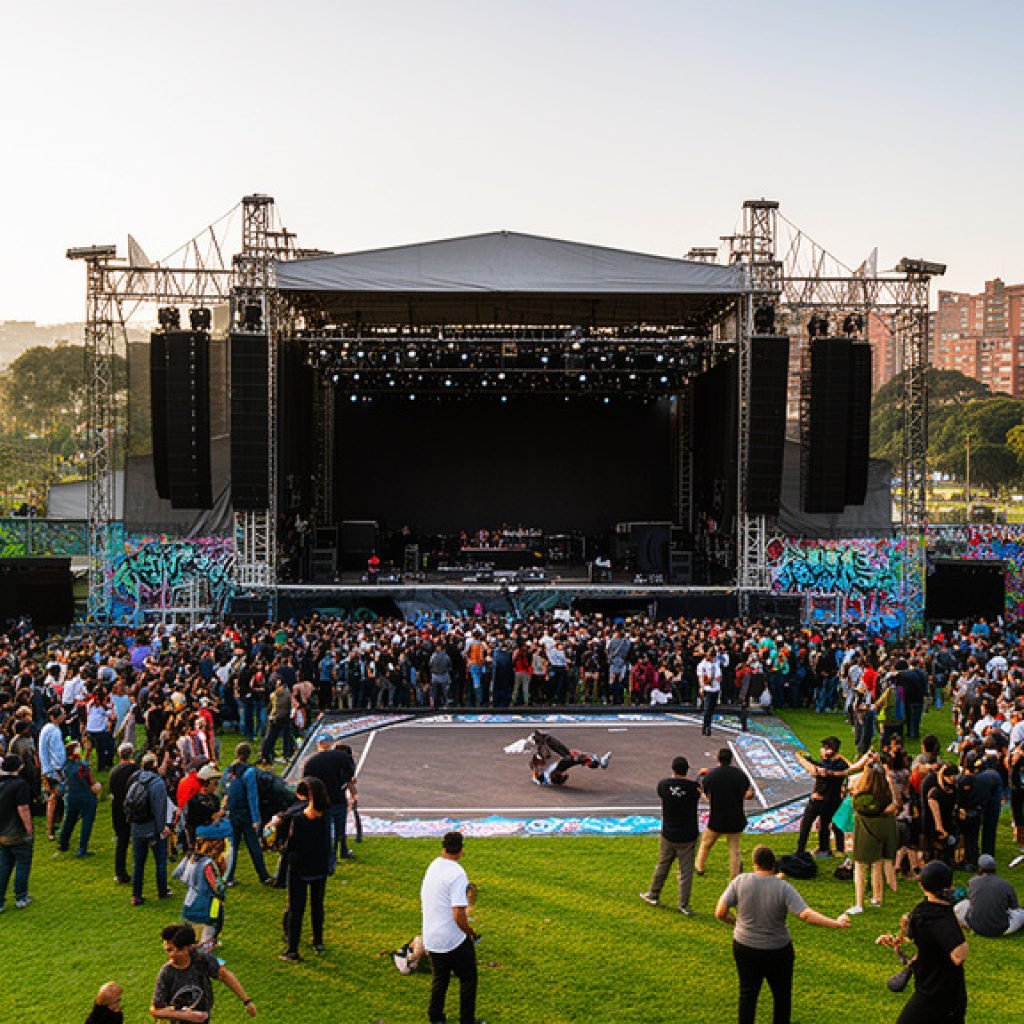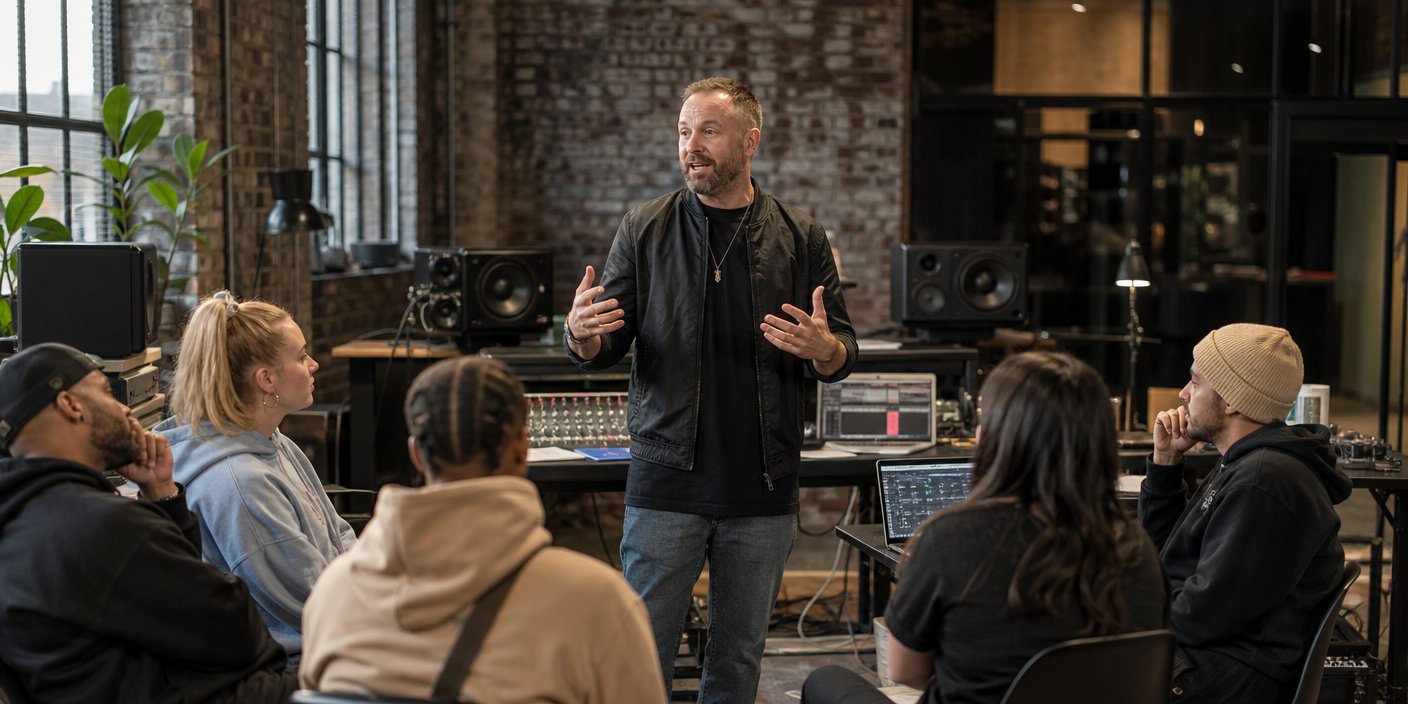
PITCH Scotland has emerged as the definitive nexus for the nation’s hip-hop sector, functioning as both a high-energy music festival and a critical three-day conference in Glasgow. By fostering direct connections between grassroots Scottish talent and influential international industry players, the event is systematically dismantling the infrastructure barriers that have historically isolated local artists from the global music market.
Key Highlights
- Strategic Infrastructure: PITCH Scotland is dedicated to professionalizing the hip-hop sector, providing a platform for artists to gain industry knowledge, management skills, and networking opportunities.
- Global Integration: The conference bridges the gap between Scottish hip-hop culture and international music markets, inviting bookers, producers, and labels to explore the regional sound.
- Cultural Hub: Hosted primarily at the SWG3 arts venue in Glasgow, the event serves as a focal point for the music community, driving economic and cultural value into the city.
- Collaborative Focus: The program blends live performances with intensive workshops, panel discussions, and one-on-one sessions, ensuring a tangible output for all attendees.
The Strategic Evolution of Scottish Hip-Hop
For decades, Scotland’s musical identity on the global stage was often defined by traditional or indie-rock conventions. PITCH Scotland, under the direction of industry figures like Richy Muirhead, is aggressively pivoting this narrative. By creating a dedicated ecosystem, the event acknowledges that artistic talent alone is insufficient to break into the international spotlight; what is required is a robust professional infrastructure.
Building the Infrastructure: Beyond the Music
The conference component of PITCH Scotland is the engine of its success. Unlike purely performance-based festivals, PITCH prioritizes knowledge exchange. Workshops cover everything from royalty collection and synchronization licensing to digital marketing strategies and long-term artist development. By demystifying the ‘business side’ of hip-hop, the event ensures that Scottish artists are not just playing music, but actively managing their careers. This is crucial for navigating an industry that is increasingly dominated by data-driven algorithms and fragmented distribution channels.
The Gateway to Global Stages
The core value proposition of the festival is access. Bringing international delegates to Glasgow—many of whom may have preconceived notions about what ‘Scottish music’ sounds like—allows for a direct challenge to those perceptions. When a curator from a major label or a festival booker from abroad engages with the local scene, it validates the work of Scottish artists in a way that remote submissions cannot. This ‘on-the-ground’ exposure is the catalyst for genuine career progression, turning local acts into touring entities.
Socio-Economic Impact and the ‘Glasgow Effect’
The location choice is no accident. SWG3, located in the West End of Glasgow, is a testament to the city’s urban regeneration efforts. By hosting PITCH Scotland here, the event taps into the city’s broader economic strategy of using creative industries to stimulate post-industrial growth. The influx of international visitors, delegates, and media during the three-day event drives revenue into local businesses, from hospitality to technical production services. It paints a picture of a city that is not just surviving but thriving as a center for contemporary, culturally relevant art.
Secondary Angles: Future Trends and Analysis
The Cultural Identity vs. Global Homogenization Dilemma:
A central theme emerging from PITCH Scotland is the negotiation of identity. Scottish hip-hop artists face a unique pressure: to maintain authentic local vernacular and stories while ensuring their music remains palatable to a global, mass-market audience. PITCH serves as a laboratory for this negotiation, where artists learn to leverage their ‘Scottishness’ as a unique selling point rather than a barrier to entry.
Technological Democratization:
The rise of home production suites has shifted the balance of power. The conference panels regarding production and distribution reveal how Scottish artists are bypassing traditional gatekeepers. PITCH fosters this autonomy by teaching artists how to utilize independent distribution tools, effectively allowing the local scene to build a ‘DIY’ infrastructure that competes with major label output.
The Long-Term Economic Multiplier:
While the immediate impact of the festival is visible in ticket sales and conference attendance, the long-term economic goal is the professionalization of the Scottish music workforce. By training local talent managers, publicists, and technical crews alongside the artists, PITCH Scotland is creating an internal talent pipeline, reducing the need for Scottish acts to migrate to London or Los Angeles to find the support staff they need to operate professionally.
FAQ: People Also Ask
What is the primary goal of PITCH Scotland?
The core objective is to build a sustainable, professional infrastructure for the hip-hop scene in Scotland, enabling artists to connect with international industry delegates and secure opportunities on a global scale.
Where does the festival take place?
The event is based in Glasgow, primarily utilizing the SWG3 arts and music venue, which is known for its role in the city’s creative and cultural economy.
Is PITCH Scotland only for hip-hop artists?
While hip-hop is the primary focus, the conference component is designed for the wider music industry, including managers, labels, bookers, media professionals, and technical production staff who are interested in the Scottish music market.
How does the conference differ from a standard music festival?
Unlike standard festivals that focus solely on performance, PITCH Scotland acts as a hybrid. It integrates live performances with a high-stakes conference program, including workshops, panel discussions, and one-on-one networking sessions aimed at career and industry development.