In a live music landscape increasingly dominated by high-cost ticket prices, pyrotechnics, and distant arena seating, a quiet revolution is taking root in the heart of Gowanus, Brooklyn. The Craft, a carefully curated event series founded by members of the underground collective MCMI—including Mic King, Tonedeff, PackFM, and LR Blitzkrieg—is proving that the most powerful hip-hop experiences are not found in stadiums, but in the deliberate, high-fidelity atmosphere of an intimate room. As the industry grapples with the dilution of live performance, The Craft has emerged as an antidote, prioritizing the sonic and lyrical integrity of the culture over the convenience of mass-market spectacle.
Key Highlights
- Return to Substance: The Craft rejects the ‘showcase’ model, focusing on curated lineups that prioritize lyrical excellence and stage presence over commercial hype.
- Strategic Intimacy: Utilizing Littlefield in Brooklyn, the event series utilizes a venue designed for acoustic clarity, ensuring the audience feels the nuance of every bar.
- Curatorial Precision: Beyond just the music, the series pairs performers with custom cocktails and a deliberate social environment to elevate the concert-goer’s experience.
- Cultural Preservation: The series acts as a vital bridge between the golden era of underground hip-hop and the next generation, honoring legends while showcasing current technical masters.
The Anatomy of an Authentic Show
The fundamental problem with modern hip-hop performances is one of scale. When music designed for the street corner or the cramped studio becomes stretched across the cavernous expanse of an arena, something is inevitably lost in translation. The ‘energy’ that often defines a legendary hip-hop set—the sweat, the eye contact, the ability to discern the cadence of a rapper’s delivery—evaporates in the sterile environment of a commercial venue. The Craft is rewriting this script by treating the live experience as a premium cultural product rather than a transactional commodity.
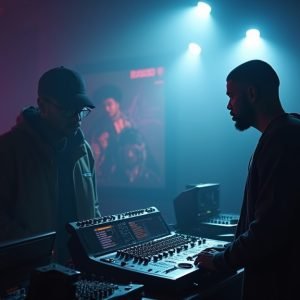
At the core of this initiative is a philosophical pivot: the event is not merely a show; it is an environment. The founders of MCMI, veterans of the independent scene who cut their teeth in an era where technical ability was the only currency that mattered, have meticulously stripped away the extraneous. There are no backing tracks drowning out the vocals, no excessive lighting rigs distracting from the performer, and no filler. The result is a ‘high-definition’ concert experience. For attendees who have felt alienated by the trend of ‘phone-first’ concerts, The Craft offers a space where the primary engagement is between the artist and the audience.
Littlefield and the Power of Intimacy
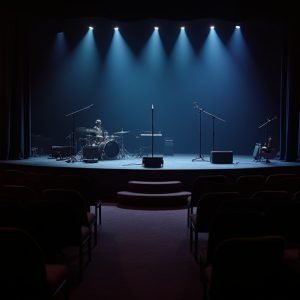
The choice of Littlefield in Gowanus is not accidental. The venue, known for its distinct acoustic profile and intimate dimensions, serves as the perfect laboratory for The Craft’s vision. In a larger theater, a rapper is a distant figure; at Littlefield, they are a presence. This proximity changes the dynamic of the performance. Rappers like Beanie Sigel, who are known for their gravity and narrative weight, are able to command the room with a whisper as easily as a shout. The audience, in turn, is forced to pay attention. The venue layout removes the barrier of the ‘VIP section’ in favor of a shared, immersive experience where the energy circulates freely through the crowd.
This is a return to the roots of hip-hop as a gathering of the minds. The venue’s mixologists work in tandem with the event organizers to create custom cocktails that reflect the tone of the evening, further blending the line between a high-end nightlife experience and a cultural showcase. It transforms the night from ‘attending a show’ to ‘participating in a movement.’
Curating the Culture: Beyond the Lineup
What truly sets The Craft apart is the curation of the lineup. The series avoids the trap of ‘reunion’ fatigue—simply booking acts for the sake of nostalgia. Instead, each event is a deliberate assembly of artists who represent specific facets of technical excellence. By mixing legends with current underground heavyweights like Grafh, Mecc Rashawn, and Tiye Phoenix, the organizers create a dialogue across generations. The audience isn’t there to hear a single radio hit; they are there to witness the mastery of the form.
This curatorial approach serves a dual purpose. It provides a platform for artists who possess significant skill but lack the massive marketing budgets of major labels, and it educates the audience on the breadth of the genre. When a DJ like DJ Spinna sets the tone, it is a masterclass in history, blending deep cuts with contemporary relevance. This is, in effect, a live-action archive of hip-hop, where the past is not just remembered but actively utilized to inform the present.
The Producer’s Perspective: Why Precision Matters
Mic King, whose professional background as the founder of iPullRank—a data-driven marketing agency—informs the organizational rigor behind The Craft, emphasizes that the series is built on a foundation of precision. For King, the ‘craft’ is not just in the rapping; it is in the execution of the event itself. This translates to how the sound is mixed, how the stage is managed, and how the artist is presented to the public.
In an industry that often cuts corners on live production costs, The Craft’s insistence on high-quality audio and efficient transitions is a radical act. It recognizes that the audience’s respect is earned through professionalism. When an artist is given a stage that supports their work, they elevate their performance. The feedback loop between a well-organized event and a high-caliber performance is undeniable, and it is here that The Craft finds its competitive edge.
Looking Ahead: The Future of Live Hip-Hop
As The Craft continues to grow, its model offers a blueprint for the future of independent hip-hop touring. The era of the ‘promoter-driven’ show, which often prioritized profit over the experience, is showing signs of exhaustion. Audiences are signaling a desire for quality over quantity, and for authenticity over the artificial. By building a community-first ecosystem, The Craft is proving that hip-hop does not need to compromise its soul to achieve sustainability.
If Brooklyn is the birthplace of many of the genre’s greatest moments, The Craft is attempting to ensure it remains a place where the culture is nurtured. As the series expands its schedule and refines its approach, it is positioning itself as a cornerstone of the New York independent scene—a beacon for anyone who believes that bars, rhythm, and the raw power of a live microphone still matter more than anything else.
FAQ: People Also Ask
Q: What makes The Craft different from a standard hip-hop concert?
A: The Craft prioritizes the ‘craftsmanship’ of the performance—focusing on technical lyrical ability, high-fidelity sound, and an intimate venue experience rather than the large-scale spectacle and commercial production of stadium shows.
Q: Who is the primary audience for these events?
A: The event targets hip-hop purists, long-time fans of lyrical rap, and individuals who appreciate the nuances of underground music, culture, and professional-grade live production.
Q: Why was Littlefield chosen as the venue?
A: Littlefield’s intimate acoustic profile allows for a deep, immersive connection between the artist and the audience, which is essential for the high-detail performance style prioritized by The Craft’s founders.
Q: Can I see The Craft outside of Brooklyn?
A: Currently, The Craft is anchored in Brooklyn, with a focus on building a sustainable, community-driven ecosystem at Littlefield. However, its model has garnered significant attention, suggesting it could potentially influence independent touring circuits elsewhere in the future.