The meteoric ascent of Steve Lacy following the 2022 explosion of his single “Bad Habit” was not just a viral moment on social media; it was the coronation of a new archetype of pop stardom. While the track dominated the Billboard Hot 100—spending three weeks at number one and becoming a cultural touchstone—Lacy was already deep into a career trajectory that prioritized idiosyncratic artistic vision over the polished machinery of the traditional music industry. As he continues to navigate the complexities of fame, his approach to his work remains as fluid and non-conformist as his personal philosophy.
Key Highlights
- Chart Domination: “Bad Habit” became a defining hit of the decade, reaching #1 on the Billboard Hot 100 and securing Lacy’s status as a top-tier solo artist.
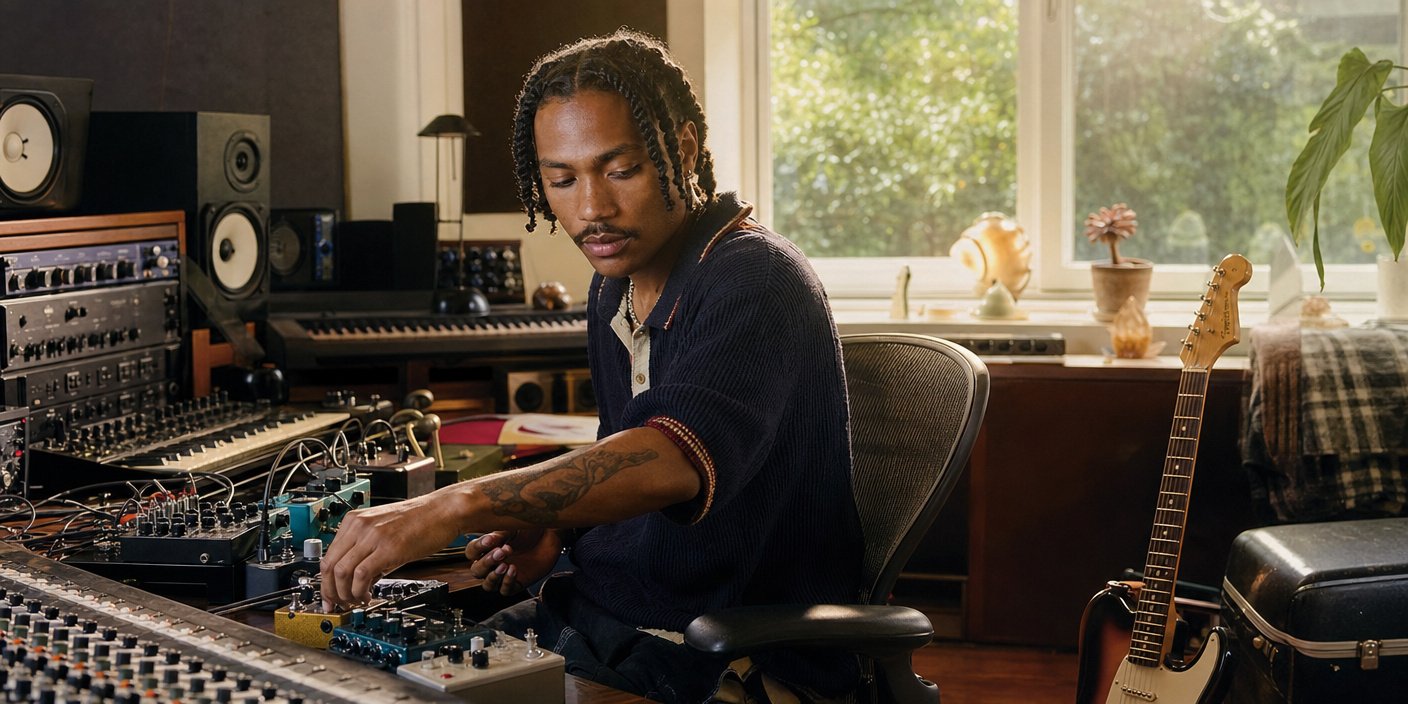
- Production Purity: Lacy continues to champion a DIY production ethos, famously utilizing iPhone-based recording and analog gear to maintain a raw, lo-fi aesthetic despite his massive resources.
The Gemini Rights Impact: His sophomore studio album, Gemini Rights*, solidified his transition from a band member in The Internet to a singular solo powerhouse, blending funk, R&B, and indie-rock.
- Artistic Independence: Lacy’s public stance on personal and creative relationships mirrors his genre-bending music—he resists categorization and traditional structures, preferring a life of autonomy.
The Architecture of a Modern Icon
The trajectory of Steve Lacy’s career is a masterclass in modern music marketing and artistic authenticity. Long before “Bad Habit” arrived, Lacy was known in music circles as the guitarist for the neo-soul band The Internet. However, his pivot to solo stardom was marked by a distinct lack of desperation. He famously treats the studio like a sketchbook, a method that has resulted in the raw, immediate sound that fans adore.
When we look at the success of Gemini Rights, the album is not merely a collection of songs; it is a document of a musician who refuses to be pigeonholed. The industry often demands that artists choose a lane—R&B, pop, or rock. Lacy chose to exist in the intersection of all three. His ability to fuse disparate influences—from the soulful grit of the 70s to the digital immediacy of current trends—has created a sonic landscape that is entirely his own. This refusal to conform is the bedrock of his appeal. When he sings, he isn’t just performing; he is narrating a complex, lived experience that values truth over commercial polish.
The ‘Bad Habit’ Effect and Industry Shifts
The sheer data behind “Bad Habit” is staggering. The song spent 13 weeks in the Top 10 of the Billboard Hot 100, a feat that is exceedingly rare for an artist with such a jagged, experimental edge. This success signaled a seismic shift in the music industry: the audience is no longer waiting for corporate-sanctioned hits. They are gravitating toward artists who feel authentic, messy, and real.
Lacy’s success proved that the “indie” aesthetic could conquer the mainstream. By keeping his production tools simple—often relying on his phone and standard analog pedals—he maintained a connection with the listener that feels intimate. In an age of over-produced, hyper-compressed pop music, Lacy’s sound is a breath of fresh air. It serves as a secondary angle of analysis: the democratization of high-quality production. Lacy didn’t need a multi-million dollar studio to top the charts; he needed a unique perspective and the courage to release it as is.
Life as a Creative Canvas
The recent discourse regarding Lacy’s personal life and his comments on monogamy highlight a crucial aspect of his brand: he is an artist who treats his life as a creative canvas. Just as he refuses to be locked into a specific musical genre, he is vocal about refusing to be locked into traditional social scripts. This is not merely a lifestyle choice; it is a philosophy of freedom that bleeds into his songwriting.
By rejecting traditional constraints—whether in his music or his personal relationships—Lacy creates a space for himself to evolve without fear of judgment. This is a powerful message for his demographic. It suggests that the most successful artists of the future will be those who curate their lives with the same intention they use to write their bridges and choruses.
The Future: What Lies Ahead for Lacy?
Looking toward the future, the primary question for the industry is not whether Steve Lacy can replicate the success of “Bad Habit,” but whether he even wants to. All signs point to a trajectory focused on longevity rather than immediate viral repetition. We see this in his collaborations, his live performances, and his carefully curated public presence.
Lacy’s influence on the next generation of R&B artists cannot be overstated. He has made it ‘cool’ to be the producer-singer who handles everything. As he continues to evolve, we can expect him to delve deeper into textures, perhaps stepping further away from the pop spotlight and into more avant-garde territories. His career is a lesson in patience and power: by never forcing a result, he has ensured that every result he achieves feels like a monumental, earned success.
FAQ: People Also Ask
1. What made ‘Bad Habit’ so successful on the charts?
‘Bad Habit’ succeeded because of its unique blend of lo-fi aesthetics and undeniable, earworm melodies. It gained massive traction on platforms like TikTok, but its staying power came from its raw, emotional honesty that resonated across multiple demographics.
2. Is Steve Lacy currently in a band?
While Lacy gained prominence as a member of the alternative R&B band The Internet, he is currently focused on his solo career. However, he continues to collaborate with various artists and maintains ties to the creative community he helped build.
3. How does Steve Lacy’s production style differ from mainstream pop?
Lacy is famous for his minimalist approach, often using his phone or basic home studio equipment to capture ideas. This contrasts with the ‘maximalist’ approach of many top-40 producers, creating a more intimate, garage-band sound that audiences find refreshing.
4. What is the significance of the album Gemini Rights?
Gemini Rights was the project that cemented Lacy’s transition from a niche cult favorite to a global superstar, earning critical acclaim and proving that his sound had massive, sustainable commercial viability.