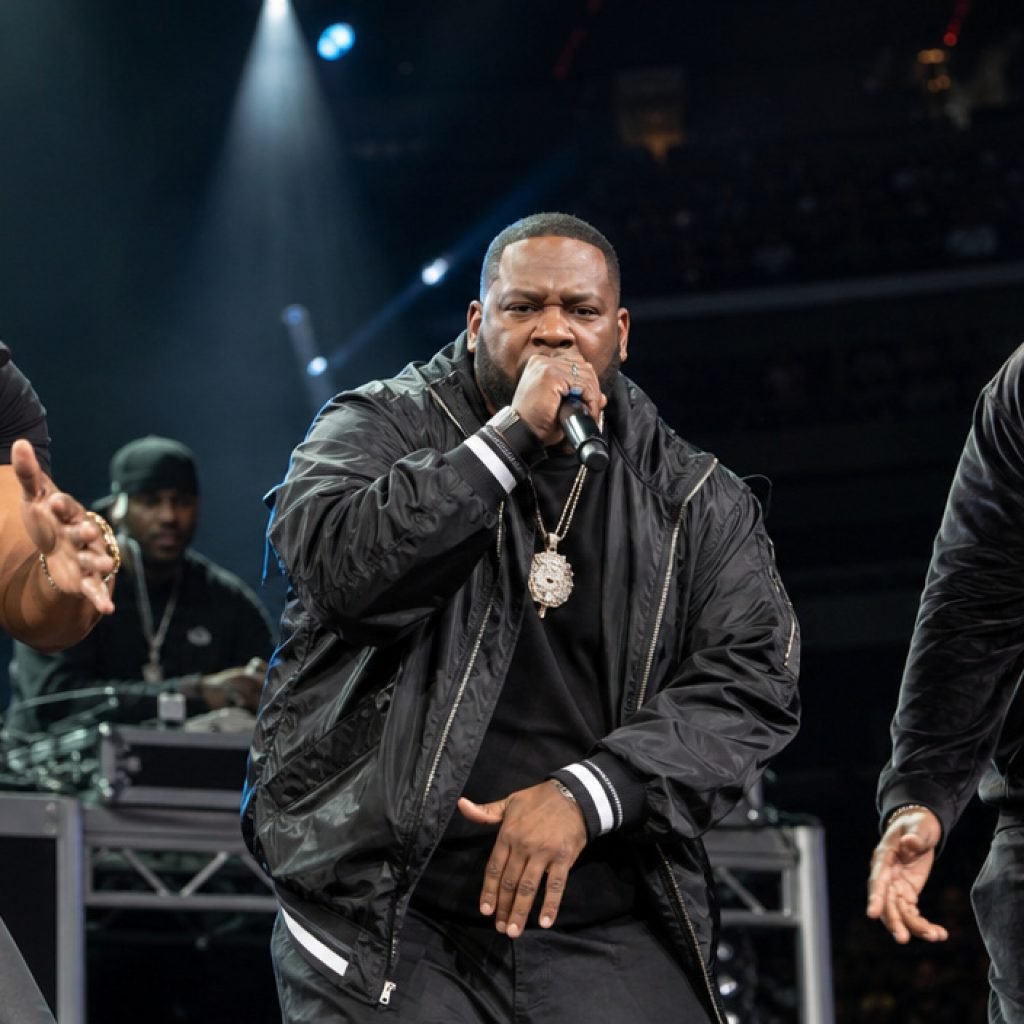
In a momentous acknowledgement of cultural preservation, the Library of Congress has officially inducted A Tribe Called Quest’s 1991 magnum opus, The Low End Theory, into the National Recording Registry. This designation, reserved for audio recordings that are “culturally, historically, or aesthetically significant,” places the album among the most vital sonic artifacts in American history. As we approach the 35th anniversary of this genre-defining work, its inclusion serves as a profound reminder of how Q-Tip, Phife Dawg, and Ali Shaheed Muhammad did not merely release an album; they constructed an architectural blueprint for the future of hip-hop and jazz fusion, fundamentally shifting the creative trajectory of modern music.
Key Highlights
Institutional Recognition: The Low End Theory* was formally inducted into the National Recording Registry in April 2024, recognizing its enduring cultural impact.
- The Jazz-Rap Synthesis: The album is critically lauded for its seamless integration of upright bass lines—provided by jazz legend Ron Carter—with complex, boom-bap hip-hop percussion, creating a sub-genre that remains highly influential.
- 1991 Cultural Pivot: Released on September 24, 1991, the album emerged during a pivotal year for hip-hop, offering a sophisticated, consciousness-driven alternative to the prevailing trends of the era.
- Sonic Engineering: The group’s production methodology, utilizing clean sampling techniques and a stripped-back, “low end” heavy aesthetic, became a standard for producers ranging from J Dilla to Kanye West.
The Immutable Legacy of The Low End Theory
When The Low End Theory was released in the autumn of 1991, the landscape of hip-hop was undergoing a rapid, often jarring evolution. While the era was dominated by the burgeoning rise of West Coast gangsta rap and the abrasive political commentary of Public Enemy, A Tribe Called Quest offered something profoundly different: a cool, intellectual, and rhythmically complex invitation into a new kind of urban consciousness. Today, the Library of Congress’s decision to preserve the master tapes and digital legacy of the album validates what fans and critics have asserted for three and a half decades—that this album is not merely a collection of songs, but a significant cultural document.
The Sonic Architecture of the “Low End”
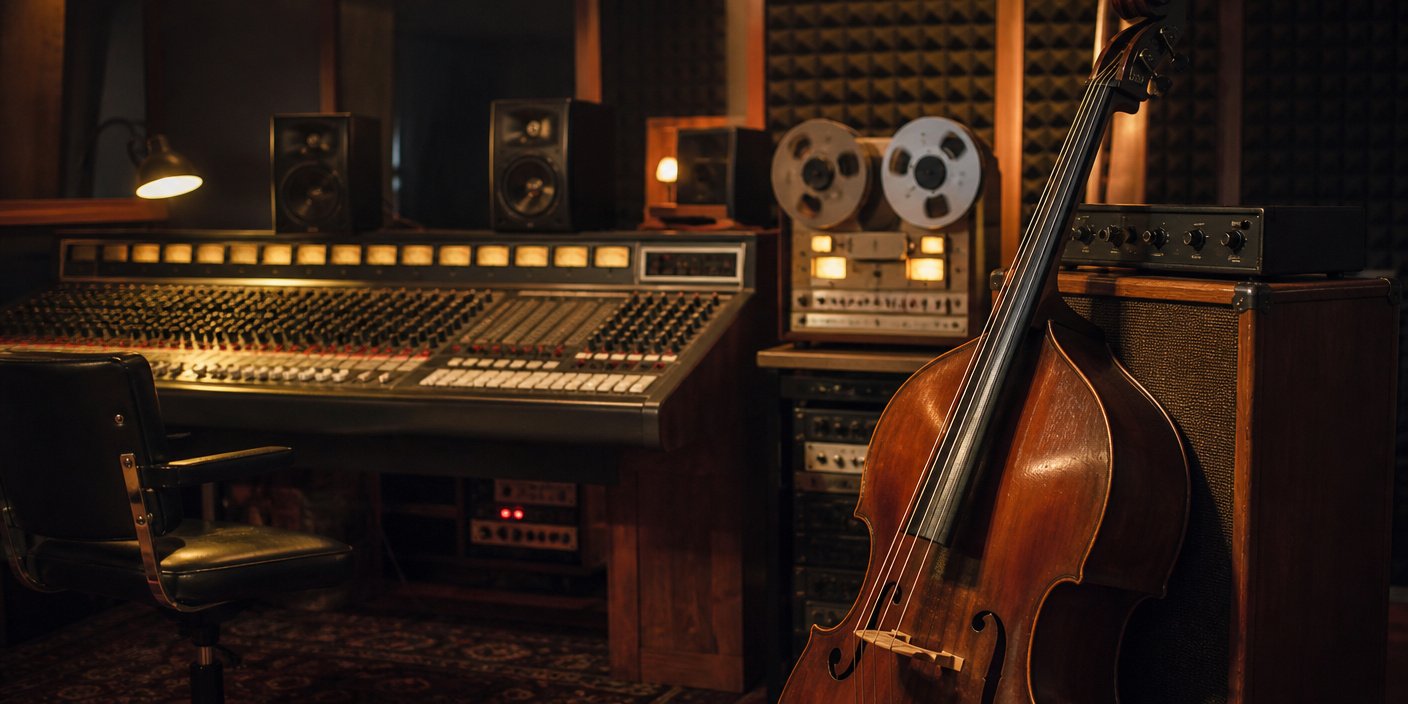
To understand why the Library of Congress selected this album, one must examine the technical brilliance of its production. In an age where digital sampling was still finding its legs, the production trio—Q-Tip, Ali Shaheed Muhammad, and the late Phife Dawg—prioritized a minimalist, warm, and “bottom-heavy” sound. They famously eschewed the cluttered, cacophonous samples that defined much of the early 90s, opting instead for organic instrumentation.
Perhaps the most significant element of this production philosophy was the recruitment of jazz bassist Ron Carter. By bringing a literal jazz musician into the studio to lay down live bass lines, the group bridged the gap between the improvisation-heavy ethos of bebop and the sample-based loops of hip-hop. This was not a novelty; it was a masterclass in musical alchemy. The album’s success proved that hip-hop could be as musically dense and critically rigorous as the jazz albums that preceded it by decades, effectively legitimizing the genre in the eyes of musical historians and academia.
Cultural Preservation and the National Registry
The National Recording Registry, managed by the Library of Congress, acts as a repository for audio that defines the American experience. Inclusion is not about record sales or radio play; it is about longevity, societal impact, and the capturing of a specific cultural “zeitgeist.” By selecting The Low End Theory, the Library is acknowledging the pivotal shift that occurred in 1991—a moment when the Native Tongues collective and its affiliates helped move hip-hop toward a more Afrocentric, introspective, and musically eclectic space.
This preservation effort is vital for future generations of musicologists and producers. It ensures that the exact sonic texture of tracks like “Check the Rhime,” “Scenario,” and “Jazz (We’ve Got)” is cataloged in perpetuity. It validates the group’s role as cultural curators who pulled from the deep well of the jazz canon to create a sound that felt both nostalgic and radically forward-looking.
A Ripple Effect Through Production
The shadow cast by this album is massive. The production techniques refined on The Low End Theory—the restraint, the EQ balance, and the specific choices of drum breaks—provided a foundational syllabus for the next generation of hip-hop producers.
Consider the “J Dilla Effect”: the legendary producer often cited The Low End Theory as his primary north star. The way the drum loops were swung, the way the samples were chopped, and the way the bass sat in the mix became the standard operating procedure for the “soul-hop” movement that would define the early 2000s. Without the sonic template laid out by Q-Tip and Ali Shaheed Muhammad, it is highly probable that the careers of artists like Common, The Roots, and even the early production styles of Kanye West would have taken drastically different paths. The album did not just participate in the culture; it dictated the terms of its evolution for the next twenty years.
The Human Element: Phife Dawg and Q-Tip
Beyond the technical specs and the historical gravity, the album is anchored by an undeniable human chemistry. The “Five-Foot Assassin,” Phife Dawg, provided a high-pitched, punchy counterweight to Q-Tip’s smooth, laid-back flow. Their interplay was organic, funny, and deeply personal.
By preserving the album, the Library of Congress is also preserving the voices of artists who changed the way Black youth engaged with popular culture. The lyrics on the album touched on everything from the challenges of being a young musician in the industry to the complexities of Black love and identity. It is this lyrical depth, combined with the groundbreaking musical fusion, that secured its place in the archives of American history. As we look toward the 35th anniversary of this release, the induction serves as a final, definitive seal of approval: this is not just “rap music”; this is American high art.
FAQ: People Also Ask
1. Why was ‘The Low End Theory’ selected for the National Recording Registry?
The Library of Congress selects recordings that are culturally, historically, or aesthetically significant. This album was chosen because it redefined the fusion of jazz and hip-hop, served as a foundational text for modern music production, and remains a definitive soundscape of the 1991 cultural era.
2. Is this the first hip-hop album ever inducted by the Library of Congress?
No. The National Recording Registry has previously inducted hip-hop milestones such as Grandmaster Flash and the Furious Five’s “The Message,” N.W.A.’s Straight Outta Compton, and Lauryn Hill’s The Miseducation of Lauryn Hill. However, The Low End Theory is specifically honored for its unique contribution to the jazz-rap sub-genre.
3. What does it mean for an album to be ‘preserved’?
It means the Library of Congress will ensure that the best available copies of the original master recordings are stored in a climate-controlled environment, archived digitally, and preserved in perpetuity to ensure that the work remains available for scholarly research and for future generations of Americans to study and enjoy.
4. Will there be new versions of the album released due to this induction?
While the induction itself is an archival honor rather than a commercial release strategy, such recognition often leads to increased interest, critical reassessment, and potential anniversary re-issues or high-fidelity, archival-grade physical media releases for collectors.